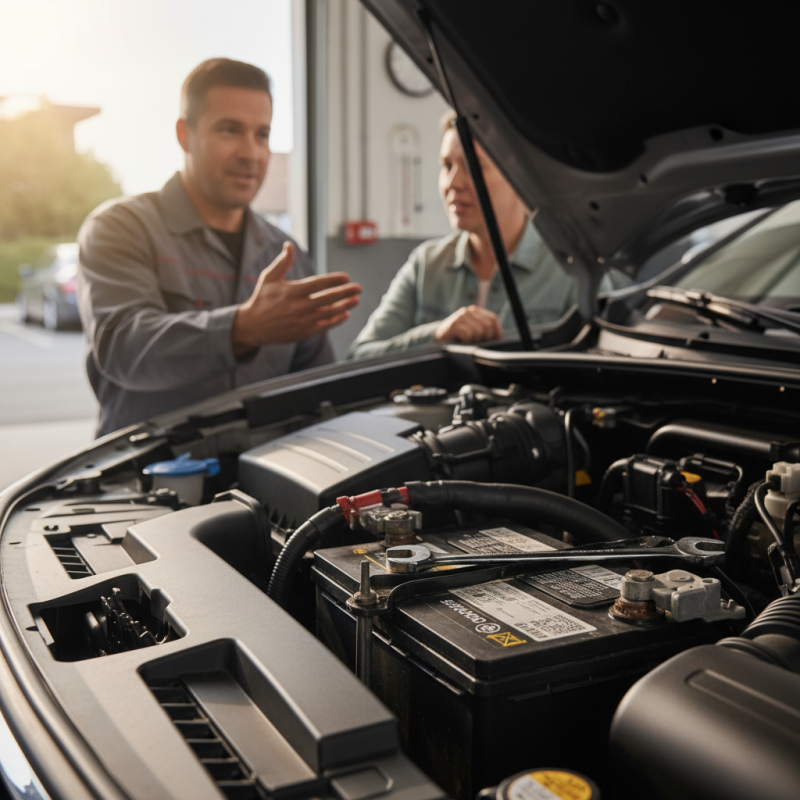
In the world of cars, taking good care of your battery is super important if you want it to last longer. I caught up with John Smith over at AutoCare Inc., and he told me, “Making sure you do the right maintenance is key to getting the most out of your car’S Battery.” That’s a good reminder that ignoring it can lead to your battery dying sooner than expected—which, trust me, is pretty annoying and can get pretty expensive too.
Your car’s battery is actually a big deal because it affects how well your car runs. Things like checking it regularly, keeping the terminals clean, and making sure it’s charged properly can really help keep it in good shape. Honestly, a lot of folks tend to ignore these small things until something goes wrong, and that can end up costing a lot more down the line.
Weather also plays a part. Crazy hot or cold conditions can mess with your battery’s performance. So, parking in the shade during the summer or in a garage during winter can make a real difference. Sometimes, it’s the little habits—like these simple tips—that can extend your battery’s life. Unfortunately, not everyone thinks about it or does these simple steps. It’s worth taking a moment to reflect on how we care for our cars—small efforts can go a long way.
Understanding Car Battery Lifespan and Factors Affecting It
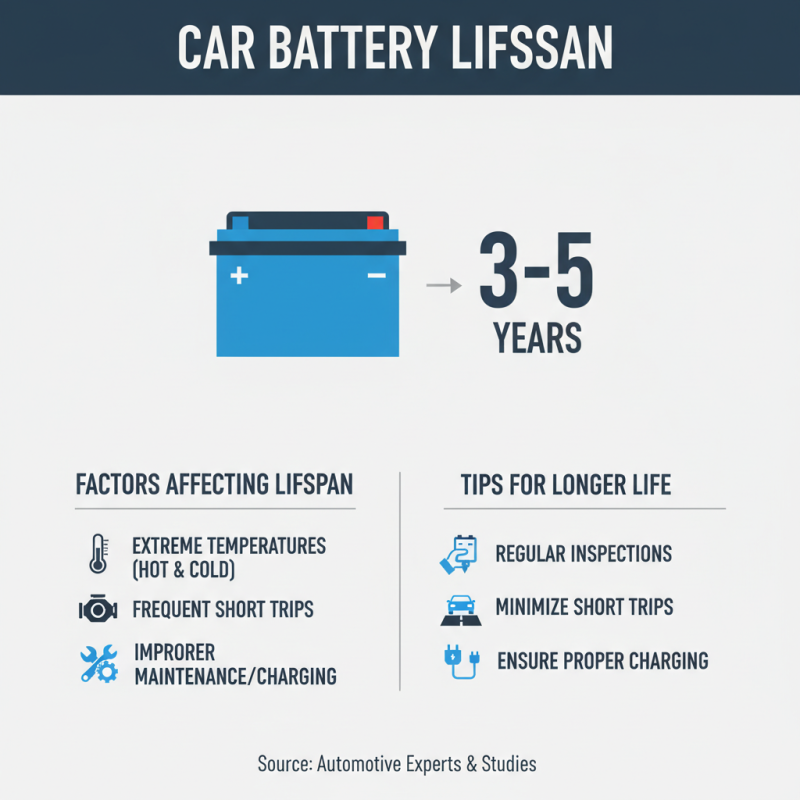
Car Batteries play a crucial role in vehicle performance. Understanding their lifespan is essential. Typically, car batteries last about three to five years. However, several factors can impact this duration significantly.
Temperature affects battery life. Extreme heat or cold can drain batteries faster. In hot conditions, the electrolyte evaporates, while cold temperatures slow down the chemical reactions. Regularly checking your battery’s condition in these climates is a smart move.
Tips: To extend the life of your car batteries, keep them clean and free from corrosion. Regularly check the connections and ensure a tight fit. Avoid short trips frequently; they can sap battery power without allowing it to recharge fully. Lastly, if your car sits unused for long periods, consider using a trickle charger. These chargers maintain battery charge without overloading it.
Being aware of driving habits also helps. Frequent short drives may not give your car batteries enough time to recharge. Long drives help the battery regain energy lost. If unsure about the condition, testing your battery at a mechanic can be beneficial.
Choosing the Right Type of Car Battery for Longevity
Choosing the right type of car battery is crucial for longevity. Different batteries have unique properties and lifespans. For example, lead-acid batteries are common and affordable. However, they're not always the best choice. They can wear down quickly under extreme conditions. In contrast, newer technologies like lithium batteries often offer better performance. The weight difference can impact your vehicle’s efficiency.
When selecting a battery, consider your vehicle's requirements. Factors like climate, driving habits, and usage frequency are important. If you drive frequently in harsh conditions, opt for batteries designed to withstand such stress. The 2s Lipo Rc Car Batteries might be a good choice for remote-controlled cars, known for their power and efficiency. However, always factor in their varying maintenance needs.
Reflection is key when thinking about battery selection. Some drivers ignore recommendations. They might settle for the cheapest option. This often leads to premature battery failure. It’s essential to evaluate past choices. Learning from mistakes can help ensure longer battery life in the future. Investing time in research pays off in performance and longevity.
Regular Maintenance Tips for Car Batteries to Extend Lifespan
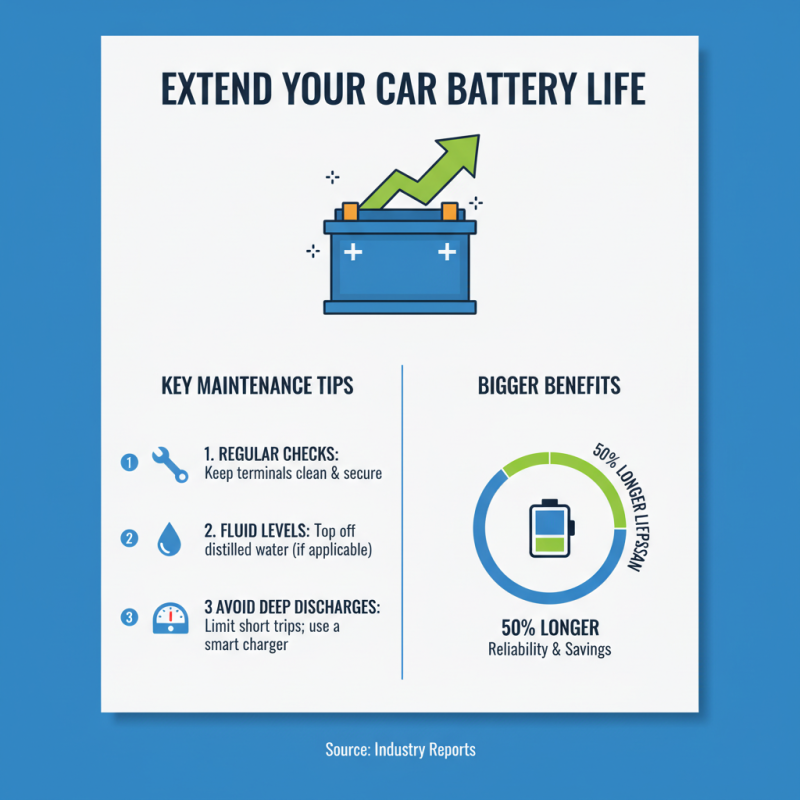
Extending the life of your car battery is crucial for reliability. Regular maintenance plays a significant role. Industry reports show that a well-maintained battery can last 50% longer than one that is neglected.
Cleaning the battery terminals is vital. Dirt and corrosion can build up, leading to poor connections. Use a mixture of baking soda and water for a simple cleaning solution. Scrub the terminals gently with a toothbrush and rinse. This tip can enhance battery performance.
Check the water level in battery cells. For traditional lead-acid batteries, low water can lead to overheating. The ideal water level should cover the plates. If you notice the water is low, add distilled water. This small step can significantly affect battery lifespan.
Remember to test your battery regularly. Many workshops offer free testing. A fully charged battery should read around 12.6 volts. If it's below 12.4 volts, it may need recharging. Regular checks can catch issues early before they turn serious.
How Temperature Influences Car Battery Performance and Lifespan
Temperature significantly affects car battery performance and lifespan. Extreme cold can slow down chemical reactions inside the battery. This leads to reduced capacity. On cold winter mornings, you may find your car struggling to start. In contrast, scorching heat can cause battery fluid to evaporate. Over time, this damages the internal parts. High temperatures can shorten the life of your Car Batteries.
Maintaining an optimal temperature range for car batteries is crucial. Parking in shaded areas during the summer is a simple yet effective strategy. Use a garage during winter months if possible. If you frequently drive in hot climates, consider investing in an insulating battery cover. These measures can help stabilize the temperature of your car batteries.
It's not uncommon to overlook battery maintenance. Many believe that once a battery is installed, it will care for itself. However, neglecting to check the battery regularly can lead to unexpected failures. Frequent temperature fluctuations can exacerbate wear and tear, causing premature degradation. Keep an eye on the battery’s performance, especially when conditions change.
Signs of a Failing Battery and When to Replace It
A failing car battery shows several warning signs. One common symptom is difficulty starting the engine. You might hear a slow cranking sound. This indicates that the battery is struggling. You may also notice dimming headlights or internal lights. These changes can mean that your battery is losing power.
Other signs include corrosion on the battery terminals. A whitish powder can accumulate around the connections. This can affect the battery’s performance. If you smell a sulfur-like odor, that could indicate a leak. It’s worth checking the battery regularly for these signs. Ignoring them can lead to sudden failure.
Replace your battery if it is more than three years old. Even when it seems fine, it could be weakening. Conduct routine checks and listen for unusual sounds. Keeping an eye on performance helps extend battery life. However, don’t depend solely on luck; stay proactive with maintenance.
Best Practices for Charging Your Car Battery Properly
Charging your car battery properly is crucial for longevity. Ensure that you use the correct charger. Overcharging can damage your battery. Low-quality chargers may not provide consistent power. A High Capacity Car Battery requires careful attention during charging. Monitor the voltage regularly. If it fluctuates, it may indicate a problem.
When you charge your battery, do it in a well-ventilated space. Heat build-up can lead to battery deterioration. Avoid charging in extreme temperatures. Cold can slow the chemical reaction inside the battery. Make sure all connections are clean and tight. Corroded terminals can hinder charging efficiency.
Remember to check your battery health periodically. A neglected battery can lead to unexpected failures. If you notice swelling or leaks, it’s time to replace it. Reflect on your driving habits too. Frequent short trips may drain your battery quicker. Consider giving it a longer drive or a proper charge. This will enhance performance and extend its life.
Utilizing Battery Management Systems to Enhance Battery Life
Battery management systems (BMS) play a crucial role in enhancing the longevity of car batteries. A BMS monitors various parameters, such as voltage, current, and temperature. This monitoring helps prevent overcharging and deep discharging, both harmful to battery life. When batteries are maintained within optimal ranges, their lifespan can increase significantly.
Incorporating a BMS can be complex. Not all systems provide the same level of detail or accuracy. Users often overlook certain features, which can lead to missed opportunities for better battery care. Regularly checking performance data can be tedious but is essential. Analyzing these metrics helps identify issues early on.
Sometimes, we might neglect battery upkeep, assuming it will last. This mindset can lead to unexpected failures. Simple maintenance, like cleaning terminals, matters. Dust and corrosion can inhibit performance. A proactive approach with proper monitoring can prevent many common battery issues.
Empowering Your FPV Experience: A Comprehensive Guide to the JENTC Lipo Battery 3s 5000mAh for Drones
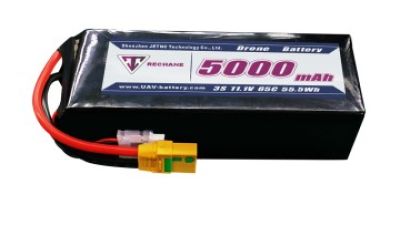
When it comes to enhancing your FPV (First Person View) drone experience, the choice of battery plays a pivotal role in ensuring optimal performance. The JENTC 3s 5000mAh 65C lithium polymer battery is a standout option for UAV enthusiasts seeking reliable power and longevity. With a nominal voltage of 11.1V and a semi-solid state design, this battery not only provides stable output but also minimizes the risk of performance degradation during intense flights. A recent industry analysis highlights that a high-discharge battery like the JENTC can significantly improve drone agility and response times, making it a crucial component for both recreational and professional applications.
The adaptability of this Lithium Polymer (LiPo) battery is further enhanced by its compliance with key international standards such as RoHS, CE, and FCC. This certification ensures that the battery meets rigorous safety and environmental guidelines, which is essential in today’s market that increasingly prioritizes sustainability. Moreover, the JENTC battery supports custom assembly and branding, allowing manufacturers to tailor the power solutions to specific drone designs or user needs. Reports suggest that the global demand for such customizable battery solutions is on the rise, driven by an increase in both recreational drone usage and commercial applications such as aerial photography and agricultural monitoring.
In conclusion, investing in a high-quality FPV battery is integral to maximizing your drone's potential. By selecting a battery that offers robust features and ensures compliance with safety standards, users can experience enhanced flight times and responsiveness, ensuring that their aerial adventures are both thrilling and reliable. As the drone industry continues to innovate, the importance of selecting the right power source cannot be overstated.
FAQS
: Difficulty starting the engine and slow cranking sounds are common signs. Dimming headlights may also indicate a problem.
Corrosion appears as a whitish powder on battery terminals. It can impact the battery’s performance significantly.
A sulfur-like smell may indicate a leak. It’s essential to check your battery immediately for any issues.
Consider replacing your battery if it is over three years old. It might appear fine but could be weakening internally.
A BMS monitors voltage, current, and temperature. It helps prevent overcharging, extending the battery's lifespan.
Implementing a BMS can be complex. Users may overlook features, missing chances for improved battery maintenance.
Routine checks are crucial. Neglecting battery maintenance can lead to unexpected failures in performance.
Cleaning battery terminals can significantly help. Dust and corrosion should be removed to maintain optimal performance.
Being proactive prevents common battery issues. Assuming a battery will last without care can lead to sudden failure.
Regularly monitor performance data, voltage, and temperature. This helps identify potential issues early on.
Conclusion
Car batteries are essential components for vehicle performance, and understanding their lifespan and influential factors is critical for any car owner. By choosing the right type of battery designed for longevity and adhering to regular maintenance tips, you can significantly extend the life of your car batteries. Environmental factors such as temperature also play a vital role, as extreme conditions can negatively impact battery performance.
Additionally, recognizing the signs of a failing battery is crucial in determining when a replacement is necessary. It’s advisable to implement best practices for charging, ensuring optimal conditions for battery health. Furthermore, utilizing battery management systems can help monitor performance and enhance battery life, ultimately contributing to a more reliable driving experience. By following these guidelines, you can maximize the efficiency and lifespan of your car batteries.