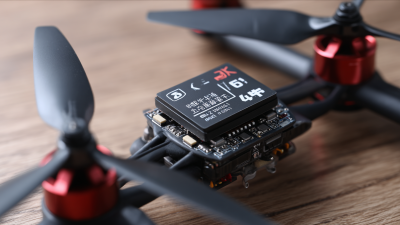
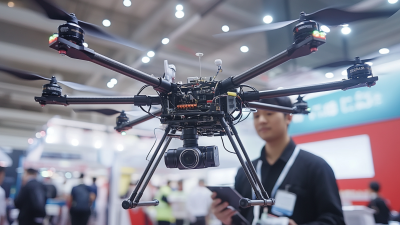
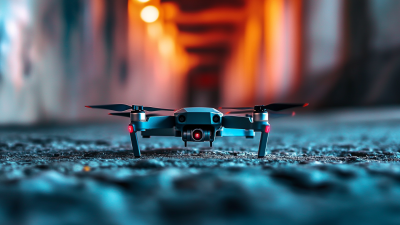
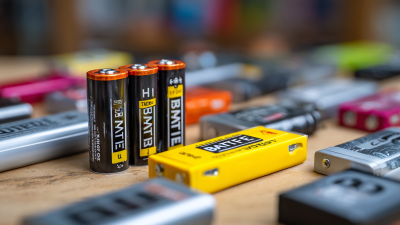
You know, the drone manufacturing scene has really exploded in the past few years! It's pretty wild to think that the market might hit a whopping $43 billion by 2024, according to the FAA. With so many folks looking for high-performance drones these days, picking a solid manufacturer is key—especially when it comes to something as critical as the size of the drone battery, like that 5-inch one. Take Shenzhen Jentc Technology Co., Ltd., for instance. They've been in the game since 2011, specializing in advanced lithium Battery Solutions, and they've really made a name for themselves with their reliable high-voltage and fast-charge options. Understanding the nitty-gritty of battery specs and what manufacturers can really do is super important for companies. It all helps them make the best choices to boost their products' performance and reliability on the global stage.
You know, in today’s ever-connected world, getting the right import and export certifications is super important. It’s all about making sure that products live up to the regulatory standards and quality people expect. This is especially true for high-tech stuff like drone manufacturing, where safety and performance matter a lot. For manufacturers aiming to take their products from China to a global audience, scoring those certifications isn't just a badge of honor; it also makes it way easier to break into international markets. Different countries often have their own paperwork requirements to ensure that what they put out there is safe to use and checks all the regulatory boxes.
And let's not forget places like Costa Rica and Uganda—they really highlight the unique hurdles and opportunities that come with global trade. Smaller economies with tight budgets can really tap into the power of strategic export certification to boost their products on the world stage. Take India, for example. With the right trade policies in place, businesses can really enhance their export potential and compete globally like pros. At the end of the day, figuring out the maze of import and export rules is crucial for manufacturers who want to excel in production and make their mark in the market.
You know, the demand for Drone Batteries, especially those 5-inch ones, is really taking off. More and more industries are jumping on the UAV bandwagon for everything from surveillance to logistics. Recent market reports are saying that the global drone battery market could hit around USD 3 billion by 2027, which is pretty impressive, right? They're estimating a growth rate of about 12.5% each year! A big part of why this sector is booming is because certification plays a vital role in making sure the products are safe and up to snuff throughout the supply chain.
Now, if you haven't heard of Shenzhen Jentc Technology Co., Ltd., they're really leading the charge in this area. Since they started back in 2011, they've been cranking out high-performance lithium battery solutions specifically designed for drones. Their lineup includes some cool stuff, like those 4.4V high-voltage batteries and super fast-charge lithium batteries. And let's not forget about the certifications like ISO 9001 and IEC 62133 – those make a huge difference! They build trust with both manufacturers and consumers alike. Certification helps make supply chains smoother, cuts down risks, and boosts reliability for drone operations. When manufacturers get the right certifications, they can meet global standards, which not only helps with exports but also strengthens the international supply chain for drone batteries. It’s a win-win!
You know, when we talk about drone technology, especially the batteries that power these flying machines, it's pretty interesting how strict the manufacturing standards are in China. They’ve got to follow some tough certification rules to make sure everything's safe, performs well, and doesn’t harm the environment. You've probably heard of names like the International Electrotechnical Commission (IEC) and Underwriters Laboratories (UL) – these guys are big players in the certification game, and Chinese manufacturers are keen to get their stamp of approval. Oh, and get this: a report from ResearchAndMarkets popped up last year, predicting that the global drone battery market is set to explode, going from a cool 1.2 billion bucks in 2021 to around 3.2 billion by 2026. Lithium polymer (LiPo) batteries are really stealing the spotlight because they're lightweight and pack a punch in terms of energy density, especially in those popular 5-inch size drones.
Plus, sticking to quality management standards like ISO 9001 helps these manufacturers keep their game on point, making sure their products are reliable and consistent. A study from the China Battery Industry Association just came out, revealing that more than 75% of battery manufacturers in China have bagged these crucial certifications. That’s definitely a boost for their standing on the global stage! As more people get hooked on drones, sticking to these certification standards isn’t just about following the rules. It’s also about making sure customers feel good about the safety and performance of the drone battery systems coming out of China.
You know, in the fast-paced world of drone manufacturing, sticking to international certification requirements is super important. These standards aren’t just about quality and safety; they really help build brand credibility across the globe. For manufacturers over in China looking to break into international markets, being compliant shows they’re serious about excellence. It helps them earn trust, not just from consumers but from business partners too. When a company gets certifications like ISO, CE, and RoHS, it clearly shows they focus on thorough testing and top-notch quality controls, which leads to better product performance in the long run.
Plus, meeting these requirements really opens doors to bigger markets and makes it easier to get in. International buyers usually want to invest in products that hit those recognized standards since it lowers the risk of recalls and keeps everything running smoothly. Take the best 5-inch drone batteries, for instance. Their design and manufacturing process not only meets safety regulations but also boosts performance for all sorts of applications around the world. So, manufacturers who have certified products are definitely in a better spot to compete and succeed in the ever-changing drone tech arena.
You know, Chinese manufacturers are really up against some tough challenges when it comes to navigating all those complex certification processes. It’s becoming pretty clear that as they try to compete on a global scale, these hurdles get in the way. On one hand, there's a growing demand for cool products like those 5-inch drone batteries. But on the flip side, manufacturers also have to jump through hoops to meet international standards, which can be super time-consuming and expensive. And now with new measures coming in about personal information protection, things are only going to get trickier. They really need to adapt quickly if they want to keep access to the market.
To tackle these issues head-on, manufacturers might want to think about setting up solid internal quality systems. This isn’t just about checking the certification boxes; it actually helps improve the overall quality of their products too. Plus, getting in touch with certification bodies right from the development stage can really speed up the approval process and help get products to market faster.
And let's not forget, investing in advanced manufacturing technologies can really ramp up both compliance and productivity. Focusing on sustainability—like using resources more efficiently and cutting down on waste—will help them meet regulations and also appeal to consumers who are more eco-conscious. By embracing these strategies, manufacturers can really set themselves up to thrive as the global trade landscape keeps evolving.
You know, the drone industry is really taking off – pun intended! It’s crazy how fast things are changing. With all this demand for cool new tech, certification and manufacturing processes are having to evolve right alongside it. Drones are finding their way into all sorts of industries these days, from capturing stunning aerial photos to revolutionizing farming. Because of that, we need some solid standards in place to keep things safe and performing well.
Looking ahead, it seems like we’re going to see even tougher certification requirements. It's not just about the technical bits, like that popular 5-inch battery size we keep hearing about. It's also about making sure everything is in line with environmental rules and using materials that don’t harm the planet. So, manufacturers really need to be on their toes, thinking outside the box and picking up certifications that represent both top-notch quality and responsibility towards our environment.
And let’s not forget – it’s super important for manufacturers to team up with regulatory bodies. This cooperation is key to building an environment where innovation can thrive while still keeping safety and reliability in check. Pushing for global standards in certification is a big deal, too. It’s going to simplify the manufacturing process and boost international trade of drone tech, especially when it comes to standout items like those sleek 5-inch batteries.
All these changes are not just about better performance, they’re also making for a more sustainable way of manufacturing. All in all, as manufacturers latch onto these trends, we’re bound to see some big shifts in how drones are built, certified, and used on a global scale. Exciting times ahead!
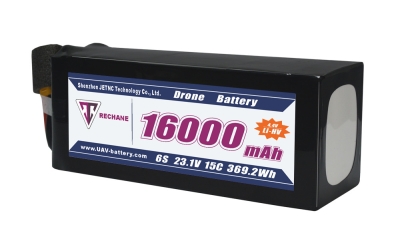
Maximizing your drone's potential requires the right battery, and the JENTC 6s 16000mAh Lithium-Polymer Battery is truly a game changer for aerial adventures. With a robust 22.8V output and an impressive capacity of 16000mAh, this semi-solid lithium polymer battery ensures your drone operates efficiently for extended flight times. Recent industry reports indicate that battery life is one of the leading factors that influence consumer satisfaction with drone performance, with studies showing that users prefer prolonged flight durations for both recreational and professional applications.
The JENTC battery is not just about power; it's backed by rigorous safety certifications, including RoHS, CE, and FCC, providing users with peace of mind regarding quality and compliance. As drone technology continues to evolve, the demand for high-capacity batteries will skyrocket. In fact, a market analysis predicts that the global drone battery market is expected to grow at a CAGR of 12.4% from 2021 to 2026, further underlining the necessity for dependable power solutions like the JENTC 16000mAh battery.
Moreover, JENTC understands the unique needs of its customers. The battery supports customization options, allowing businesses to incorporate bespoke branding on the batteries, alongside tailored packaging elements. This flexibility, combined with warranty terms ranging from 3 months to a year, positions the JENTC battery as a reliable choice for drone enthusiasts and professionals looking to elevate their aerial experiences. Investing in the right power source not only enhances performance but also ensures that your adventures take flight without interruption.
: Import and export certification is crucial for ensuring products meet regulatory standards and quality expectations, facilitating smoother entry into international markets, and enhancing the credibility of manufacturers.
High-tech industries, such as drone manufacturing, benefit significantly from import and export certification, as safety and performance are critical in these sectors.
Key certifications for drone battery manufacturing in China include the International Electrotechnical Commission (IEC) and Underwriters Laboratories (UL), along with adherence to ISO 9001 for quality management systems.
Strategic export certification can elevate products from small economies, like Costa Rica and Uganda, enabling them to compete in the global market despite limited resources.
Future trends include more stringent certification requirements focusing on environmental compliance, sustainable materials, and enhanced collaboration between manufacturers and regulatory bodies.
The global drone battery market is projected to grow from USD 1.2 billion in 2021 to USD 3.2 billion by 2026, with lithium polymer (LiPo) batteries leading due to their lightweight and high energy density.
Over 75% of Chinese battery manufacturers have achieved vital certifications, which enhances their international competitiveness and assures consumers of safety and efficiency.
Collaboration is essential for creating an ecosystem that fosters innovation while ensuring safety and reliability in the manufacturing processes of drone technology.
The future of drone manufacturing will increasingly emphasize compliance with environmental regulations and the use of sustainable materials, leading to a more responsible manufacturing approach.
Adherence to rigorous certification standards instills consumer confidence regarding the safety and efficiency of products, such as drone battery systems, manufactured in China.