In today's world of remote-controlled gadgets, drones, and electric cars, the performance and lifespan of your LiPo batteries really matter if you want everything to run smoothly. Lithium Polymer batteries, or LiPo for short, are super popular because they’re lightweight and pack a lot of energy into a small space—perfect for thrill-seekers and pros alike. But here’s the thing: to get the most out of these powerful batteries and make them last longer, you’ve gotta keep up with some simple maintenance tips.
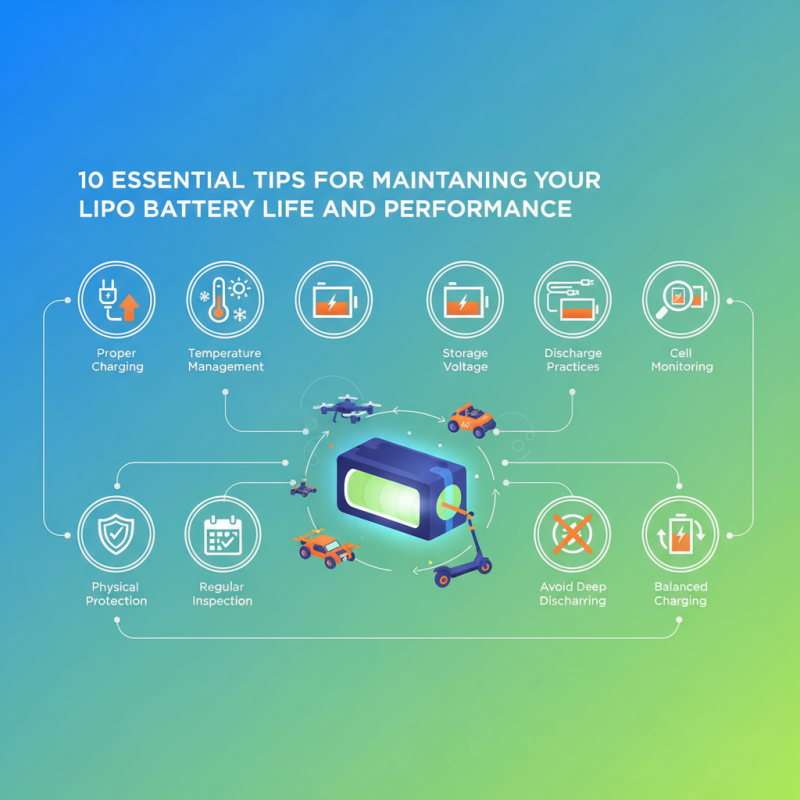
Knowing the basics of how to care for your LiPo batteries can make a big difference in how well they work and how long they stick around. So, in this guide, I’ll walk you through ten key tips that will help you take good care of your batteries. We’ll talk about the right way to charge them, how to store them properly, managing temperature, and discharging them the right way—stuff that’ll help you get the most bang for your buck. Follow these tips, and not only will your batteries last longer, but your devices will also perform at their best. That means better experiences every time you turn them on—pretty awesome, right?
Understanding LiPo Batteries: Basics and Importance
LiPo batteries, or lithium polymer batteries, are a prevalent choice in the world of electronics, particularly in remote-controlled devices and drones. Understanding the basics of LiPo batteries is essential for optimizing their performance and longevity. These batteries have a lightweight design and high energy density, making them ideal for applications that require high discharge rates and compactness.
However, their unique chemistry also means they require careful handling and maintenance. The importance of LiPo batteries extends beyond their efficiency; they are sensitive to charging and discharging conditions. Over-discharging can lead to irreversible damage, while overcharging can pose safety risks.
Therefore, understanding the proper voltage levels and the significance of using compatible chargers is critical. Additionally, maintaining a stable temperature range during usage and storage is crucial to ensure that these batteries perform at their best and have a long lifespan.
Recognizing these aspects will help users maximize the use of their LiPo batteries, ensuring safety and efficient operation in various applications.
Optimal Charging Practices for Longevity
When it comes to maintaining the life and performance of your lithium polymer (LiPo) battery, optimal charging practices play a critical role. According to industry studies, charging LiPo batteries at higher voltage levels can lead to overheating and degradation. It’s essential to use a balanced charger that monitors each cell’s voltage to ensure equal charge distribution, which can significantly extend the battery's lifespan. A well-regulated charging process can help mitigate risks of swelling and increased internal resistance, which are critical factors in battery longevity.
One important tip for optimal charging is to avoid charging at extremes. Charging your Lipo Battery in temperatures outside the recommended range (generally between 20°C to 25°C) can jeopardize its performance. In addition, conducting charging at a rate higher than 1C can produce excess heat, impacting the overall health of the battery. A study by the Battery University found that following proper charge rates can increase cycle life by up to 30%, highlighting the importance of adhering closely to these standards.
Furthermore, to maximize battery health, it’s vital to disconnect the battery once it is fully charged and allow it to cool before any further use. Regularly monitoring the battery's health, keeping it at a stable state of charge around 3.8V - 4.2V for storage, and periodically performing cell balancing can lead to significant improvements in both longevity and performance.
Discharging Your LiPo: Best Practices and Limits
When it comes to maintaining the lifespan and performance of your LiPo batteries, understanding the right practices for discharging them is crucial. LiPo batteries typically operate optimally within a voltage range of 3.7V (nominal) to 4.2V (fully charged). Experts recommend keeping the discharge rate no lower than 3.0Vper cell to prevent irreversible damage and degradation. According to industry reports, consistent discharging below this threshold can lead to diminished capacity and shorter overall battery life. Monitoring youR Battery's voltage during use and utilizing tools such assmart chargers can help in adhering to these critical limits.
In practice, it's essential to make discharging a controlled process rather than a haphazard one. Many seasoned hobbyists suggest implementing a "cut-off"system that prevents your battery from discharging below the recommended voltage. Data shows that Batteries Subjected to frequent deep discharges, defined as going below3.0V, can experience capacity losses of up to 20% over time. By gradually discharging within the safe voltage limits and avoiding maximum load draw on the battery, users can significantly enhance the longevity and reliability of their LiPo cells, leading to better performance in applications such as remote-controlled vehicles and drones.
Storage Conditions: How to Store LiPo Batteries Safely
When it comes to storing LiPo batteries safely, the conditions play a crucial role in maintaining their performance and longevity. First and foremost, the environment should be cool and dry. High temperatures can lead to damage and potentially cause the battery to swell or leak, while excessive moisture can increase the risk of short circuits. Ideally, LiPo batteries should be stored in a temperature range of 32°F to 77°F (0°C to 25°C). Utilizing a storage bag designed for LiPo batteries can provide an extra layer of protection against accidental punctures and fires.
Furthermore, it is essential to store LiPo batteries at an appropriate charge level. Keeping them at a voltage of around 3.7V per cell is optimal for long-term storage. This voltage minimizes stress on the battery cells, preventing degradation over time. Regularly checking the voltage and ensuring that they are not left fully charged or completely depleted will help extend their life. Additionally, storing the batteries in a fireproof container and away from flammable materials adds an extra level of security, allowing for peace of mind while ensuring that your LiPo batteries remain safe and ready for use when you need them.
Temperature Management: Keeping Your Batteries Cool
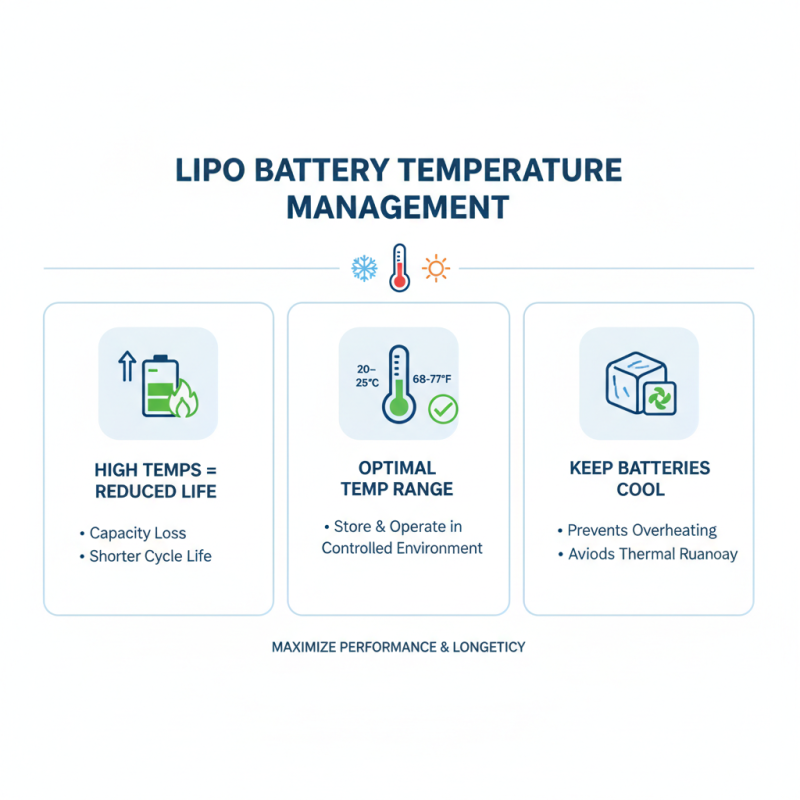
When it comes to maximizing the lifespan and performance of your lipo battery, temperature management plays a critical role. High temperatures can excessively heat the battery, leading to reduced capacity and cycle life. Keeping your batteries cool is essential to maintaining optimal performance. One effective practice is to store and operate your batteries in a controlled environment where the temperature remains within the recommended range. Ideally, lipo batteries should be kept between 20-25°C (68-77°F) to prevent overheating and thermal runaway.
In addition to storing your batteries in a cool location, utilizing cooling solutions during use can provide an extra layer of protection. Fans or cooling pads can help dissipate heat during high-drain applications, ensuring that the battery operates at a safe temperature. Furthermore, it’s important to monitor battery temperature during charging and discharging. If you notice excessive heat, it’s advisable to pause and allow the battery to cool down before continuing use. By proactively managing temperatures, you can significantly enhance the safety, longevity, and efficiency of your lipo batteries.
Routine Maintenance: Inspecting and Caring for Your Batteries
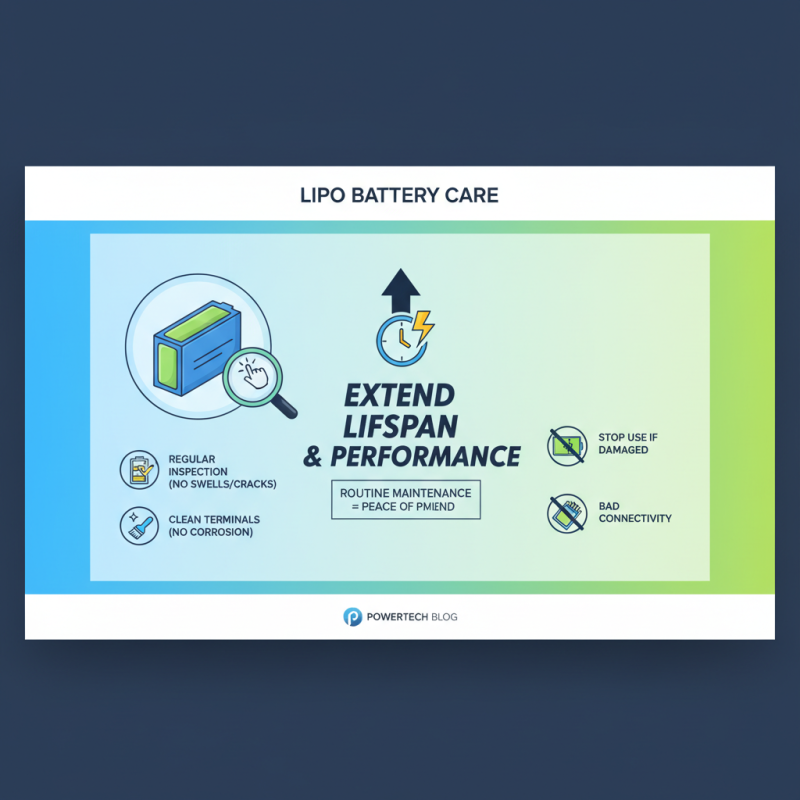
Routine maintenance is crucial for extending the life and performance of your lipo batteries. Regularly inspecting your batteries can help detect issues before they lead to significant problems. Begin by checking the battery casing for any signs of swelling, cracks, or damage. A damaged casing could indicate that the battery is compromised and may pose safety risks. Always ensure that the battery terminals are clean and free from corrosion, as dirt and grime can impede connectivity and overall performance.
Another important aspect of caring for your lipo batteries is to monitor their storage and charging conditions. Store your batteries in a cool, dry place, away from direct sunlight and extreme temperatures. It’s beneficial to check the voltage levels of your batteries periodically; maintaining them within the recommended voltage range will optimize their lifespan. When charging, utilize a designated charger that regulates voltage and current to prevent overcharging. Following these routine maintenance practices will not only enhance your batteries' performance but also contribute to safer usage and longevity.
Signs of Damage: Recognizing When to Replace Your LiPo Battery
Recognizing when to replace your LiPo battery is crucial for ensuring both safety and performance. Common signs of damage include physical deformities such as swelling or puffing, which indicate that the battery's internal chemistry has deteriorated. According to a report from the American Institute of Aeronautics and Astronautics, nearly 30% of LiPo battery failures occur due to overheating, often linked to damage that alters the battery's structure. If you notice any abnormal bulging or leakage of electrolyte material, it is imperative to discontinue use immediately, as such conditions can lead to catastrophic failures.
Another key indicator of a failing LiPo battery is a significant drop in performance, including reduced flight times or diminished power output. Research conducted by the International Journal of Energy Research highlights that a battery's capacity can decline significantly after just 300 charge cycles if not properly maintained, resulting in a performance reduction of up to 30%. Regularly checking the battery voltage after each use is also important; a voltage lower than 3.3 volts per cell signifies that the battery may be reaching the end of its life. Monitoring these signs will not only extend the overall lifespan of your LiPo batteries but also enhance the safety of your electric devices.
Conclusion
LiPo batteries are essential components in various electronic devices, and understanding their basics and importance is crucial for optimizing performance. To extend the life of your LiPo battery, it is vital to follow optimal charging practices, discharge within recommended limits, and store them under safe conditions. Keeping batteries cool and managing temperature fluctuations significantly contributes to their longevity.
Routine maintenance, including regular inspections, can help identify signs of damage early on, ensuring safety and performance. By recognizing when to replace a LiPo battery, users can avoid potential hazards and maintain their devices effectively. Implementing these best practices will undoubtedly enhance battery life and performance, making it essential for any user handling LiPo batteries.