When you're picking out a Surveillance Drone Battery, there are a few things to keep in mind. The right battery can really make a difference in how well your drone performs and how long it lasts. It's pretty important to understand the specs—look for one that strikes a good balance between weight and capacity. Too heavy, and your drone might not fly as long or handle as smoothly.
Also, don't overlook the manufacturer. Brands like DJI and Parrot are pretty dependable, but sometimes lesser-known brands can surprise you with a good product too. So, take your time to do some homework—reading reviews, checking reliability, and performance can save you headaches down the line. Trust me, it’s worth the extra effort.
And a quick heads-up: make sure the battery you choose actually fits your drone. Not All Batteries are compatible, and an ill-fitting one can cause all sorts of flight issues. So double-check those specs! Oh, and be prepared to spend a little more if you want quality. Going cheap might save you some cash upfront, but it could end up costing more if it doesn’t last or causes problems. Basically, finding the perfect Surveillance Drone Battery is all about balancing quality, price, and making sure it’s the right fit for your drone.
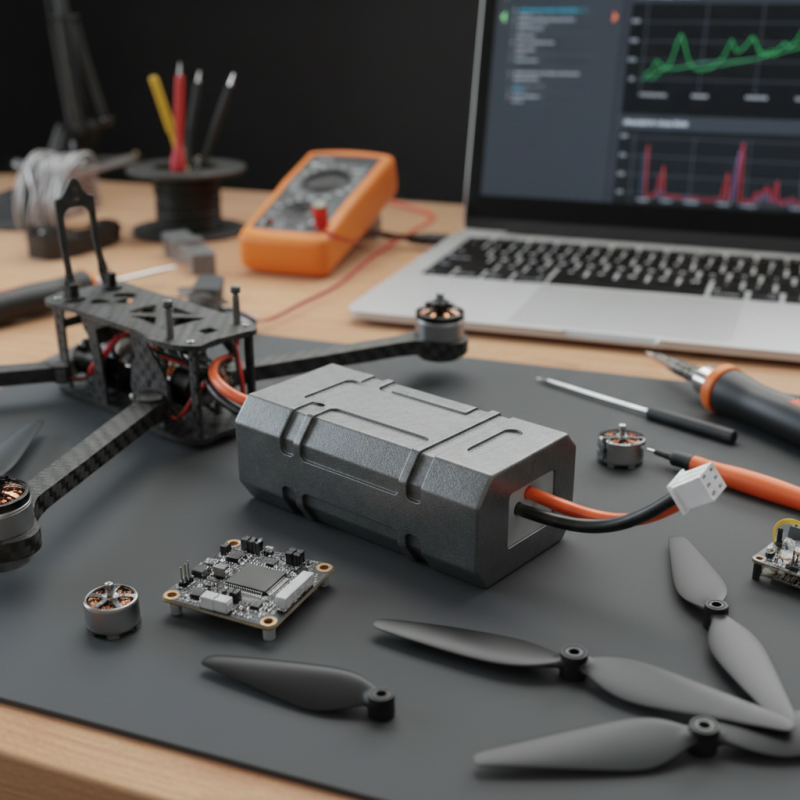
Choosing the right drone battery is crucial for optimal performance. Each mission requires a specific energy capacity. A battery's voltage affects your drone's ability to fly efficiently. High-quality batteries deliver better duration and reliability. However, some may underestimate this during selection. A battery that doesn't meet your drone's specs can lead to flight failures.
When sourcing batteries, consider the discharge rate. A high discharge rate may enhance performance in demanding situations. But, it's important not to ignore capacity. A balance between these factors ensures longevity. Often, buyers focus only on price. This can lead to regrettable choices later. Remember, pooR Battery decisions can compromise safety.
Always verify compatibility with your drone model. Dimensions and connectors must align perfectly. Delays or interruptions in flight can result from improper fittings. It’s easy to overlook these small details. Aim for thorough research before purchasing. The right choice enhances overall efficiency. Explore options like "Battery Plus Battery" to compare different types. Understanding these aspects can significantly improve your drone operations.
| Battery Type | Voltage | Capacity (mAh) | Weight (g) | Charge Time (hrs) | Estimated Flight Time (mins) |
|---|---|---|---|---|---|
| LiPo | 14.8V | 5000 | 400 | 1.5 | 25 |
| Li-Ion | 11.1V | 4000 | 350 | 2.0 | 20 |
| LiFePO4 | 12.8V | 6000 | 450 | 2.5 | 30 |
| LiPo | 22.2V | 10000 | 800 | 3.0 | 40 |
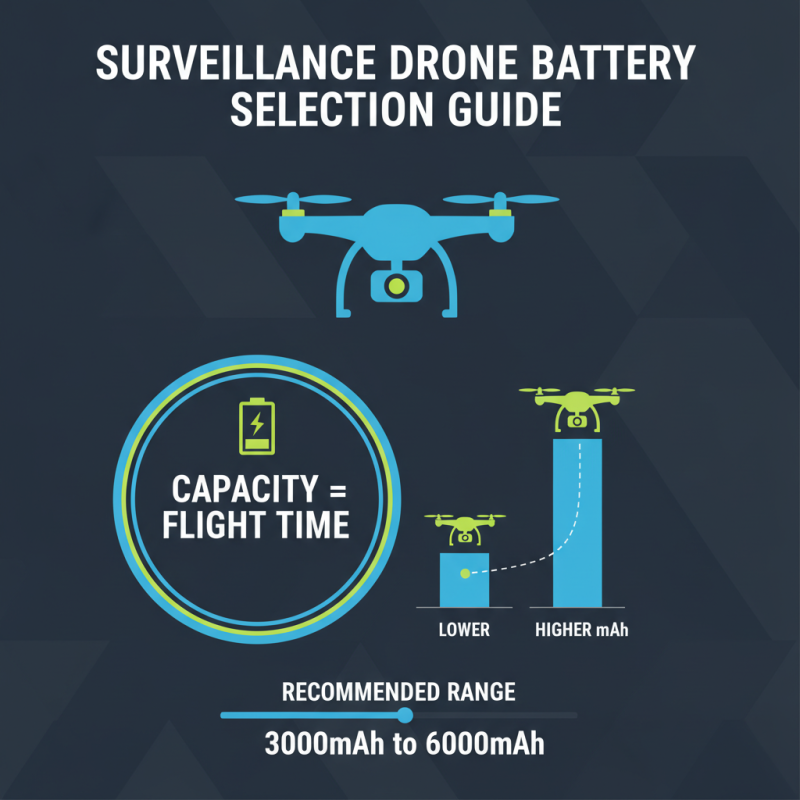
When choosing a battery for surveillance drones, several key specifications should be top of mind. Capacity is critical. It determines how long the drone can stay in the air. A battery with a higher capacity offers more flight time, which is crucial for surveillance tasks. Typically, capacities are measured in milliamp hours (mAh). Look for batteries in the range of 3000mAh to 6000mAh for good performance.
Voltage is another important factor. Most surveillance drones operate at 11.1V to 22.2V. Ensure the battery voltage matches your drone’s requirements. Otherwise, performance issues may arise. Pay attention to the discharge rate too. A higher C-rating means the battery can deliver power more quickly. This is vital for drones that require quick take-offs or sudden maneuvers. Keep in mind that a battery with a high discharge rate may not last as long as a standard one.
Lastly, consider the battery's weight. A heavier battery can affect flight stability and control. Balance is essential for precise navigation during surveillance. Also, be aware of the battery's construction. Materials and design can impact durability and safety. Investing time in understanding these specifications can lead to better decision-making in the long run. Always think critically about your choices and adapt based on your drone's unique needs.
When selecting a battery for surveillance drones, understanding the types available is crucial. Lithium Polymer (LiPo) is a popular choice due to its lightweight and high energy density. These batteries provide extended flight times, allowing for longer surveillance missions. However, they can be sensitive to temperature changes. Users must be cautious during charging and discharging to avoid damaging the cells.
Another option is Lithium-Ion (Li-ion) batteries. They offer durability and have a longer lifespan compared to LiPo batteries. Li-ion packs may be heavier but provide steady power output. This consistency can enhance the drone's performance. Yet, one must consider the physical size of the Battery Pack Battery. Selecting a battery that fits properly is vital for maintaining drone balance.
Nickel-Metal Hydride (NiMH) batteries are also used in some surveillance drones. They are less common but can be resilient in various conditions. However, they typically offer lower energy density than LiPo and Li-ion batteries. This can lead to shorter operation times. Reflecting on these options, it’s essential to match the battery type with the intended drone use. Ultimately, careful consideration can significantly impact performance and reliability.
When selecting the right battery for surveillance drones, evaluating capacity and runtime is crucial. Battery capacity is measured in milliamp hours (mAh). A higher mAh rating usually translates to extended flight time. For example, batteries with a capacity of 3000 mAh can offer around 20 to 30 minutes of flight time. This data is critical for professionals relying on drones for tasks like surveillance or mapping.
The runtime of a drone battery significantly impacts efficiency. If a battery lasts only a few minutes, completion of tasks becomes challenging. A report indicated that drone operators prefer batteries providing at least 25 minutes of flight time to avoid frequent battery replacements. A lesser runtime might frustrate users and limit operational capabilities.
While searching for power solutions, don't overlook battery replacement issues. Not all drones accommodate easy battery swaps, leading to downtime. Evaluating the ease of battery replacement becomes essential in maintaining workflow. It's valuable to think about these details beforehand. Investing in the right capacity and runtime can dramatically enhance a drone's performance.
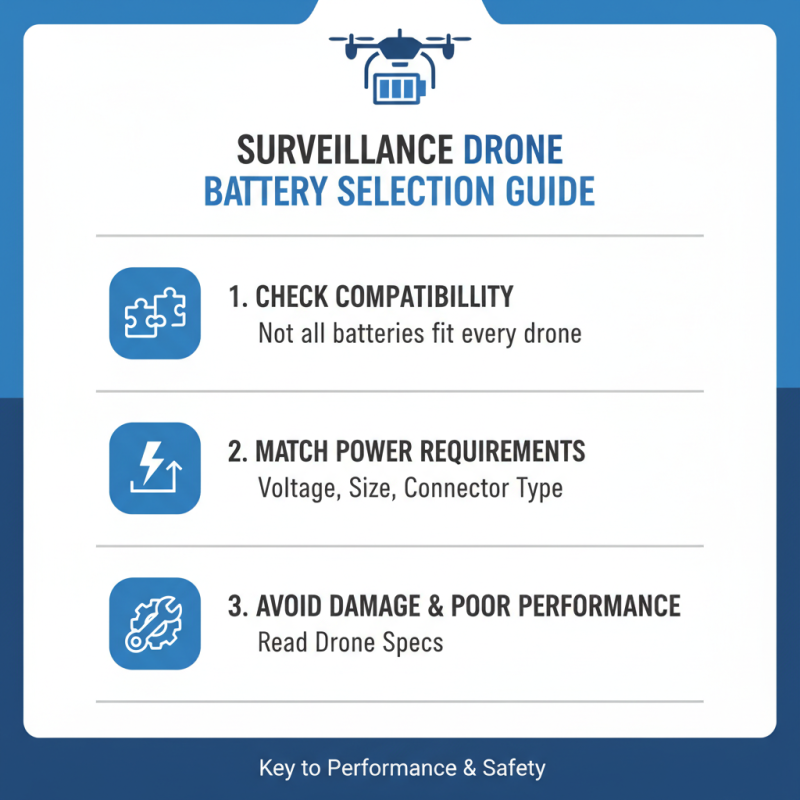
When selecting a surveillance drone battery, compatibility is key. Not all batteries fit every drone model. Each drone has unique power requirements. A mismatch can lead to poor performance or damage. Start by checking the specifications of your drone. Look for voltage, size, and connector types. Understanding these details is crucial.
Take time to compare different battery options. The battery’s capacity affects flight time. A higher capacity may seem better, but it can also add weight. Weight impacts flight stability and maneuverability. Sometimes, you might face challenges finding the perfect fit.
In addition, consider the battery's lifespan. Batteries degrade over time. A worn-out battery can limit your drone's capabilities. Be wary of cheaper alternatives. They might save money but often compromise on quality. Always prioritize safety and performance in your choices. Choosing the right battery for your surveillance drone is like finding the right Battery Car Battery Car. It requires careful consideration and research.
When sourcing wholesale surveillance drone batteries, supplier reputation is critical. Over 70% of buyers prioritize credibility. They research past performance and customer reviews. A trustworthy supplier ensures quality materials. This can prevent potential failures in the field.
Battery sourcing requires careful scrutiny. Look for suppliers with industry certifications. Verification of these documents builds confidence. Reports show that companies with strong quality assurance practices have 30% lower failure rates. This data highlights the importance of due diligence in supplier selection.
Don’t overlook supplier communication. Quick responses to inquiries show reliability. Miscommunication can lead to costly mistakes. Be aware of suppliers who promise too much without evidence. A cautious approach will protect your investment in the long run.
When selecting a battery for surveillance drones, cost and performance are crucial. Many reports indicate that lithium-polymer (LiPo) batteries are dominant in this field. They provide high energy density and a lightweight solution but can be costly. A recent analysis shows that a typical LiPo battery for drones costs approximately $30-$200, depending on capacity.
Balancing cost and performance requires careful consideration. Lower-cost batteries may lead to shorter flight times. Performance drops can impact surveillance quality. Industry experts suggest a minimum capacity of 3000mAh for reliable drone operation. Higher-capacity batteries might sound appealing, but they also add weight. The trade-off between weight and battery capacity is vital.
Battery longevity is another critical aspect. Many users face degradation after just 100 charge cycles, leading to decreased efficiency. Monitoring battery health is essential in maximizing performance. It's not just about upfront costs. Long-term sustainability and reliability are also necessary. Finding the right balance can often feel like navigating a complex maze, often requiring numerous trials before finding satisfaction.
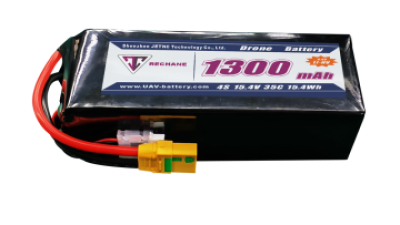
The advancements in drone technology are significantly influenced by the development of high-performance batteries. Among these innovations, the JENTC 4s 1300mAh LIHV semi-solid state battery stands out as a powerful energy source tailored for consumer electronics and drone applications. With a voltage rating of 14.8V and a capacity of 1300mAh, this battery ensures enhanced flight durations and operational efficiency. Expert reports indicate that lightweight lithium batteries are crucial, as they can drastically reduce the overall weight of drones, allowing for longer flight times and improved maneuverability.
The semi-solid state design of the JENTC battery offers numerous advantages over traditional batteries. It provides a higher energy density, which is vital for maximizing the time drones can spend in the air. Additionally, its certifications, including RoHS, CE, and FCC, ensure that it meets safety and environmental standards, making it a reliable choice for both hobbyists and professionals. The flexibility in assembly type (3S1P) and payment options further adds to its appeal, allowing users to tailor battery usage according to specific needs and preferences.
As the drone industry continues to grow—projected to reach a market value of over $43 billion by 2024—battery technology remains at the heart of this evolution. The performance enhancements offered by the JENTC battery contribute to the broader trend of integrating more efficient power solutions in the drone sector. This focus on sophisticated battery technology will likely shape the advancements and capabilities seen in future drone designs, ultimately expanding their applications across various fields.
: Focus on whole foods like fruits, vegetables, and grains. Avoid processed foods as much as possible.
Establish a consistent sleep schedule. Keep your bedroom dark and cool for better rest.
Try deep breathing or meditation. Physical exercise also helps reduce stress levels significantly.
Aim for at least 150 minutes of moderate exercise weekly. Include strength training twice a week.
Feelings of exhaustion and irritability can indicate burnout. Watch for a lack of motivation, too.
Connect with friends and family regularly. Engage in hobbies that bring you joy and relaxation.
Drinking enough water supports bodily functions. Aim for at least eight glasses daily for optimal health.
Practicing mindfulness helps increase awareness and focus. It may reduce anxiety and improve mood overall.
Set firm boundaries between work and personal time. Reflect on your priorities to maintain balance.
Strong relationships provide emotional support. They can improve your overall mental and physical health.
Choosing the right Surveillance Drone Battery is crucial for optimal drone performance, especially in surveillance applications. It's essential to understand key specifications such as battery capacity, runtime, and compatibility with specific drone models. The selection process should also consider the types of batteries commonly used in surveillance drones and how their characteristics affect operational efficiency.
Furthermore, evaluating supplier reputation and ensuring quality assurance are vital steps in sourcing batteries. Balancing cost and performance can significantly impact the overall efficacy of surveillance drones. By carefully assessing these factors, users can make informed decisions that enhance the reliability and effectiveness of their drone operations.