Picking out the right 650mAh drone battery really matters if you want your UAV to perform well and run smoothly. Especially these days, when Battery Tech is changing so fast, it’s kind of a big deal. I came across a report from the International Drone Market that said the demand for drone batteries could hit around $1.5 billion by 2025—that’s a huge jump and shows just how much folks need reliable, high-performance batteries. Shenzhen Jentc Technology Co., Ltd., which has been around since 2011, is pretty much leading the charge in this space. They offer all sorts of lithium batteries, including fancy ones with high voltage and quick-charging features. Choosing the right 650mAh battery isn’t just about how long your drone can stay up in the air—it also affects how dependable it is when you’re out in the field. As this market keeps growing, it’s super important for hobbyists and pros alike to get a good handle on what battery specs really matter. Trust me, a little knowledge here can go a long way in keeping your drone flying happy and trouble-free.
Key Factors Influencing 650mAh Drone Battery Performance
If you're trying to boost your drone's performance, picking the right 650mAh batteryis pretty important. There are a few key things to keep in mind—stuff like how quickly the Battery Discharges, how many times it can be charged and used before it starts to lose itsmojo, and how well it handles different temperatures. Getting a good grip on these factors can really help you make a smarter choice.
Here's a quick tip: watch out for the discharge rate, often shown as a C rating. Basically, a higher C rating means your drone will be faster and more responsive—super handy if you're into racing or just like that quick, agile feel.
Another thing to think about is the cycle life. That’s just a fancy way of saying how many times you can charge and drain the battery before it stops performing like it used to. Going for a battery that can handle more cycles will save you money and keep your flights smooth over time.
And don’t forget—temperature matters, too. Batteries that can handle a wider range of temperatures are less likely to give you headaches when the weather gets extreme. Picking the right 650mAh drone battery is really all about finding the right balance of these things so you can enjoy the best flying experience, no matter what.
Understanding Discharge Rates: How It Affects Flight Time and Power Output
When you're picking out a 650mAh drone battery, it’s really important to get what the discharge rates are all about — it’s key for getting the most out of your flights in terms of both duration and power. Basically, these discharge rates, often shown as 'C ratings,' show how much energy the battery can give relative to its size. Like, if you have a battery rated at 30C, it theoretically can deliver 30 times its capacity. Since our battery is 0.65A (or 650mAh), that means it can discharge about 19.5 amps (30 x 0.65). That’s the kind of thing that really influences how your drone performs—higher discharge rates mean it can handle more aggressive maneuvers and respond quicker.
But here’s the trick — if your battery discharges too fast, it might cut your flight time short and even cause overheating, which isn’t great for the battery’s lifespan. So, you’ve gotta find that sweet spot where performance and safety meet. Picking a battery with the right discharge rate for your flying style and drone type is what’s gonna give you that smooth, powerful flight and maybe even some extra fly time. It’s all about balancing what you want with what the drone can handle — simple as that.
5 Essential Tips for Choosing the Right 650mah Drone Battery - Understanding Discharge Rates: How It Affects Flight Time and Power Output
| Battery Type | Discharge Rate (C) | Max Continuous Current (A) | Flight Time (minutes) | Ideal for |
| LiPo | 20C | 13A | 6-8 | Racing Drones |
| Li-ion | 10C | 6.5A | 7-10 | Camera Drones |
| LiPo (High Discharge) | 30C | 19.5A | 5-6 | Freestyle Drones |
| LiHV | 15C | 9.75A | 8-12 | Long Range Drones |
| NiMH | 5C | 3.25A | 10-15 | Trainer Drones |
Analyzing Battery Cycle Life: Durability and Longevity in Drone Operations
When you're flying drones, one thing that really makes a difference is how long your battery lasts over time. That 650mAh battery? It’s built to hold a certain amount of power, but how well it keeps up depends a lot on how you take care of it. Charging it all the time, draining it completely, or leaving it sitting in storage for ages without using it—all of that can cut down its lifespan pretty quickly. So, whether you're a hobbyist or a pro, it’s super important to develop good habits when it comes to managing your battery if you want to get the most out of your investment.
If you want to squeeze the best performance out of your batteries, it’s worth splurging on good-quality ones that are designed for repeated use. Look for specs that mention a high number of charge cycles—those are the batteries that can handle more repeat charges without losing their mojo. Also, pay attention to how you charge. Avoid overcharging, and using a balance charger can seriously help extend your battery’s life. And don’t forget, keeping an eye on your battery’s health with regular checks can catch any issues early on, so you can swap it out before things go south, making sure your drone stays reliable and ready to go when you need it.
Comparing Voltage Ratings: Effects on Compatibility Across Drone Models
When you're choosing a 650mAh drone battery, one of the most important things to keep in mind is the voltage rating. Drone batteries come in different voltages like 3.7V, 7.4V, and 11.1V, and all of these can really affect how your drone performs. Generally, higher voltage batteries pack more punch, which can make your drone faster and give it better acceleration. But hey, it’s super important to make sure the battery’s voltage matches what your drone’s specs call for — otherwise, you risk messing up the electronics or worse.
Another thing to watch out for is whether the battery is actually compatible with your drone model. Some drones are built to work best with certain voltage levels, and putting in the wrong one can lead to poor performance or even failure mid-flight. Before you hit ‘buy,’ it’s a smart move to check your drone’s manual or the manufacturer’s specs. Doing this helps you avoid issues down the line, get more out of your battery, and enjoy longer, more fun flights. Understanding these little voltage details might seem small, but they can really help you make smarter choices and get the most out of your drone adventures.
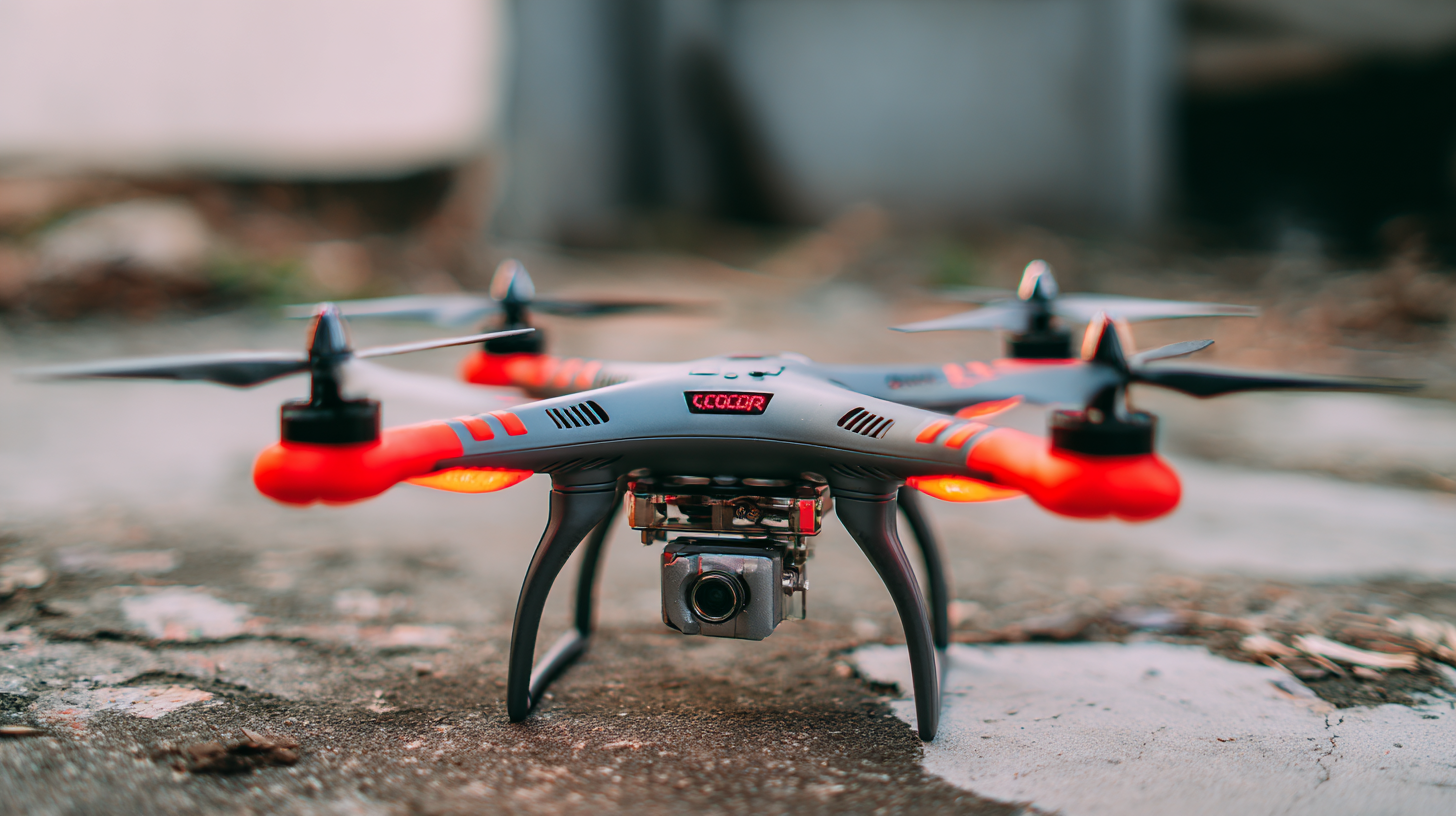
Evaluating Battery Chemistry: Choosing Between LiPo, Li-ion, and NiMH
So, you're looking into getting a 650mAh drone battery? Well, one thing to keep in mind is understanding what kind of chemistry the battery uses—that can make a pretty big difference. Basically, you'll run into three main types: Lithium Polymer (LiPo), Lithium-ion (Li-ion), and Nickel-Metal Hydride (NiMH). LiPo batteries are pretty popular, especially if you're into racing drones, because they are light and can put out a lot of power quickly. But here's the thing—handling and charging them needs to be done carefully, or you could run into safety issues or damaging the battery.
On the flip side, Li-ion batteries tend to last longer over multiple cycles and aren’t as picky about temperature swings, so they’re a good pick for casual flying. They don’t give you that explosive burst of power as quickly as LiPo batteries, but they’re a lot more stable and easier to manage. And then there are NiMHs—these are pretty tough, resistant to overcharging and quick discharges, but they’re usually bigger and don’t perform quite as well as the lithium-based options.
When you're choosing the right one, think about what you’re actually using your drone for and where you’ll be flying. If speed and agility are your thing, a LiPo might be the way to go. But if you prefer longer, more relaxed flights and want something easier to take care of, then a Li-ion could be your best bet. Just make sure whatever battery you pick works well with your drone, and it’s always smart to double-check the manufacturer’s recommendations—that way, you avoid any performance surprises down the line.
Exploring Weight vs. Power Trade-offs: Impact on Drone Agility and Range
When you're picking out a 650mAh drone battery, finding the right balance between weight and power is pretty key if you want your drone to be agile and fly farther. A lighter battery can really boost how easily your drone maneuvers and how quick it responds—especially in racing drones, where every ounce really does matter. I read in a report from Drone Industry Insights that lightweight batteries can bump up flight efficiency by as much as 20%. That means your drone can do tighter turns and respond faster to your commands. The tricky part? Lighter batteries usually pack less power, so your flight time might take a hit.
On the flip side, heavier batteries often mean more capacity, which translates to longer flights and the ability to carry extra gear or payloads. If you’re looking for some great options, Shenzhen Jentc Technology Co., Ltd. has some high-performance lithium batteries—think fast-charging and high-voltage stuff—that help deal with the whole weight versus power dilemma. Their latest lithium chemistry packs a punch with better energy density, so you can pick a battery that’s light enough but still offers solid performance. As the drone scene keeps growing, really understanding these trade-offs is gonna become super important—whether you’re just a hobbyist or a pro trying to push your aerial game to the next level.
FAQS
Matching the battery voltage to the drone specifications is crucial to avoid potential damage to the electronics and to ensure optimal performance.
The primary battery types to consider are Lithium Polymer (LiPo), Lithium-ion (Li-ion), and Nickel-Metal Hydride (NiMH), each with its advantages and disadvantages.
LiPo batteries are lightweight and can deliver high discharge rates, making them ideal for racing drones. However, they require careful handling and charging practices.
Li-ion batteries offer longer cycle life and are less sensitive to temperature fluctuations. They are stable and easier to manage compared to LiPo, but they don't provide power as quickly.
NiMH batteries are durable and provide excellent resistance to overcharging and discharging. However, they tend to be bulkier and offer lower performance than lithium options.
A lighter battery can enhance agility and responsiveness, improving flight efficiency. However, it may have lower power capacity, affecting overall flight time.
Lighter batteries improve maneuverability but may limit flight duration, while heavier batteries typically provide higher capacity for longer flights but can impact agility.
Consider whether you prioritize speed and agility (likely needing a LiPo battery) or longer flights and easier maintenance (potentially preferring a Li-ion battery).
Advanced lithium battery solutions offer optimized energy density, allowing users to choose batteries that fit weight requirements while maximizing overall performance.
Conclusion
When you're shopping for a 650mAh drone battery, there are a few key things you should keep in mind to get the best performance. First off, understanding discharge rates is pretty important because it directly affects how long your drone can stay in the air and how much power it has. This way, you can really squeeze the most out of your drone during those flights. Also, it's good to look into the battery's cycle life — basically, how many times it can be charged and used before it starts to lose efficiency. That’ll give you a good idea of its durability and whether it’ll keep performing reliably over time.
Another thing to consider is comparing voltage ratings to make sure the battery will work smoothly with your drone model. It’s also smart to check out different battery chemistries like LiPo, Li-ion, or NiMH — each has its own perks and downsides, so knowing these can help you pick what's best for your needs. And don’t forget about the weight-to-power balance — it’s a big deal because it can affect how nimble your drone is and how far it can fly. At Shenzhen Jentc Technology Co., Ltd., we’re all about high-quality lithium batteries for drones and other devices. Our goal is to help you find that perfect 650mAh drone battery that fits just right for whatever you’re up to.