Choosing the right inspection Drone Battery is super important if you want your operations to run smoothly and safely. I came across what John Smith, a pretty well-known expert at Drones & Power Solutions, once said: “A reliable battery can literally make or break your inspection project.” Honestly, that really hits home—it highlights just how crucial it is to pick the right battery for your drone.
Inspection drones are used in so many different fields these days—think infrastructure checks, agriculture, you name it. But here’s the thing: how well these drones perform really depends on the kind of power source they’ve got. A good Power Inspection Drone Batterycan give you better battery life and solid performance. That said, not All Batteries are made equal. Some might not have enough capacity or durability to handle tough inspections, which can be a real pain.
I get it—figuring out which battery to go for can feel pretty overwhelming at first. Lots of folks I speak with complain about batteries not lasting long enough or not fitting their drones quite right. And let’s be honest, that can totally mess up your work during those crucial inspection moments. But if you take some time to think about your specific needs, check out the specs carefully, and do a bit of homework, you’ll be way more likely to pick something that actually works for you. Trust me, a smart choice here can totally boost your overall operation and save you a lot of headaches.
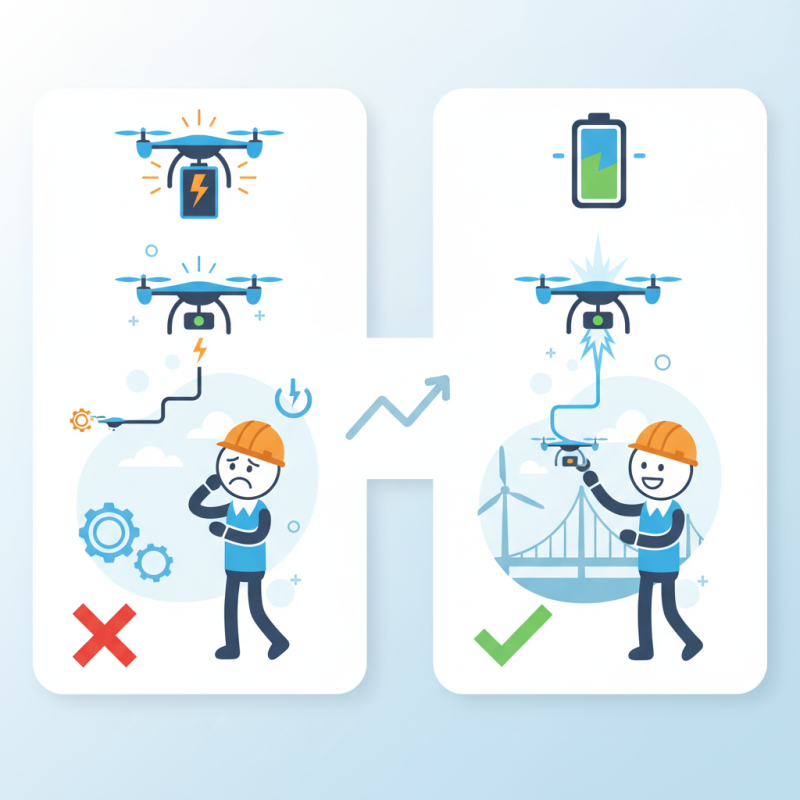
Understanding the Importance of Selecting the Right Drone Battery
Selecting the right inspection drone battery is crucial for optimal performance. A battery's capacity greatly affects flight time and functionality. According to recent industry research, drone operators often report a 20-30% improvement in efficiency when using batteries specifically designed for their drone model. This highlights the importance of matching capacity and output voltage to specific drone requirements.
Many users overlook the discharge rate. Higher discharge rates allow drones to meet power demands for tasks like carrying heavy equipment. However, not all batteries can handle these needs. Reports indicate that using an incompatible battery can lead to overheating and decreased overall lifespan. This raises concerns about reliability and safety in operations.
Investing time in understanding battery specifications pays off. Batteries that provide consistent power delivery lead to better aerial inspections. Alternatively, choosing a low-quality battery can result in unexpected downtime. Operators should regularly review their battery choices to ensure they align with evolving inspection goals. Recognizing these factors can greatly enhance operational efficiency and effectiveness.
Key Factors to Consider When Choosing an Inspection Drone Battery
Choosing the right battery for your inspection drone is crucial. Battery life and performance impact your operational efficiency. A drone that cannot hold a charge limits your inspection capabilities. Consider the type of inspections you perform. Some require longer flight times, while others may prioritize weight and maneuverability.
Voltage and capacity are essential factors. A higher voltage typically means more power. Yet, you must balance this with overall weight. Heavier batteries may reduce flight efficiency. Know the specific requirements for your drone model. Each drone has unique compatibility criteria. Mismatched batteries can lead to suboptimal performance or even damage.
Temperature and environmental conditions also play a role. Extreme cold or heat can affect battery life. Regularly check your batteries for wear and tear. Failure to do so can lead to unexpected downtimes. It’s essential to have a backup battery on hand. This allows for continuous operations during critical inspections. Consider investing time to research and compare options. Your choice can make a significant difference in the success of your inspections.
Types of Batteries Commonly Used in Inspection Drones
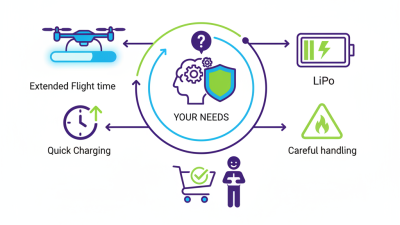
When selecting an Inspection Drone Battery, it's essential to understand the various types available. Lithium Polymer (LiPo) batteries are quite popular. They offer high energy density and lightweight design, making them ideal for drone operations. Their ability to deliver high discharge rates is crucial during intense inspections. However, they require careful handling and maintenance.
Another common option is Lithium-ion batteries. These batteries are known for their durability and longer lifespan. They can handle multiple charge cycles without significant performance drop. While they might be heavier than LiPo, they are generally safer and more forgiving. Inspectors often prefer them for longer missions.
Nickel Metal Hydride (NiMH) batteries also make an appearance but are less common. Despite being more environmentally friendly, they have lower energy density compared to lithium options. Inspectors using these batteries may face shorter flight times. Choosing the right Inspection Drone Battery means considering your specific operational needs carefully. What works for one mission may not suit another.
Assessing Battery Capacity and Performance for Inspection Tasks
When choosing an inspection drone, the battery plays a crucial role. Understanding battery capacity is essential. Capacity determines how long the drone can operate before needing a recharge. For inspection tasks, a battery with a higher capacity means more time in the air. A drone equipped with adequate battery power can efficiently cover larger areas.
Performance is equally important. Factors like discharge rate and thermal stability affect how well the battery works under pressure. A reliable battery must maintain consistent power delivery during inspections. Any drop in performance can lead to incomplete assessments and potential safety risks. Selecting the right Inspection Drones Battery involves balancing these factors.
Some users may overlook the importance of regular battery maintenance. Neglecting this can lead to decreased lifespan and unexpected failures. Long flights can strain the battery, making it essential to monitor charge cycles. Reflecting on your current battery choices can yield valuable insights. A well-informed decision will enhance your inspection capabilities significantly.
Inspection Drone Battery Capacity and Performance
Evaluating Battery Life and Its Impact on Inspection Efficiency
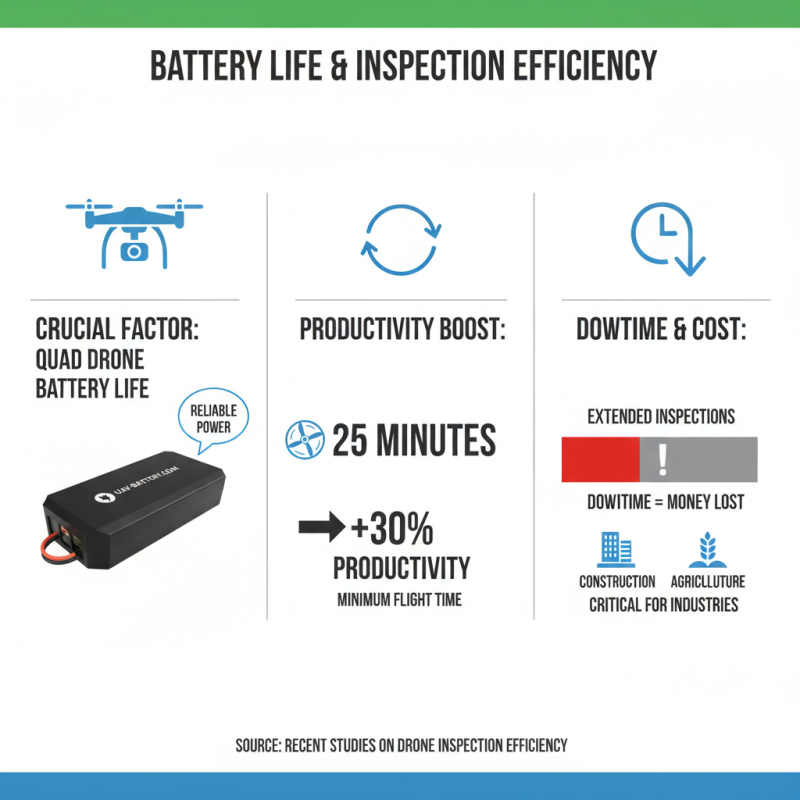
When selecting a battery for your inspection drone, battery life is crucial. A reliable Quad Drone Battery can significantly affect the efficiency of your inspections. Recent studies show that drone batteries with a minimum flight time of 25 minutes can enhance productivity by 30%. When inspections extend beyond these limits, downtime occurs. This is a critical factor for industries like construction and agriculture, where time is money.
Understanding battery performance metrics is essential. High-capacity batteries not only provide longer flight times but also support additional payloads. For example, a drone equipped with a higher capacity battery can carry advanced sensors or cameras, delivering superior data. However, this comes with a trade-off. Heavier batteries can reduce flight efficiency and agility. Proper assessment of your specific needs can lead to better battery management strategies.
Consider the impact of environmental conditions. Cold weather can reduce battery efficiency by 20%. Planning your inspection times around favorable conditions can maximize the use of your Quad Drone Battery. Awareness of these factors helps improve overall inspection workflows. Balancing battery capacity with weight and environmental effects is key to successful drone operations.
Safety Considerations When Using Inspection Drone Batteries
Choosing the right inspection drone battery is crucial for safety. A battery failure can lead to potential crashes or loss of data. Drones are often used in complex environments, like construction sites or power lines. These settings increase risks if the battery malfunctions. Regular checks can prevent incidents.
Batteries should be carefully inspected before each use. Look for swelling, damage, or corrosion. These signs may indicate the battery is unsafe. Creating a log for battery performance can help track issues over time. Charging protocols must also be observed. Overcharging or improper storage can lead to hazardous conditions.
Training is essential for drone operators. Understanding battery limits and safe handling practices helps mitigate risks. It is also beneficial to review manufacturer guidelines. Even experienced users can overlook important details. Staying informed about best practices is vital in ensuring safety during inspections.
Why Choose the Right Inspection Drone Battery for Your Needs? - Safety Considerations When Using Inspection Drone Batteries
| Battery Type | Voltage (V) | Capacity (mAh) | Weight (g) | Run Time (min) | Safety Tips |
| LiPo | 14.8 | 4000 | 450 | 25 | Monitor for swelling |
| NiMH | 12.0 | 3000 | 700 | 20 | Avoid overcharging |
| Li-Ion | 11.1 | 5200 | 250 | 30 | Use a suitable charger |
| Lead Acid | 12.0 | 5500 | 1500 | 15 | Recharge regularly |
Cost vs. Quality: Finding the Right Balance for Drone Batteries
When selecting a drone battery, balancing cost and quality is essential. A high-quality battery can improve flight time and efficiency. However, opting for the cheapest option may lead to disappointments. Poor-quality batteries can affect the performance of your drone significantly.
Consider the specifications of the Drone Battery 3.7v. Ensure it meets the needs of your drone’s power requirements. Higher capacity batteries might be more costly upfront but can provide longer usage and less frequent replacements. This investment can save you money in the long run.
Tips: Always check reviews before purchasing. Feedback from other users can reveal hidden issues. Also, consider the warranty offered. A solid warranty indicates the manufacturer's confidence in their product. Don't hesitate to weigh your options before making a decision. Quality and reliability should never be compromised in your investment.
Enhancing Drone Performance: A Comprehensive Guide to the JENTC Lipo Battery FPV 6s 8000mah 25c 22.2V for UAVs
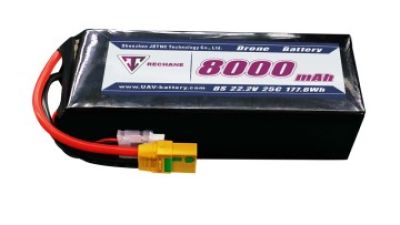
In the rapidly evolving world of UAV technology, selecting the right power source can significantly impact overall performance and efficiency. The JENTC FPV 6s 8000mAh 25C lithium polymer battery is engineered specifically for drones, ensuring consistency and reliability in demanding flight conditions. With a stable output of 22.2V and a high capacity of 8000mAh, this battery enables extended flight times and the ability to carry heavier payloads, which is critical for various applications including aerial photography, agriculture, and search-and-rescue missions.
Recent industry reports emphasize the increasing importance of battery technology in UAV operations. The drone market is expected to grow substantially, reaching over $40 billion by 2025. As performance demands rise, the need for high-capacity, low-weight batteries becomes imperative. The JENTC FPV battery is not only compliant with RoHS, CE, and FCC safety standards but also offers customizable branding and assembly options, catering to a wide range of consumer electronics. These features make it an attractive choice for both hobbyists and commercial operators focused on maximizing their UAV's potential.
Moreover, advancements in lithium polymer battery technology have led to improved energy densities and discharge rates, essential for maintaining optimal drone performance. With a discharge rate of 25C, the JENTC battery delivers reliable power, facilitating swift maneuvers and quick response times critical in dynamic environments. As the industry continues to innovate, selecting a dependable battery that meets stringent safety and performance criteria will be vital for any UAV operation aiming for success in an increasingly competitive landscape.
FAQS
: The right battery enhances performance and efficiency. It affects flight time and overall functionality significantly.
Voltage, capacity, weight, and compatibility with your drone are crucial. Temperature conditions also matter for battery life.
Using the wrong battery can cause overheating and decreased lifespan. This raises safety concerns during operations.
Higher capacity batteries usually provide longer flight times. A drone with poor capacity limits inspection capabilities.
Yes, having backup batteries is essential. They ensure continuous operations, preventing unexpected downtime during critical inspections.
Popular options include Lithium Polymer and Lithium-ion batteries. Each type has unique advantages and disadvantages for different missions.
Extreme temperatures can reduce battery efficiency. It’s important to check batteries regularly for wear and impact from environmental conditions.
Low-quality batteries can lead to unexpected downtimes. They may not deliver consistent power, affecting inspection effectiveness.
Regular reviews are necessary to ensure batteries meet your evolving inspection needs. This can improve operational efficiency significantly.
Yes, investing time in research can lead to better battery choices. This impacts the success and reliability of your inspections.
Conclusion
Selecting the right inspection drone battery is crucial for optimizing aerial inspections and ensuring operational efficiency. Understanding the importance of battery selection begins with recognizing key factors such as battery type, capacity, and overall performance. Different types of batteries, including lithium-polymer and lithium-ion, have their unique advantages and are commonly used in inspection drones, each affecting flight time and reliability.
Assessing battery capacity and evaluating battery life are essential for planning inspection tasks effectively, as they directly influence how long drones can stay airborne. Additionally, safety considerations should not be overlooked, ensuring that proper handling and storage practices are in place to prevent incidents. Finally, finding the right balance between cost and quality is vital to making an informed decision that supports long-term operational needs while maintaining safety and efficiency in drone inspections.