Picking the right drone battery is such a big deal if you want your flights to be smooth and safe. The drone world has been growing super fast—like, about 20% each year—and understanding the ins and outs of Battery Tech can really make or break your experience. I mean, as industry pro Dr. Emily Richards puts it, "The right battery can mean the difference between an epic flight and a total crash and burn."
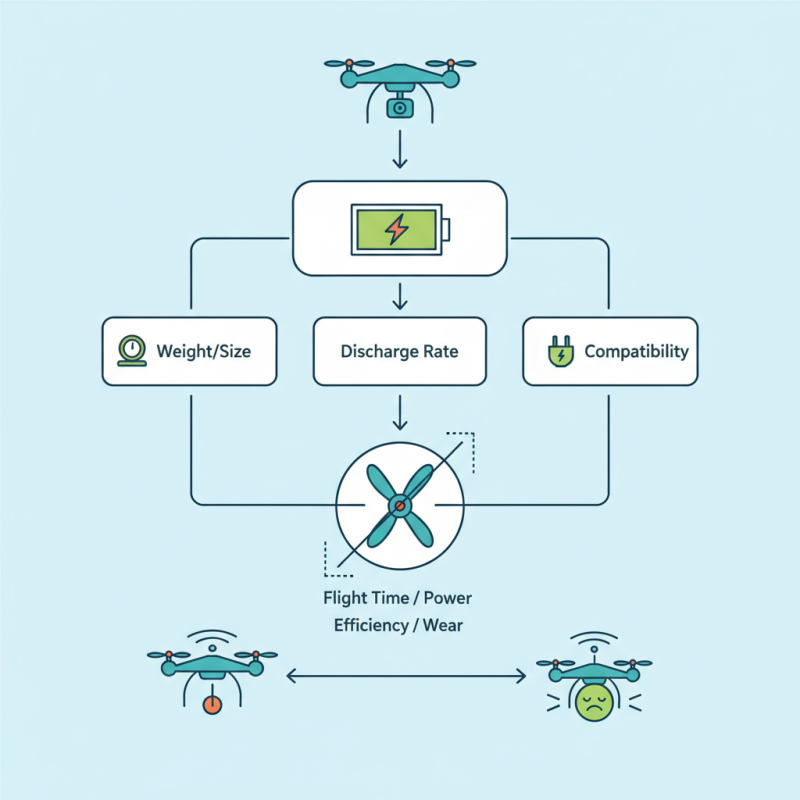
When you're choosing a battery, it’s not just about capacity and voltage. You’ve gotta think about the weight, size, and how quickly it discharges, too. For example, lighter batteries can give you longer flight times, but they might not pack as much punch. According to the 2023 UAV Tech Report, actually picking the wrong battery can lead to early wear and lower efficiency—and honestly, that’s mostly because folks don’t always do their homework on what works best for their drone.
It’s a good idea to pause and think about your current setup. Sometimes, hobbyists forget how important compatibility is—making sure the battery matches your drone’s specs really matters. Just imagine using a Quad Drone Battery that doesn’t really fit—you might end up with issues that could have been avoided. Spending a little extra time learning about your options and what you actually need can make your drone flights not only more powerful but way more reliable, too.
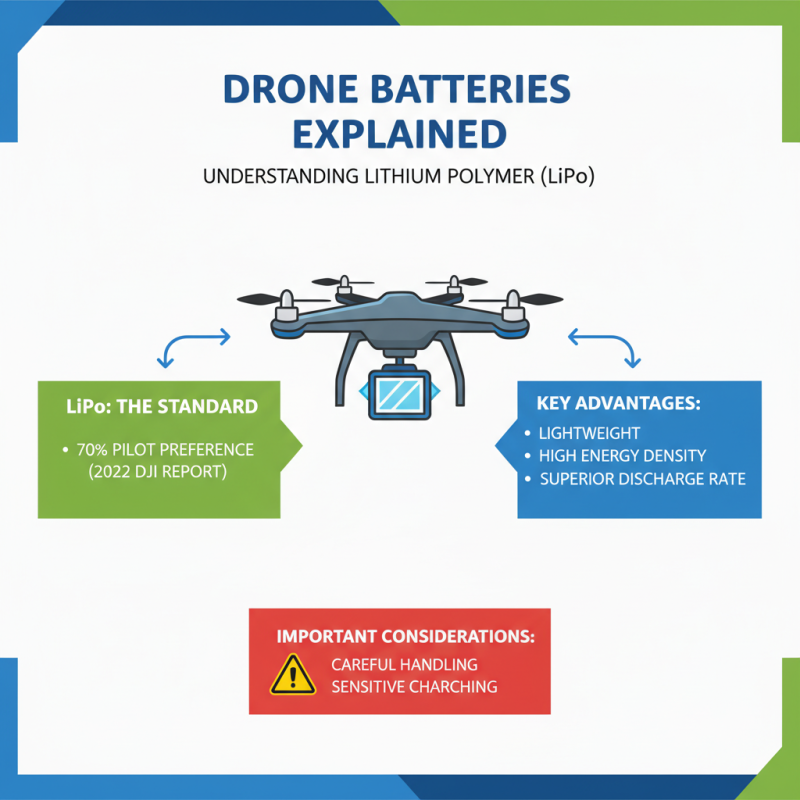
When choosing a drone battery, understanding the different types helps ensure optimal performance. Lithium Polymer (LiPo) batteries are the most common for drones. They are lightweight, provide high energy densities, and offer better discharge rates. According to a 2022 report from DJI, over 70% of pilots prefer LiPo for their versatility. However, they require careful handling and can be sensitive to charging conditions.
Another type is Lithium-Ion (Li-Ion) batteries. These batteries are known for their longevity. They typically have a lower discharge rate than LiPo but may have a longer cycle life. In a study by the Drone Industry Research Organization in 2023, 45% of professional drone operators reported using Li-Ion Batteries For steady power needs. However, they are bulkier, making them less favorable for portable or racing drones.
Understanding less popular options is crucial. Nickel-Metal Hydride (NiMH) batteries are an alternative but suffer from lower energy density and self-discharge issues. Industry guidelines suggest that while they are safer and cheaper, they may not meet the high-performance needs of many drone users. Every battery type has pros and cons. Thus, be mindful of your specific needs and flying conditions before making a choice.
When selecting a drone battery, understanding key factors is essential. Battery capacity, measured in milliamp-hours (mAh), determines flight time. A higher mAh usually means longer usage. For example, a drone powered by a 3.7v battery with 1500mAh can fly longer than one with only 500mAh. This distinction can be crucial for users who need extended operation for photography or mapping.
Another aspect to consider is the battery's discharge rate, expressed as C-rating. A higher C-rating means the battery can deliver more power, benefiting demanding drone applications. Many professional surveys indicate that users often underestimate this factor. A mismatch in required power and battery specification may lead to suboptimal performance and unexpected downtime.
Weight is also vital. Heavier batteries can impact flight stability and agility. If a drone struggles with a heavy battery, it won’t perform well. Balancing weight with power is a challenge. A Drone Battery 3.7v that is lightweight yet powerful can make a significant difference in overall performance. Users must reflect on their specific needs to find the right fit without compromising efficiency.
Battery capacity is essential when selecting a drone battery. This capacity defines how long the drone can stay airborne. Typically measured in milliamp hours (mAh), a higher mAh rating often means longer flight times. For example, a Drone Battery 3.7 V 800mah can provide an average flight time of around 10-15 minutes. However, this may vary based on weight and flying conditions.
Flight performance also depends greatly on the battery's capabilities. A drone equipped with a battery that has too low a capacity may struggle with stability and thrust. In contrast, a battery that exceeds the drone's specifications can introduce other issues like overheating. Reports indicate that the ideal battery should match the drone's energy requirements while considering real-world factors like wind resistance and payload. These elements make consistent testing crucial.
Yet, there are limitations to consider. Not all drones can handle a higher capacity battery. This mismatch can lead to reduced efficiency and possible damage. Users often overlook these nuances, leading to suboptimal flight experiences. Careful selection based on reliable data ensures safer and more enjoyable flights.
| Battery Type | Capacity (mAh) | Typical Flight Time (mins) | Weight (grams) | Voltage (V) |
|---|---|---|---|---|
| LiPo (Lithium Polymer) | 2200 | 15 | 130 | 11.1 |
| Li-ion (Lithium Ion) | 3000 | 20 | 150 | 11.1 |
| NiMH (Nickel-Metal Hydride) | 2200 | 10 | 200 | 7.2 |
| LiFePO4 (Lithium Iron Phosphate) | 2500 | 18 | 200 | 12.8 |
When selecting a drone battery, voltage ratings play a vital role in performance. Voltage determines the amount of power delivered to the drone's motors. Most drones utilize LiPo batteries, commonly ranging from 3.7V to 22.2V. Understanding this will allow you to find the right balance between power and flight time.
Many beginners overlook voltage requirements, leading to underperformance. For instance, a 3-cell battery (11.1V) might be suitable for a lightweight drone, while more demanding models need a higher voltage, like a 6-cell battery (22.2V). Faulty voltage selection can lead to throttled performance. Ensuring proper voltage alignment with your drone’s specifications is critical.
Another aspect to consider is rapid charging. A Fast-Charging Drone Battery can significantly reduce downtime. However, they often operate at higher voltages. Understanding your drone’s electrical architecture will help avoid battery swell or damaged cells. Consulting safety guidelines helps ensure longevity and reliability. The drone industry emphasizes educated choices based on power needs for optimal performance.
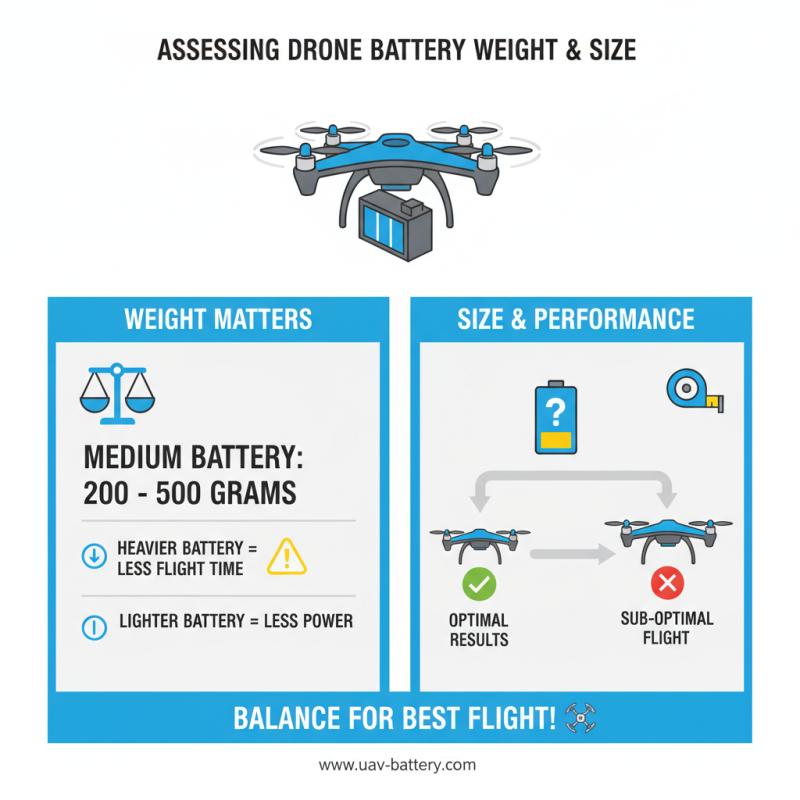
When selecting a drone battery, size and weight are critical factors. A Medium-Sized Drone Battery typically weighs between 200 to 500 grams. This weight range can affect your drone’s performance significantly. A heavier battery may decrease flight time, while a lighter battery might not provide sufficient power. Pay attention to these details for optimal results.
Battery size affects compatibility. A medium-sized drone battery must fit securely within the drone's compartment. If the battery is too large, it may not fit. On the other hand, if it’s too small, it could detach during flight. This stability is essential for safety and performance. It is crucial to measure precisely.
Sometimes, selecting the correct battery is challenging. Users may prefer a lighter option for longer flight times. However, the compromise could be power and stability. Consider your flying style and the drone's requirements. Always balance weight and battery capacity. This ensures your drone operates efficiently while meeting your specific needs.
When it comes to drone batteries, choosing the right charging option is crucial. Fast charging can save you time, especially during outdoor shoots. This method typically charges a battery in a fraction of the time it would take with standard charging. However, it can generate more heat. Over time, this increased heat may degrade battery life. It’s essential to monitor temperatures closely.
On the other hand, standard charging is a gentler approach. It protects battery health and often results in a longer lifespan. While it takes longer, many enthusiasts swear by its reliability. Standard charging is preferred for batteries that are not used frequently. This option can be more forgiving if you tend to leave a battery on the charger overnight.
Real-world experiences highlight the trade-offs between these methods. Enthusiasts report that fast charging comes with some risks. It might be great for quick sessions but can backfire if not properly managed. Meanwhile, standard charging requires patience, which can be hard in urgent situations. Finding the right balance will improve your overall experience with drone flying.
When using and storing drone batteries, safety should be a top priority. Lithium polymer (LiPo) batteries are common for drones, but they require careful handling. Always check for damages before use. A punctured battery can lead to fires. Avoid charging a battery unattended. It is best to monitor the charging process closely.
Here are some tips to enhance safety: Store batteries in a fireproof bag. This can minimize risks in case of a malfunction. Keep batteries at a moderate temperature. Extreme heat or cold can impact battery performance. Regularly check the voltage levels. Batteries should be in good standing to avoid unexpected issues.
Make sure to follow local regulations. This can help prevent accidents and ensures safety. Proper storage can extend battery life. Over time, batteries degrade, so replace them as needed. Pay attention to swelling or bulging; this is a sign for replacement.
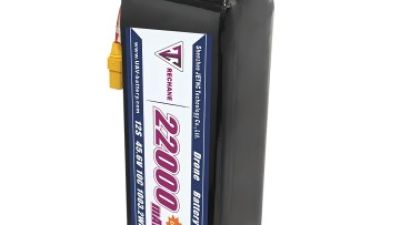
The high-performance semi-solid state battery designed for drones stands out with its impressive specifications, including a 22000mAh capacity and a voltage of 44.4V. This exceptional energy solution is specifically engineered to meet the demanding requirements of consumer electronics, ensuring that drones can operate efficiently during extensive flights. With a continuous discharge rating of 10C, it provides sufficient power to support advanced functionalities and longer operation times, making it an ideal fit for both recreational and professional drone applications.
In addition to its high capacity and performance, this lithium battery pack is manufactured under strict quality standards. It complies with RoHS, CE, and FCC regulations, offering users peace of mind regarding safety and reliability. The battery’s design reflects a commitment to providing users with long-lasting energy solutions for their drones, ensuring that they can enjoy uninterrupted use. Furthermore, the warranty provided, ranging from three months to one year, showcases the manufacturer’s confidence in their product's durability and performance, allowing customers to experience seamless and dependable power on their aerial adventures.
: Focus on battery capacity, discharge rate, weight, and size. These affect flight performance.
Higher capacity, measured in mAh, leads to longer flight times. More mAh usually means extended usage.
C-rating shows a battery’s discharge rate. Higher ratings deliver more power for demanding tasks.
Heavier batteries may reduce stability and agility. A balance between weight and power is crucial.
Measure the battery size carefully. It must fit securely, not too large or too small.
Inspect for damages, avoid unattended charging, and store in a fireproof bag. Monitor temperatures regularly.
Keep them in a moderate temperature and check voltage levels often. This extends the battery’s life.
Look for swelling or bulging. These are clear signs that the battery is failing.
A mismatched weight can lead to poor performance and reduced flight efficiency.
Store them in controlled environments and regularly inspect their condition for potential hazards.
Choosing the right drone battery is crucial for optimizing your flying experience. This involves understanding the various types of drone batteries available and evaluating key factors such as battery capacity and voltage ratings. Battery capacity directly influences flight time and performance; thus, selecting a battery that meets your needs is essential. Additionally, the weight and size of the battery should be assessed to ensure compatibility with your drone.
Furthermore, charging options are an important consideration, with fast charging providing convenience, while standard charging may be more universally compatible. Safety should always be a priority when using and storing drone batteries; proper handling and storage practices can prevent accidents. By taking these factors into account, you can make an informed decision and enhance your drone flying experience.