Inquiry
Form loading...
In today’s fast-moving world of drone tech, choosing the right Uav Batteries is more important than ever for getting the best performance and efficiency. AtShenzhen Jentc Technology Co., Ltd., we know that the battery is really the beating heart of any drone — it directly impacts how far it can go, how much it weighs, and how long it can stay in the air. We've been around since 2011, and since then, our goal’s been to deliver top-notch lithium Battery Solutions. We offer some pretty specialized options too, like4.4V high-voltage batteries, fast-charging lithium batteries, and AGV lithium batteries. As drone technology keeps evolving, picking the right batteries becomes even more critical. In this blog, we’ll walk you through the different types of batteries out there, so you can make smarter choices to boost your drone game and keep everything running smoothly no matter what you're using them for.
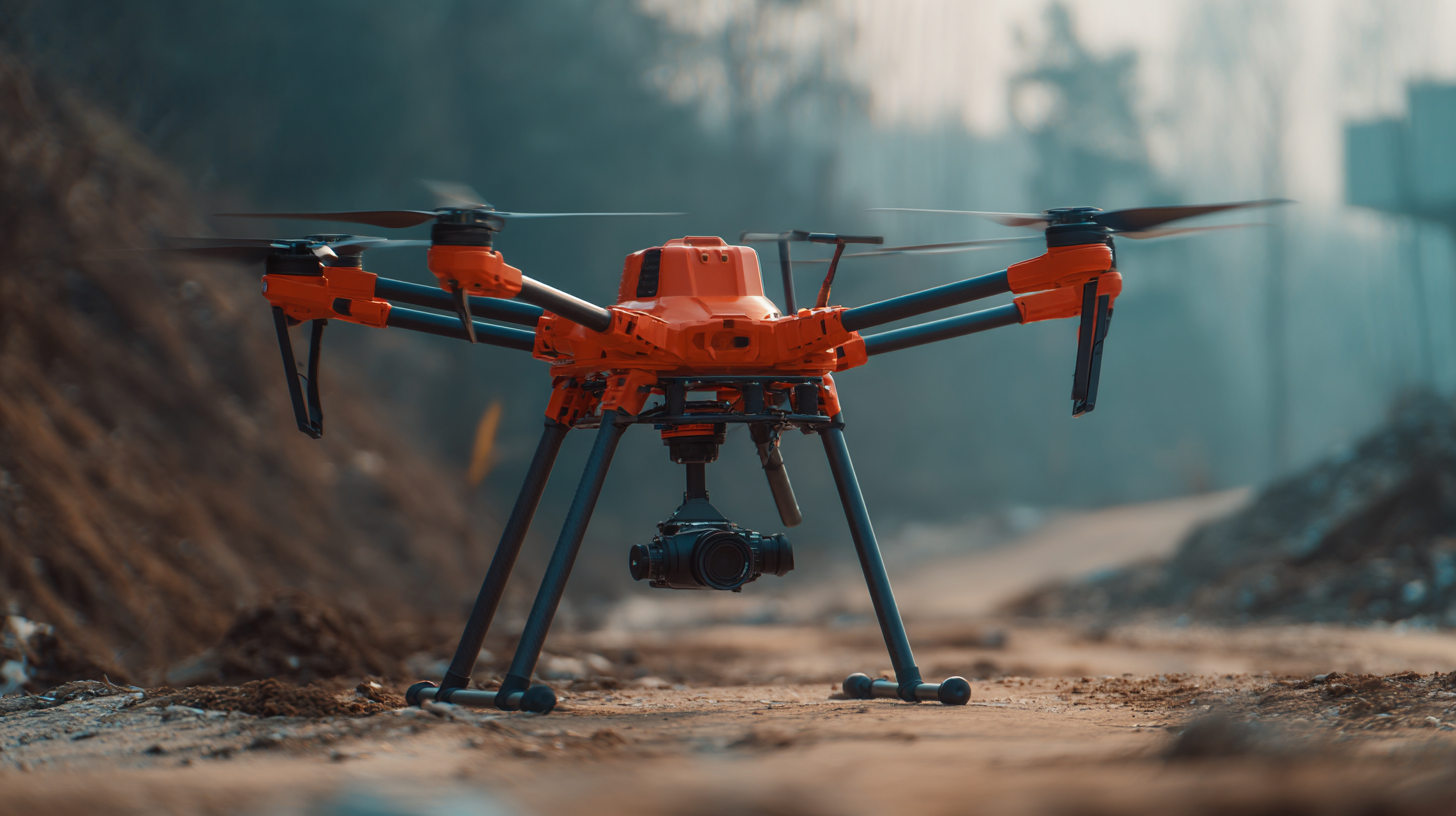
Hey, have you noticed how the UAV Battery market is skyrocketing these days? A big part of that surge comes from the booming demand for small drones across all kinds of industries. I was reading some recent market reports, and it turns out that the mini drone market is expected to jump from around $27.3 billion in 2025 all the way up to $128.75 billion by 2032—that’s a crazy growth rate of about 24.8% per year! What’s fueling all this? Tech improvements in batteries, especially those rechargeable lithium-ion ones that seem to be taking center stage. They come in different forms like cylindrical and prismatic cells, which are used in everything from our gadgets and industrial tools to defense gear.
But here’s the thing—things aren’t just moving forward with batteries; regulations are also trying to keep up. For instance, the Civil Aviation Administration has put the squeeze on power banks that don’t have the right 3C certification. That kind of makes you wonder if we might see similar restrictions pop up for drone batteries or cameras in the future. Right now, these rules mainly target power banks, but if you're in the drone game, it’s a good idea to keep an eye on new policies—they could affect how you get your hands on batteries or how safe and legal your drone operations are. As tech keeps evolving, understanding all the different battery types, sizes, and the rules around them is key to keeping everything running smoothly and legally out there in the field.
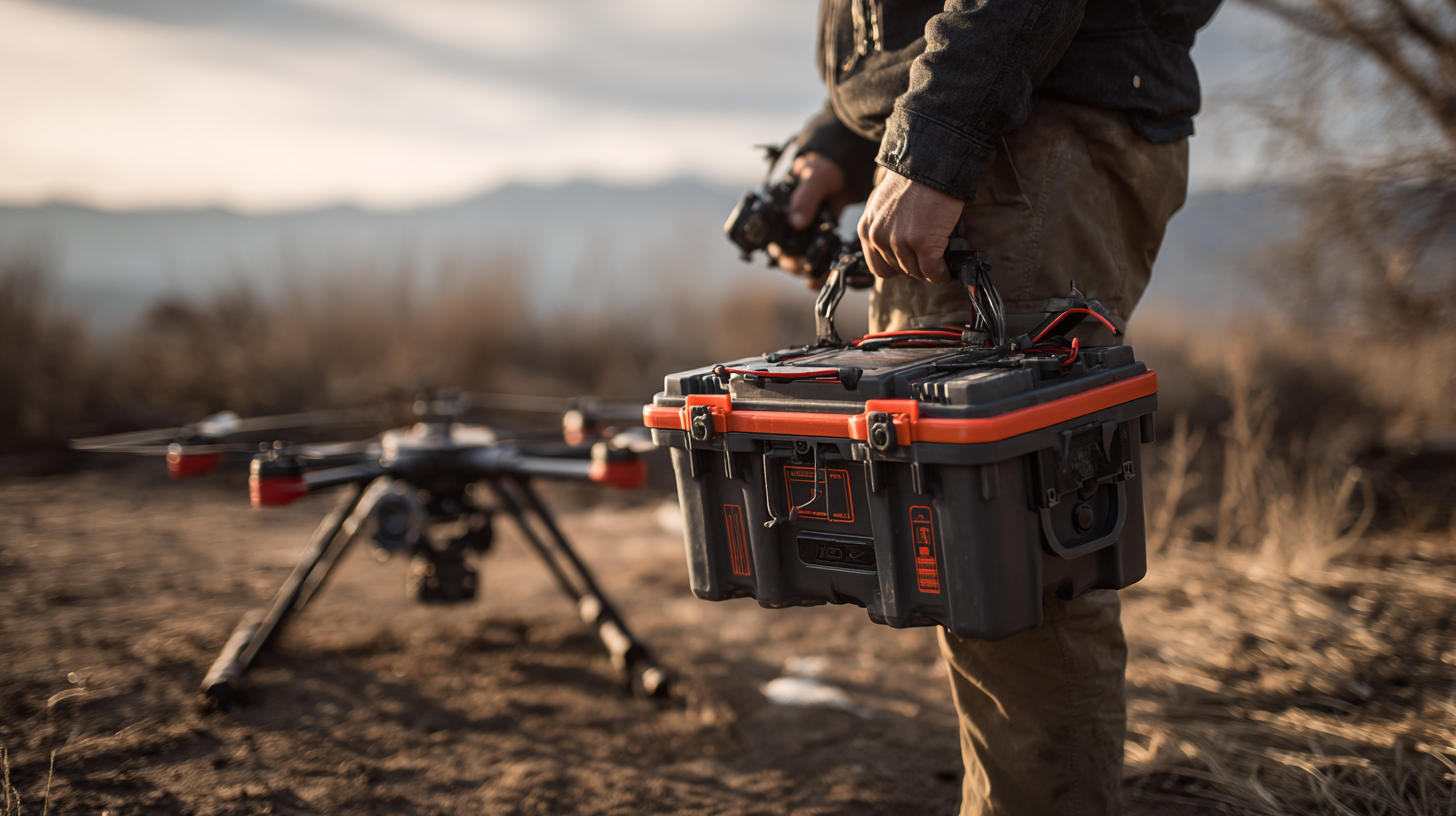
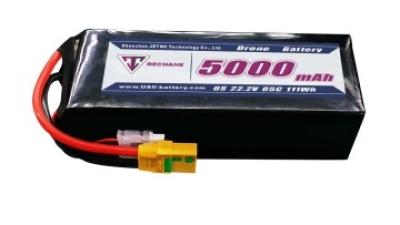
In the rapidly evolving world of unmanned aerial vehicles (UAVs), maximizing performance is essential for both hobbyists and professionals. Among the top contenders in battery technology is the JENTC FPV 6s 5000mAh 65C lithium polymer battery. This powerhouse option not only delivers a stable 22.2V output, ensuring your UAV remains airborne longer and performs more efficiently, but it also brings forth a multitude of advantages tailored to enhance your aerial experiences.
The JENTC 6s 5000mAh battery stands out for its high discharge rate of 65C, which allows for optimal power delivery during demanding flight maneuvers. Whether you're capturing stunning aerial footage or engaging in high-speed racing, this battery provides the reliability and performance needed to push your UAV to its limits. Moreover, its certifications — RoHS, CE, and FCC — guarantee that users can trust in its safety and environmental compliance, making it a smart choice for responsible UAV use.
Customization is another highlight, as JENTC offers tailored packaging and the option for custom logos, enabling brands and enthusiasts alike to present their drones with a personal touch. The combination of performance, safety, and personalized options truly makes the JENTC 6s 5000mAh 65C lithium polymer battery an ideal choice for those looking to enhance their UAV capabilities. Whether for recreational use or professional operations, investing in this battery is a step towards maximizing drone performance.
: To determine the right battery size, consider your drone's power requirements and flight time expectations. Calculate the average power consumption during flight, which is measured in milliamp-hours (mAh). A higher mAh rating provides longer flight times but may also increase weight.
Battery capacity is crucial as it directly impacts your drone's performance and flight duration. Higher capacity batteries allow for longer flight times, but it's important to balance capacity with weight to maintain flight efficiency.
Look for options that provide a balance between weight and power, as well as consider the battery's discharge rate. A higher discharge rate is necessary for high-performance UAVs, allowing them to function efficiently under demanding conditions.
To maximize battery life, follow a regular charging routine, use a recommended charger, avoid overcharging, and monitor the battery’s state of charge. Adhering to the manufacturer's guidelines on charging cycles is also beneficial.
Store UAV batteries in a cool, dry place when not in use, ideally at a charge level of 40-60%. Avoid exposure to extreme temperatures, which can degrade battery performance.
Check for signs of wear such as swelling or corrosion on the battery. If you notice these issues, dispose of the battery responsibly to ensure safety.
Overcharging a drone battery can lead to overheating and potential damage, reducing the battery's lifespan and performance.
The discharge rate determines how quickly the battery can release energy, which is essential for high-performance UAVs that require efficient power delivery under demanding conditions.
Excessive weight from a higher capacity battery can diminish flight efficiency. It is important to find a balance between battery capacity and weight to optimize performance.
Shenzhen Jentc Technology Co., Ltd. offers a diverse product portfolio that includes high-voltage and fast-charge lithium batteries, catering to the various needs of drone operators.
When it comes to boosting your drone game, picking the right UAV batteries is pretty essential. In this post, I’ll walk you through the different types of UAV batteries out there, helping you figure out what’s best for your specific drone model. Stuff like battery capacity is a biggie too—knowing how much power you need can really help you avoid running out of juice mid-flight. We’ll also share some tips on how to take care of your batteries so they last longer, plus some safety tips and rules to keep everything legit.
And hey, we’ll compare the cost and performance side of things to help you find that sweet spot—where you get great value without sacrificing quality. If you're into high-performance lithium batteries, brands like Shenzhen Jentc Technology Co., Ltd. have got a wide selection, including fast-charging and high-voltage options, perfect for different drone tasks. Whether you're just starting out or a pro, making the right battery choice can really make a difference in your flying experience.