You know, in today’s world of all these cool aerial gadgets, picking the right Drone Battery really makes all the difference. Whether you're just getting started or you’re a seasoned pro, the variety can get pretty overwhelming—everything from standard batteries to high-tech lithium options. I’ve been working with Shenzhen Jentc Technology Co., Ltd. since 2011, and they’ve got a pretty solid lineup of high-performance lithium batteries, like 4.4V high-voltage packs, fast-charging lithium batteries, and even AGV lithium solutions. Knowing the ins and outs—things like capacity, how fast they discharge, and how long they take to charge—really helps a lot when choosing the right one. This guide’s gonna walk you through the key points so you can pick the best drone battery and enjoy smooth, exciting flights without any hassle.
Understanding Drone Battery Types: Which One Fits Your Needs?
When you're trying to pick the best drone battery, it really helps to know the different types out there. 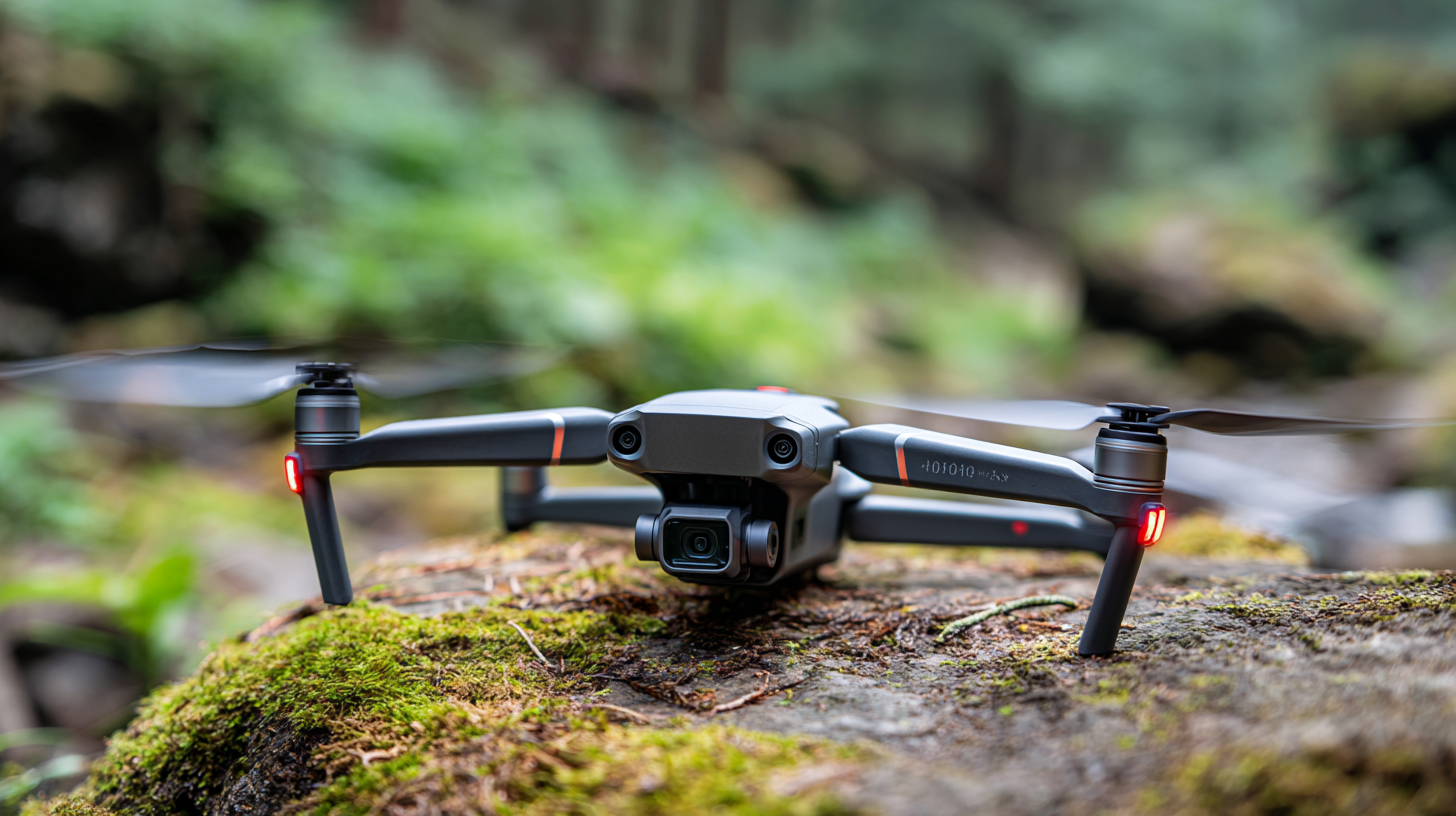 Lithium Polymer (LiPo) batteries are pretty much the go-to for most drone folks because they're lightweight and pack a lot of power into a small package. They give you those awesome speeds and longer flight times, which is super exciting. But, and this is a big but, you gotta handle them with care and keep up with proper maintenance — otherwise, you risk damaging them or even worse, safety issues during your flights.
On the other hand, Lithium-Ion (Li-ion) batteries are worth a look too. They tend to last longer and deliver steady power, so if you're more into aerial shots or surveying—stuff where long, steady flights matter more than quick bursts—Li-ion might be your best bet. Once you understand the differences, it gets easier to pick a battery that fits your flying style and what you actually need from your drone. Basically, it’s all about matching the battery to how you fly to get the most out of your experience.
Key Factors to Consider for Optimal Battery Performance in Drones
When it comes to drone performance, picking the right battery is a pretty big deal. One of the first things to keep in mind is the capacity, usually measured in milliamp-hours (mAh). I recently came across a report from Drone Industry Insights that shows most Drone Batteries fall somewhere between 1,500 mAh and 5,000 mAh. Honestly, that number makes a huge difference in how long you can fly—bigger capacity usually means more airtime. If, like me, you're into aerial shots or surveying, having a longer flight time can really level up your whole experience.
Another thing you don’t wanna overlook is the discharge rate, often called the C-rating. This basically shows how fast the battery can safely let out its energy. A higher C-rating means your drone can handle quick power bursts during tricky maneuvers without risking damage to the battery. According to a study from the UAV Communications Group, batteries with a C-rating of 20 or more can make your drone more responsive and responsive, making flying way more fun.
**Pro tip:** Go for batteries from reputable brands—trust me, it’s worth it for the peace of mind and reliability.
Oh, and don’t forget about the environment. Temperature and humidity play a big role in how well your batteries perform. Lithium polymer (LiPo) batteries, which are super common in drones, don’t do well in extreme conditions. The International Journal of Aerospace Engineering mentioned that keeping your batteries at a nice moderate temperature can actually help them last longer and perform better.
**Another tip:** Store your Batteries Somewhere cool and dry, and try to avoid exposing them to the elements for too long—that stuff adds up over time.
The Impact of Battery Capacity on Flight Time and Range
When you're picking out a drone battery, it's pretty important to understand how the battery's capacity actually affects how long you can fly and how far your drone can go. Basically, the capacity, which you’ll see measured in milliamp-hours (mAh), has a direct impact on flight time. For example, if you've got a drone with a 3000mAh battery, you're usually looking at around 20 minutes in the air. But bump that up to a 5000mAh battery, and you might get close to 30 minutes or even more—though it all depends on the drone’s weight and how efficient it is energy-wise.
If you want your drone to perform at its best, here are a couple of tips: First off, make sure the battery matches your drone model—nothing more annoying than trying to fit an incompatible one. Also, go for lithium-polymer (LiPo) batteries if you can; they pack a high energy punch without adding much weight, which means longer flight times. And don’t forget to keep an eye on your battery’s health. Regular checks and proper care will make it last longer and keep your flights safe and smooth.
Plus, battery capacity really comes into play when it comes to range. Studies show that drones with bigger batteries can fly up to 30% farther compared to ones with smaller capacity batteries. So, if you’re serious about maximizing your drone’s range and overall performance, aim for a high-quality, high-capacity battery—just don’t sacrifice quality for quantity. It’s all about finding that sweet spot so you get the most out of your drone!
Mastering Your Flight: A Comprehensive Tutorial on Choosing the Best Drone Battery for Optimal Performance - The Impact of Battery Capacity on Flight Time and Range
| Battery Type | Capacity (mAh) | Typical Flight Time (minutes) | Range (km) | Weight (g) |
| LiPo | 3000 | 20 | 5 | 200 |
| Li-ion | 5000 | 25 | 7 | 250 |
| NiMH | 2000 | 15 | 3 | 300 |
| LiPo | 4000 | 30 | 8 | 220 |
Emerging Technologies in Drone Batteries for 2025 and Beyond
Looking ahead to 2025, it’s pretty clear that drone battery tech is about to change in a big way. There’s a lot of buzz around new innovations aiming to boost energy density, extend battery life, and make everything more eco-friendly. These improvements are all about overcoming the limits we currently face—like short flight times and less efficiency. At the forefront, solid-state batteries are really catching attention because they’re safer and hold way more energy than the old-school lithium-ion ones. If these take off, we could see drones flying much longer, which means more ambitious missions and greater flexibility in how they’re used.
And get this—fast-charging tech is also heading into the picture. Imagine being able to recharge your drone super quickly—less downtime, more airtime. That’s a total game-changer for industries like delivery, farming, or even emergency rescue stuff. Plus, people are also working on eco-friendly materials for batteries, so they’re not just powerful—they’re greener too. All these trends combined paint a pretty exciting picture: by 2025, we’ll probably have batteries that perform way better while also being kinder to the planet. It’s like the future of drone tech is coming together in a really cool way—and I can’t wait to see it all unfold.
Maintenance Tips to Extend Your Drone Battery's Lifespan
When you're trying to get the most out of your drone's performance, taking good care of the battery is a total must. A well-maintained battery not only lasts longer but also helps your flights go further and stay more reliable. One key tip? Store your batteries somewhere cool and dry—hot or humid spots can really mess with their capacity and lifespan. Oh, and try to keep your batteries charged somewhere between 40% and 60% if you're not using them right away. Charging them fully or letting them drain completely can actually speed up their wear and tear.
Another thing to keep in mind is regular checks. Just give your batteries a quick glance from time to time—look for swelling or any damage. That’s usually a sign it’s nearing the end of its life. Also, it’s best to avoid letting the battery totally drain during your flights; that puts extra stress on it and shortens its effectiveness. By sticking to a consistent charging routine and being mindful of how you fly, you'll really boost how well your drone’s battery performs and how long it lasts. With a bit of care, you'll be set for many more successful flights ahead.
Choosing the Right Charger: Ensuring Efficiency and Safety for Drone Batteries
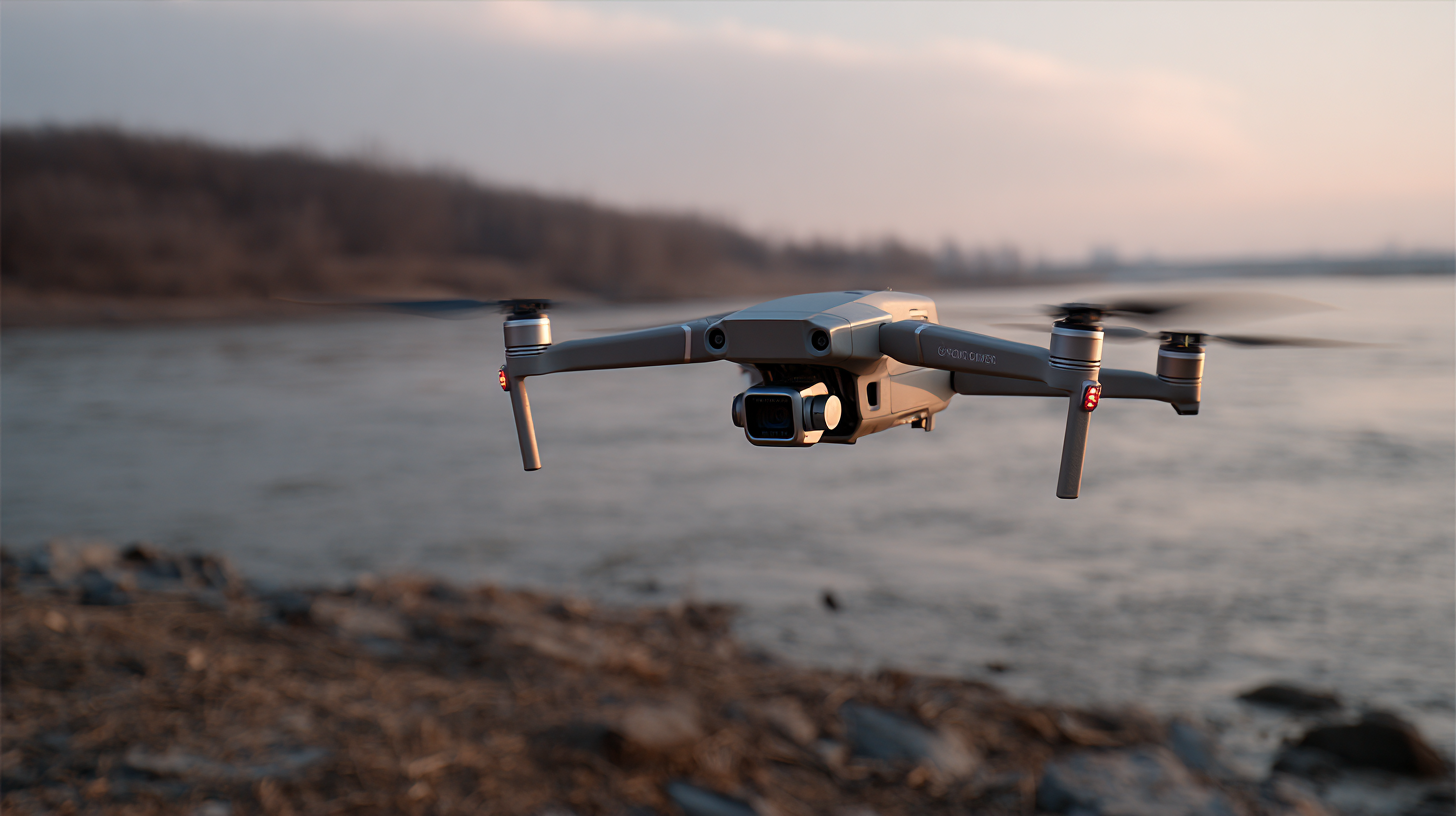 When you're flying a drone, picking the right charger for your batteries is super important—it's key to keeping things safe and running smoothly. A good quality charger doesn't just help extend your battery life; it also keeps overheating at bay, which could cause serious issues or even hazards mid-flight. Whether you're using LiPo or Li-Ion batteries, you really wanna make sure the charger matches your battery’s specs—think voltage and current ratings—otherwise, you’re asking for trouble.
A little tip: Always double-check that the charger is compatible with your drone’s batteries before you buy. And go for chargers that come with built-in safety features, like over-voltage protection or temperature sensors—that stuff’s really worth it. Don't forget to give your charger a quick look-over now and then, just to make sure there's no damage or wear and tear. That way, you’ll keep everything safe and working like it should.
Using a smart charger can be a real game-changer, too. They usually let you see how your batteries are charging and even manage multiple batteries at once, which makes stuff a lot easier and could help your batteries last longer. A quick tip: When charging, keep your batteries in a cool, safe place and don’t leave them unattended—that little bit of care can prevent problems and makes sure your drone is always ready to go when you need it.
Maximize Your Drone's Performance with the JENTC LI-HV 12s 22000mAh Semi-Solid State Battery
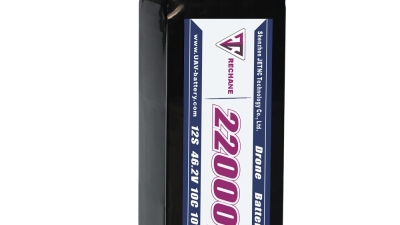
Maximizing drone performance often comes down to the power source, and the JENTC LI-HV 12s 22000mAh semi-solid state battery is set to revolutionize the way enthusiasts and professionals operate their aerial machines. With a staggering 22000mAh capacity and a voltage rating of 44.4V, this battery provides exceptional energy, which is crucial for both extended flight times and the ability to handle demanding power requirements of high-performance drones. Studies in the drone industry reveal that battery life directly impacts operational efficiency, and by using high-capacity batteries like the JENTC, users can significantly enhance their flight experience.
This semi-solid state battery, originating from China, not only meets but exceeds various safety and quality certifications, including RoHS, CE, and FCC standards. Such certifications ensure that the battery operates safely and efficiently, aligning with the increasing regulatory demands in the drone sector. Furthermore, with a warranty range of 3 months to 1 year, consumers can enjoy peace of mind knowing that they are investing in a reliable power solution. The technological advancements in lithium battery design reflect a broader industry trend towards safer, more efficient power sources, directly correlating with the rising demands for longer and more reliable flight durations in drone applications.
FAQS
: Battery capacity, measured in milliamp-hours (mAh), directly impacts flight time. For example, a 3000mAh battery typically allows for around 20 minutes of flight, while a 5000mAh battery can extend that to approximately 30 minutes or more.
Lithium-polymer (LiPo) batteries are recommended due to their high energy density and lower weight, which can significantly improve flight time.
Drones equipped with higher capacity batteries can achieve up to a 30% increase in range compared to those with lower-capacity batteries, allowing for greater operational capabilities.
Always match the battery capacity with your specific drone model to avoid compatibility issues and ensure optimal performance.
Solid-state batteries offer improved safety and significantly higher energy densities compared to traditional lithium-ion batteries, potentially allowing for much longer drone flight times.
Fast-charging technology will allow drones to recharge quickly, reducing downtime and enabling more efficient operations, particularly in industries like delivery, agriculture, and emergency response.
Developers are exploring eco-friendly materials for drone batteries to promote sustainability and address environmental concerns.
By 2025, we can expect advancements in energy density, cycle lifespan, fast-charging capabilities, and eco-friendly materials to enhance drone performance and sustainability.