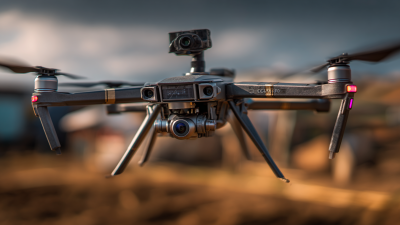
Picking the best batteries for your drone is honestly pretty important if you want everything to run smoothly. The right battery can give you longer flights and keep things reliable. I read somewhere—like in the Drone Industry Association’s report—that about 70% of how well a drone performs actually depends on its battery tech. And Mark Rabin, a real expert in drone tech, once said, “The Battery You choose can totally make or break your whole experience with drones.” So yeah, it’s kinda a big deal.
When it comes to Drone Batteries, there are a few different types, each suited for different needs. For example, Lithium Polymer (LiPo) batteries are super popular because they pack a lot of energy into a small space. They’re great if you want quick bursts of power—perfect for racing drones, for instance. But, heads up—they can be tricky to handle and require some careful maintenance, which might be a bit daunting if you're just starting out.
On the flip side, Lithium-Ion batteries are generally safer and easier to deal with. They’re often used in commercial drones because they tend to last longer. The catch? They can be a bit heavier and bulkier, which might affect how your drone flies. So, before you pick one, it’s a good idea to think about exactly what you’ll be using your drone for and what your needs are. Finding that sweet spot can really make a difference in your drone’s performance and how long you can keep it in the air.
Understanding Drone Battery Types and Specifications
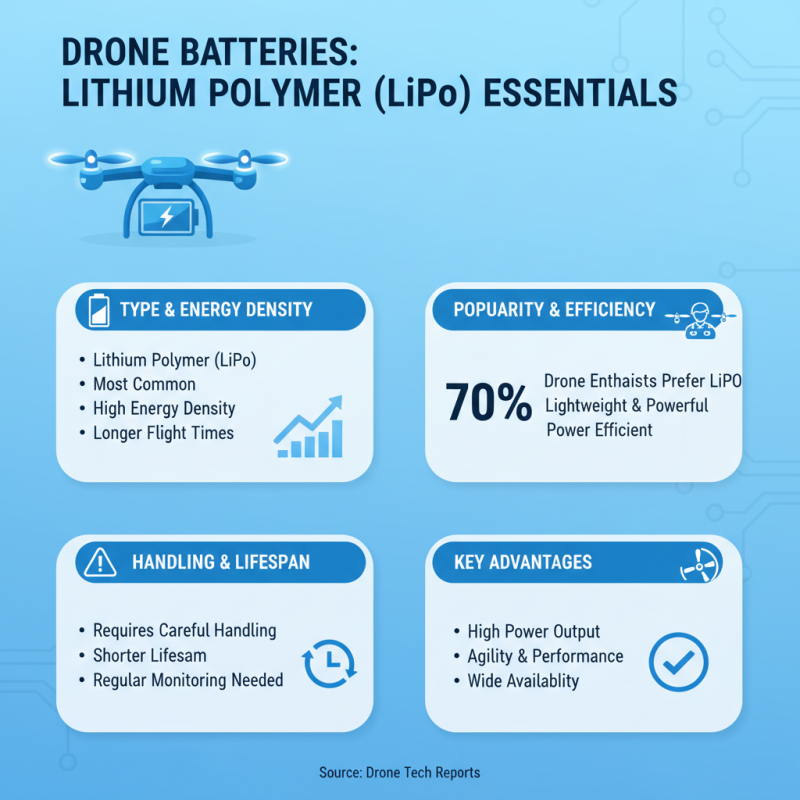
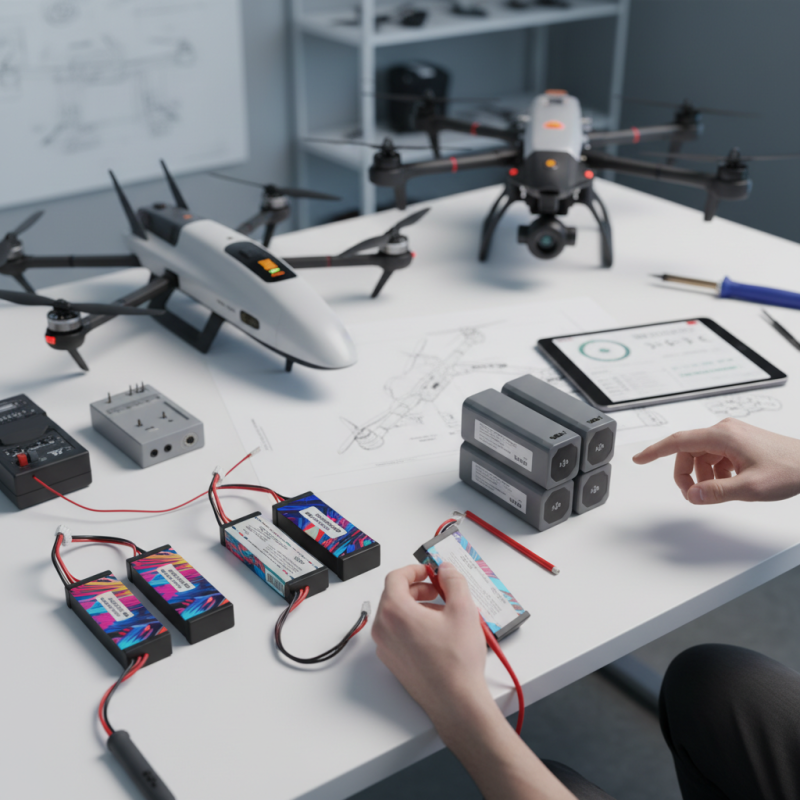
When choosing drone batteries, it's essential to understand their types and specifications. Lithium Polymer (LiPo) batteries are the most common, offering high energy density. They enable drones to operate longer but require careful handling. Reports reveal that around 70% of drone enthusiasts prefer LiPo due to their lightweight nature and power efficiency. However, these batteries also have a shorter lifespan, necessitating regular monitoring.
Short-Range Drone Batteries are designed for limited distances but perform exceptionally well in those ranges. They typically offer flight times of 10 to 20 minutes, making them suitable for casual flights and light payloads. It's crucial to assess your flying needs before selection. Overestimating battery capacity can lead to power failures mid-flight, often resulting in crashes or damage.
Tips: Always store drone batteries at a temperature between 40°F and 80°F. Check the battery's voltage before each flight to ensure optimal performance. Consider using a balance charger to extend battery lifespan. If you're new to flying, practice with short-range drone batteries first. This allows you to get a feel for your drone without risking significant investment.
Evaluating Battery Capacity: mAh and its Importance
Battery capacity is a crucial aspect when choosing drone batteries. Measured in milliamp hours (mAh), this figure indicates how much charge the battery can hold. A higher mAh rating generally means a longer flight time. For instance, a drone battery with 3000 mAh can sustain a 500-gram drone for approximately 20 to 25 minutes, depending on its efficiency. This data comes from various industry reports that analyze drone battery performance.
However, higher capacity batteries come with trade-offs. They can be heavier, which affects flight dynamics. A 5000 mAh battery may provide longer flight times but could weigh significantly more than a 3000 mAh option. This added weight can lead to slower acceleration and decrease overall maneuverability. It’s essential to find a balance that fits specific needs.
Considering High-Performance Hybrid Drone Batteries can often provide the best of both worlds. They offer enhanced capacity without excessively increasing weight. Still, there is ongoing debate about their reliability in extreme conditions. Users should assess their flying environments before fully committing to any battery type. Ultimately, evaluating mAh is just one step in the complex decision-making process.
How to Choose the Best Drone Batteries for Your Needs? - Evaluating Battery Capacity: mAh and its Importance
| Battery Type | Capacity (mAh) | Voltage (V) | Weight (g) | Flight Time (minutes) |
| LiPo 3S | 2200 | 11.1 | 185 | 15 |
| LiPo 4S | 3000 | 14.8 | 270 | 20 |
| LiPo 6S | 5000 | 22.2 | 500 | 25 |
| NiMH | 2000 | 7.4 | 250 | 10 |
Assessing Voltage Requirements for Your Drone
When choosing the best drone batteries, assessing voltage requirements is crucial. The voltage of a battery determines how much power it can deliver to the drone’s motors. Most drones operate within a specific voltage range. Using a battery with too high or too low voltage can damage the drone or hinder its performance.
Battery packs come in specific configurations, often marked by "cells." Each cell provides 3.7 volts. A higher number of cells increases the overall voltage. For instance, a 3-cell battery delivers about 11.1 volts. This configuration offers a good balance between power and weight.
Tips: Always check your drone's specifications before purchasing. Ensure your battery's voltage matches the required voltage to avoid issues. Consider investing in a voltmeter to check battery health regularly. A failing battery might show incorrect voltage levels.
Experimenting with different configurations can be fun, but it requires careful monitoring. Some users might overlook the impact of voltage on flight time. A mismatched battery can lead to unexpected crashes. Always reflect on how changes affect your drone's performance.
Comparing Battery Chemistry: LiPo vs. Li-ion and NiMH
When selecting a drone battery, understanding battery chemistry is crucial. Lithium Polymer (LiPo), Lithium-ion (Li-ion), and Nickel Metal Hydride (NiMH) all have distinct features. LiPo batteries are lightweight and provide high discharge rates. They can deliver strong bursts of power, which is vital for racing drones. However, they require careful handling. Overcharging or puncturing can lead to fires or battery failure.
Li-ion batteries are more stable than LiPo. They are less sensitive to damage and can hold a charge longer. This makes them suitable for longer flights. Yet, they deliver less power for aerodynamic maneuvers.
NiMH batteries are more robust and can tolerate rough use. They also do not require special charging equipment. But, they typically have lower capacity and longer recharge times.
Each chemistry has pros and cons. The choice often depends on your specific needs. If you prioritize weight and performance, LiPo might be your choice. But if you seek stability and longevity, consider Li-ion. NiMH batteries could work for more casual flying, as they can endure more abuse. Reflect on your flying style and environment before making a decision.
Factors Affecting Battery Lifespan and Performance
When choosing the best drone batteries, several factors impact their lifespan and performance. One crucial element is the battery capacity, measured in milliamp hours (mAh). Higher capacity batteries typically provide longer flight times. However, they can also add weight to your drone. Balancing weight and flight time is essential.
Temperature also affects battery performance. Extreme cold or heat can reduce efficiency. If you live in a hot climate, the battery may swell or malfunction. In colder areas, flight times can shorten significantly. It's important to store batteries at the right temperature for optimal use.
Charging habits play a significant role in battery lifespan. Overcharging or deep discharging can lead to damage. Following the manufacturer's recommendations is advisable. Regularly check for physical damage or swelling, as these can indicate potential failure. Taking these factors into account can greatly improve your drone experience.
Battery Lifespan Comparison of Different Drone Battery Types
This bar chart illustrates the average lifespan in cycles of various types of drone batteries, highlighting the differences in durability and performance. LiPo batteries typically offer lower cycle counts compared to Li-ion and NiMH, while lead-acid batteries have a significantly lower lifespan.
Understanding Charge Cycles and Maintenance Tips
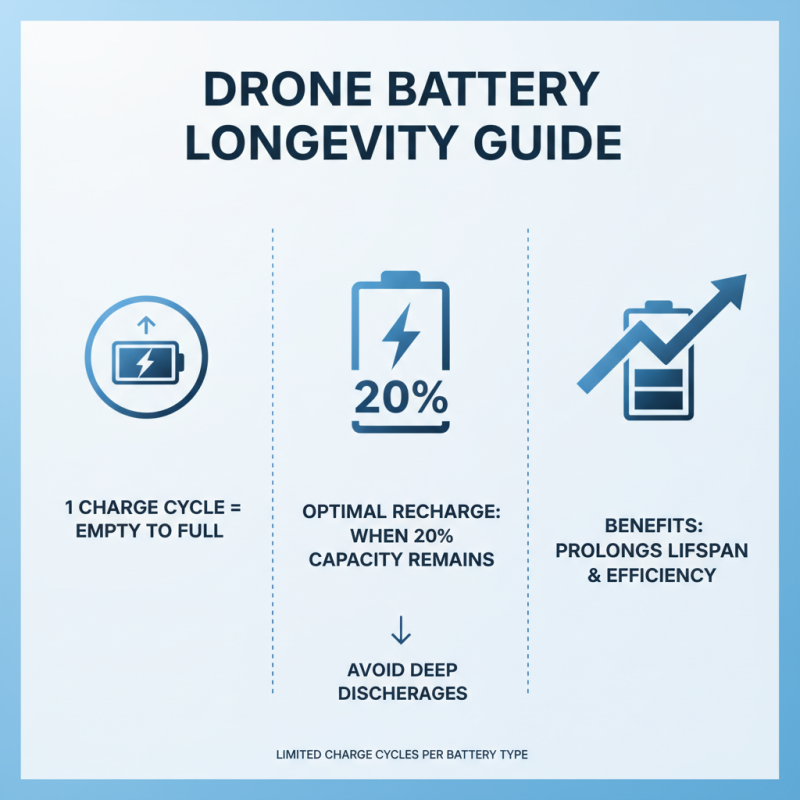
Understanding charge cycles is crucial when selecting the right drone batteries. Each battery type has a limited number of charge cycles. A cycle refers to charging the battery from empty to full. For optimal performance, avoid deep discharges. Instead, recharge when the battery reaches 20% capacity. This practice prolongs lifespan and efficiency.
Maintenance is just as important. Store batteries in a cool, dry place. High temperatures can damage them. Regularly check for swelling or bulging. Those signs indicate a problem. For Ultra Short-Range Drone Batteries, follow the manufacturer's guidelines. They often recommend specific charging and storage techniques. Make sure to adhere closely to those tips.
Don’t forget to balance usage. If you have multiple batteries, use them equally. This keeps all batteries in good condition. Neglecting a battery can lead to uneven performance. Reflect on your habits. Are you taking care of all your batteries? Neglect can cost you in the long run. Keep everything organized to avoid issues.
Budget Considerations: Finding Cost-Effective Batteries
When considering drone batteries, budget is a key factor. Many options exist, but finding the right balance is crucial. You might find cheaper batteries that seem appealing. However, they may have shorter lifespans or subpar performance. This can lead to frustration during your flights. Look for batteries that provide a good value while meeting your needs.
Mid-Range Drone Batteries often offer a nice compromise. They usually have decent capacity and durability. These options can withstand regular use and provide reliable power for your drone. On the other hand, don’t be tempted to go for the cheapest batteries available. They can disappoint quickly. Customer reviews can help gauge the quality and performance of different batteries.
It's essential to assess your drone's specific requirements as well. Your flight time and payload capacity will affect your choice. Sometimes, spending a bit more on a mid-range option can save you in the long run. Investing in quality batteries can lead to a better flying experience. So, weigh your options carefully before making a final decision.
Maximizing Drone Performance: A Comprehensive Guide to JENTC 4s 1300mAh LIHV Semi-Solid State Batteries
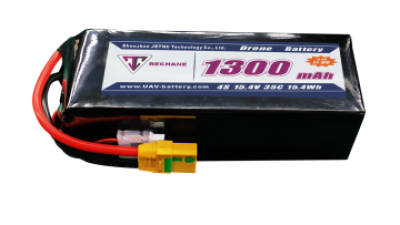
When it comes to maximizing drone performance, the choice of battery is critical. The JENTC 4s 1300mAh LIHV semi-solid state battery stands out as an excellent option designed specifically for drone applications. With a 14.8V output and a rated capacity of 1300mAh, this battery efficiently meets the power demands of various consumer electronic devices, ensuring optimal operational efficiency.
What sets this battery apart is its semi-solid state technology, which enhances safety and longevity compared to traditional lithium batteries. Originating from China, this product comes with essential certifications, including RoHS, CE, and FCC, guaranteeing compliance with international safety and quality standards. Its flexible assembly type of 3S1P makes it a versatile choice for a range of drone configurations, allowing users to easily integrate it into their systems. Furthermore, customers can enjoy the convenience of multiple payment options, including PayPal, which adds an extra layer of accessibility to the purchasing process.
Additionally, the JENTC 4s 1300mAh battery is backed by a solid warranty period ranging from three months to one year, providing peace of mind to users regarding its reliability and performance. This combination of advanced technology, safety certifications, and customer support makes this battery an ideal investment for those looking to elevate their drone experience while ensuring sustainable performance.
FAQS
: The article aims to inform readers about essential topics related to personal growth.
Consider setting specific goals each day. Break tasks into smaller steps to make them manageable.
Procrastination, lack of motivation, and fear of failure are common hurdles. Reflect on your challenges.
Yes, support from friends or mentors can provide motivation. Sometimes, sharing struggles helps in understanding them better.
Keeping a journal can be effective. Write about your experiences and reflect on your growth regularly.
Feeling stuck is normal. Taking a break or changing your approach can spark new motivation.
Not necessarily. Short-term goals can also drive progress. They offer quick wins that boost confidence.
Surround yourself with positive influences. Celebrate small achievements to maintain enthusiasm.
Yes, failure is part of the process. It teaches valuable lessons that can lead to growth.
A walk outdoors or listening to uplifting music can help. Small changes can make a big difference.
Conclusion
When choosing the best drone batteries, it is essential to understand the different types and specifications available. Key factors include battery capacity measured in milliampere-hours (mAh), which directly affects flight time, and voltage requirements that must match your drone's specifications. Comparing battery chemistries, such as Lithium Polymer (LiPo), Lithium-ion (Li-ion), and Nickel-Metal Hydride (NiMH), is also crucial as they each offer different performance characteristics and lifespans.
Moreover, considerations like battery lifespan, performance, and maintenance tips can significantly impact your overall experience. Understanding charge cycles can help you maximize battery longevity. Lastly, budget considerations are vital in finding cost-effective drone batteries that meet performance needs without overspending. By evaluating these factors, you can make an informed decision to ensure optimal drone performance and enjoyment.