Picking the right Batteries For your drone can actually feel pretty overwhelming, right? With so many options out there and all these technical specs flying around, it’s easy to lose sight of the basics. James Harris, a well-known expert from SkyTech Innovations, summed it up pretty nicely when he said, 'The right battery makes all the difference in a drone’s performance.' It’s a solid reminder that you really need to understand what your drone needs before you go buying just anything.
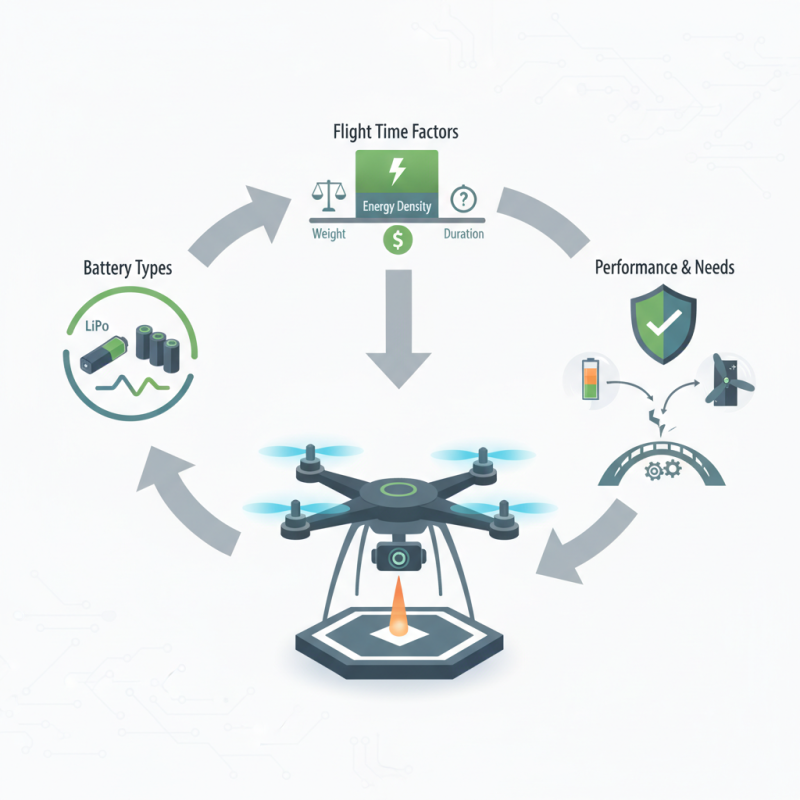
There are tons of different Drone Batteries out there—everything from lightweight LiPo batteries to heavier-duty ones like Li-ion. Each type has its own little perks depending on what you’re after. Whether you’re just messing around or doing serious filming, knowing how long you want your drone to stay in the air is a game-changer. Price matters, sure, but don’t forget about weight and energy density, those factors play a big role too.
And then, when you start looking at brands—oh boy—it can get extra tricky. Some brands pack high capacity, others focus on durability. Sometimes people realize only afterward that going for the cheapest option isn’t always the smartest move. So, it’s really about weighing performance and value, and making a choice that actually matches what you need. Long story short, finding the balance between your drone’s needs and Battery Specs will make your flying experience way smoother—and way more fun.
Understanding the Types of Drone Batteries Available in the Market
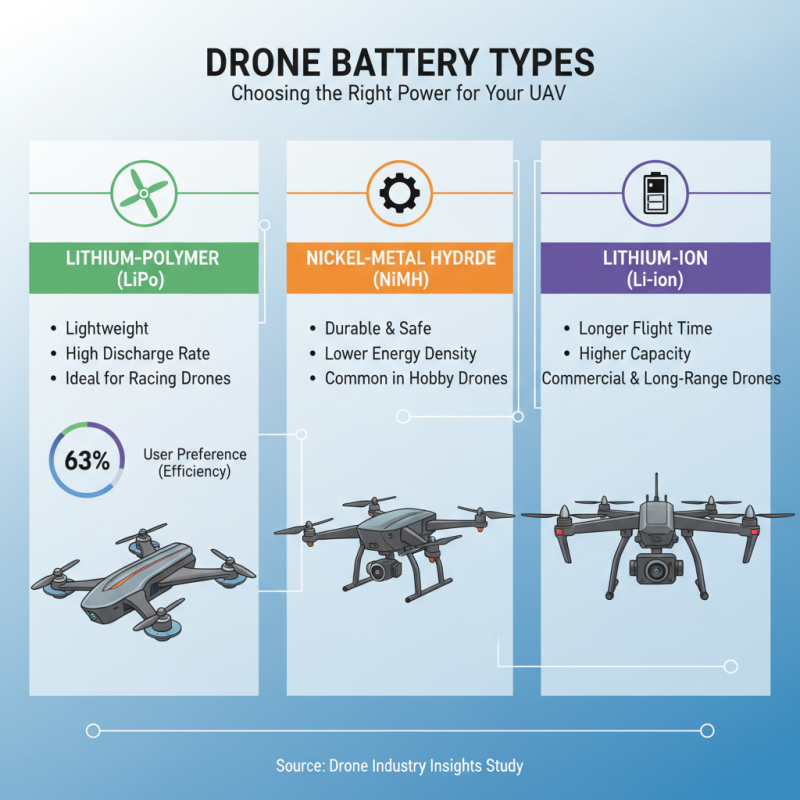
When choosing a drone battery, understanding the types available is crucial. The most common types are lithium-polymer (LiPo), nickel-metal hydride (NiMH), and lithium-ion (Li-ion). Each type offers unique characteristics. LiPo batteries are lightweight and deliver high discharge rates, making them popular for racing drones. A study by Drone Industry Insights shows that 63% of drone users prefer LiPo due to their efficiency.
NiMH batteries are more robust but are heavier and have a lower energy density. They are often used in training drones. Many users note that NiMH batteries require longer charging times and offer shorter flight durations. This can impact overall usage, especially for professional applications.
Li-ion batteries provide a middle ground, offering better energy density than NiMH but lacking the high discharge rates of LiPo. They are gaining traction in commercial drones and are often chosen for aerial photography. Battery choice impacts flight time, weight, and power, making it essential to assess your specific needs. Some drone enthusiasts report that their preference may change based on flight environment and purpose. Each battery type has its advantages and drawbacks, reminding users to reflect on their priorities.
Key Specifications to Consider When Choosing Drone Batteries
When selecting drone batteries, several key specifications should guide your choice. Battery capacity is a major factor. Measured in milliamp-hours (mAh), a higher capacity generally means longer flight times. However, larger batteries may also increase the drone’s weight, impacting performance. Consider what balance suits your needs best.
Voltage is another crucial specification. It influences the power output and efficiency of your drone. Standard voltage ratings range from 3.7V to 22.2V. Ensure you select a battery that is compatible with your drone's requirements. Additionally, understand the discharge rate, measured in C ratings. A higher C rating allows for quick energy release, which is vital for dynamic flying.
Reflect on your specific use case. If you prioritize long flights, opt for a high-capacity battery. Conversely, if agility is your focus, a lighter battery with a good discharge rate may be better. Always think about the trade-offs. The perfect battery for one scenario may not be ideal for another. Evaluate these aspects thoughtfully to enhance your drone experience.
How to Choose the Best Drone Batteries for Your Needs? - Key Specifications to Consider When Choosing Drone Batteries
| Battery Type | Capacity (mAh) | Voltage (V) | Weight (g) | Recharge Cycles | Flight Time (min) |
| LiPo | 3000 | 11.1 | 300 | 300 | 25 |
| Li-ion | 5000 | 14.8 | 400 | 500 | 35 |
| NiMH | 2000 | 7.4 | 500 | 200 | 15 |
| LiHV | 4500 | 14.8 | 350 | 300 | 30 |
| LiFePO4 | 6000 | 12.8 | 550 | 2000 | 40 |
Evaluating Battery Capacity and Its Impact on Flight Time
When selecting drone batteries, capacity plays a crucial role in determining flight time. Battery capacity is measured in milliamp-hours (mAh). Higher capacity ratings typically mean longer flight times. For example, a drone battery with 5000 mAh can often provide up to 25 minutes of flight, depending on the drone's weight and energy consumption. This metric is essential for users who need extended operation.
Understanding the impact of battery capacity on flight dynamics can also help prevent unexpected issues. A battery that appears adequate may lead to disappointments in real-world scenarios. In a drone racing study, pilots experienced reduced performance with lower-capacity batteries, often resulting in crashes. This aspect emphasizes the importance of selecting appropriate battery sizes to match specific flying conditions.
Users should also consider power-to-weight ratios. A high-capacity battery may not be beneficial if it adds excessive weight to the drone. When evaluating battery options, it's critical to balance capacity with drone specifications and intended usage. This reflection can help in making informed choices for reliable and efficient aerial operations.
Assessing Battery Voltage and Compatibility with Your Drone
When selecting drone batteries, one critical aspect is voltage compatibility. Most drones operate on specific voltage levels, typically ranging from 3.7V to 22.2V. Choosing the wrong voltage can lead to poor performance or even damage to your drone. A report from the Drone Industry Association highlights that mismatched voltage accounts for over 35% of battery-related issues.
Another consideration is the type of batteries to use. Lithium-polymer (LiPo) batteries are popular due to their high energy density and lightweight properties. However, they require careful handling. Reports indicate that improper charging and storage lead to safety hazards. Understanding your drone’s power requirements is essential for optimal performance. For instance, Short-Range Drone Batteries may have different specifications compared to those meant for long-distance flights.
Finally, consider the physical compatibility of the battery with your drone. Measure the battery compartment to ensure a snug fit. According to the latest data from the Journal of Drone Technology, fitting issues occur in nearly 25% of cases. Such mistakes often go unnoticed until it’s too late. Ensuring that your battery is both voltage-compatible and physically suitable is vital for maximizing your drone’s potential.
The Importance of Battery Weight and Size for Drone Performance
When selecting drone batteries, understanding battery weight and size is crucial. Lighter batteries can enhance flight times and reduce fatigue on motors. A detailed study indicates that weight influences performance by up to 30%. Therefore, a well-balanced drone can achieve optimal maneuverability and stability when equipped with the right battery.
Battery size also plays a significant role in drone performance. Larger batteries may offer extended flight times but can compromise agility. Finding the right compromise is essential. A battery that fits well in the drone’s compartment can prevent unwanted vibrations and shifts during flight. This ensures a smoother operation and better image stability for aerial photography.
Investing in High-Performance Hybrid Drone Batteries can yield significant benefits. These batteries often combine advanced materials for both weight reduction and energy density. They provide longer flight durations and quick charge times. However, choosing the wrong size can lead to performance issues. It's imperative to analyze specifications carefully. Balancing capacity with weight will lead to a more effective flying experience.
Exploring Battery Life and Charging Cycles for Longevity
Drone battery life significantly affects your flying experience. Understanding battery longevity and charging cycles is essential. Drone enthusiasts should know that extending battery life provides more time in the air. Factors such as temperature can impact performance. Cold weather often reduces battery efficiency, so consider this when planning flights.
Charging cycles also play a vital role. Every battery has a limited number of cycles before performance declines. This information helps when choosing the right battery type. Ultra Short-Range Drone Batteries are popular for their compact form. They’re often chosen for their lighter weight. However, pilots must realize they sacrifice flight time for portability.
Monitoring charge levels is crucial. It may help prevent unexpected power loss mid-flight. Many users overlook this, leading to frustration. Regular checks can ensure your drone operates smoothly. In the long run, knowledge about battery care leads to a better flying experience.
Tips for Proper Care and Maintenance of Drone Batteries
Taking care of drone batteries is crucial for optimal performance. Regularly checking their condition can prevent unexpected failures. Store batteries at a temperature between 60°F and 80°F. Extreme temperatures can decrease battery life significantly. For best results, use batteries that are suitable for your drone’s specifications.
Charging practices matter too. Avoid overcharging your drone batteries, as this creates heat, leading to degradation. Utilize a smart charger which automatically shuts off when charging is complete. Not all batteries are created equal. Mid-Range Drone Batteries can offer a good balance of price and performance, but they require the right care to match their capabilities.
Inspect drone batteries frequently for any signs of damage. Look for swelling or leaks, which can indicate a failure. It’s important to use them regularly. If a battery sits for too long, its lifespan can diminish. Keeping a usage log can help track when to replace a battery. Engaging in proper maintenance ensures your drone remains aerial-ready while maximizing your investment.
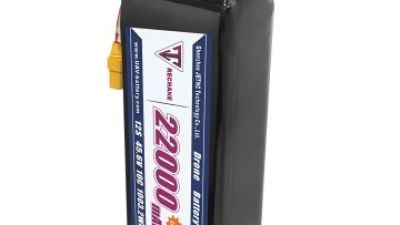
Enhancing Drone Performance with the High-Performance JENTC LI-HV 12s 22000mAh 10C Battery: A Comprehensive Guide
Advancements in drone technology have significantly increased the performance demands of these flying devices, making battery selection a crucial aspect for enthusiasts and professionals alike. The JENTC LI-HV 12s 22000mAh 10C battery emerges as a prime solution, designed to meet these high-performance requirements. Offering a substantial capacity of 22000mAh and a nominal voltage of 44.4V, this battery is engineered for extended flight times and efficient power delivery, giving users the ability to optimize their drone's capabilities for various applications, ranging from aerial photography to heavy-lift operations.
The importance of choosing the right battery cannot be overstated, especially as the drone industry expands rapidly, with predictions indicating a market growth rate of 20% annually. The JENTC battery’s semi-solid state design enhances safety and performance, a critical consideration in today's market. With certifications such as RoHS, CE, and FCC, it reflects compliance with stringent industry standards, ensuring reliability and longevity. A warranty range of 3 to 12 months further underscores the confidence in this product, allowing users to invest in their drone’s performance without hesitation.
In an era where every second of flight time counts, the JENTC LI-HV battery stands out as an exceptional choice for those seeking to enhance their drone’s performance. Its capability to deliver consistent power flow under demanding conditions makes it suitable for both hobbyists and professionals, positioning it as a key component in advancing drone technology and performance.
FAQS
: Voltage compatibility is critical for ensuring your drone performs well and avoids damage.
Lithium-polymer (LiPo) batteries are popular due to their high energy density and lightweight nature.
Using mismatched voltage can lead to poor performance and can potentially damage your drone.
Every battery has a limited number of cycles before performance begins to decline, affecting overall longevity.
Cold weather often reduces battery efficiency, impacting your flying experience negatively.
Regularly checking charge levels can prevent unexpected power loss during flight, enhancing reliability.
Measure the battery compartment to confirm a snug fit, as fitting issues occur in about 25% of cases.
Understanding how to care for batteries leads to a better flying experience and prolonged battery life.
Improper charging and storage can lead to safety hazards, so careful handling is essential.
A longer battery life allows for more flight time, enhancing the overall flying experience.
Conclusion
When selecting the best drone batteries, it’s essential to understand the various types available in the market, as well as their key specifications. Considerations include battery capacity, which directly affects flight time, and voltage, which must be compatible with your drone model. Additionally, the weight and size of the battery play a critical role in overall drone performance, influencing both agility and flight stability.
Evaluating battery life and charging cycles is crucial for ensuring the longevity of your drone batteries, helping to maximize their usefulness over time. Proper care and maintenance can greatly enhance battery durability, ensuring that you get the most out of your investment. By taking these factors into account, you can make an informed decision and choose drone batteries that best meet your flying needs.