As drone tech keeps getting better and more advanced, picking the right batteries can really make a difference in how well your drone performs. Peter Allen, an industry expert from DroneTech, mentions that "the right battery can totally boost your flight time and make things way more reliable." With so many types of Drone Batteries out there, it’s pretty important to choose wisely—especially if you’re into drones and want to get the most out of them.
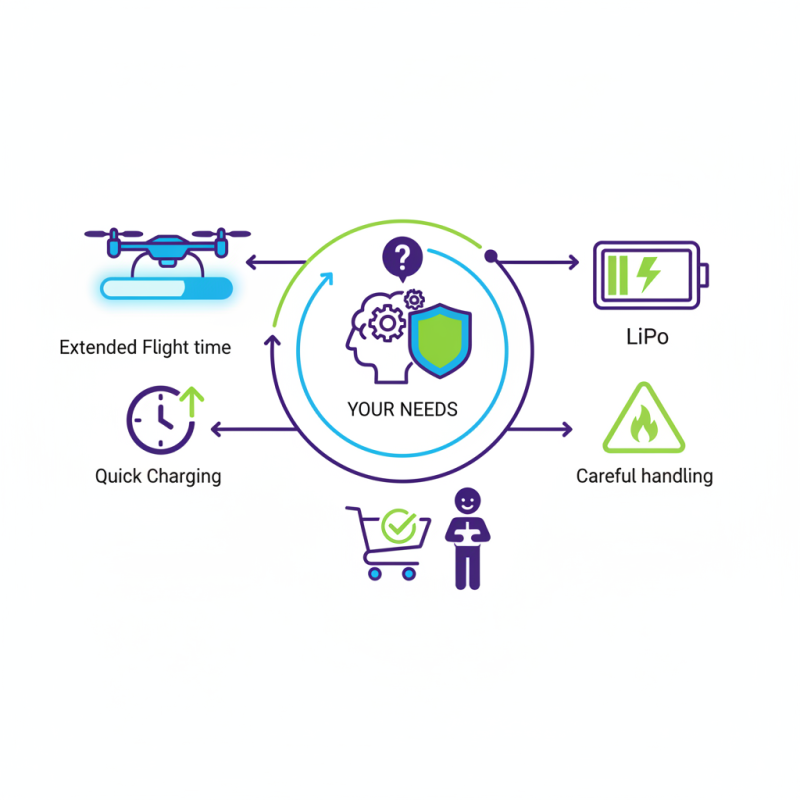
Now, I won't lie, understanding all those Battery Specs can be a bit daunting. Take Lithium Polymer (LiPo) batteries, for instance—they're super popular because they’re lightweight and pack a punch with their high discharge rates. Basically, they give you more power compared to regular batteries like those in cars. But here’s the thing—they need to be handled with care and stored properly. Mess it up, and you might see performance drop or, worse, run into safety issues.
Everyone’s needs are different, too. Some folks want longer flight times, while others prefer faster charging so they can get back in the air sooner. It’s easy to get overwhelmed with all these options, which can lead to making the wrong choice. That’s why it’s so important to think about what *you* really need from youR Battery before making a purchase. A little bit of planning can seriously improve your drone experience—it’s all about finding what works best for you.
Understanding Different Types of Drone Batteries Available
Selecting the right drone battery is crucial for maximizing flight time and performance. Several types of batteries are available, each with unique characteristics. Lithium Polymer (LiPo) batteries dominate the market due to their high energy density and light weight. These batteries are capable of powering drones for longer periods compared to other types. However, they require a specific charging technique, which can be complex for beginners.
Nickel-Metal Hydride (NiMH) batteries offer another option. They provide robust durability but typically have a lower energy density. As a result, drones may experience shorter flight times with these batteries. According to recent reports, nearly 45% of consumers prefer LiPo batteries for their efficiency, even if they come with extra handling challenges.
While considering battery life and capacity, many overlook the importance of discharge rates, a critical factor for high-performance drones. High C-rated batteries can deliver bursts of power needed for demanding maneuvers. Unfortunately, finding the right balance between capacity and discharge rate can be daunting. Enthusiasts often make mistakes in this area. Always evaluate your specific needs before making a choice.
Evaluating Battery Capacity and Voltage for Your Drone
When it comes to choosing the right drone batteries, capacity and voltage are key factors. Battery capacity is measured in milliamp hours (mAh). A higher mAh means longer flight times. For short-range drones, a capacity of around 1500 to 3000 mAh is often sufficient. You might think this is enough, but consider your flight style. Are you aggressive in your maneuvers? This can drain the battery faster than you expect.
Voltage is another critical element. Most drones use 1S to 6S batteries. The "S" indicates how many cells are in the battery. More cells equal higher voltage and more power. However, more power requires better care. If you over-discharge your battery, you can damage it. This is especially crucial for Short-Range Drone Batteries, as they might not have complex systems to prevent damage.
Choosing the right battery can be tricky. You must balance weight, power, and duration. Sometimes, a battery that seems perfect may not offer the best performance. Always check compatibility with your drone model. If it is too heavy, your drone may struggle to stay airborne. It's essential to reflect on your needs and adjust your choices accordingly.
Assessing Discharge Rates and Their Impact on Performance
When selecting drone batteries, understanding discharge rates is crucial. Discharge rates are often measured in C ratings. A higher C rating allows a battery to release energy faster. For example, a 20C battery discharges energy 20 times its capacity. This influences how quickly your drone can gain altitude or maneuver.
Data from industry reports shows that many drone pilots overlook this aspect. A battery with a low discharge rate may struggle during rapid climbs. This can lead to performance issues. Pilots may experience shorter flight times or loss of control. Selecting a battery with a suitable C rating is essential for consistent performance.
Moreover, it’s not just about the numbers. Real-world conditions impact battery performance too. Temperature, weather, and altitude can all affect discharge rates. A battery rated for high performance in theory may not deliver in practice.
Pilots need to reflect on whether their battery choice suits their flying conditions and style. This consideration is vital for optimizing flight experience and ensuring safety.
Considering Battery Weight and Size Constraints for Your Drone
When choosing drone batteries, weight and size are crucial. These factors can greatly affect flight performance and duration. A lighter battery allows for longer flight times and better maneuverability. However, it often comes with a trade-off in energy capacity. Industry reports indicate that drone efficiency can drop significantly if the battery exceeds weight limits. Precise calculations are necessary to avoid performance loss.
The size of the battery impacts how well it fits into your drone's frame. Many drones are designed for specific battery dimensions. Installing a battery that is too large may result in poor aerodynamics. Conversely, a battery that is too small can lead to reduced flight time. In fact, a study found that using a battery more than 10% smaller than recommended can reduce flight times by nearly 20%.
Choosing High-Performance Hybrid Drone Batteries can be appealing. These batteries may offer a balance of weight and power, enhancing overall performance. Nonetheless, the complexities of selecting the right size and weight cannot be overlooked. Reflecting on these factors is essential for an optimal flying experience. The challenge is finding the perfect mix that meets your specific operational needs without compromising performance.
How to Choose the Right Drone Batteries for Your Needs?
| Battery Type | Voltage (V) | Capacity (mAh) | Weight (g) | Size (mm) |
| LiPo 3S | 11.1 | 2200 | 180 | 140 x 35 x 30 |
| LiPo 4S | 14.8 | 4000 | 350 | 150 x 50 x 40 |
| Li-ion | 11.1 | 5000 | 350 | 170 x 50 x 45 |
| LiPo 2S | 7.4 | 3000 | 150 | 130 x 35 x 30 |
| LiFePO4 | 12.8 | 3000 | 320 | 160 x 50 x 40 |
Exploring Battery Life and Charging Time Considerations
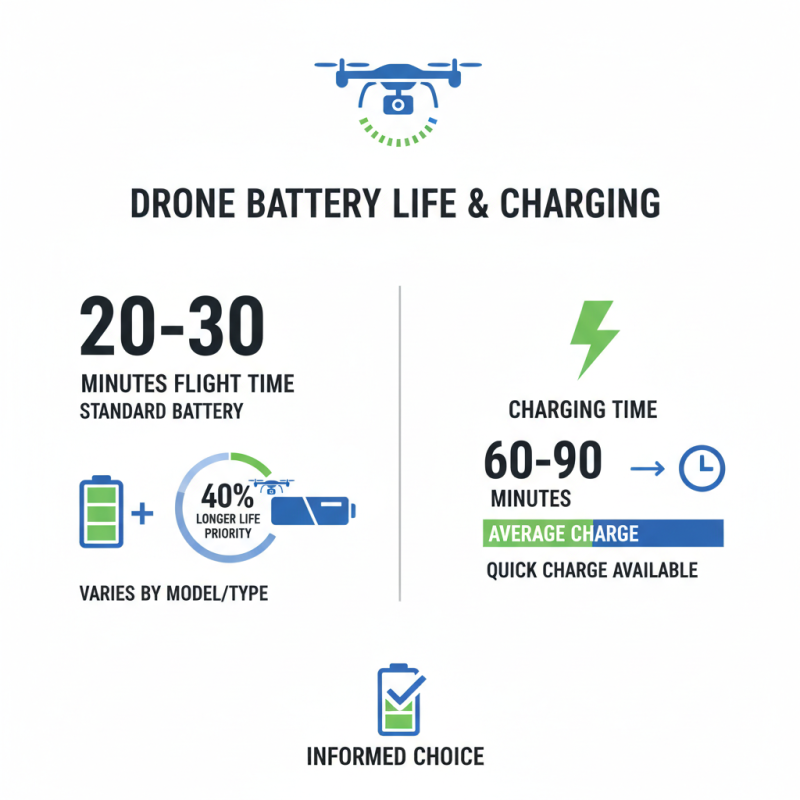
When considering drone battery life, it's crucial to assess how long the battery can sustain flight. For many users, a standard battery offers around 20 to 30 minutes of flight time. However, this varies significantly based on the drone model and battery type. Reports show that 40% of drone owners prioritize longer battery life, highlighting the need for an informed choice when selecting batteries.
Charging time is another vital factor. Many standard batteries can take anywhere from 1 to 3 hours to charge fully. In contrast, some advanced batteries, like Ultra Short-Range Drone Batteries, may offer faster charging options, reducing downtime. A recent study indicates that users often overlook the importance of this feature. Less than half of users consider the charging time when purchasing a drone. This can lead to frustration when battery life doesn’t match their expectations.
Yet, even with advanced options, some batteries may not meet every user's needs. For instance, excess weight can reduce flight efficiency. Regularly, users also face challenges with performance in varied weather conditions. Exploring all these factors is essential in aligning battery choices with actual usage requirements.
Evaluating Cost vs. Quality in Drone Batteries
When selecting drone batteries, a balance between cost and quality is crucial. Many enthusiasts consider low-cost options. However, cheaper batteries often compromise performance. Industry reports indicate that batteries in the mid-range price segment tend to offer the best reliability. These Mid-Range Drone Batteries typically provide a good lifespan and consistent power output.
Quality often reflects in battery capacity and charging cycles. A study showed that higher-quality batteries could last up to 300 charge cycles. In contrast, cheaper alternatives may only endure 150 cycles. This shorter lifespan demands frequent replacements and ultimately inflates costs. Users should also consider materials. High-quality batteries are often built with better components. This means they perform well under demanding conditions.
Choosing the right battery isn't always clear-cut. Some may prioritize low costs over longevity and performance. This path can lead to frustration and extra expenses. Investing in mid-range drone batteries can enhance the flying experience. While the initial cost may be higher, the savings from reduced replacements often justify the investment.
Reviewing Maintenance and Safety Tips for Drone Battery Usage
When using drone batteries, safety and maintenance are crucial. A properly maintained battery not only extends its lifespan but ensures safe flights. Regularly check your battery for signs of wear, such as swelling or corrosion. These issues can lead to failures during flight.
Tips: Charge batteries in a well-ventilated area. Avoid leaving them unattended while charging. A simple glance can prevent potential hazards. It’s wise to store batteries in a cool, dry place. Extreme temperatures can degrade battery performance.
Discharge your batteries to a safe level after each use. Leaving batteries fully charged for too long can shorten their life. Also, consider labeling your batteries. Keeping track of charge cycles helps you monitor their health better. Always remember: neglected batteries can lead to unexpected surprises in the air. Just a slight oversight can turn into a major problem.
Battery Capacity Comparison for Drones
This chart compares the flight time provided by different drone battery capacities, illustrating how larger capacities can lead to extended flight durations, which is crucial for choosing the right drone batteries for your needs.
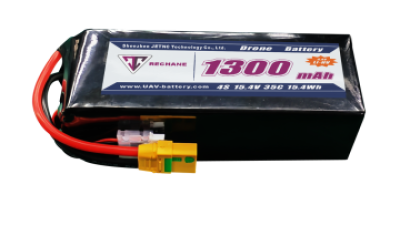
Boosting Drone Performance with JENTC 4s 1300mAh LIHV Batteries: An Insight into Semi-Solid State Technology and Market Trends
The evolution of drone technology is heavily influenced by advancements in battery performance, with semi-solid state technology emerging as a game changer. The JENTC 4s 1300mAh LIHV drone battery exemplifies this evolution. Designed specifically for consumer electronics, this custom lithium battery pack operates at a voltage of 14.8V, providing drones with the power necessary to enhance flight time and overall efficiency. The flexibility in its assembly type, specifically the 3S1P configuration, allows for tailored applications across a variety of drone platforms, making it a versatile choice for hobbyists and professionals alike.
Recent industry reports indicate that the global drone battery market is projected to grow significantly, driven by rising demand for unmanned aerial vehicles (UAVs) in sectors like agriculture, logistics, and surveillance. For instance, a report by ResearchAndMarkets predicts that the drone battery sector will reach a value of approximately $1.5 billion by 2025, reflecting a compound annual growth rate (CAGR) of over 15%. In this context, innovations like semi-solid state technology — which offers higher energy densities and improved safety metrics — are gaining traction. The JENTC battery not only meets regulatory standards with certifications from RoHS, CE, and FCC but also comes with a warranty ranging from 3 months to a year, ensuring reliability and customer satisfaction.
As drone applications continue to diversify, consumers are placing a premium on battery technology that guarantees longer operational periods and faster charge times. The integration of such advancements, alongside user-friendly payment options and localized manufacturing, positions products like the JENTC 4S 1300mAh LIHV battery at the forefront of today’s drone battery landscape, catering to a growing market with specific performance requirements.
FAQS
: Discharge rates affect how quickly a battery releases energy, impacting drone performance during flights.
A higher C rating allows a battery to discharge energy faster, improving altitude gain and maneuverability.
Low discharge rates can lead to shorter flight times and potential loss of control during rapid climbs.
Temperature, weather, and altitude can all impact how a battery performs in practice.
Users need to reflect on their flying conditions and style to choose the right battery type.
While tempting, low-cost batteries often compromise performance and may lead to frequent replacements.
Higher-quality batteries can last up to 300 charge cycles, while cheaper ones may only last 150 cycles.
Regularly check for wear, charge them in ventilated areas, and store them in cool, dry places.
Discharging them to a safe level prevents battery life shortening due to prolonged full charges.
Neglected batteries can lead to issues during flights, turning minor oversights into significant problems.
Conclusion
When selecting the right drone batteries for your needs, it's crucial to understand the various types available in the market. Factors such as battery capacity and voltage directly influence the performance and flight time of your drone. Additionally, assessing discharge rates can provide insight into how quickly a battery can deliver power, thereby affecting your drone’s performance during operations.
The weight and size of drone batteries are also essential considerations, as they can impact the overall flight dynamics. Beyond technical specifications, it's important to explore battery life, charging time, and maintenance practices to ensure optimal usage. Finally, finding the balance between cost and quality will enable you to make informed decisions when investing in drone batteries, ensuring reliability and safety in your aerial adventures.