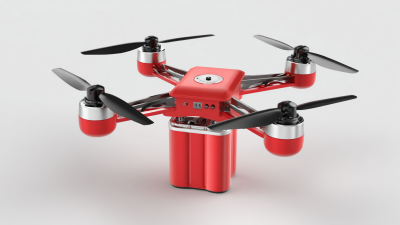
Picking the right 5-inch drone battery isn't just a trivial choice — it really matters if you want to get the most out of your flights and keep things running smoothly. As the drone world keeps growing (did you know the market might hit over $42 billion by 2025?), having a good battery is more important than ever. Studies show that the battery's capacity directly impacts how long you can stay in the air and how reliable the drone is overall, so it's pretty essential to know what specs you should be looking for. Companies like Shenzhen Jentc Technology Co., Ltd., who've been leading the way with top-notch lithium Batteries Since 2011, offer a wide range of options — from high-voltage 4.4V batteries to super fast-charging lithium packs. The key is choosing a battery size that’s just right for your drone — because that’s how you’ll boost performance, extend your flight times, and keep everything safe. Basically, making informed decisions is super important, especially with technology changing so fast these days.
Understanding Drone Battery Types: LiPo vs. Li-ion for 5 Inch Drones
When you're picking the right battery for your 5-inch drone, it really helps to understand the differences between the types out there. For FPV (First Person View) enthusiasts, LiPo (Lithium Polymer) batteries tend to be the go-to choice because they’re super lightweight and can handle high discharge rates. That means they give you more power when you're pulling off those intense maneuvers—perfect for racing or doing tricks. But, gotta keep in mind, they do require some TLC: proper charging, storage, and maintenance to keep them safe and working well over time.
On the flip side, Li-ion (Lithium-ion) batteries have their perks too. They generally pack more energy and last longer, though they’re a bit heavier and don’t deliver power quite as quickly as LiPo batteries. So, if you're just cruising around for fun or jumping into some aerial videos, Li-ion batteries might be simpler and more reliable with less fuss. Ultimately, the best choice depends on your flying style and what your drone needs to perform well. It’s all about finding what works best for you and your setup.
The Importance of mAh Rating: How It Affects Flight Time and Power Output
When you're picking out the right battery size for your 5-inch drone, it’s pretty important to get how the mAh rating works. Basically, the milliamp-hour (mAh) number shows how much energy the battery can store, and that directly affects how long your drone can stay in the air and how much power it can deliver. For example, a drone with a 1300mAh battery might give you around 4 to 6 minutes of flying, whereas bumping that up to a 1500mAh battery could extend your flight time to roughly 6 to 8 minutes — but of course, it depends on things like how you’re flying and what you’re carrying with you (source: Drone Industry Insights).
Here’s a quick tip: when you're choosing a battery, don’t forget to think about the weight and size, too. If the battery’s too heavy, it can mess with your drone’s performance. The goal? Find that sweet spot where capacity and weight are balanced, so your drone can stay snappy and responsive without dragging too much.
Oh, and another thing — you’ll want to pay attention to the discharge rate, which is shown as the 'C' rating. This basically tells you how fast the battery can supply power. If you’re into racing or doing flips and tricks, a higher C rating can really make a difference. For your 5-inch drone, a battery with a 100C rating could give you that extra punch for quick accelerations and sharp turns, helping you get the best performance and maybe even make your batteries last a bit longer (source: RCGroups).
Calculating Voltage Requirements: Matching Battery Specs with Your Drone Motor
Choosing the right battery size for your 5-inch drone is more important than you might think, especially when it comes to getting the best flight performance. Basically, each drone motor is designed to work within a certain voltage range—think somewhere between 3S (11.1V) and 6S (22.2V). I came across a study from Drone Industry Insights that pretty much confirms what we've suspected: running motors at higher voltages can boost both efficiency and power, which means you can fly longer and maybe even get a bit more punch in your lifts. For example, switching from a 3S to a 4S battery could give you around a 15% boost in lift capacity—that’s a game changer for how quick and nimble your drone feels during those tight maneuvers.
Now, here’s a quick tip—make sure whateveR Battery you pick not only matches your motors' voltage needs but also has a suitable C rating. If you're into racing or just love that snappy response, a higher C rating, like 75C, can really make a difference, giving your battery the juice it needs to respond fast. And don’t forget to keep an eye on your battery’s capacity and voltage after each flight. That way, you get a good idea of how healthy it still is, which helps you plan for replacements before things get weird.
When you’re pairing batteries and motors, it's also smart to think about the weight-to-thrust ratio. For competitive flying, aiming for a ratio of at least 2:1 is a good rule of thumb—it helps your drone dive, climb, and zip around more effectively. The FAA even notes that keeping this balance pretty much is key to safe and efficient flying, especially when you're pulling off all those complex moves. So, don’t overlook these little details—they can really make a difference between just okay flying and some seriously smooth, planned-out flights.
Weight Considerations: Impact of Battery Size on Drone Agility and Stability
When you're choosing the right 5-inch drone battery, weight is definitely a big deal—it's one of those things that really affects how your drone handles and stays stable. A heavier battery might mean longer flight times, no doubt, but it can make your drone a bit less nimble. On the flip side, going for a lighter battery can boost agility, making it easier to do quick moves and tight turns, but you probably won't get as much flying time. Finding that sweet spot between weight and power is kinda key—especially if you're into drone racing or aerial photography, where both stability and responsiveness really matter.
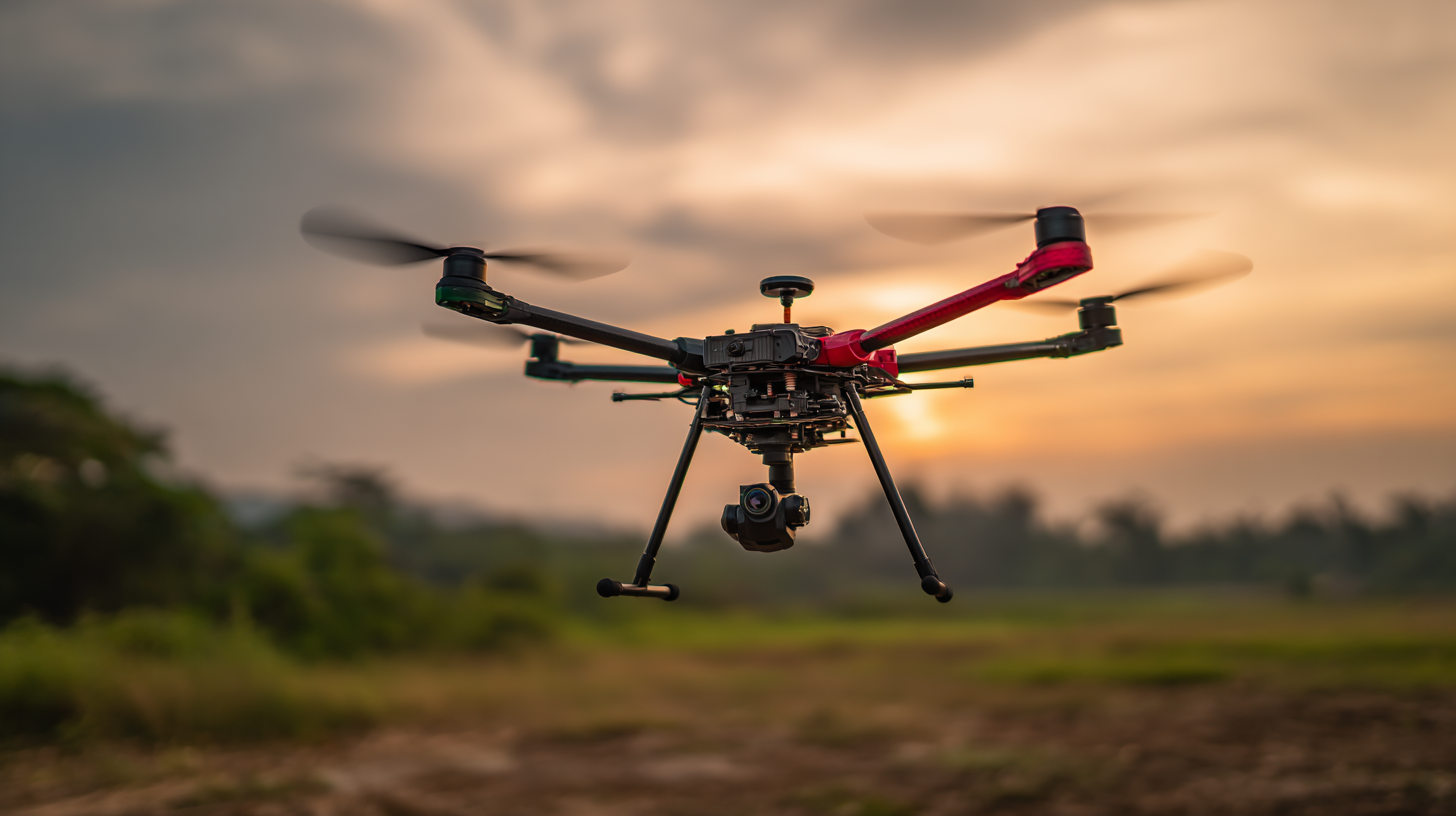
Here at Shenzhen Jentc Technology Co., Ltd., we get it. That’s why we offer high-performance lithium batteries designed specifically to meet these needs. Our batteries, including fast-charging lithium options, are crafted to give you the perfect balance of weight and energy, helping your 5-inch drone perform at its absolute best. So, as you pick out the size of your battery, just keep in mind how each choice impacts your drone’s overall weight. And with Jentc’s advanced tech, you can enjoy a flight that's both agile and stable—making the whole flying experience way more fun.
Evaluating Charge Cycle Life: Choosing Longevity in Battery Selection for 5 Inch Drones
Picking the right battery for your 5-inch drone isn’t just about size — it’s really about understanding how long it’ll last and how well it performs over time. One key thing to keep in mind is the charge cycle life, which basically means how many times you can fully drain and recharge the battery before it starts to lose capacity and your flight times get shorter. According to some research from the International Journal of Electronics, most lithium polymer (LiPo) batteries — which are the go-to for drones — usually give you around 150 to 300 full cycles. That number is pretty important because it tells you how often you’ll need to replace or recharge before performance drops off noticeably.
On top of that, industry folks often talk about the discharge rate, or C rating, which shows how fast a battery can be drained safely. If you’re into racing or just want quick acceleration, you’ll want a battery with at least a 60C rating. That helps your drone respond faster and handle better during those intense flights. Some reports from Drone Industry Insights suggest that picking a battery with a higher cycle life and a solid C rating can really make a difference — not just in how long the battery lasts, but also in how enjoyable your flying experience is. Fewer surprises and less downtime means more time having fun. So yeah, choosing the right battery can seriously up your drone game in terms of both performance and reliability.
Safety and Care: Best Practices for Maintaining Optimal Battery Health and Performance
Taking good care of your drone’s battery is super important if you want it to perform well and last longer. One of the simplest things you can do is to regularly check the voltage—it’s kind of like giving your battery a quick health check. Keeping the voltage within the right range helps avoid over-discharging, which can really tank the battery’s lifespan or even cause permanent damage. Also, make sure you’re using a charger that's made for your specific battery type. That way, you won’t have to worry about overheating or the battery swelling up during charging—that’s always a headache you want to avoid.
Another tip? Pay attention to how you store your batteries. When you’re not flying, it’s best to keep lithium batteries at about 40-60% charge in a cool, dry spot. Avoid storing them somewhere hot or in direct sunlight—temperature extremes can mess with their performance over time. Oh, and don’t forget to do a quick check now and then for any signs of damage or swelling. Catching issues early can save you from potentially more serious problems later on, so you can keep flying safe and get the most out of your drone.
Maximize Your Drone's Potential with the JENTC 6S 8000mAh 25C Lipo Battery: A Game-Changer for UAV Performance
Maximize Your Drone's Potential with the JENTC 6S 8000mAh 25C Lipo Battery: A Game-Changer for UAV Performance
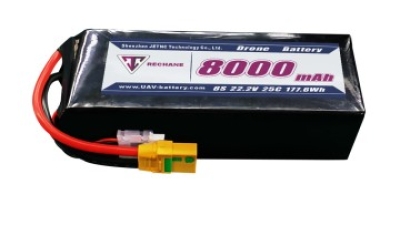
The JENTC FPV 6S 8000mAh 25C lithium polymer battery stands out as a vital upgrade for UAV enthusiasts aiming to enhance their drone's capabilities. With a stable output of 22.2V and a massive capacity of 8000mAh, this battery not only provides extended flight times but also enables drones to carry heavier payloads without compromising performance. Studies have shown that longer battery life can increase operational efficiency by up to 30%, allowing for extended aerial photography sessions, mapping applications, and even agricultural monitoring.
Safety and reliability are paramount in the UAV industry, and the JENTC battery meets these standards with its RoHS, CE, and FCC certifications. These certifications indicate that the battery complies with international safety regulations and ensures that users can operate their drones with peace of mind. Furthermore, as the demand for customized drone solutions continues to grow, the JENTC battery offers options for branding and assembly, catering to the diverse needs of both hobbyists and commercial drone operators. The integration of high-performance batteries like the JENTC FPV 6S into UAV systems paves the way for innovations in aerial technology, reflecting a significant trend within the drone market.
FAQS
: The main types of batteries used for 5-inch drones are LiPo (Lithium Polymer) and Li-ion (Lithium-ion) batteries.
LiPo batteries are favored by FPV enthusiasts due to their high discharge rates and lightweight design, which enhance power delivery during intensive maneuvers, making them ideal for racing and acrobatic flying.
LiPo batteries require careful maintenance, including proper charging techniques and storage, to ensure longevity and safety.
Li-ion batteries have higher energy density and longer lifespan, making them a reliable power source for casual recreational flying and capturing aerial footage with less maintenance involved.
Charge cycle life indicates how many complete discharge and recharge cycles a battery can undergo before capacity diminishes, thus affecting the longevity and performance of the battery.
A battery with a C rating of at least 60C is preferable for 5-inch racing drones, as it facilitates quicker acceleration and better handling during flight.
Proper battery selection, including higher charge cycle life and suitable C ratings, can enhance drone performance by minimizing downtime due to battery replacement and improving overall flight experience.
Someone might choose a Li-ion battery over a LiPo battery for casual flying due to its longer lifespan, lower maintenance needs, and acceptable performance in less demanding scenarios.
Li-ion batteries tend to be heavier than LiPo batteries, which may affect the performance in high-demand scenarios.
Evaluating both the charge cycle life and discharge rate (C rating) of the battery is crucial for optimizing flight time and performance in drones.
Conclusion
Picking the right 5-inch drone battery isn’t just a minor detail — it’s actually key to getting the most out of your flights and making sure everything runs smoothly. Honestly, understanding the different types like LiPo and Li-ion can really help you make a smarter choice for your drone. For example, the mAh rating isn’t just a random number; it’s what determines how long you can fly and how much power your drone has. Oh, and don’t forget — voltage needs to match your drone’s motor specs to keep things ticking nicely. Weight’s another thing to watch out for; bigger batteries might give you more power, but they can also make your drone heavier, which affects how agile and stable it is mid-air.
It's also super important to think about how many charge cycles your battery can handle. A battery that lasts through many flights saves you money and hassle in the long run. And of course, taking care of your battery — following best practices — can really boost its performance and lifespan. Here at Shenzhen Jentc Technology Co., Ltd., we’ve got a bunch of high-quality lithium batteries designed to meet these needs, so you can keep your drone flying reliably and at its best.