In today’s fast-changing tech world, the need for top-notch Application Battery solutions is more critical than ever. I mean, if you look at what Fortune Business Insights reports, the global lithium-ion battery market is expected to hit around $100 billion by 2026, with a pretty solid growth rate of about 20.5% annually. That kind of explosive growth really puts into perspective how important it is for manufacturers to focus on quality and reliability when it comes to their batteries.
Take Shenzhen Jentc Technology Co., Ltd., for example — founded back in 2011, they’ve become one of the go-to providers for advanced lithium battery solutions. They’ve got quite a range, including 4.4V high-voltage batteries, fast-charging lithium batteries, and even batteries for Automated Guided Vehicles (AGVs). As more industries lean on energy storage and power solutions, choosing the right manufacturer isn’t just important — it’s essential for getting the best performance and making sure you stay ahead in the market.
Identifying Key Trends in Battery Technology for 2025 and Beyond
As we get closer to 2025, the world oF Battery tech is really about to go through some exciting changes. Advances in materials, design tweaks, and new applications are all pushing things forward. One of the biggest trends right now? Moving towardsolid-state batteries. They’re supposed to pack in more power and be safer than the traditional lithium-ion ones we’re used to. Honestly, this could totally shake things up — from electric cars to your gadgets — making them last longer and feel a lot safer to use.
On top of that, sustainability is becoming a huge deal in the battery scene. Companies are now focusing more on eco-friendly options, like using recyclable materials and sourcing sustainably. As everyone’s looking to go green, the brands that innovate in this space are probably going to come out on top. Plus, AI is starting to play a bigger role in how batteries are made, helping improve efficiency and keep a close eye on performance — which means manufacturers can better keep up with what we all want and need these days.
Understanding the Importance of Quality Manufacturers in Battery Production
In today’s fast-paced tech world, the quality of batteries really makes a huge difference when it comes to how well devices and systems perform. Picking the right manufacturers is super important because they’re the ones who ensure the batteries aren’t just up to industry standards but also last longer and work more efficiently. Honestly, using cheap or poorly made batteries can cause all sorts of headaches—malfunctions, safety issues, and higher costs—and nobody wants that. So, it’s worth businesses taking the time to do their homework and choose reputable, trustworthy manufacturers.
But understanding why quality really matters goes beyond just the product itself. Good manufacturers tend to use advanced tech and have strict quality control throughout their entire process. That kind of dedication shows in batteries that have better energy storage, faster charging abilities, and improved heat management. Plus, working with reliable suppliers can build stronger, long-term relationships, helping streamline supply chains and even sparking innovation. By putting emphasis on quality when producing batteries, companies can really unlock the full potential of their tech and stay ahead of the competition.
Evaluating Different Battery Types for Effective Applications
When you're trying to pick the right battery type for a specific use, it's pretty important to look at the features and perks of different technologies. Take lithium-ion batteries, for example—they're pretty much everywhere these days, mainly because they pack a lot of power into a small space and don’t lose charge that quickly. According to the International Energy Agency, in 2022, these batteries made up over 80% of the global market for energy storage. That just shows how vital they are, whether it's for your smartphones, laptops, or electric cars. Plus, they charge up fast and can go through tons of cycles without losing their edge—perfect for stuff that needs to be super reliable and last a long time.
On the flip side, even though lead-acid batteries are kind of old school, they’re still holding their ground in certain areas—like backup power systems. BloombergNEF predicts they'll still make up about 25% of the global battery market by 2030, mainly because they're cheaper upfront and pretty easy to recycle. They perform really well under heavy discharge conditions too, which is a big plus in backup and industrial setups. And then there are newer players like solid-state batteries—these are supposed to be safer and more efficient, and a recent study by IDTechEx suggests they could grab around 4% of the market by 2025. So, yeah, choosing the right battery really comes down to what you need—balancing performance, cost, and safety to get the best bang for your buck.
Unlocking Success: How to Choose Quality Manufacturers for Optimal Best Application Battery Solutions - Evaluating Different Battery Types for Effective Applications
| Battery Type | Capacity (Ah) | Voltage (V) | Cycle Life (cycles) | Weight (kg) | Applications |
| Lithium-ion | 20 | 3.7 | 500 | 1.5 | Electric Vehicles |
| Lead-acid | 100 | 12 | 300 | 30 | UPS Systems |
| Nickel-metal hydride | 10 | 1.2 | 300 | 0.5 | Hybrid Vehicles |
| Sodium-ion | 15 | 3.0 | 200 | 2.5 | Renewable Energy Storage |
Navigating the Benefits of Advanced Battery Solutions in Various Industries
In today's world moving at a breakneck speed, everyone’s eyes are on smarter, better batteries—whether it's for electric cars or renewable energy setups. These industries aren’t just after batteries that can keep things running; they want ones that boost efficiency and are friendly to the planet too. Thanks to the latest tech, manufacturers are now crafting batteries that pack more power into less space, last longer, and charge up in a jiffy. It’s a real game-changer, especially for businesses trying to stay efficient while cutting down on environmental impact.
On top of that, the rise of smart battery management systems is totally transforming how we use energy storage. Using data and real-time tracking, companies can fine-tune battery performance, spot issues before they become big problems, and avoid costly downtime. This tech-savvy approach not only keeps operations running smoothly but also helps batteries last longer—and that means serious savings. As more industries wrestle with the tricky stuff around energy storage, teaming up with reliable battery makers becomes super important. It’s all about unlocking the full potential of these advanced batteries—making sure they fit perfectly with what businesses need, and helping us move toward a more sustainable future.
Best Practices for Selecting Manufacturers to Ensure Optimal Performance
When you're choosing manufacturers for the best battery solutions, it’s really important to follow some top-notch practices to make sure everything’s safe, reliable, and performs well. Did you know that, according to a recent report by Markets and Markets, the global lithium-ion battery market is expected to hit a whopping $139.3 billion by 2026? That just goes to show how crucial it is to work with quality manufacturers who can keep up with the rising demand. But here’s the thing—companies shouldn’t just pick by price. They really need to look at how good the tech is, what kind of production processes are in place, and if they’re following international safety standards too.
At Shenzhen Jentc Technology Co., Ltd., we've been around since 2011, and our main goal is to provide high-performance lithium batteries—stuff like 4.4V high-voltage options and fast-charging versions. Honestly, investing in R&D is a must for manufacturers if they want to stay ahead in the game. Industry experts agree—those who focus on innovation and technology can get products to market faster and make them more reliable. Working with manufacturers who stick to strict quality checks can really help cut down on risks like battery failures and, in turn, make our end users way happier.
Unlocking Success: Quality Manufacturers for Optimal Battery Solutions
Future Predictions: How Battery Innovations Will Shape Business Success
As we look ahead to the future of battery tech, experts are buzzing about some pretty exciting innovations that could really shake things up across various industries. According to a report from BloombergNEF, the market for lithium-ion batteries might hit over a trillion dollars by 2030. That's mainly thanks to the faster adoption of electric vehicles and the growing need for renewable energy storage. Companies that jump on board early with cutting-edge battery tech, like solid-state batteries, could boost their efficiency by up to 25%. It’s a huge opportunity to open up new avenues for growth and stay ahead of the game.
Plus, the International Energy Agency (IEA) is saying that battery costs are expected to drop significantly—lithium-ion batteries could cost around $100 per kWh by 2025. That’s great news not just for electric car makers, but also for industries like consumer electronics and renewable energy. If businesses team up with top manufacturers who are developing these game-changing technologies, they’ll be in a prime spot to stand out in a pretty crowded market. All in all, it looks like those who adapt early will really have the edge when it comes to operational success and staying ahead of the competition.
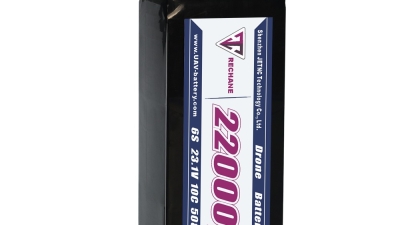
Maximizing Drone Performance: Insights from Industry Reports on JENTC 6s 22000mAh Semi-Solid Batteries for Extended Flight Times
In the rapidly evolving world of drone technology, maximizing flight performance is paramount for enthusiasts and professionals alike. One of the key factors influencing drone operation is the battery system, and recent industry reports highlight the JENTC 6s 22000mAh semi-solid battery as a game-changer in this field. This high-capacity lithium battery pack, designed specifically for drones, delivers impressive power with its robust 22000mAh capacity and 22.8V voltage, ensuring extended flight times that can significantly enhance productivity and operational efficacy.
The JENTC LI-HV 6s battery stands out not only for its performance but also for its quality and reliability. Originating from China, it is equipped with essential certifications like RoHS, CE, and FCC, ensuring that it meets international safety and environmental standards. Users can trust its design for various applications, making it a versatile choice for both hobbyists and commercial drone operators. With a warranty period ranging from 3 months to 1 year, the JENTC battery also offers peace of mind, allowing users to focus on their missions rather than battery concerns.
Investing in the JENTC 6s 22000mAh semi-solid battery can significantly improve your drone's flight experience, pushing boundaries in what is achievable in aerial applications. As the drone industry continues to grow, embracing such advanced power solutions will undoubtedly set you apart in maximizing performance efficiency.
FAQS
: Lithium-ion batteries offer high energy density, low self-discharge rates, quick charging capabilities, and a significant number of charge cycles, making them suitable for reliable applications in various industries, including consumer electronics and electric vehicles.
Lithium-ion batteries accounted for over 80% of the global battery storage market in 2022, according to the International Energy Agency (IEA).
Lead-acid batteries remain relevant due to their lower initial cost, ease of recycling, and robust performance under high discharge rates, particularly for standby power applications.
Lead-acid batteries are projected to capture around 25% of the worldwide battery market by 2030, as reported by BloombergNEF.
Solid-state batteries are an emerging technology that promises greater safety and efficiency, with a projected market share of 4% by 2025, as noted by IDTechEx.
Advanced battery solutions are enhancing efficiency and sustainability across industries such as electric vehicles and renewable energy systems by providing reliable power, improved energy density, longer life cycles, and faster charging times.
Smart battery management systems utilize data analytics and real-time monitoring to optimize battery performance, predict maintenance needs, and minimize downtime, ultimately extending battery life and providing cost savings.
Partnering with quality manufacturers is crucial for unlocking the full potential of advanced battery technologies, ensuring that they meet specific application demands while driving towards sustainable practices.
Industries today seek batteries with reliable power output, enhanced energy density, longer life cycles, and faster charging times that align with their goals of efficiency and reduced environmental impact.
The evolution of battery technology, including improved energy density and smart management systems, contributes to operational efficiency by reducing downtime and enabling better performance monitoring and maintenance.