When you're picking out the right Inspection Drone Battery, it's really important to understand what you actually need. John Matthews, who's pretty much an authority in drone tech over at DroneTech Solutions, once mentioned, “The right battery can seriously boost how efficient your operations are.” That really drives home how crucial it is to choose a battery that fits your specific inspection tasks.
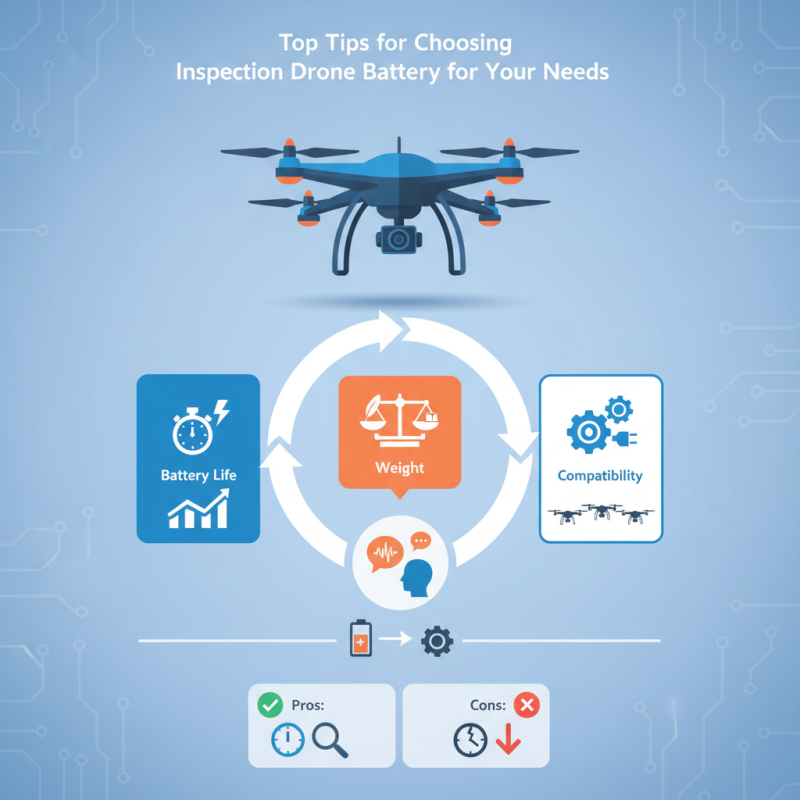
A reliable Inspection Drone Battery isn’t just about power; it’s about making sure you get those long flights, especially when you're dealing with complex inspections. Think about things like battery life, how much it weighs, and whether it’s compatible with your drone. All of these details can make or break your inspection process.
And, honestly, not All Batteries are created equal—what works great in one situation might not cut it in another. Sometimes, you might run into problems like unexpected delays because the battery doesn’t perform consistently. For example, a battery that’s too heavy can cut down your drone’s flight time pretty quickly. So, it’s really worth weighing the pros and cons before making a decision. The rightPower Inspection Drone Battery can totally change how you work and help you get more accurate inspection results.
Understanding Drone Battery Types for Inspections
When selecting a drone battery for inspections, understanding the different types is essential. Lithium polymer (LiPo) batteries are popular for their lightweight and high energy density. They deliver quick power bursts, which is perfect for short, intense inspection flights. However, LiPo batteries require careful handling. They can be volatile if damaged or improperly charged. This aspect necessitates more caution from users.
Another option is lithium-ion batteries. They are heavier but tend to have a longer lifespan. Their stability makes them suitable for longer inspection sessions. Still, the trade-off for stability is less immediate power output. Users must assess their specific inspection needs when choosing between these options.
The capacity and discharge rating of batteries matter as well. Higher capacity means longer flight times, but it can also increase weight. Conversely, a battery with a high discharge rate can support more demanding drone functions. There’s no one-size-fits-all approach. Evaluating the drone's requirements alongside battery characteristics can lead to better outcomes. Making an informed choice enhances inspection efficiency and safety.
Evaluating Battery Capacity and Flight Time Requirements
When selecting an Inspection Drone Battery, evaluating Battery Capacity is crucial. Capacity influences how long your drone can stay airborne during inspections. A higher capacity often means longer flight times. However, this adds weight, affecting maneuverability. It is essential to balance capacity with your operational needs.
Flight time is another vital factor. Consider the types of inspections you conduct. Some tasks require more time in the air, while others may be brief. Aim for a battery that meets your specific requirements without being excessive. Be mindful of the battery's weight and how it impacts the drone's stability and control.
Inspections in challenging environments can drain batteries faster than expected. Make sure to test your setup to understand real-world performance. Regularly reviewing battery life will help identify any inconsistencies. This reflection is key to choosing the best Inspection Drone Battery for your needs. Always aim for reliability and efficiency in your choices.
Battery Capacity and Flight Time Comparison for Inspection Drones
Assessing the Impact of Weather Conditions on Battery Performance
Weather conditions play a significant role in the performance of inspection drone batteries. Cold temperatures can lead to reduced battery life and overall capacity. Batteries may discharge more quickly in chilly environments, limiting flight time. If you plan to operate drones in winter, consider choosing batteries designed for cold weather performance.
Humidity also affects battery efficiency. High moisture levels can cause corrosion and decreased performance. Drone operators need to monitor weather conditions closely before flights. If humidity is high, it's wise to consult battery specifications. Some batteries handle humidity better than others.
It’s essential to reflect on the specific needs of your operations. Assess where you will be using your drone. Are conditions usually dry or wet? Is it warm or cold? These factors directly influence battery choice. You might find that a battery working well in one season struggles in another. Be open to testing various options to identify the most reliable battery suited for your environmental conditions.
Considering Recharge Time and Charging Options for Efficiency
Choosing the right inspection drone battery involves understanding recharge time and charging options. Efficient charging can significantly impact your workflow. Industry studies indicate that drone downtime can lead to operational delays, costing companies up to 30% of labor costs in some inspections. Therefore, a battery that charges quickly can maximize productivity.
Recharge time varies across batteries. Some high-capacity lithium polymer batteries can recharge in under an hour. This quick turnaround allows for multiple flight sessions in a single day. Conversely, others take hours to reach full capacity. Assessing charging options is essential. Many models support different charging methods, like fast chargers or solar options, catering to various operational environments.
Reflecting on charging efficiency prompts many users to rethink their choices. Inspection teams might find themselves waiting for batteries to charge on-site. This gap can be frustrating and lead to unproductive downtime. Thus, focusing on batteries with versatile charging options and shorter recharge times should be a priority. Emphasizing efficiency enhances overall project deliverables.
Top Tips for Choosing Inspection Drone Battery for Your Needs
| Battery Type | Capacity (mAh) | Recharge Time (Hours) | Charging Options | Run Time (Minutes) |
| LiPo | 4500 | 1.5 | Standard Charger | 25 |
| NiMH | 3000 | 2 | Fast Charge | 20 |
| Li-ion | 5200 | 1 | USB-C | 30 |
| Lithium Iron Phosphate | 6000 | 2.5 | Solar Option | 35 |
| Lithium Polymer | 4000 | 1.2 | Dual Charger | 28 |
Comparing Price vs. Quality: Finding the Right Budget
When selecting an Inspection Drones Battery, price and quality are vital considerations. A lower-priced battery may seem appealing, but it could lack reliability. You want a battery that lasts and provides consistent power. However, investing more does not always equate to greater performance. It’s essential to analyze what different price points offer.
Quality should not be overlooked. Sometimes, a mid-range battery performs better than a high-priced model. Research is crucial here. Customer reviews can provide insight into long-term use. Look for users who detail their experiences. Pay attention to issues like overheating, charge duration, and safety. These factors directly affect your drone's performance.
Lastly, recognize that not every battery will suit your needs perfectly. You might find that some don't offer the range you expect. This can be frustrating. Trial and error may lead you to the ideal choice. Prioritize your specific requirements, such as flight time and payload capacity. Your drone setup deserves the attention to detail that a careful battery selection demands.
Exploring Battery Life Cycle and Maintenance Best Practices
When selecting a drone battery, understanding the life cycle is crucial. Each battery has a finite lifespan. Regular usage can significantly affect its performance. Overcharging can lead to early degradation. This highlights the importance of monitoring battery health regularly.
When maintaining your Quad Drone Battery, consider the environment. Extreme temperatures can impact battery longevity. Storing batteries in a cool, dry place ensures optimal performance. Also, regularly cleaning the battery contacts can enhance connectivity.
A shorter flight time might indicate it's time for a replacement. Avoid waiting for the battery to completely drain before recharging. This habit can shorten its cycle life. Also, familiarize yourself with the manufacturer's guidelines for optimal charging practices. Engaging in simple maintenance can extend the operational life of your quad drone battery and ensure performance when it matters most.
Selecting Trusted Brands and Reliable Sources for Purchase
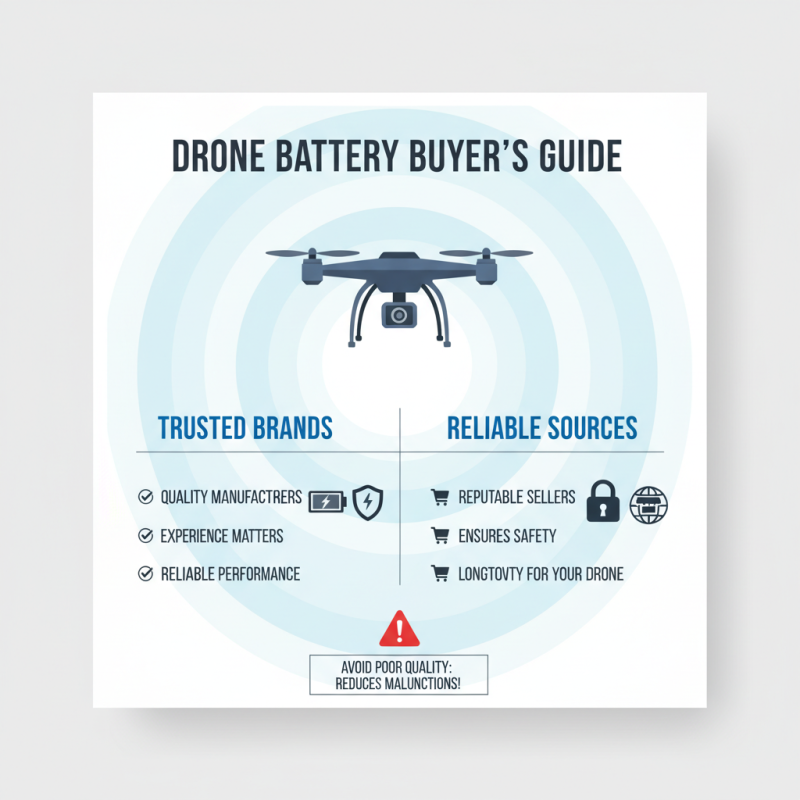
When selecting a drone battery, the source of purchase plays a crucial role. Trusted brands are essential. Look for manufacturers with a reputation for quality. Their experience matters. You want a battery that delivers reliable performance. Poor quality batteries can lead to malfunctions during critical inspections. Choosing a reputable seller ensures safety and longevity for your drone.
Shopping online? Check reviews before buying. Community feedback helps validate a company's product reliability. Visit forums and social media groups. Seek advice from experienced drone operators. They often share which brands are trustworthy. Knowledge gained from these discussions can be invaluable. Some sellers may focus solely on price, neglecting quality.
Don't forget to consider the specifications. You need a compatible battery, like the Drone Battery 3.7v. Mismatched specifications can damage your drone. It's also wise to explore warranty options. A solid warranty indicates manufacturer confidence. It’s a good sign. In the long run, investing in a reliable source pays off.
Maximizing Drone Performance with JENTC LI-HV 12s 22000mah 10c Semi-Solid State Battery: A Comprehensive Guide
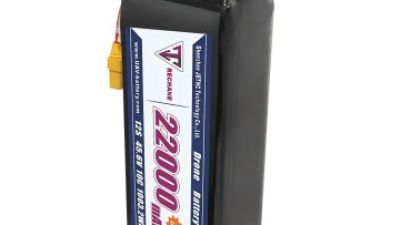
When it comes to optimizing drone performance, the choice of a battery can make a significant difference in flight duration and reliability. The JENTC LI-HV 12s 22000mAh 10C semi-solid state battery stands out as a leading option for enthusiasts and professionals alike. With a substantial capacity of 22000mAh and a voltage of 44.4V, this battery not only provides long-lasting power but also maintains a lightweight profile essential for high-performance drones.
According to recent industry analyses, the demand for high-capacity drone batteries is rapidly increasing, projected to reach a market value of over $1 billion by 2026. Batteries like the JENTC LI-HV offer unique advantages due to their semi-solid state technology, which enhances energy density and reduces the risk of leakage or combustion, a common concern with traditional lithium-ion batteries. Furthermore, this battery meets rigorous standards such as RoHS, CE, and FCC, ensuring safety and compliance for users worldwide.
Reliability is another critical factor, especially in professional settings where drone performance can significantly impact operational success. High-performance batteries like the JENTC model are built to sustain heavy usage, catering to demanding applications in aerial photography, surveying, and agriculture. With warranties ranging from 3 months to 1 year, users can invest in this battery with confidence, knowing they have a dependable power source that is engineered for longevity and high output. As drone technology advances, embracing such innovations will be crucial for maximizing aerial capabilities.
FAQS
: Battery capacity affects how long your drone can fly during inspections. More capacity often leads to longer flight times.
Higher capacity batteries can add weight, which affects maneuverability. It's important to balance capacity with operational needs.
Consider the types of inspections you conduct. Some may require longer flight times, while others may be brief.
Challenging environments can drain batteries faster. Testing setups helps understand real-world performance.
While appealing, cheaper batteries may lack reliability. It's essential to consider quality over price.
Reviews provide insights into performance issues like overheating and charge duration. Look for detailed user experiences.
It can be frustrating when a battery falls short. Trial and error may be necessary to find the ideal match.
Trusted brands usually have a reputation for quality. Reliable performance is crucial, especially for critical inspections.
Check online reviews and community feedback. Forums and social media groups offer valuable insights from experienced operators.
Ensure the battery specifications match your drone's requirements. Mismatched specifications can cause damage.
Conclusion
When selecting an Inspection Drone Battery, it is crucial to understand the various battery types available, as each can significantly affect the drone's performance during inspections. Evaluating battery capacity and required flight time ensures that the drone can complete necessary tasks without interruptions. Additionally, weather conditions should be considered, as they can impact battery efficiency and longevity.
Recharge time and available charging options are also vital for maintaining operational efficiency. It's important to strike a balance between price and quality to ensure you stay within budget while not sacrificing performance. Furthermore, knowing the battery life cycle and adhering to maintenance best practices will help extend the lifespan of your Inspection Drone Battery. Finally, procuring batteries from trusted brands and reliable sources is essential to ensure optimal performance and safety during inspections.