Inquiry
Form loading...
0%

Lately, there's been a big push in the industry to switch to more sustainable energy solutions. A lot of that focus is on some pretty cool technology, like high-voltage Battery Systems. If you keep an eye on what the International Energy Agency (IEA) says, they’re actually predicting that worldwide, electric vehicle (EV) sales could hit over 30 million by 2030. That’s a huge jump, and it means there’s gonna be a really big need for batteries that can pack a punch—ones that can store and deliver energy efficiently. As folks in the energy world try to cut down on carbon emissions and make the grid more reliable, these high-voltage batteries are becoming pretty much essential—especially for stuff like EVs and integrating renewable energy sources.

And it’s not just speculation. According to Bloomberg New Energy Finance, the market for these high-voltage battery systems is set to blow up to over $200 billion by 2025. Why? Because Battery Tech is improving all the time, and there’s more investment pouring into clean energy projects. Big names like Tesla and CATL are really pushing the envelope, coming up with batteries that don’t just hold more energy but also last way longer. That’s a huge step toward greener energy solutions. As we look ahead to the top players in the “2025 Top 10” list, it’s clear: understanding high-voltage battery systems is more important than ever if we really want a strong, sustainable energy future.


Why Choosing High Voltage Batteries is Essential for Modern Energy Solutions

The Growing Demand for High Voltage Battery Technology

Why Choosing High Voltage Batteries is Essential for Modern Energy Solutions

The Growing Demand for High Voltage Battery Technology is becoming increasingly apparent as the global automotive power module market is projected to grow from $9.86 billion in 2025 to $25.14 billion by 2032, reflecting a compound annual growth rate of 14.3%. This immense growth is driven by the surge in demand for electric vehicles (EVs) and advanced technologies such as humanoid robots, whose mass production is anticipated to kickstart in 2025. Lithium batteries, recognized as the core power source for these innovations, are at the forefront of this technological revolution.

As the energy landscape shifts towards renewable and nuclear sources to meet rising electricity demands, breakthroughs in battery technology, particularly solid-state batteries, are crucial. These batteries are expected to achieve significant density gains, with projections indicating up to 604 Wh/kg by 2027, potentially redefining energy storage capabilities.

Tip: Companies focusing on battery innovations must keep a close eye on material advancements like manganese and sulfur-based cathodes, which are set to gain traction as the industry pivots towards high-performance solutions. Engaging in this forward-thinking approach will be essential for capturing opportunities in the expanding AIDC supply chain market.

Key Benefits of High Voltage Batteries in Energy Storage

High voltage batteries are increasingly recognized as pivotal components in modern energy solutions, particularly in the context of energy storage. The global market value for lithium iron phosphate batteries is projected to rise from $15.28 billion in 2023 to approximately $124.42 billion by 2032. This immense growth reflects the escalating demand for efficient energy storage systems that can stabilize power grids and accommodate higher proportions of renewable energy.

A central benefit of high voltage batteries lies in their ability to enhance grid resilience. As energy demands evolve, the incorporation of advanced battery management technologies becomes crucial for optimizing performance. The use of high voltage systems allows for more effective electrical current control, which not only increases the overall efficiency of energy storage solutions but also strengthens grid stability.

Tips: When considering high voltage battery options, focus on suppliers that demonstrate superior battery management systems (BMS) to ensure longevity and safety. Additionally, keep an eye on innovations in semiconductor technology, as these developments are enhancing storage capabilities and driving down costs, making energy solutions more accessible than ever.

Applications of High Voltage Batteries in Renewable Energy Systems

High voltage batteries play a pivotal role in modern renewable energy systems, particularly in applications such as energy storage and management. The recent contract awarded to a major player in India for a 3 GWh battery storage project exemplifies the growing demand for reliable and efficient energy solutions. This significant deployment of battery energy storage systems (BESS) highlights the critical need for high-capacity energy storage solutions that can support fluctuating energy generation from renewable sources like solar and wind.

As the global market for direct current (DC) contactors is projected to reach $485.17 million in 2024 and grow substantially over the following years, investments in high voltage battery technology become increasingly essential. These batteries not only enhance the efficiency of energy storage and distribution but also contribute to achieving sustainability goals. The rapid growth seen in solar charging controller markets further indicates the rising integration of high voltage batteries in the renewable energy landscape, facilitating smoother energy transitions and enabling a more resilient energy infrastructure.

Challenges in Implementing High Voltage Battery Solutions

The transition to high voltage battery solutions represents a crucial step in modern energy applications, particularly as industries seek efficiency and performance in their energy storage systems. High voltage batteries, such as those provided by Shenzhen Jentc Technology Co., Ltd., are designed to meet the rigorous demands of today's technology, including fast charge capabilities and reliability required in automated guided vehicles (AGVs). However, implementing these advanced solutions comes with its own set of challenges.

One of the primary obstacles in adopting high voltage battery technology is the complexity of integration into existing systems. As companies strive for higher energy density and reduced weight, the need for specialized designs and manufacturing processes becomes evident. Additionally, safety concerns surrounding high voltage systems must be addressed, necessitating rigorous testing and compliance with safety standards. While the advantages of high voltage batteries are clear, overcoming these challenges is essential to fully leverage their potential in driving innovation in energy solutions.

Why Choosing High Voltage Batteries is Essential for Modern Energy Solutions - Challenges in Implementing High Voltage Battery Solutions

Dimension Description Current Status Challenges
Energy Density The amount of energy stored per unit volume or mass. High energy density achieved with modern materials. Material costs and sourcing reliability.
Safety Risk of thermal runaway and other hazards. Increasing safety through better design and materials. Regulatory standards and testing procedures.
Charging Speed Time required to fully charge the battery. Fast charging technologies in development. Heat management and battery life trade-offs.
Lifecycle Number of charge/discharge cycles the battery can withstand. New chemistries extending lifecycle. Degradation properties and material fatigue.
Environmental Impact Effects of battery production and disposal on nature. Growing focus on eco-friendly materials. Recycling technologies and market availability.

Future Trends in High Voltage Battery Development and Innovation

Why Choosing High Voltage Batteries is Essential for Modern Energy Solutions

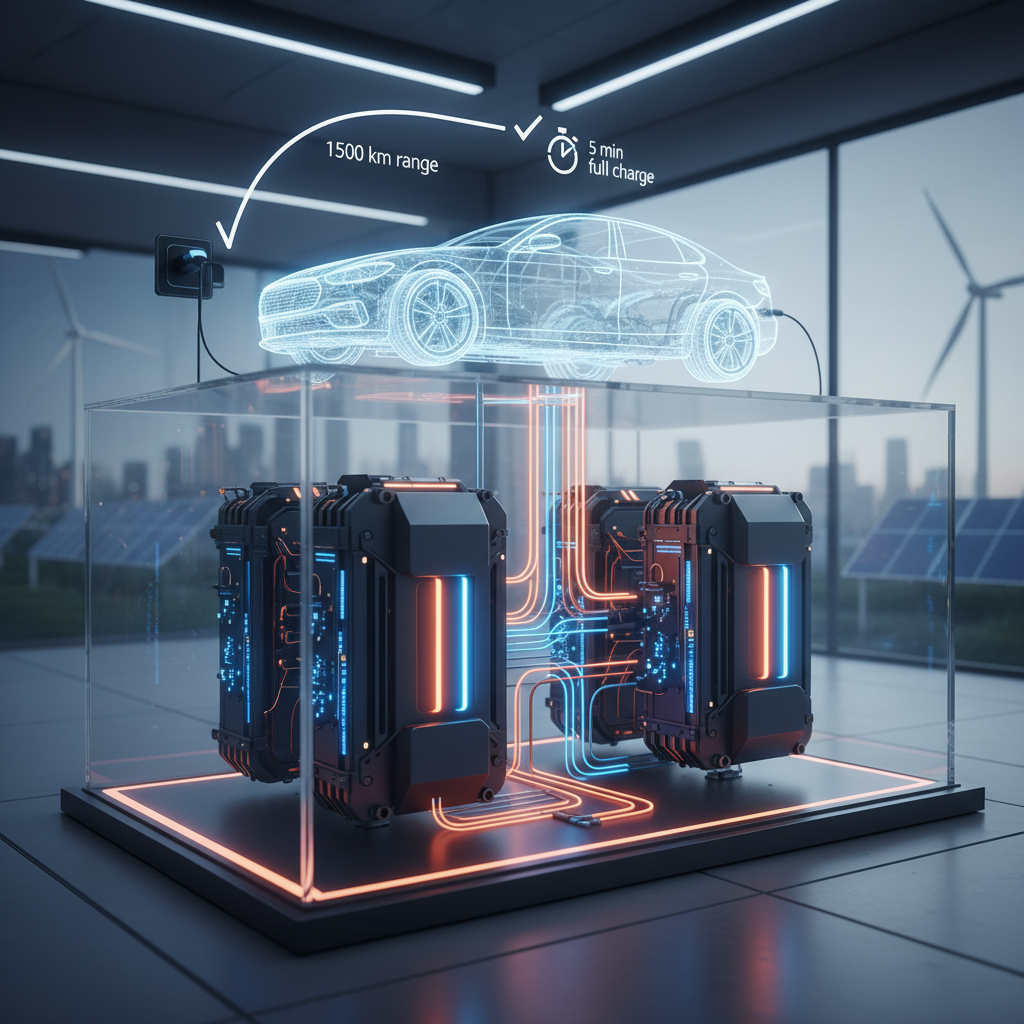
The future of high voltage battery technology is shaping the landscape of modern energy solutions, with significant trends emerging in the energy storage sector. Innovations such as ultra-fast charging and extended range batteries are crucial in addressing consumer needs and mitigating range anxiety associated with electric vehicles. Recent advancements include a battery capable of reaching a 1500 km range on a single charge, alongside a groundbreaking charging solution that fully recharges in just five minutes. These developments reflect a growing emphasis on efficiency and convenience, key factors driving adoption rates in the automotive industry.

Moreover, the ascent of alternative battery chemistries, like sodium-ion technology, signifies a shift towards sustainable materials and cost-effective production methods. This pivot aligns with global trends favoring environmentally friendly solutions and illustrates the competitive innovation landscape. In a climate where numerous startups emerge, companies focusing on storage technology play vital roles in redefining energy consumption and infrastructure. By understanding these trends and innovations, businesses can better strategize and capitalize on the evolving market dynamics around high voltage battery solutions.

Maximizing Drone Flight Time: Insights from the Latest Industry Reports on High Voltage Drone Battery Technology

Maximizing drone flight time has become a critical focus in the rapidly evolving field of drone technology. Recent industry reports highlight the significant advancements in high voltage battery technology, particularly the introduction of HV LiPo batteries. These innovative lithium polymer batteries boast a single cell voltage of 4.4V and above, setting them apart from traditional lithium batteries. The increased voltage translates to enhanced energy density and a more stable discharge platform, making them a game-changer for drone operators.

The benefits of HV LiPo batteries are striking. They allow drones to release an additional 10%-30% of energy compared to their traditional counterparts, which directly contributes to extended flight times. Moreover, these high-voltage batteries, such as 12S, 14S, and 16S configurations, deliver superior energy output without increasing weight, significantly enhancing both endurance and payload capacity. As drone applications grow—from aerial photography to agricultural monitoring—implementing these advanced battery technologies can provide operators with the competitive edge they need in the field.

FAQS

: What role do high voltage batteries play in renewable energy systems?

: High voltage batteries are crucial in renewable energy systems for applications such as energy storage and management, helping to support fluctuating energy generation from sources like solar and wind.

Why is there a growing demand for high voltage battery storage projects?

The growing demand is driven by the need for reliable and efficient energy solutions to store large amounts of energy, as demonstrated by significant projects like the 3 GWh battery storage project recently awarded in India.

What is the projected market growth for direct current (DC) contactors?

The global market for DC contactors is projected to reach $485.17 million in 2024, with substantial growth expected in the following years.

How do high voltage batteries contribute to sustainability goals?

High voltage batteries enhance the efficiency of energy storage and distribution, aiding in the transition towards sustainable energy solutions and supporting renewable energy integration.

What challenges are associated with implementing high voltage battery solutions?

Challenges include the complexity of integrating these batteries into existing systems, the need for specialized designs and manufacturing, safety concerns, and the necessity for rigorous testing and compliance with safety standards.

What specific technologies are high voltage batteries designed to support?

High voltage batteries are designed to meet the demands of advanced technologies, such as fast charging capabilities needed in automated guided vehicles (AGVs).

What market trends indicate the integration of high voltage batteries in energy systems?

The rapid growth of solar charging controller markets reflects the increasing integration of high voltage batteries in the renewable energy landscape, promoting smoother energy transitions.

How do high voltage batteries enhance energy efficiency?

They improve energy storage and distribution efficiency by allowing for higher energy density and reduced weight, leading to more effective energy management solutions.

What is the significance of safety standards in the use of high voltage batteries?

Safety standards are essential to address concerns surrounding high voltage systems, ensuring that these batteries are tested thoroughly to mitigate risks during operation.

What role does innovation play in the adoption of high voltage batteries?

Overcoming challenges in the implementation of high voltage batteries is essential for fostering innovation and maximizing their potential in driving advancements in energy solutions.

Conclusion

The growing demand for high voltage battery technology is driven by the need for efficient energy storage solutions in the face of increasing renewable energy production. High voltage batteries offer significant benefits, including improved energy density, faster charging capabilities, and enhanced performance in various applications, such as electric vehicles and grid energy management systems. Companies like Shenzhen Jentc Technology Co., Ltd. are at the forefront of this innovation, providing a range of specialized battery solutions, including 4.4V high-voltage batteries and fast-charge lithium batteries.

However, the implementation of battery high voltage solutions also comes with challenges, such as safety concerns and integration complexities within existing energy infrastructures. Looking forward, advancements in technology and materials are expected to overcome these hurdles, paving the way for a more sustainable energy future. Jentc Technology's commitment to developing high-performance lithium batteries positions them as key players in this dynamic industry, ready to meet the evolving needs of energy storage and management.
Evelyn

Evelyn

Evelyn is a dedicated marketing professional at Shenzhen Jentc Technology Co., Ltd., where she plays a crucial role in promoting the company’s innovative high-performance lithium battery solutions. With an in-depth knowledge of the product portfolio, which includes advanced offerings like 4.4V......
Previous Unlocking the Potential: Advantages of Harnessing Battery Power for Global Supply Chains