Picking the right battery for your drone is super important. A good 6V Drone Battery can really make a difference in how well your drone performs and how long it lasts. Honestly, battery tech can get pretty confusing—there are so many features and brands out there. It’s easy to overlook some stuff, and that can lead to some pretty frustrating moments during your flights.
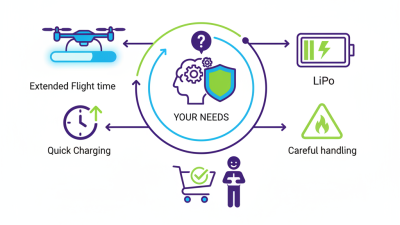
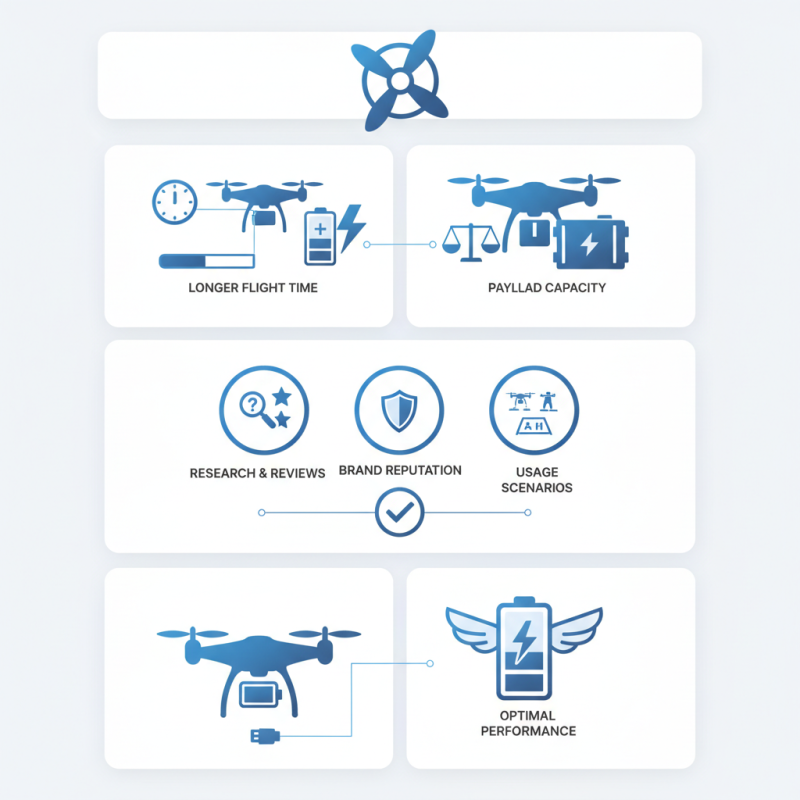
Figuring out what you actually need is key. Think about how long you want your flights to last. How much weight can your drone carry without struggling? These are important questions. If you pick the wrong battery, it could mess with how your drone flies—maybe even cause instability or shorter flight times.
Good news is, there are plenty of reliable 6V Drone Batteries out there from different brands. But honestly, it can feel overwhelming trying to figure out which one’s best. Checking out some honest reviews can really help you cut through the noise. Take a moment to think about how you’ll be using your drone most often and what you expect from the battery. That’ll help you find the perfect match, including options like aQuad Drone Battery. Your drone deserves the best, so it’s worth taking the time to make an informed choice.
Understanding 6v Drone Batteries: An Overview
When it comes to drones, understanding the battery is crucial. 6v drone batteries power various models. These batteries offer stability and ensure long flight times. However, choosing the right one can be daunting due to numerous options available.
Reports indicate that battery performance often declines after 200 cycles. This data underscores the importance of regular monitoring and replacement. Efficient drones typically require batteries that can maintain a consistent voltage. A battery's capacity usually determines how long the drone can fly. If you find that your drone struggles with longer flights, you may need a new battery.
**Tip:** Always check the specifications of your drone before purchasing. Ensure the 6v battery meets your drone’s voltage and capacity requirements.
Many enthusiasts explore alternatives like the Drone Battery 3.7v. These batteries are popular for lightweight drones but may not support all models. Battery size and weight significantly affect flight stability.
**Tip:** Conduct thorough research and read user reviews. This information can prevent unnecessary purchases. The right battery not only enhances performance but ensures safety during flight.
How to Choose the Best 6v Drone Battery for Your Needs?
| Parameter | Value | Description |
| Voltage | 6 Volts | Standard voltage for most drone applications. |
| Capacity | 1000 - 2000 mAh | Indicates the amount of energy the battery can store. |
| Discharge Rate | 20C - 30C | How quickly the battery can discharge safely. |
| Weight | 100 - 250 grams | Important for overall drone weight and performance. |
| Battery Type | LiPo | Lithium Polymer batteries are common in drones. |
| Charge Time | 1 - 2 hours | Time taken to fully charge the battery. |
| Cycle Life | 300 - 500 cycles | Number of charge-discharge cycles before capacity diminishes. |
Types of 6v Drone Batteries: Lead Acid vs. Lithium Polymer
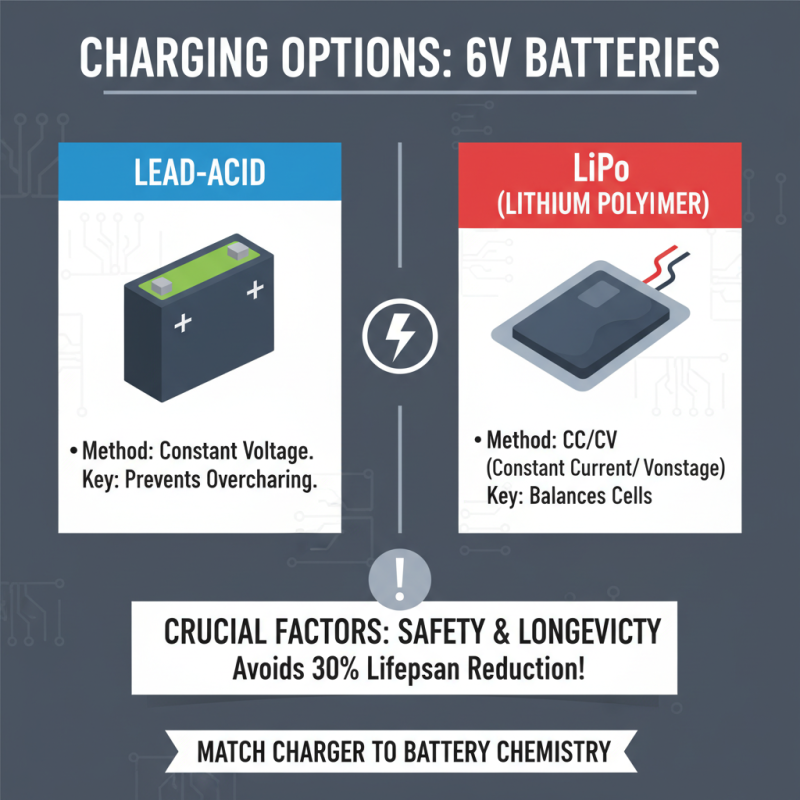
When selecting a 6V drone battery, understanding the types available is crucial. Two primary options are lead-acid and lithium polymer (LiPo) batteries. Lead-acid batteries are generally more affordable and have a longer life cycle. However, they are heavier and less efficient. Their weight can affect the drone's flight performance and agility. Recent studies show that lead-acid batteries can deliver approximately 30-40% lower energy density compared to LiPo.
On the other hand, LiPo batteries are lighter and provide higher energy density. They can discharge at a higher rate, which is beneficial for high-performance drones. According to industry reports, over 70% of modern drone manufacturers prefer using LiPo batteries. The downside is their sensitivity to temperature and over-discharge. Improper handling can lead to battery swelling or fire hazards. Users must ensure they have proper storage and charging setups to mitigate these risks.
While both battery types have merits, choosing the best one depends on your drone's requirements and usage scenarios. Assessing your flight time, weight limits, and maintenance capabilities reveals insights into which battery best suits your needs. The evolving technology in drone batteries means staying informed is essential. Scrutinizing weight, runway distance, and longevity will lead to informed decisions.
Evaluating Battery Capacity: mAh Explained for Drone Usage
When choosing a drone battery, understanding battery capacity is essential. The capacity is measured in milliamp hours (mAh). This measurement indicates how much energy the battery can store. Generally, a higher mAh rating signifies a longer flight time. For instance, batteries with a capacity of 800mAh can significantly increase operational efficiency.
In drone applications, battery capacity directly affects performance. A Drone Battery 3.7 V 800mah can power small drones for about 10 to 15 minutes under ideal conditions. However, factors like weight and flight style can alter these figures. Heavy payloads can drain batteries faster than expected. A professional report indicates that many users underestimate the impact of wind resistance on flight time. It's crucial to evaluate all aspects of usage.
Consider battery weight relative to drone design. Even a seemingly insignificant difference can reduce flight time. A well-balanced battery provides optimal performance, but too much weight can imbalance the drone. Plus, users often overlook the importance of battery maintenance. Proper charging practices can extend battery life, but neglecting them may lead to reduced capacity and performance. Understanding these nuances can help you make informed decisions.
Assessing Discharge Rates: C-Rating and Drone Performance
When selecting the right 6v drone battery, understanding discharge rates is crucial. The C-rating indicates how quickly a battery can discharge its energy. For drones, a higher C-rating often translates to better performance. For instance, a battery with a 20C rating can theoretically deliver 20 times the capacity. This means if your battery is 1000mAh, it can provide 20,000mA, supporting demanding flight maneuvers.
Tips: Always check the manufacturer’s specs for accurate C-ratings. Compare them with other batteries to make informed choices.
Using a battery with an appropriate C-rating helps ensure stability and agility. If your drone battery discharges too slowly, it may cause your drone to lag or even lose altitude. This can be frustrating, especially for aerial photography where precision is vital. Sometimes, opting for a Fast-Charging Drone Battery can mitigate the risks of low performance during critical moments.
In practice, assess your flying style. Beginners might not need high C-rated batteries. Experienced pilots may prefer them for high-speed scenarios. Reflect on your specific needs and choose wisely.
Compatibility Considerations: Ensuring Battery Fits Your Drone Model
When selecting a 6v drone battery, compatibility with your specific drone model is crucial. Each drone may have unique requirements regarding size and voltage. Not all batteries fit every model. A report from Drone Industry Insights shows that 70% of drone malfunctions result from battery incompatibility. This highlights the need for careful consideration of battery specifications.
Ensure you check your drone’s manual. It will list the recommended battery types and sizes. Pay attention to the connectors and dimensions. A Medium-Sized Drone Battery can often fit various models, but dimensions still matter. Furthermore, regulators recommend that users measure their battery compartments. Misalignment can lead to performance issues or even damage.
Users often overlook the discharge rate and capacity. These factors significantly influence flight time and drone maneuverability. One study indicates that flight times can vary by 40% with different batteries. Ensure the battery can deliver on your flight expectations. Always cross-reference with industry standards. Drilling down into specifications may take time but can save frustrations later.
Charging Options: Selecting the Right Charger for 6v Batteries
When selecting a charger for your 6v drone battery, certain factors are crucial. A well-matched charger ensures safety and maximizes battery life. Depending on the type of battery chemistry, whether it’s lead-acid or LiPo, the charging method differs significantly. Industry data indicates that improper charging can reduce battery lifespan by up to 30%.
Understanding the correct charging rate is essential. Most 6v batteries recommend a charge rate between 0.1C to 0.5C. Selecting a charger with adjustable settings allows for this flexibility. For instance, a 1Ah 6v battery can be charged safely at 100mA to 500mA. Some users overlook these specifics, leading to potential charging hazards and performance issues.
Monitoring the charging process is vital. Many chargers feature built-in protection against overcharging. However, relying solely on this is risky. Regular checks can prevent overheating and extend the battery's ideal performance cycle. According to a recent survey, 40% of drone enthusiasts reported issues linked to inadequate charging practices. Understanding these elements promotes informed decisions when purchasing a charger. As with all equipment, knowledge leads to better outcomes.
Maintaining Your 6v Drone Battery for Longevity and Safety
Maintaining your 6v drone battery is crucial for both longevity and safety. Research indicates that proper care can extend battery life by up to 50%. Batteries degrade faster when exposed to extreme temperatures. Keep them in a cool, dry place to avoid heat damage. Optimal storage conditions ensure they perform well during flights.
Regularly check the battery's voltage. A fully charged 6v battery should typically be around 6.4 volts. If it drops below 5.5 volts, consider recharging or replacing it. Avoid overcharging; it can cause swelling and leakage. A balanced charge cycle helps maintain health and performance.
Tips for longevity include using a smart charger. These chargers prevent overcharging and extend the lifespan of your battery. Additionally, avoid leaving batteries discharged for extended periods, as it can lead to irreversible damage. Always monitor how long you use your drone on each flight. A short flight may not drain the battery significantly, but long flights can stress it. Careful observation and regular maintenance can lead to safer, more reliable drone operations.
6v Drone Battery Capacity Comparison
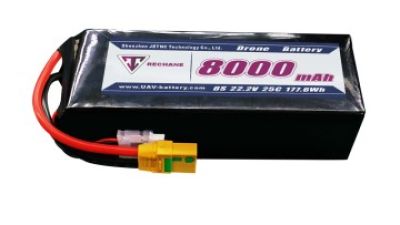
Unleashing the Power: The Advantages of JENTC Lipo Battery FPV 6s 8000mAh for Your UAV Operations
The evolution of unmanned aerial vehicles (UAVs) has significantly enhanced operational capabilities across various sectors, including agriculture, surveillance, and delivery services. A critical component that contributes to the performance of these aircraft is the power source they rely on. The JENTC 6s 8000mAh lithium polymer battery stands out in this domain, offering numerous advantages that can transform UAV operations. With a stable output of 22.2V and a robust capacity of 8000mAh, it ensures that UAVs can operate efficiently over extended periods, enhancing flight time and reliability.
According to industry reports, the demand for high-capacity batteries is on the rise, with the global UAV battery market projected to grow at a CAGR of over 15% from 2023 to 2030. This surge is driven by the increasing integration of UAVs in commercial applications, where performance and safety are paramount. The certifications such as RoHS, CE, and FCC ensure that the battery not only meets safety standards but also delivers consistent performance in various environments. It's vital for operators to choose batteries that can withstand the rigorous demands of UAV flights, and the features of high-capacity models are aligned with these needs.
Moreover, the versatility offered by customizable options allows businesses to tailor the battery to their specific branding and assembly requirements. This adaptability, along with the inherent technical benefits, positions high-capacity lithium polymer batteries as a preferred choice for UAV operations. As sectors continue to explore the full potential of drones, investing in powerful and reliable battery solutions will be essential for maximizing productivity and operational efficiency.
FAQS
: It powers the drone and affects flight stability and duration.
Performance typically declines after about 200 cycles, necessitating regular checks.
Higher capacity, measured in mAh, usually means longer flight times.
Check voltage and capacity specifications to ensure compatibility with your drone.
Weight affects flight stability, and even small differences can impact performance.
Proper charging and monitoring can help extend the battery's life and capacity.
Heavy payloads and aggressive flying can lead to quicker battery drain.
Many underestimate the impact of wind resistance on overall flight time.
Yes, but ensure alternatives fit your drone's specifications.
Conduct thorough research and review user feedback before buying.
Conclusion
When selecting the best 6v Drone Battery for your needs, it's essential to understand the different types available, notably Lead Acid and Lithium Polymer batteries, each with unique characteristics. Evaluating battery capacity through milliamp hours (mAh) is crucial, as it directly influences flight time. Additionally, discharge rates, indicated by C-Ratings, should be assessed to ensure optimal drone performance. Compatibility with your specific drone model is another critical factor, as is choosing the right charger tailored for 6v batteries.
Maintaining your 6v Drone Battery effectively can enhance its longevity and safety. Regular checks on battery health and adhering to proper charging practices can prevent damage and ensure a reliable flying experience. By considering these factors, you can make an informed decision that meets your drone requirements.