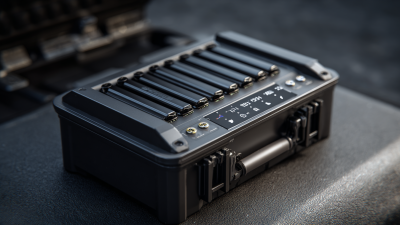
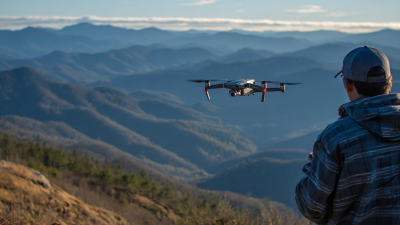
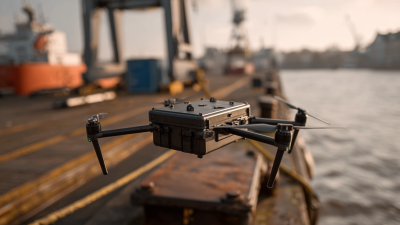
In the fast-changing worldof drone tech, picking the right Inspection Drone Battery is actually pretty important. It can make a big difference when it comes to keeping things running smoothly and making sure you're reliable out there. I read a recent report fromMarketsandMarkets that estimates the global drone battery market will hit over $1.8 billion by 2027 — mainly because more sectors like infrastructure, farming, and emergency services are starting to rely on drones more than ever. As companies look to step up their game, there's a huge push for high-performance lithium batteries. Here at Shenzhen Jentc Technology Co., Ltd., we totally get that every application is unique. Since we got started back in 2011, we’ve focused on creating advanced lithium batteries, including our 4.4V high-voltage variants and fast-charging options. At the end of the day, choosing the right battery isn’t just about flight time or performance — it can really make or break your overall success in this competitive industry.
Understanding the Different Types of Drone Batteries Available on the Market
When you're picking out the right battery for your inspection drone, it’s really important to understand the different types out there. This way, you can get the best performance and efficiency for what you need. So, the most common batteries you’ll find in drones are LiPo (Lithium Polymer) and Li-ion (Lithium-Ion). Each has its own pros and cons. According to some recent market insights from Drone Industry Insights, about 75% of commercial drones are using LiPo batteries because they pack a lot of energy, are pretty lightweight, and can discharge quickly. That said, Li-ion batteries are starting to get more popular too—they tend to last longer over multiple cycles and handle temperature changes better, which makes them great for longer flights or missions.
Quick tip: Think about how long your flights need to be. If you're doing longer inspections, you might want to go for a battery like Li-ion, even if it’s a bit heavier. It could be worth it for the extra runtime.
And hey, there’s also some pretty exciting stuff happening with newer tech, like solid-State Batteries—these promise even better energy efficiency and are safer too. Some forecasts suggest that by 2026, the market for solid-state batteries could grow at a compound annual growth rate of around 26%. That could mean lighter drones and longer flights in the future!
Another tip? Keep an eye on these new battery tech developments. Staying ahead of the curve with the latest innovations might give your business an edge and totally improve what your drone can do.
Factors to Consider When Selecting a Battery for Inspection Drones
When you're picking out the right battery for your inspection drones, it’s actually pretty important to think about a few key factors that match up with what you need them to do. For example, if you're using drones for construction sites, defense stuff, or keeping an eye on environmental changes, lithium-ion batteries are usually the way to go because they pack more energy and give you longer flight times. On the other hand, if you're into thermal imaging or emergency responses, batteries that can deliver quick, hefty bursts of power—like lithium-polymer batteries—might be better suited.
Also, don’t forget to check the battery capacity—this really depends on how far and how long your drone needs to fly. For instance, drones that survey big farmland might need batteries in the 50-100 kWh range to do their job efficiently. But if you're working with smaller drones for close-up inspections, batteries in the 0-10 kWh range can do just fine. Ultimately, taking the time to understand what your operational needs are and comparing that with the battery specs will help you make smarter choices. This way, your drone will be able to perform at its best in whatever task you’re tackling.
Performance Metrics: Voltage, Capacity, and Discharge Rate Explained
When you're picking out the right battery for your inspection drone, it’s pretty important to understand a few key things like voltage, capacity, and how quickly it discharges. Basically, voltage tells you how much power your drone’s got at its disposal. Most commercial drone batteries fall somewhere between 3.7V and 22.2V. According to some reports from Drone Industry Insights, higher voltage usually means your drone can perform better — stuff like lifting heavier payloads and staying steady in the air longer.
Now, then there's capacity, measured in milliamp hours (mAh). This number shows how long your drone can stay powered before it needs a recharge. The bigger the capacity, the longer you can fly. For example, batteries over 5000mAh are shown to give you close to half an hour of flight time under normal conditions, which is a big help if you’re doing lengthy inspections.
**Quick tip:** When you're choosing a battery, think about your drone’s specific needs and pick a voltage and capacity that match up. Plus, there's the discharge rate — also called the C-rating — which basically tells you how fast the battery can release its stored energy. For instance, a 20C-rated battery can deliver 20 times its capacity in amps. That kind of flexibility is great for tough tasks. Just make sure the discharge rate fits your work without draining the battery faster than you'd like or cutting your flight short.
Comparing Lithium Polymer and Lithium-Ion Batteries for Drones
When businesses are trying to pick out the right inspection drone batteries, they often find themselves weighing the pros and cons of Lithium Polymer (LiPo) versus Lithium-Ion (Li-Ion) tech. LiPo batteries tend to be the favorite because they're super lightweight and compact, plus they pack more energy, which means longer flights—a big deal when you're doing extensive aerial inspections. That said, they do come with a few safety red flags — like swelling, fires, or even explosions if not handled carefully. Recently, there’s been a push for stricter safety rules around batteries, so companies might need to be extra cautious when using LiPo batteries in commercial operations.
On the flip side, Lithium-Ion batteries are seen as a safer bet. They've got a pretty solid safety track record and usually last longer. Plus, they tend to perform reliably under different conditions, which makes them a safer choice if safety is a top priority. Looking ahead, new battery tech—like Lithium-Sulfur batteries or even upcoming fuel cell innovations—could help tackle some of the issues traditional batteries face. At the end of the day, the right choice really depends on what your specific inspection needs are — balancing performance, safety, and the ability to adapt to a tech landscape that's changing fast.
Comparison of Battery Performance: Lithium Polymer vs. Lithium-Ion for Drones
Best Practices for Maintaining and Extending Drone Battery Life
When you're dealing with drone inspections, one thing that really matters is how long your batteries last and how reliable they are. A recent report from the Drone Industry Association pointed out that almost 70% of drone pilots say battery life significantly affects how smoothly they can get their work done. To make your batteries last longer, it's a good idea to follow some best practices—like charging them properly. For lithium-polymer (LiPo) batteries, which are pretty standard in drones, charging at a rate of 1C or less helps prevent overheating and slows down wear and tear.
But it’s not just about how you charge them—temperature matters a lot too. The same report mentioned that using batteries in really hot or cold conditions can cut their capacity by up to 20%. So, storing your batteries in a cool, consistent temperature—ideally between 20°C and 25°C (that’s about 68°F to 77°F)—can really help them last longer. Also, it’s a good idea to cycle your batteries regularly, meaning discharge them down to around 30% and then recharge. This keeps the cells healthy and ensures your drone is always ready for those inspection flights without any hassle.
Cost vs. Quality: Finding the Right Balance for Your Business Needs
When you're trying to pick the right inspection drone battery for your business, it’s really about finding that sweet spot between cost and quality. A lot of companies are catching on to the idea that spending a bit more upfront on a better battery actually pays off in the long run. It can lead to smoother operations, fewer surprises, and less downtime, which is pretty huge if you want to stay ahead. Sure, a high-quality battery might cost more initially, but think of it like an investment — it’ll help your drones run more efficiently, so you’re not constantly replacing batteries or dealing with unexpected hitches. This shift toward better tools actually aligns with how workplaces are evolving — investing in quality usually translates to better overall performance.
In today’s super fast-paced market, it’s super important to think about value when picking batteries. Knowing what your customers or users think about battery reliability and performance can really guide you to make smarter choices. Picking the right product isn’t just about saving a few bucks now; it’s about ensuring your drone operations keep running smoothly over time, giving you an edge in a competitive world. At the end of the day, balancing cost and quality isn’t just some financial gimmick — it’s about building a resilient, effective setup that’ll stick with you for the long haul.
Maximize Drone Performance with JENTC's High-Capacity LI-HV 6s 16000mAh Battery: A Game Changer in Long-Lasting Power Solutions
Maximize Drone Performance with JENTC's High-Capacity LI-HV 6s 16000mAh Battery: A Game Changer in Long-Lasting Power Solutions
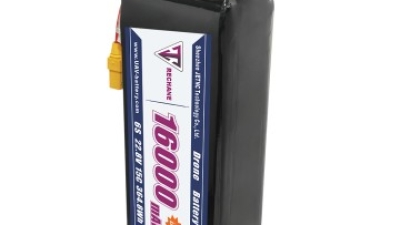
In the world of drone technology, having a reliable and powerful battery can mean the difference between a successful mission and a wasted flight. The JENTC LI-HV 6s 16000mAh battery stands out as a game changer, designed specifically for those seeking to maximize their drone's performance. With an impressive capacity of 16000mAh and a voltage of 22.8V, this high-capacity semi-solid custom lithium polymer battery pack ensures extended flight times, allowing users to push the limits of aerial exploration and creativity.
Safety and durability are paramount in any power solution, and the JENTC battery does not compromise on these aspects. Certified with RoHS, CE, and FCC standards, it guarantees that users are getting a product that adheres to international safety regulations. Moreover, its robust design provides reliable performance, making it an ideal choice for a variety of drone applications. With a warranty period ranging from 3 months to 1 year, customers can enjoy peace of mind knowing they are investing in a quality power source that delivers consistent energy delivery for their aerial endeavors.
FAQS
: Lithium-ion batteries are recommended for inspection drones in construction, defense, or environmental monitoring due to their higher energy density and longer flight times.
Lithium-polymer batteries are suitable for applications like thermal imaging and emergency responses because they can support quick and substantial energy output.
Drones designed for surveying large agricultural fields may require batteries with a capacity of 50-100 kWh to maximize their efficiency, while smaller drones for close-range inspections might operate effectively with 0-10 kWh batteries.
Lithium Polymer (LiPo) batteries are favored for their lightweight and compact design, offering higher energy densities that enable longer flight durations, which is critical for extensive aerial inspections.
Lithium Polymer batteries come with heightened safety risks, as they can swell, catch fire, or explode if not handled properly, requiring enhanced precautionary measures in commercial settings.
Lithium-Ion batteries present a more stable alternative with established safety standards and longer life cycles, making them a reliable choice for businesses concerned about battery-related accidents.
Lithium-Polymer batteries should ideally be charged at a rate of 1C or lower to mitigate risks of overheating and degradation, which can help extend their lifespan.
Operating batteries in extreme temperatures can reduce their capacity by up to 20%. Keeping them stored at a temperature between 20°C and 25°C (68°F and 77°F) can significantly extend their functional lifespan.
Regularly cycling the battery—discharging it to around 30% and then recharging—helps maintain the health and performance of the cells, ensuring that the drone is always ready for inspections.
Conclusion
When you're choosing a battery for your inspection drone, it's pretty important to get a good sense of the different types out there. Each battery has its own set of features that work better for certain kinds of jobs, so knowing what to look for can make a big difference. Things like voltage, capacity, and discharge rate really matter because they can affect how well your drone performs during inspections. Also, it’s worth comparing lithium polymer batteries with lithium-ion ones—figuring out which one fits your needs best can save you a lot of hassle down the line.
Taking care of your drone's battery and making it last longer is just as crucial. A few simple maintenance tips can not only boost performance but also help you save money. It’s all about finding that sweet spot between quality and cost. Since we’re into high-quality lithium batteries here at Shenzhen Jentc Technology Co., Ltd., we offer a wide range of specialized options. Whatever your drone inspection project requires, we've got the right batteries to keep everything running smoothly and reliably.