When you're picking out a Mini Drone Battery, it can honestly feel a bit overwhelming with so many options out there. Honestly, experts like Mark Johnson from DronePower often stress how important it is to find a battery that really matches your needs. He’s quoted saying, “A well-chosen battery can really make a big difference in your flying experience.” Yeah, it’s that important.
Now, here's the thing—different drones need different kinds of batteries. That variety can make shopping quite a maze. Not all Mini Drone Batteries are built the same either. Some last longer in the air, while others charge up way quicker. So, make sure to think about what kind of drone you have and how you usually fly.
Doing a little research and leaning on your own experience helps a lot here. Picking the wrong battery could totally mess with your drone’s performance. And while it’s tempting to go for the cheaper options, they might end up costing you more in the end if they don’t perform well. Trust me, investing in a quality Battery Usually pays off and saves you headaches down the road. So, take your time and look into all your choices before jumping in!
Understanding Mini Drone Battery Types: LiPo vs. NiMH
When considering a mini Drone Battery, two main types come into play:Lithium Polymer (LiPo) and Nickel-Metal Hydride (NiMH). Each type has unique characteristics that cater to different user needs. LiPo batteries are known for their high energy density. They deliver better performance but require careful handling. One must consider the risk of fire if not charged properly. Meanwhile, NiMH batteries are more forgiving and safer. They are heavier and offer less power but are resilient against mishandling.
Choosing between LiPo and NiMH requires an understanding of your drone's power demands. A lightweight Quad Drone Battery will enhance flight time and agility, especially for racing or aerial photography. However, if reliability and safety are your priorities, a NiMH battery might be the better option. Keep in mind, the trade-off between performance and safety is real. It's crucial to assess your usage pattern before making a choice.
Some users might think that a higher capacity means a better battery. This isn’t always the case. A bigger battery might add weight, affecting flight stability. Experimenting with different types can reveal much about your preferences and the drone's performance. Taking the time to analyze and reflect on these factors will lead to a more informed decision.
Evaluating Battery Capacity: mAh and Its Impact on Flight Time
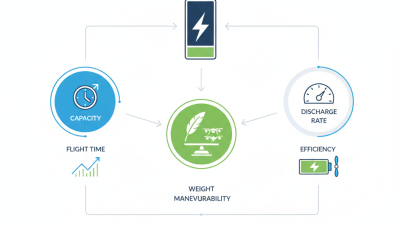
When selecting the best mini drone battery, understanding battery capacity is crucial. Typically measured in milliamp hours (mAh), this figure indicates how much energy a battery can store. Higher mAh ratings generally translate to longer flight times. However, the drone's weight and design also play significant roles. A balance must be struck between capacity and the drone's overall performance.
For instance, a battery with a capacity of 1000 mAh may provide 15 minutes of flight time. But attaching a heavier battery might actually decrease flight efficiency. It’s vital to consider how each battery type complements your drone. Choosing a Drone Battery 3.7v can enhance your flight experience if it aligns with your drone's specifications.
Pilot experience varies widely. New operators may overlook battery capacity in favor of price. This can lead to frustration when expected flight times aren’t met. Reflect on your flying style and needs. If you fly longer distances or enjoy advanced maneuvers, investing in a higher capacity battery might be worthwhile. Ultimately, each decision pans out differently in practice.
Voltage Considerations: How Voltage Affects Drone Performance
When choosing a mini drone battery, voltage is a crucial factor influencing performance. The typical voltage for many mini drones is around 3.7V. Batteries with this voltage ensure drones can achieve optimal flight performance, hovering stability, and responsiveness to controls. A slight increase or decrease in voltage can significantly alter a drone's flight time and handling. According to industry reports, batteries around this voltage range often provide better efficiency and longer operational duration.
For those looking to enhance performance, consider the battery's discharge rating. High discharge rates can improve responsiveness during maneuvers. For instance, a drone battery with a rating of at least 20C will perform well during fast-paced flights. However, choosing a battery with too high of a discharge rate could lead to overheating and reduced lifespan, which you should keep in mind.
Tip: Always match the voltage and capacity requirements of your mini drone. A Drone Battery 3.7 V 800mah can provide a decent balance of weight and power for smoother flights. However, if you're consistently pushing your drone's limits, reevaluate your battery choice. Regularly check your battery's health to prevent performance issues, and don't overlook the impact of temperature on your battery’s efficiency.
Assessing Discharge Rates: C-Rating and Its Significance
When selecting a mini drone battery, understanding discharge rates is crucial. The C-rating indicates how quickly your battery can release energy. For instance, a battery with a 25C rating can theoretically discharge at a rate 25 times its capacity. This measurement directly impacts your drone's performance.
Battery performance is not just about numbers. A higher C-rating often means more power, but it comes with risks. A battery that discharges too quickly can overheat, leading to potential damage. Temperature control becomes essential. Monitoring the battery during use allows for safer operation. It's vital to balance power needs with battery safety.
Misjudging discharge rates can lead to frustrating experiences. You may find your drone struggling to maintain stable flight. Consider testing various batteries under different conditions. Observing how each performs helps identify the best fit for your requirements. Finding the right balance between power and safety is an ongoing challenge for many drone enthusiasts.
Identifying Compatible Batteries for Your Mini Drone Model
Choosing the right battery for your mini drone can significantly affect its performance. One of the first steps is to identify compatible batteries based on your drone model. Not all batteries will fit. Mismatched batteries may lead to inefficiency or, worse, damage to your drone.
Industry data indicates that nearly 30% of drone users purchase incorrect battery types. This statistic underscores the importance of understanding your drone's specifications. Check the manufacturer's recommendations for voltage and capacity. Most mini drones operate within a 3.7V to 11.1V range. Capacity, measured in milliamp-hours (mAh), often dictates flight time. Users should note that higher mAh numbers typically yield longer flight durations but may add weight.
Observations show that many enthusiasts overlook the charging cycle. A battery’s life is reduced significantly if constantly drained to low levels. Experts recommend maintaining a balance.
Charge your batteries in moderation to prolong lifespan. Consider cyclic usages and avoid keeping batteries fully charged for long periods. This practice can prevent premature aging and ensure your mini drone remains airborne longer. Investing time in understanding battery compatibility will lead to better flights and more enjoyable experiences.
Charging and Maintenance: Best Practices for Longevity
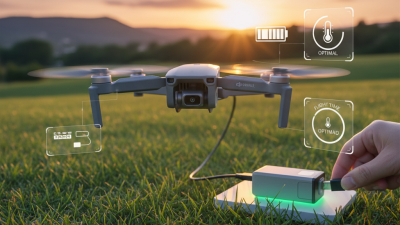
When it comes to mini drones, selecting the right battery is crucial. Proper charging practices can significantly enhance battery lifespan. Using a Fast-Charging Drone Battery can be tempting. However, it is essential to follow recommended charging times to prevent overheating. Overcharging might lead to battery damage, which affects performance.
Maintenance is just as critical as charging. Regularly inspecting the battery for any signs of wear can save you from unexpected failures during flights. Ensure connections are clean and secure. Store batteries in a cool, dry place. A good storage practice is to keep them at about 50% charge. This helps maintain capacity and prolongs their overall life.
Experimenting with different charging cables and methods can be enlightening. Sometimes, using the manufacturer’s recommended charger proves to be the best choice. Learning from your experiences and mistakes will enhance your drone flying capabilities. Balancing between fast charging and care is key here. Each choice should reflect a mindful approach to battery longevity.
How to Choose the Best Mini Drone Battery for Your Needs? - Charging and Maintenance: Best Practices for Longevity
| Battery Type | Capacity (mAh) | Voltage (V) | Weight (g) | Charge Time (hrs) | Lifecycle (Cycles) |
| LiPo | 3000 | 11.1 | 150 | 1.5 | 300 |
| Li-ion | 2500 | 7.4 | 135 | 2 | 500 |
| NiMH | 2200 | 6.0 | 180 | 3 | 1000 |
| LFP | 2000 | 3.2 | 120 | 2 | 2000 |
Safety Considerations: Handling and Storing Mini Drone Batteries
When handling mini drone batteries, safety is paramount. Lithium polymer (LiPo) batteries, a common choice, pose unique risks. According to a report by the Consumer Product Safety Commission, battery fires account for a significant portion of drone-related incidents. Understanding how to manage these risks is essential for all hobbyists and professionals.
Always store batteries in a fireproof container. This can mitigate the impact of potential fires. A LiPo safe bag is recommended for added protection. Avoid charging batteries unattended. Regularly inspect batteries for swelling or damage, as these are signs of potential failure. The National Fire Protection Association reports that most battery fires stem from neglecting basic safety protocols.
Training in safe handling procedures is crucial. Familiarize yourself with discharge rates and voltage levels. Misunderstandings in these areas can lead to battery malfunctions. Storing batteries at a stable temperature can enhance their longevity. Even the smallest oversight, like leaving them in a hot car, can result in hazardous situations. Always prioritize safety; it’s as critical as enjoying the flight.
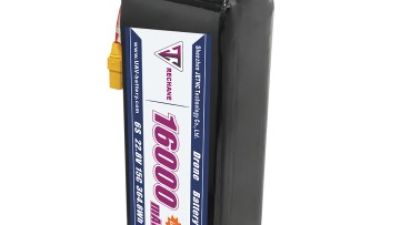
High-Performance and Reliable: The JENTC 6s 16000mAh 15C Semi-Solid Battery for Drones
The demand for high-performance battery solutions in the drone industry continues to rise, driven by the increasing applications of drones in sectors such as agriculture, logistics, and surveillance. Among these advancements, semi-solid lithium polymer batteries are gaining traction due to their enhanced energy densities and safety profiles. The latest innovations in this space have led to the development of high-capacity options that provide both extended flight durations and reliable operation under varying conditions.
One outstanding example is a 6s 16000mAh semi-solid battery, engineered specifically for demanding drone applications. This battery configuration operates at a nominal voltage of 22.8V, offering the perfect balance between power and efficiency. According to industry reports, high-capacity batteries such as these can reduce flight downtime significantly, playing a crucial role in maximizing operational efficiency in commercial drone fleets. These batteries not only comply with strict international safety standards including RoHS and CE certifications but are also manufactured with an emphasis on reliability, ensuring that operators can depend on their performance even in critical situations.
With a comprehensive warranty of up to one year, customers can invest with confidence, knowing that they are choosing a product built to last. As the drone industry evolves, focusing on quality and performance in battery technology is essential, and such innovations are sure to elevate user experiences and broaden the capabilities of drone operations globally.
FAQS
: Voltage affects flight performance, stability, and responsiveness. Typically, mini drones use 3.7V batteries.
A slight voltage change can alter flight time and handling significantly. This risks overall performance.
High discharge ratings improve responsiveness. A rating of 20C or higher is often recommended for agility.
Yes, it can lead to overheating and reduced lifespan. Balance is necessary for optimal drone operation.
Follow recommended charging times. Overcharging can damage batteries and impact performance negatively.
Regularly inspect for wear. Clean connections and store in a cool, dry place at about 50% charge.
Using the recommended charger is usually best. Learning from experiences can help improve usage.
Temperature can impact performance. It's important to store batteries under suitable conditions for longevity.
Yes, regular checks can prevent unexpected failures during flights and ensure better performance.
Trying different cables and methods can provide insights. Balancing speed and care is crucial for battery life.
Conclusion
When selecting the best Mini Drone Battery, it's crucial to understand the different types available, such as LiPo (Lithium Polymer) and NiMH (Nickel Metal Hydride). Each type has its advantages, with LiPo batteries often providing higher energy density and lighter weight, while NiMH batteries are generally more robust and easier to handle. Evaluating battery capacity in terms of milliamp hours (mAh) will directly influence your drone's flight time, making it an essential factor to consider.
Additionally, voltage plays a critical role in the performance of mini drones, as higher voltage can enhance speed and responsiveness. The discharge rate, measured as C-rating, indicates how quickly a battery can safely release its energy, affecting overall efficiency during flight. It’s also important to ensure compatibility with your specific mini drone model and to follow best practices for charging and maintenance to extend battery life. Lastly, prioritize safety by properly handling and storing your Mini Drone Battery to prevent accidents and ensure longevity.