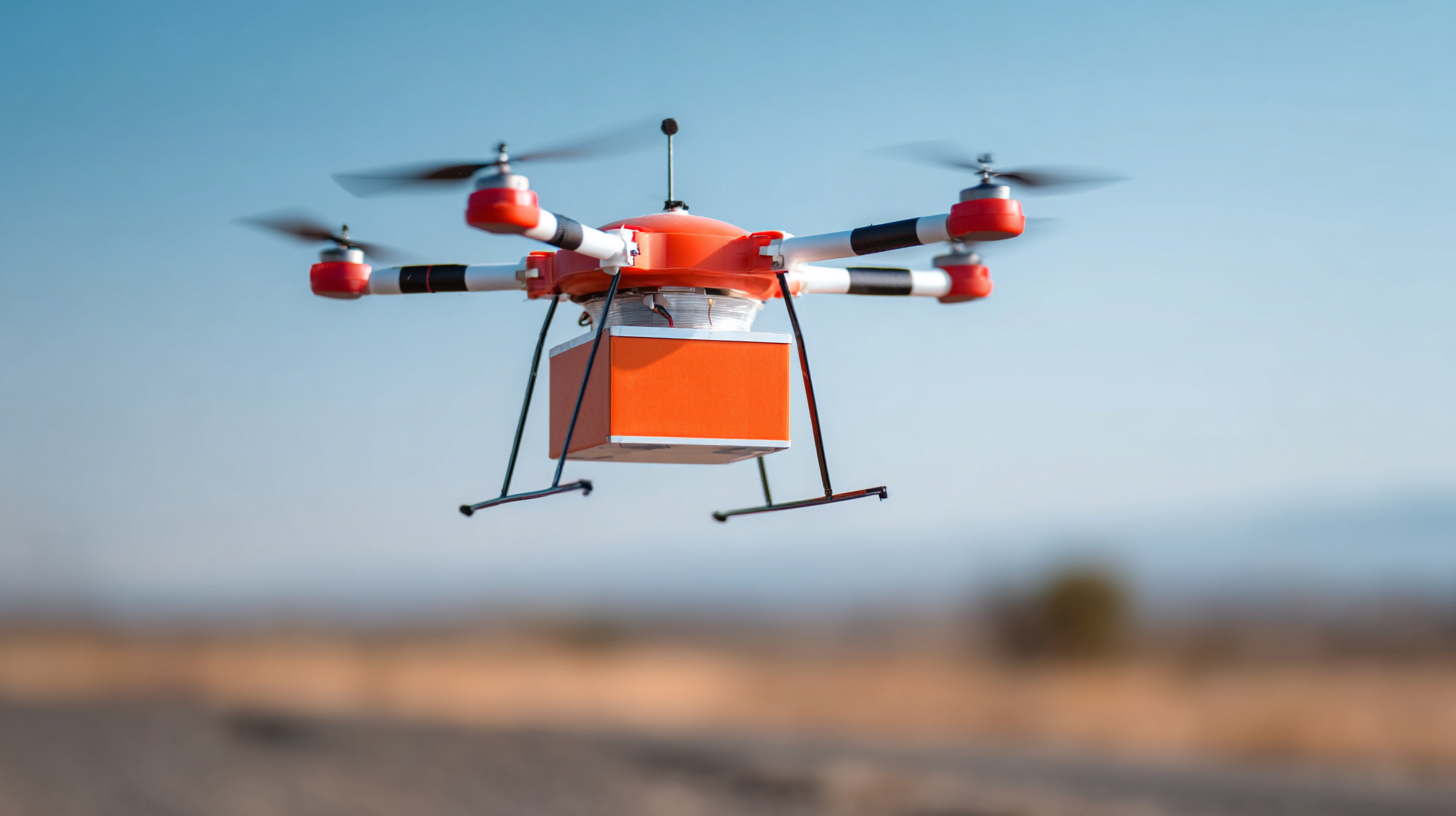
You know, the drone delivery market is really taking off! They're predicting it’ll grow over 25% each year until 2025. Because of this boom, picking the right battery for delivery drones has become super important if you want to keep things running smoothly and maybe even extend that flight range a bit. A deep dive into the market shows there's a growing demand for high-performance batteries—especially lithium ones—because logistics companies are all about boosting their service capabilities these days.
Companies like Shenzhen Jentc Technology Co., Ltd. are really leading the charge (pun intended!) with their cool offerings, like 4.4V High-voltage batteries and Fast-charge lithium batteries. These are pretty crucial for meeting the serious performance demands of delivery drones. So, for anyone involved in this space, getting your head around Battery Tech is a must if you want to make the most of the drone delivery landscape and keep up with the competition.
Understanding Drone Battery Types: Lithium Polymer vs. Lithium-Ion
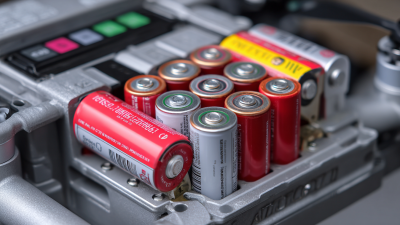
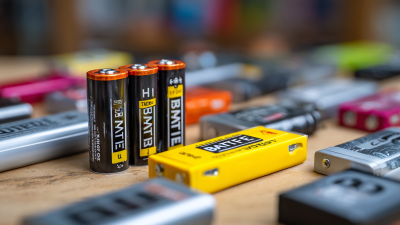
When it comes to choosing the best Delivery Drone Battery, it's essential to understand the fundamental differences between Lithium Polymer (LiPo) and Lithium-Ion (Li-Ion) batteries. LiPo batteries are renowned for their lightweight design and high energy density, making them an excellent choice for drones that require agility and speed. They can deliver power quickly, which is crucial for applications demanding high performance, such as rapid delivery services. However, they do have some drawbacks, including sensitivity to temperature extremes and a generally shorter lifespan compared to their Li-Ion counterparts.
On the other hand, Lithium-Ion batteries offer a more robust performance in terms of cycle life and operational stability. These batteries are less prone to swelling and can handle a broader temperature range, making them suitable for various environmental conditions. While they may be heavier and slightly less efficient in rapid discharge scenarios, their longevity and reliability often make them a preferred choice for commercial drones that prioritize consistent performance over agility. Understanding these differences is vital for drone operators looking to maximize efficiency in their delivery operations.
Comparison of Drone Battery Types: Lithium Polymer vs. Lithium-Ion
The Role of Battery Chemistry in Delivery Drone Efficiency
So, when it comes to picking a delivery drone battery, it's super important to get a handle on battery chemistry to really boost your efficiency. You've got a few options here, like lithium-ion and lithium-polymer, each with its own perks and downsides. Lithium-ion batteries are fantastic for their high energy density and long lifespan—perfect for those long-distance deliveries. On the flip side, lithium-polymer batteries tend to be lighter and can deliver power more quickly, which is pretty handy for drones that need to make short, speedy trips.
A Few Tips on Choosing Battery Chemistry:
- Think About Your Missions: First off, think about the average delivery distances and how much weight your drone will carry. If you're planning long hauls, go with lithium-ion. But for shorter, more power-hungry routes, lithium-polymer might be the way to go.
- Weight vs. Power: You’ll want to balance battery weight with how much power you need. Lighter batteries can really help with maneuverability and cut down on energy use, which is key for those efficient deliveries.
By really diving into these details, you can choose a battery chemistry that not only suits your delivery gigs but also keeps your drone fleet running smoothly and efficiently.
Analyzing Battery Life and Charge Cycles: Key Metrics for Performance
So, when you're on the hunt for the best battery for your delivery drone, you really want to dive into things like battery life and charge cycles. These factors aren't just numbers; they're what will actually affect how your drone performs in real-world situations. According to a recent report from Market Research Future, most commercial drone batteries tend to last anywhere from about 20 to 40 minutes. This can vary quite a bit though, largely depending on the battery chemistry. For instance, lithium-ion batteries usually stick around longer and charge up faster than NiMH batteries, which is why you'll see them being favored by many drone makers.
Oh, and a little tip: don't forget about the weight and size of the battery in relation to your drone's capacity. A heavier battery can really cut into your flight time, so finding the right balance between weight and battery performance is key to getting the most out of your drone.
Another important thing to consider is charge cycles, which can seriously affect how long your drone's battery will last and how reliable it is. A study from Drone Industry Insights shows that good-quality lithium-ion batteries typically hold up for around 300 to 500 charge cycles before you start noticing a decline in performance. So, if you choose a battery with a higher cycle count, your drone can stay in the air longer without needing constant replacements.
And here's another tip: try to find batteries with smart tech built-in that can keep an eye on their own health. These fancy batteries can send you alerts about their charge cycles, making it way easier to manage your operational efficiency and battery swap schedule.
After-Sales Service Advantages: Ensuring Optimal Battery Performance
Choosing the right delivery drone battery? Well, it's not just about the battery itself; you've got to think about the after-sales service too! Trust me, a great support system can really boost your battery's performance and lifespan. Take Shenzhen Jentc Technology Co., Ltd., for example. They don’t just sell high-performance lithium batteries; they’re all about solid customer support. Good after-sales service means you get handy maintenance tips, troubleshooting help, and quick battery replacements—all super important if you want to keep your delivery game strong.
Here's a quick tip: keep a close eye on your battery’s health. Look out for any signs of wear and tear, like swelling or if it’s not performing as well as it should. Being proactive like this can save you from some pretty unexpected failures during those critical deliveries. Plus, if you use fast-charge lithium batteries from folks like Jentc Technology, you’ll cut down on downtime and keep your drones ready to fly.
Oh, and don’t forget about compatibility! Make sure the battery matches your drone model. It's a real bummer to face compatibility issues, so working with reputable manufacturers who provide clear specs is key. And hey, always ask about warranties and after-sales support. That way, you can feel good about your battery investment and enjoy peace of mind as you grow your drone delivery business.
Cost of Maintenance and Repair: Financial Considerations for Drone Operators
When operating delivery drones, the choice of battery directly impacts both performance and overall costs. As drone operators, understanding the financial considerations of maintenance and repair is crucial. At Shenzhen Jentc Technology Co., Ltd., we emphasize the importance of selecting high-quality lithium batteries, such as our 4.4V high-voltage batteries, to enhance operational efficiency. An investment in reliable battery technology can reduce the frequency of repairs and replacements, ultimately lowering maintenance costs.
Tip 1: Conduct regular battery health assessments to identify signs of wear and prevent unexpected failures. Regular monitoring can save you from costly emergency repairs and extend the lifespan of your batteries.
Tip 2: Opt for fast-charge lithium batteries in scenarios requiring quick turnaround times. While they may incur a higher upfront cost, their efficiency can result in significant savings over time, minimizing downtime and maximizing your drone delivery capacity.
By taking these financial considerations into account and investing in high-performance battery solutions, operators can ensure smoother operations and reduced total ownership costs.
How to Choose the Best Delivery Drone Battery for Maximum Efficiency - Cost of Maintenance and Repair: Financial Considerations for Drone Operators
| Battery Type | Capacity (mAh) | Voltage (V) | Weight (g) | Cost ($) | Cycle Life | Monthly Maintenance Cost ($) | Repair Cost ($) |
| Lithium Polymer (LiPo) | 4000 | 14.8 | 500 | 120 | 300 | 10 | 50 |
| Lithium Iron Phosphate (LiFePO4) | 3000 | 12.8 | 800 | 150 | 2000 | 8 | 60 |
| Nickel-Metal Hydride (NiMH) | 5000 | 7.2 | 600 | 100 | 500 | 6 | 30 |
Real-World Examples: Successful Delivery Drones and Their Battery Choices
So, let's talk about the exciting world of drone deliveries! Picking the right battery is super important if you want those drones to run smoothly and efficiently. There’s this study from the FAA that really points out how battery capacity makes a huge difference in how far drones can fly and how much weight they can carry. Take those Zipline drones, for example. They deliver medical supplies to places that are hard to reach, and guess what? They use these robust lithium polymer (LiPo) batteries that let them zip around for up to 160 kilometers on just one charge. That's not just great for getting stuff where it needs to go; it also gives logistics companies a bigger area to work with.
Now, if you're diving into battery options, here are a couple of things to think about. First off, check out the energy density of the different battery types. Lithium-ion batteries are pretty popular because they pack a punch in terms of energy, which means longer flight times. And then there's the weight-to-capacity ratio. Lighter batteries help bring down the overall weight of the drone, which can boost its capacity and speed. Just look at Wing, that drone company! They've done really well by using lightweight batteries to keep their drones flying fast while delivering small packages without a hitch.
When you look at how this all plays out in the real world, the numbers are pretty persuasive. A recent report from Deloitte shows that companies using cutting-edge battery tech can ramp up their operational efficiency by as much as 35%. That really puts a spotlight on why making smart choices about batteries is a big deal when it comes to designing drones for today’s delivery services. At the end of the day, it can really make a difference for customers and impact those profit margins too!
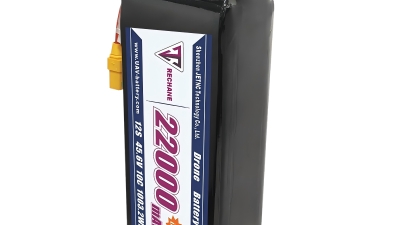
Unlocking Drone Potential: Why the JENTC LI-HV 12s 22000mah 10c Semi-Solid State Battery is a Game Changer
The JENTC LI-HV 12s 22000mAh 10C semi-solid state battery is set to redefine the standards of drone performance, making it an essential upgrade for enthusiasts and professionals alike. With an impressive capacity of 22000mAh and a voltage of 44.4V, this high-performance custom lithium battery pack delivers power that can significantly enhance flight times and operational efficiency. Designed specifically for consumer electronics, it represents a significant leap forward in battery technology, ensuring that your drone continues to soar with reliability and vigor.
What truly sets the JENTC battery apart is its certification with RoHS, CE, and FCC standards, indicating its safety and environmental compliance. Additionally, this battery is perfect for a variety of drone applications, from aerial photography to surveying, and even racing. With a robust warranty ranging from 3 months to a year, users can trust in its durability and performance. As drone technology evolves, integrating powerful, efficient, and reliable power sources like the JENTC LI-HV battery not only unlocks the full potential of these flying machines but also transforms how we perceive and utilize drone capabilities in various fields.
FAQS
: LiPo batteries are lightweight, have high energy density, and deliver power quickly, making them ideal for agility and speed. However, they are sensitive to temperature extremes and have a shorter lifespan. In contrast, Li-Ion batteries offer better cycle life and stability, handle a broader temperature range, and are less prone to swelling, making them preferable for consistent performance.
LiPo batteries are preferred because they are lightweight and can provide quick power output, which is essential for high-performance applications like rapid delivery services, enabling drones to cover long distances efficiently.
Lithium-Ion batteries provide robust performance with longer operational stability, a higher cycle life, and the ability to operate in a wider temperature range, making them suitable for various conditions and better for commercial use.
The battery capacity directly influences the range and payload capabilities of delivery drones. Higher-capacity batteries allow for longer distances and heavier payloads, enhancing delivery efficiency.
Zipline drones use high-capacity LiPo batteries, enabling them to cover distances of up to 160 kilometers on a single charge, significantly enhancing their delivery capabilities in remote areas for medical supplies.
When choosing a battery, it's essential to evaluate the energy density for longer flight times and the weight-to-capacity ratio, as lighter batteries can improve overall payload capacity and speed.
Companies adopting advanced battery technologies can see operational efficiency increases of up to 35%, highlighting the importance of informed battery selection for meeting modern delivery demands.
The choice of battery can significantly impact operational margins and delivery efficiency, ultimately affecting customer satisfaction by ensuring timely and reliable service.
Yes, LiPo batteries have downsides including sensitivity to extreme temperatures and a generally shorter lifespan compared to Lithium-Ion batteries, which may limit their use in certain conditions.
A drone operator may choose Lithium-Ion batteries for their durability, longer lifespan, and better performance in varied environmental conditions, especially when consistent performance is prioritized over agility.