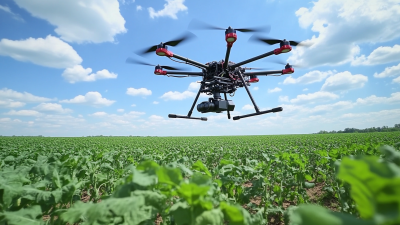
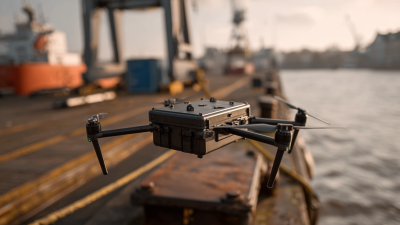
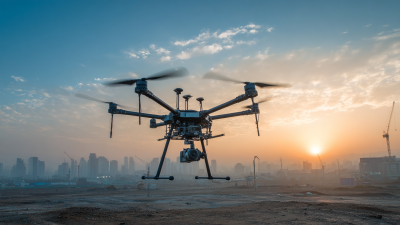
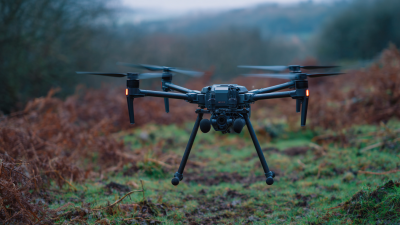
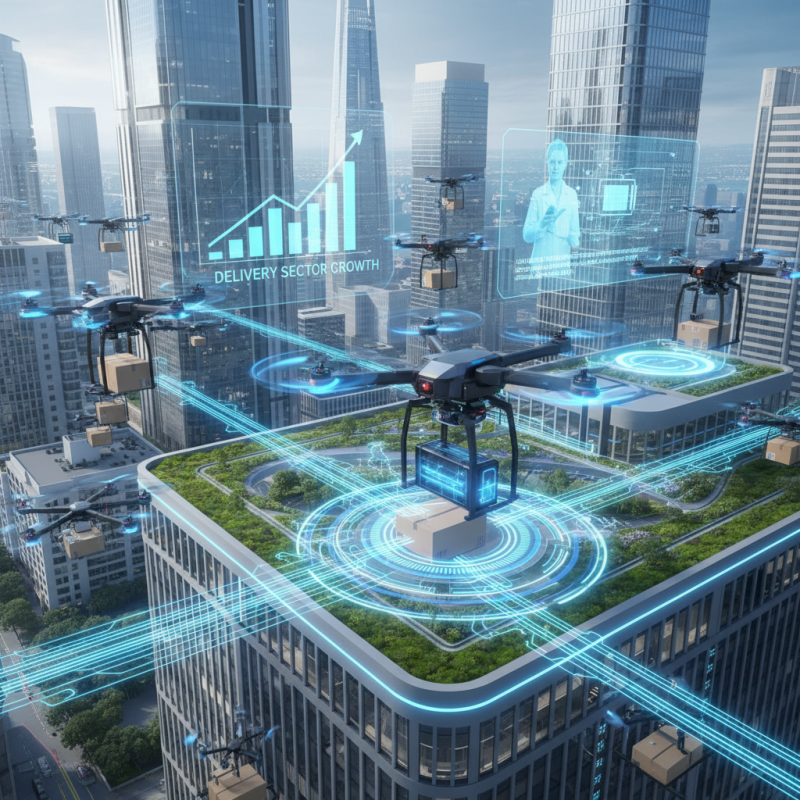
Hey, have you noticed how fast China's wholesale Delivery Drone Batterymarket is growing? It’s pretty exciting stuff. According to a report from ResearchAndMarkets, the global drone battery scene is expected to take off even more in the next few years—especially with delivery services booming. That really points to how much we need better, more reliable Batteries For these drones. Experts like Dr. Helen Zhang from Xi’an Jiaotong University keep stressing how crucial advances in battery tech are. She even said, “The efficiency of a Delivery Drone Battery directly impacts delivery speed and cost,” which makes total sense, right?
Of course, with all this growth, there are some hurdles. Lots of companies are working hard on new tech to make batteries last longer and charge faster. But, here's the thing—finding high-quality materials is still a bit of a challenge. The truth is, not every battery out there can meet the strict performance standards needed for real-world delivery jobs.
As things develop, it’s clear that continuous improvements in Drone Batteries will be key. If stakeholders want to really tap into the potential of drone delivery, they’ll need to tackle these issues head-on. The future of logistics? It might just hinge on how well these tech hurdles get cleared out.
What is the Concept of Wholesale Delivery Drones in China?
Wholesale delivery drones in China represent a novel approach to logistics and last-mile delivery. These drones are designed to efficiently carry goods over short distances. They can operate autonomously, navigating complex urban landscapes. This capability simplifies delivery processes, especially in crowded cities.
The concept thrives on the rapid growth of e-commerce in China. Businesses seek new ways to meet rising consumer demands. Drones can reduce delivery times significantly; they fly directly to destinations, avoiding traffic. However, there are challenges. The regulatory landscape remains complex. Not all areas are approved for drone deliveries.
Moreover, weather conditions can affect drone operations. Rain or strong winds may limit their effectiveness. Battery life is another concern, impacting delivery distances. Companies continually test and improve drone technologies, seeking better solutions. As this field evolves, the balance between innovation and practicality remains vital.
Key Components of China Wholesale Delivery Drone Batteries
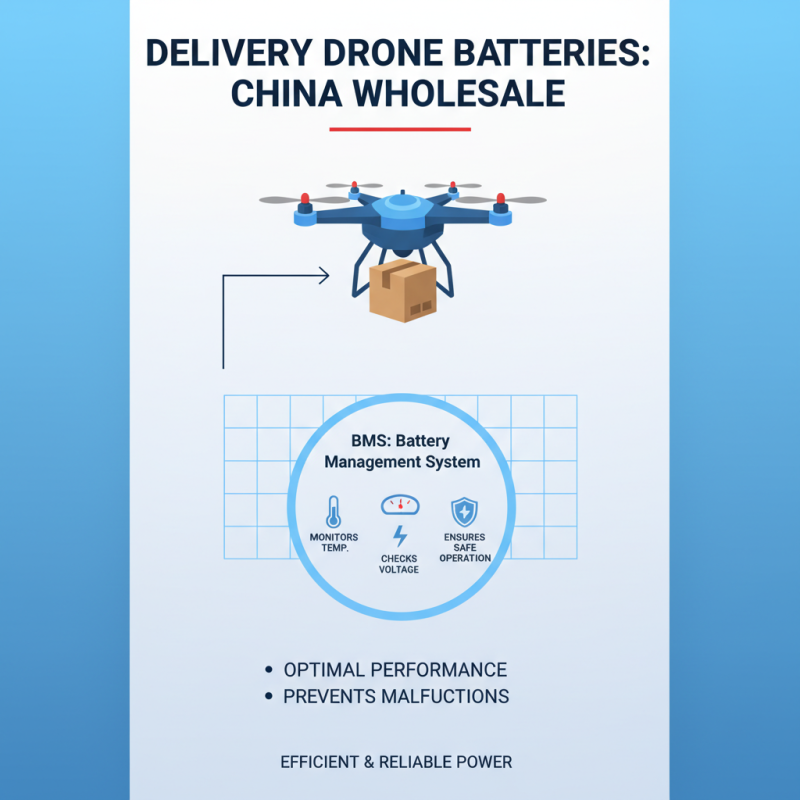
China wholesale delivery drone batteries are essential for the efficient operation of modern delivery drones. One critical component is the battery management system (BMS). This system ensures that the battery operates safely and optimally. It monitors voltage levels and temperature, helping to prevent malfunctions.
Another key element is the battery chemistry. Lithium polymer (LiPo) batteries are commonly used. They offer high energy density and lightweight characteristics. However, LiPo batteries require careful handling. Overcharging them can lead to hazards. It's vital for users to understand the risks involved.
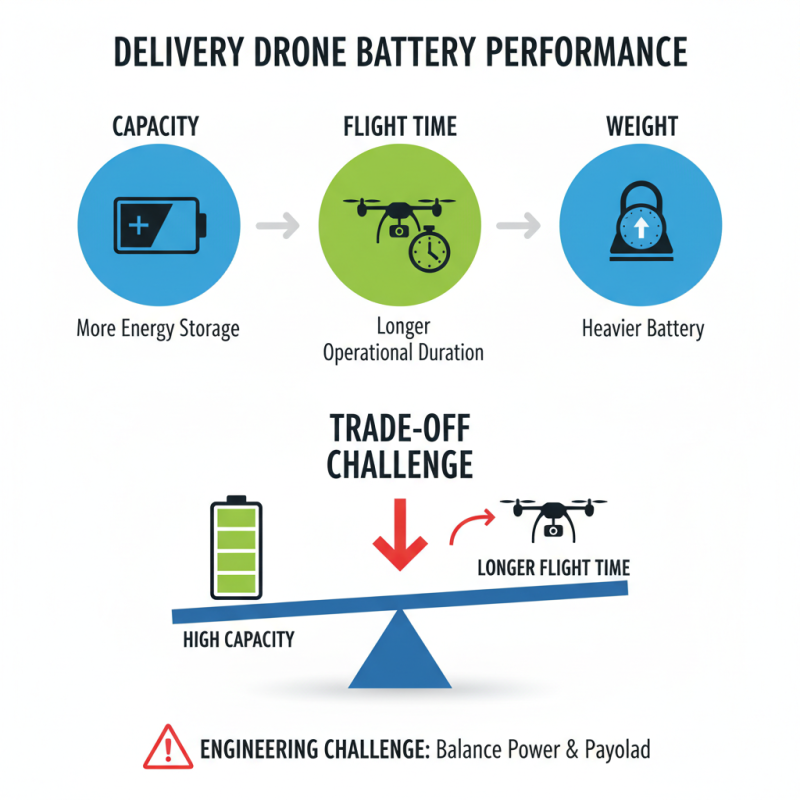
The capacity of the battery, measured in milliamp hours (mAh), also plays a role in performance. A higher capacity means longer flight times. Yet, this can lead to heavier drones. Striking a balance between weight, power, and efficiency is challenging. Lastly, the charging time is important. Rapid charging can be convenient, but it might affect battery life. A thoughtful approach to these components is essential for reliable drone delivery.
Types of Batteries Used in Delivery Drones and Their Specifications
Delivery drones have become popular for their efficiency. The battery used in these drones plays a crucial role. Different types of batteries are employed based on the mission requirements. Commonly found are lithium polymer (LiPo) batteries, known for their high energy density. Another option is lithium-ion batteries, which have a longer cycle life but are heavier.
The specifications of these batteries matter greatly. A typical Drone Battery 3.7v is lightweight and provides good performance. It can power drones for shorter distances at higher speeds. However, some drones may need larger batteries for more demanding tasks. The balance between weight and power is vital.
Tips: Always monitor battery health. Regular checks help ensure safe flights and efficiency. Consider the environment too; extreme temperatures can impact battery performance. Choosing the right battery type can be a challenge. It requires tailored choices for specific drone models. Make informed decisions based on your unique needs.
Types of Batteries Used in China Wholesale Delivery Drones
This bar chart illustrates the different types of batteries commonly used in delivery drones, along with their respective energy capacities measured in mAh (milliamp hours) and average weights measured in grams (g). The data highlights the trade-offs between energy density and weight when selecting battery types for optimal drone performance.
Performance Metrics: Capacity, Weight, and Flight Time of Drone Batteries
Battery performance is critical for the operation of delivery drones. Capacity, weight, and flight time are the main metrics to consider. A battery’s capacity determines how much energy it can store. Higher capacity means longer operational time. However, a larger battery also adds weight. This trade-off is a constant challenge for engineers.
Weight is another crucial factor. Lighter batteries allow drones to carry more payload. Yet, lighter batteries often have lower capacity. This can limit flight time. Finding the right balance is essential. You want efficiency without compromising delivery distance or speed.
Flight time is often the focus in discussions about battery performance. Typical flight times vary widely. Most drones can fly between 20 to 40 minutes on a full charge. This is fine for small deliveries. However, longer distances require better battery technology. Current solutions frequently fall short. Continuous improvements are necessary. Developers are always looking for ways to enhance these metrics.
China's Market Trends for Delivery Drones and Battery Technology
The delivery drone market in China is booming. Many companies are investing heavily in advanced technology. These drones require efficient battery systems to operate effectively. A common choice is the Drone Battery 3.7 V 800mah. This battery provides a good balance between weight and power. However, it is not without challenges.
Market trends indicate a growing demand for longer flight times. Shorter battery life can limit delivery ranges. This means companies must innovate. Battery technology must evolve to meet these needs. Some are exploring more eco-friendly options. Others are working on faster charging solutions. Yet, implementing these advancements can be costly and complex.
Consumer expectations are also rising. People want quick deliveries. Drones must navigate busy urban environments. This requires advanced navigation systems. Regulations are also changing, impacting how companies operate. Not all designs will meet local laws. Companies must stay adaptable to survive. Balancing performance and regulatory compliance is tricky yet essential for success.
Regulatory Framework Governing Drone Operations in China
In recent years, drone operations in China have expanded significantly. The regulatory framework governing these operations is complex. The Civil Aviation Administration of China (CAAC) plays a pivotal role. It establishes guidelines for safety, air traffic, and technology standards. Drones must adhere to these regulations to operate legally.
The use of fast-charging drone batteries has gained attention. These batteries improve efficiency during deliveries. However, their integration into the existing drone ecosystem raises questions. Are current regulations adequate to address the fast pace of technological change? There is a noticeable gap. Many drones operate without clear oversight, leading to potential safety risks.
Local authorities are also making efforts to implement rules. Each region may have different regulations affecting drone usage. Some cities experiment with stricter guidelines to ensure safety. Yet others lag in enforcement. Striking a balance between innovation and regulation poses a challenge. This dynamic landscape demands continuous assessment and adaptation to enhance both safety and efficiency in drone operations.
What is China Wholesale Delivery Drone Battery and How Does It Work? - Regulatory Framework Governing Drone Operations in China
| Feature | Specification | Regulatory Compliance |
| Battery Type | Lithium Polymer (LiPo) | Meets GB/T 31230-2014 standard |
| Capacity | 5000 mAh | Complies with local aviation authority |
| Voltage | 22.2 V | Certified for commercial use |
| Weight | 350 g | Adheres to weight regulations |
| Charging Time | 60 minutes | In accordance with safety standards |
| Discharge Rate | 25C | Compliance with industry best practices |
| Lifespan | 300 cycles | Meets warranty conditions |
Future Innovations and Challenges for Drone Battery Development in China
In recent years, China has emerged as a significant player in the drone delivery market. The development of drone batteries is crucial for overcoming current limitations. The existing battery technology often leads to limited flight time. Many drones can only operate for about 30 minutes. This restriction hinders their potential in logistics.
Innovations in battery technology aim to address these issues. Researchers are exploring solid-state batteries, which offer higher energy density. According to recent industry reports, solid-state batteries could increase flight durations by up to 50%. However, the transition to this new technology poses challenges. Manufacturing processes are complex and costly. Additionally, establishing supply chains for new materials is necessary.
There is a growing need for efficiency. Fast charging solutions are also in demand. Industry analysts predict that the demand for rapid charging infrastructure will grow by 40% in the next five years. Sustainable alternatives are also crucial for long-term development. Many current battery materials are not eco-friendly. As the industry pushes toward innovation, addressing these challenges remains a priority. The path to a more efficient and sustainable drone delivery system is fraught with obstacles, yet the potential rewards are significant.
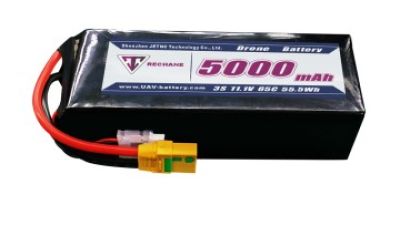
Ultimate Guide to JENTC Lipo Battery FPV 3s 5000mAh 65C: The Ideal UAV Power Solution
When it comes to powering UAVs, the choice of battery can significantly impact performance and reliability. The 3s 5000mAh 65C lithium polymer battery stands out as a premier option, particularly for FPV applications. With an impressive 11.1V output, this battery ensures that your UAV maintains optimal functionality while in the air. The semi-solid state structure not only enhances stability during operation but also provides a level of performance that is difficult to achieve with traditional batteries.
Moreover, this lithium polymer battery is designed with adaptability in mind. Its certification with RoHS, CE, and FCC standards underscores its commitment to safety and environmental considerations, making it suitable for a variety of consumer electronics applications. Whether for custom assembly or specific branding needs, this battery supports a range of uses, allowing developers and enthusiasts to tailor solutions that meet their unique operational requirements. With its robust performance and versatile compatibility, it offers an ideal power solution for those looking to elevate their UAV experience.
FAQS
: They can boost energy levels and enhance focus. You may feel more alert and productive.
Usage varies. Start with a small amount and adjust based on how you feel.
Some users report jitters or increased heart rate. Listen to your body and use with caution.
They may support weight goals. They work best in combination with a balanced diet and exercise.
Not everyone will have the same experience. Pregnant individuals and those with certain health conditions should consult a doctor.
Keep them in a cool, dry place. Proper storage can maintain freshness and potency.
Everyone's body reacts differently. It may require time or a different approach to notice changes.
Caution is needed when mixing supplements. Research interactions, as some combinations may not be effective.
Yes, using them too late in the day might disrupt sleep patterns. Monitor your intake timing closely.
Many find them helpful before workouts. However, hydration and overall health should remain priorities.
Conclusion
The article "What is China Wholesale Delivery Drone Battery and How Does It Work?" explores the concept of wholesale delivery drones in China, focusing on their essential components and the specific types of batteries that power them. Key highlights include an overview of the performance metrics of delivery drone batteries, such as capacity, weight, and flight time, which are crucial for optimizing drone efficiency in logistics operations.
Additionally, the article examines current market trends in China's delivery drone and battery technology sectors, along with the regulatory framework governing drone operations. The discussion also touches on future innovations and the challenges facing the development of delivery drone batteries, emphasizing the importance of continuous advancements to meet the growing demand for efficient and reliable delivery solutions.