Inquiry
Form loading...
0%

You know, it’s pretty impressive how China’s manufacturing sector is still going strong, even with all those tariff hurdles thrown up by the U.S. It really shows just how resilient and adaptable they are in such a fast-changing global landscape. Take Shenzhen Jentc Technology Co., Ltd., for instance. This company, which kicked off in 2011, is making waves as a key player in the high-performance lithium battery scene. With more and more folks looking for cutting-edge Battery Tech—especially in places like Battery Europe—Jentc is stepping up to the plate. They’ve got a solid lineup of products, including those awesome 4.4V high-voltage batteries, super-fast charging lithium batteries, and AGV lithium batteries. In this blog post, we’re going to dive into how Jentc is making the most of the chances that come their way in this shifting market and what their innovations mean for the wider manufacturing world, especially with all the tariff stuff going on.
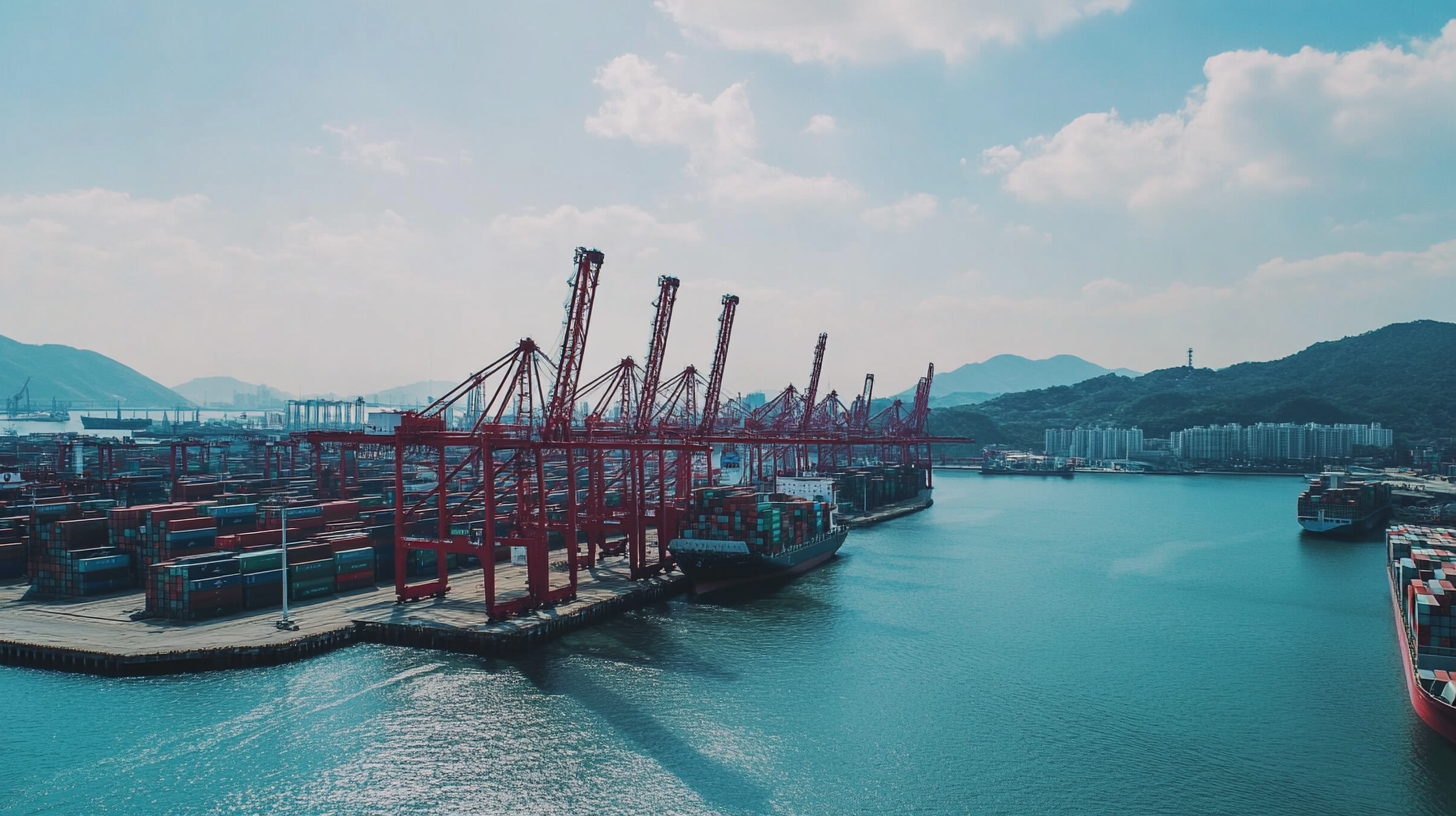
China Manufacturing Thrives Amidst US China Tariff Challenges Best Battery Europe Insights

China's Resilience in Manufacturing: Navigating Tariff Turbulence

China's manufacturing sector is demonstrating remarkable resilience amid the turbulence of US-China tariff conflicts. As both nations engage in a tit-for-tat game of tariffs, economists observe a growing competition for "economic resiliency." The current trade environment poses significant challenges, yet China's strategic responses, including a shift towards greater agricultural self-reliance, are encouraging. The country's $19 billion investment in soybean imports is a clear indication of its dedication to ensuring food security while navigating these tariff hurdles.

Moreover, solutions such as advanced ERP systems are becoming increasingly essential for manufacturers striving to mitigate disruptions caused by escalating tariffs. By leveraging tools like inventory optimization and embedded analytics, manufacturers can make informed decisions that strengthen their supply chains. As US tariffs continue to impact not only Chinese goods but also imports from Canada and Mexico, these adaptive strategies will be crucial for sustaining production efficiency and maintaining competitiveness in the global market. The ability to swiftly navigate through tariff-induced changes is setting the stage for China's ongoing dominance in manufacturing.
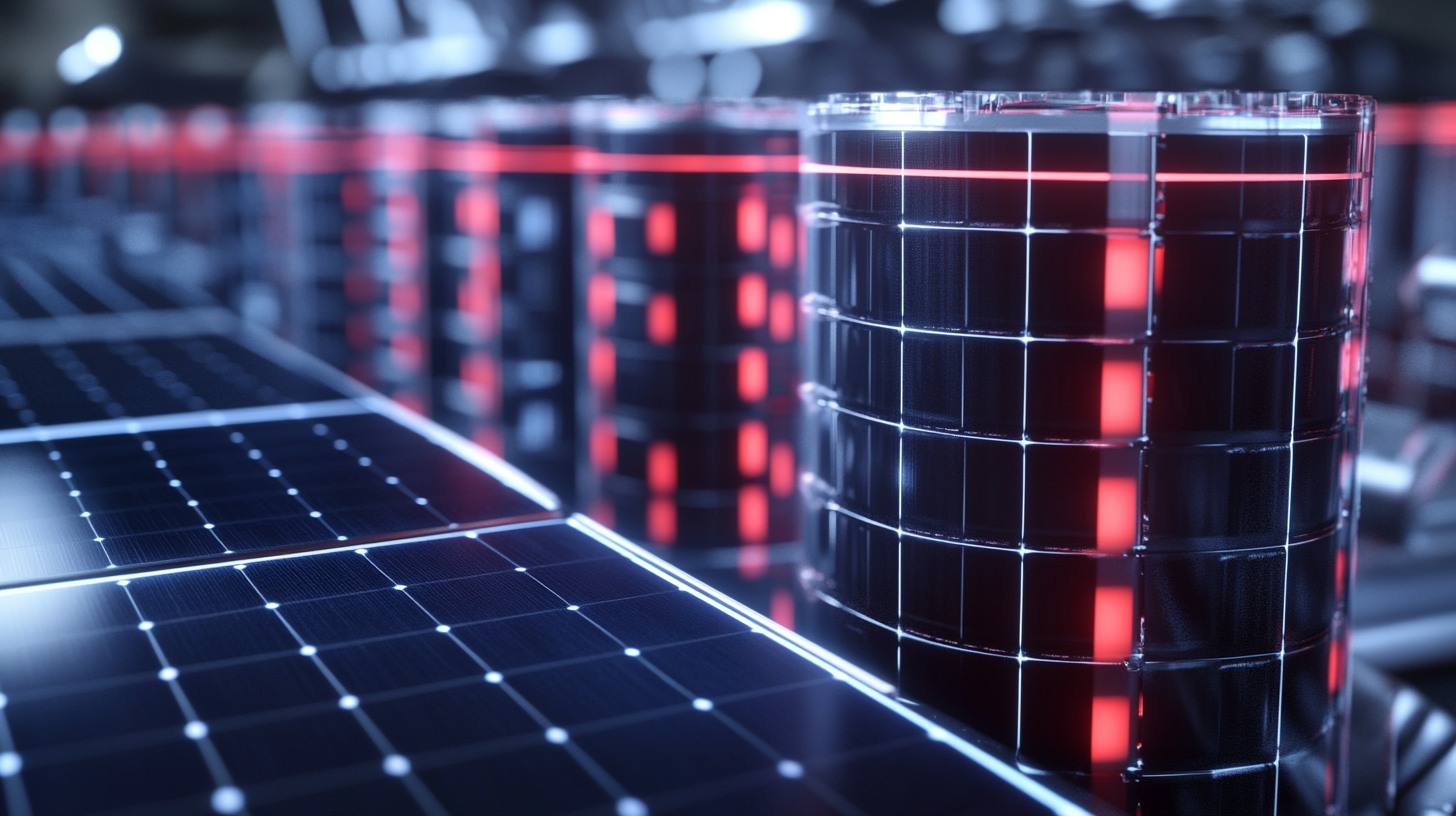
China Manufacturing Thrives Amidst US China Tariff Challenges Best Battery Europe Insights

The Impact of US-China Tariffs on Global Supply Chains

You know, the way US-China tariffs are shaking up global supply chains is really hard to ignore, especially in big industries like manufacturing and energy. A report from the International Trade Administration lays it all out—those tariffs on over $370 billion worth of Chinese goods have not just thrown a wrench in the trade works, but they’re also prompting companies to rethink where they get their supplies from. A lot of manufacturers are taking a hard look at their supply chains right now. They’re all about diversifying their sources and beefing up domestic production to dodge the risks that come with these unpredictable tariffs.

Now, if we zoom in on the battery industry—which is super important for electric vehicles and storing renewable energy—there's some pretty exciting stuff happening in Europe. According to BloombergNEF, European battery production is set to jump to 400 GWh by 2025, up from only 50 GWh back in 2020. That’s a massive leap! This whole shift is really driven by the need for Europe to become more energy-independent and to boost local manufacturing, especially considering the rocky US-China trade situation. As European companies pour money into building up their local supply chains, the whole battery market is changing—and Europe is starting to look like a serious contender against both Chinese and American manufacturers.

Innovative Strategies: How Chinese Manufacturers Adapt

You know, with all the rising tariffs going on between the US and China, Chinese manufacturers have really stepped up their game. They’re not just trying to survive; they’re actually thriving in this tough global market! By tapping into advanced technologies and fine-tuning their supply chains, they’ve been able to boost their efficiency and cut down on costs. Honestly, this kind of flexibility is what’s helping them ride out the tariff storm while still delivering top-notch products, especially in the battery sector. And let me tell you, that’s super important for a sustainable future, not just in Europe, but everywhere!

One really cool tactic they’re using is focusing on collaboration within the industry. More and more, we’re seeing Chinese manufacturers team up with local companies in Europe. They’re pooling their knowledge and resources to tackle those tricky regulatory nuts and cater to specific market needs. By making sure their production processes align with European standards, they’re not just broadening their reach; they’re also building trust and credibility along the way. This kind of strategic move really shows their dedication to innovation and resilience. It’s setting the bar for manufacturers all over the globe as they adapt to these changing trade dynamics.

China Manufacturing Competitiveness in the Face of US-China Tariff Challenges

Sustainability and Technology: The Future of Chinese Manufacturing

You know, technology is really changing the game in Chinese manufacturing, especially when it comes to being sustainable and using energy more efficiently. With more people wanting eco-friendly electronics, innovation in battery production is absolutely key. It’s interesting to see how public-private partnerships are popping up, acting like important bridges for tapping into new tech, optimizing what we already have, and boosting the role of skilled workers in manufacturing. By joining forces, they can really push the development of sustainable battery technologies that will be essential for keeping our energy systems up to date.

And let’s not forget about how cool technologies like AI, blockchain, and the Internet of Things are shaking up supply chains in China. These innovations are not just there to make things run smoother; they're also helping to promote sustainability at every step of the manufacturing process. With a strong push towards adopting Industry 4.0, Chinese manufacturers are in a great spot to embrace lean practices that cut down on waste and improve environmental responsibility. This shift not only meets that ever-growing global demand for greener products but also leads to a more resilient manufacturing sector in China—setting a pretty high standard for the rest of the world, if you ask me.

China Manufacturing Landscape in 2023

Competitive Advantages of Chinese Manufacturing in the Global Market

You know, Chinese manufacturing is really impressing everyone lately. It's showing some serious strength and competition in the global scene, especially when it comes to battery production. This sector is super important for European economies right now. One of the things that sets Chinese manufacturing apart is how quickly they can ramp up operations, thanks to their massive workforce and well-established supply chains. This level of efficiency means they're able to keep up with the growing global demand while still keeping their production costs down, which is a big deal in markets that are super price-sensitive.

On top of that, Chinese manufacturers are really leading the charge when it comes to tech innovation. They've been pouring money into advanced manufacturing tech and research and development, which has definitely put them at the forefront of high-tech industries. Just look at the battery scene—China totally dominates the lithium-ion market, and that's essential for things like electric vehicles and renewable energy storage. By integrating the latest technologies, they not only improve the quality of their products but also speed up their production processes, giving them a leg up over European companies that are still trying to catch up with these advancements. As more and more people seek out sustainable energy solutions, it’s pretty clear that China's smart investments and innovative approaches will keep shaping the battery market, both in Europe and elsewhere.

China Manufacturing Thrives Amidst US China Tariff Challenges Best Battery Europe Insights

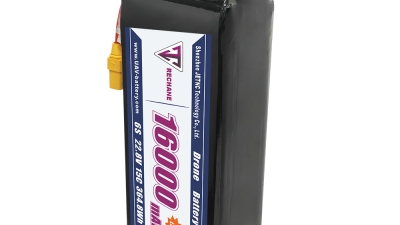
Maximize Your Drone's Performance with the JENTC LI-HV 6s 16000mAh Battery: A Comprehensive Review and Guide

Maximizing your drone's performance involves selecting the right battery, and the JENTC LI-HV 6s 16000mAh battery stands out as an exceptional choice. This high-capacity, semi-solid custom lithium polymeR Battery pack is designed specifically for a variety of drones, ensuring that you can achieve optimal performance during your flights. With a remarkable capacity of 16000mAh and a voltage of 22.8V, pilots can enjoy extended flight times, allowing for more extended exploration and capturing breathtaking aerial footage without frequent recharges.

The JENTC battery not only promises longer air time but also reliability, thanks to its 15C discharge rate that delivers stable power for demanding flight maneuvers. Certified by RoHS, CE, and FCC standards, you can trust in its safety and efficiency. This battery is meticulously crafted in China and comes with an impressive warranty ranging from 3 months to a year, providing peace of mind for your investment. Whether you’re a professional drone pilot or an enthusiastic hobbyist, the JENTC LI-HV battery is an excellent upgrade to enhance your drone's performance in the skies.

FAQS

: How is China's manufacturing sector showing resilience amid US-China tariff conflicts?

: China's manufacturing sector is demonstrating resilience by strategically responding to tariff conflicts, including investing in agricultural self-reliance and advanced ERP systems to optimize supply chains and maintain production efficiency.

What is the significance of China's $19 billion investment in soybean imports?

This investment highlights China's commitment to ensuring food security while navigating tariffs, showcasing a shift toward greater agricultural self-reliance in response to trade tensions.

How are US tariffs impacting global supply chains?

US tariffs on over $370 billion worth of Chinese goods have disrupted trade flows and prompted manufacturers to reevaluate their sourcing strategies, focusing on diversifying sources and increasing domestic production.

What role is Europe playing in the battery industry amid US-China trade tensions?

Europe is rapidly emerging as a key player in the battery industry, with production capacity expected to reach 400 GWh by 2025, driven by the need for energy independence and local manufacturing capabilities.

How are Chinese manufacturers adapting to the competitive global market under tariff pressures?

Chinese manufacturers are employing innovative strategies by leveraging advanced technologies and collaborating with local companies, optimizing supply chains to enhance efficiency and reduce costs.

What benefits do Chinese manufacturers gain from forming partnerships with local companies in Europe?

By collaborating with local companies, Chinese manufacturers can navigate regulatory hurdles, meet market demands, and align their production processes with European standards, which builds trust and credibility.

Why are advanced ERP systems important for manufacturers dealing with tariffs?

Advanced ERP systems are essential for manufacturers to mitigate disruptions caused by tariffs, enabling informed decision-making through inventory optimization and embedded analytics to strengthen supply chains.

What are the current challenges faced by manufacturers due to trade tensions?

Manufacturers are facing significant challenges including disrupted supply chains, increased sourcing risks, and the need to adapt to changing economic conditions due to the ongoing US-China tariff disputes.

How is the battery sector critical for sustainable futures in relation to Chinese manufacturing?

The battery sector is vital for electric vehicles and renewable energy storage, and Chinese manufacturers are focusing on this area to continue delivering high-quality products amidst tariff-related pressures.

How do tariff-induced changes influence China's ongoing dominance in manufacturing?

China's ability to swiftly navigate through tariff-induced changes, combined with strategic investments and technological adaptations, positions it to maintain its dominance in the global manufacturing landscape.
Evelyn

Evelyn

Evelyn is a dedicated marketing professional at Shenzhen Jentc Technology Co., Ltd., where she plays a crucial role in promoting the company’s innovative high-performance lithium battery solutions. With an in-depth knowledge of the product portfolio, which includes advanced offerings like 4.4V......
Previous Unlocking the Potential: Advantages of Harnessing Battery Power for Global Supply Chains