Inquiry
Form loading...
0%

You know, as Battery Technology keeps evolving at a pretty crazy pace, keeping an eye on theBattery State has basically become a must if you want things to run smoothly and last longer. I mean, according to the International Energy Agency, global demand for batteries is expected to shoot up five times by 2030 — mainly because everyone’s jumping on electric vehicles and renewable energy storage. That kind of growth really underscores how important it is to have solid monitoring practices in place to keep batteries healthy and working efficiently.
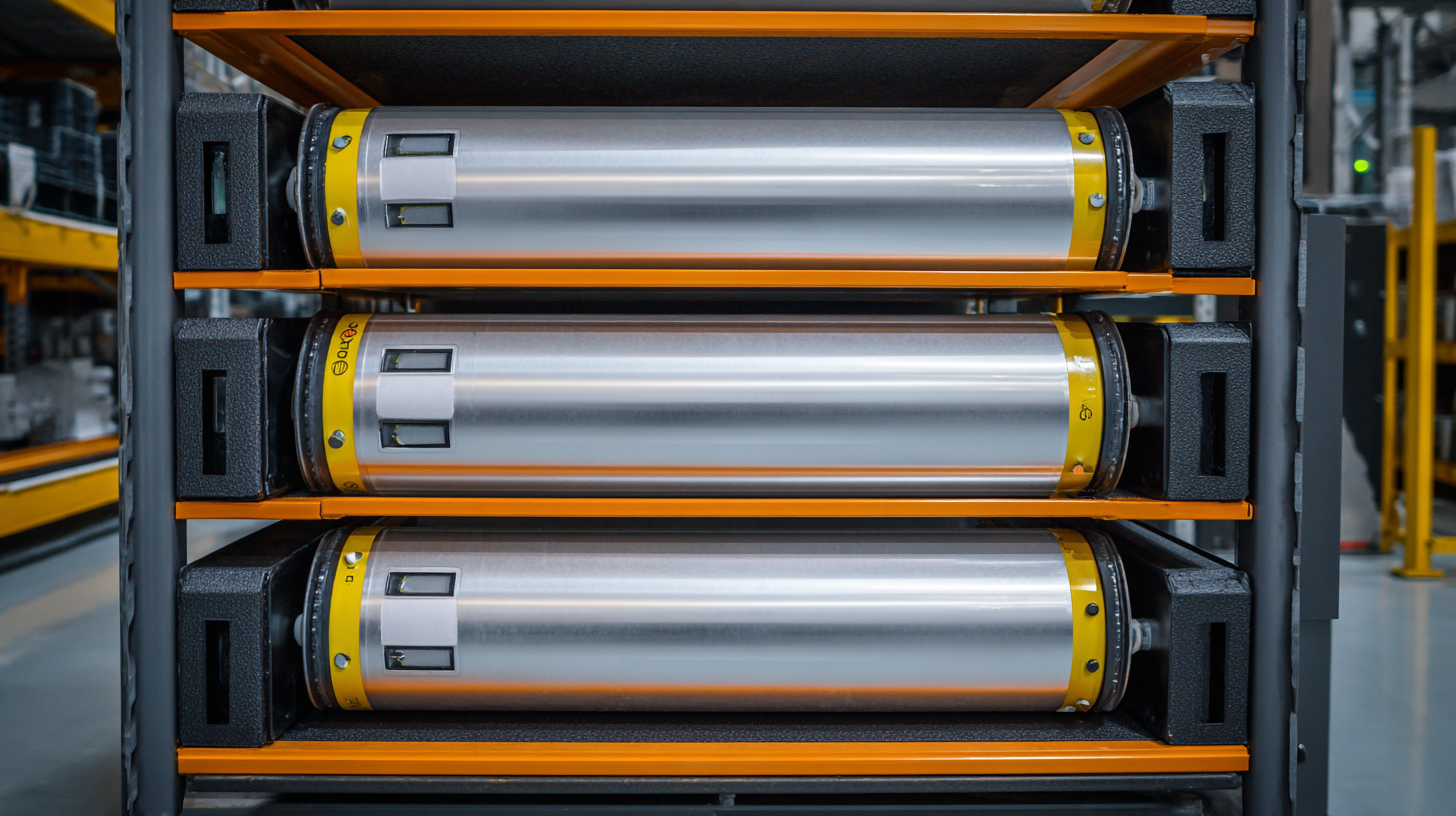
Essential Checklist for Monitoring Battery State: Key Metrics and Industry Best Practices

Companies like Shenzhen Jentc Technology Co., Ltd. have been leading the way since 2011 with their lithium battery solutions. They’ve got a pretty wide range of high-performance products—stuff like 4.4V high-voltage batteries and fast-charging lithium batteries—that suit all kinds of needs. Putting together a simple checklist to keep track of key metrics related to the Battery State can really make a difference—boosting efficiency and helping everyone stay on top of industry standards. That way, stakeholders can make smarter decisions and stay ahead in this competitive market.

Importance of Accurate Battery State Monitoring in Modern Applications

In today's world, where so much of our tech depends on battery power, keeping a close eye on battery health has become super important. From smartphones to electric cars, we all rely on batteries that work well and last a long time. Knowing what's going on inside your battery—like how much charge it has left, how healthy it is, or how it's performing—can really make a difference. It helps us use our devices more efficiently, stay safe, and just have a better overall experience. So, paying attention to battery monitoring is pretty much a must these days.

One smart way to keep tabs on your battery is by using stuff like Battery Management Systems (BMS) and state-of-charge (SOC) indicators. These tools don’t just tell you the voltage or temperature; they also give you details about how many charge cycles your battery has gone through and how it’s aging. Some companies even use predictive analytics to fine-tune their maintenance routines, which helps batteries last longer and avoids those sudden failures we all hate. As more industries shift to electric, keeping a close eye on battery health is going to become even more crucial—it's all about pushing innovation and keeping things sustainable in our tech-driven world.

Key Metrics for Assessing Battery Health: Capacity, Voltage, and Internal Resistance

When you're keeping an eye on your battery's health, there are a few key things you wanna look out for—mainly capacity, voltage, and internal resistance. Each of these plays a big part in figuring out how well your battery’s doing and how long it might last.

So, first up, capacity—measured in ampere-hours (Ah)—basically tells you how much energy your battery can store and deliver. If you notice it dropping over time, that’s often a sign your battery’s getting older or maybe even starting to have some issues. Checking this regularly can save you from being caught off guard with a dead device when you need it most.

Next is voltage, which gives you a pretty good idea of the current charge level. Keeping an eye on it can also help spot problems like overcharging or draining the battery way too deep—both of which aren’t good news for longevity. And then there's internal resistance — this measures how easily the current flows inside the battery. When resistance goes up, you might see some extra heat or a dip in performance, especially if you're using your device heavily. So, tracking these things helps you keep your batteries in good shape, making your devices last longer and work better overall.

Essential Checklist for Monitoring Battery State: Key Metrics and Industry Best Practices

Industry Practices for Real-Time Battery State Monitoring: Tools and Technologies

In today's super fast-paced tech world, keeping an eye on battery health in real-time has become pretty much essential across a bunch of industries — from electric cars to renewable energy storage. Thanks to some pretty advanced tools and cutting-edge tech, companies can now track key info that really impacts how long batteries last and how well they perform. You know, a recent report from BloombergNEF says that global investment in battery tech could hit $8 trillion by 2030. That just goes to show how important it is to have solid monitoring systems in place to keep batteries running smoothly and to cut down on overall costs.

By setting up these smart monitoring systems, businesses can gather all the critical data — like charge level (SoC), battery health (SoH), temperature, and voltage. These things are huge when it comes to predicting how long a battery will last and making sure everything stays safe during operation. Companies like Tesla have really led the way, using integrated battery management systems with machine learning algorithms. This tech helps predict issues before they happen and fine-tune how batteries are used.

**Pro tip:** Regularly calibrating your monitoring gear can make a big difference in accuracy. And don’t forget to set up a routine to review the real-time data — it helps catch problems early on, which could save you a boatload on unexpected downtime. By making the most of live data, businesses can tweak their strategies on the fly to keep batteries performing at their best.

Essential Checklist for Monitoring Battery State: Key Metrics and Industry Best Practices

Metric Description Best Practices Tools & Technologies
State of Charge (SoC) Percentage of charge remaining in the battery. Regularly calibrate battery monitoring systems. Battery Management Systems (BMS)
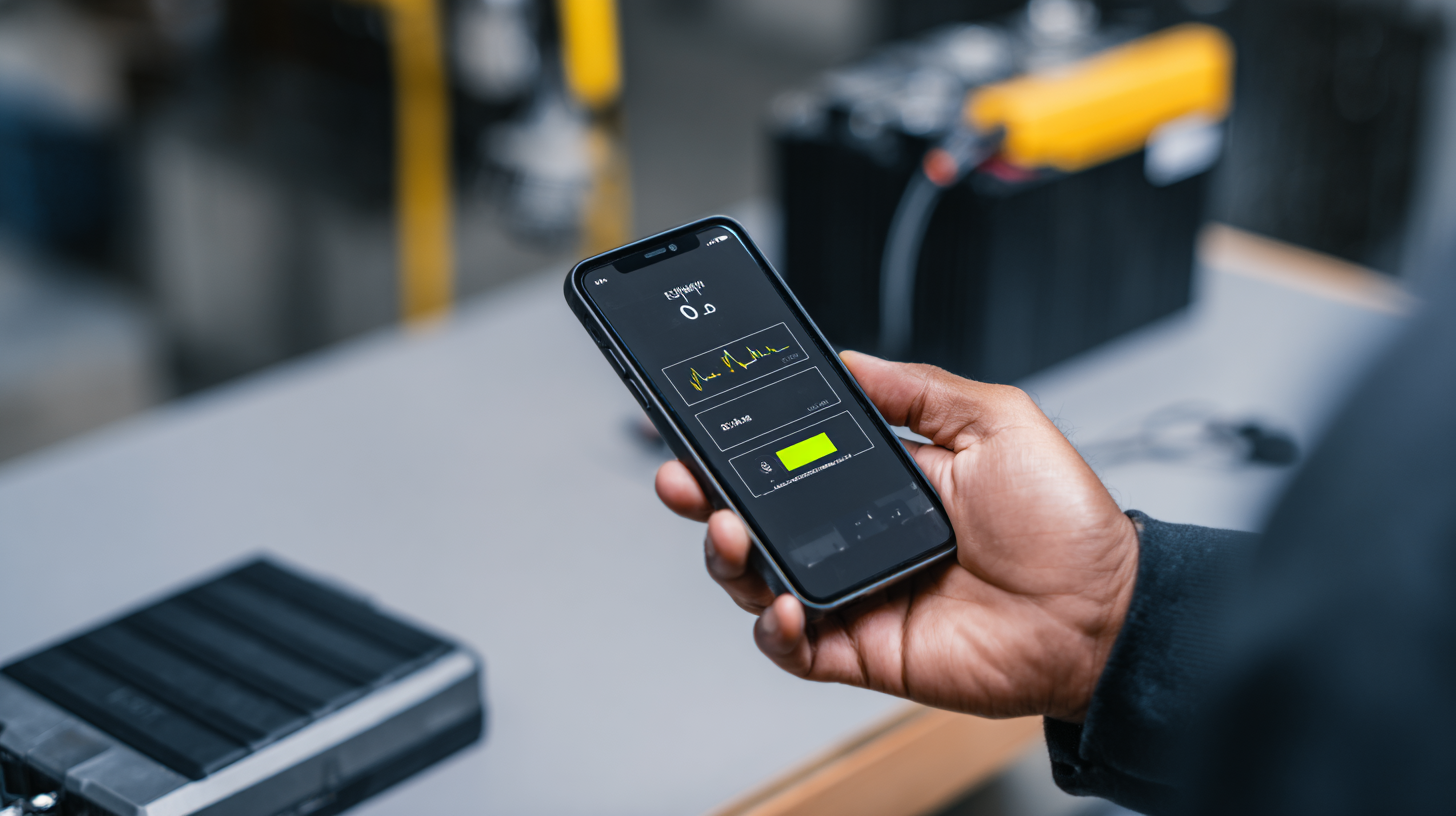
State of Health (SoH) Overall condition of the battery compared to its ideal state. Conduct regular health assessments and diagnostics. Smartphone Monitoring Apps
Temperature The operational temperature of the battery during usage. Ensure proper cooling and thermal management. Thermal Sensors
Charge/Discharge Cycles Number of complete charge and discharge occurrences. Track usage patterns to optimize battery life. Data Logging Software
Voltage Levels Current voltage of the battery, which affects performance. Monitor voltage to prevent overcharging or deep discharging. Voltage Monitoring Equipment

Analyzing Battery Degradation Patterns: Insights from Lifespan Data

Keeping an eye on how batteries degrade over time is super important if you want your stuff to run smoothly and last as long as possible. If you’ve read up on recent studies—like the one from the Department of Energy’s Argonne National Laboratory—they point out that lithium-ion batteries can lose about 20% of their capacity after just 500 charge cycles. And it’s not just about charging them up; things like temperature and how fast you charge and discharge play a big role too. For example, using batteries at higher temperatures—say, around 40°C—can really speed up capacity loss. In fact, data suggests that these conditions could cut the overall lifespan by around 25% compared to keeping batteries at more ideal temperatures.

Experts in the field keep stressing how important it is to analyze these degradation patterns. A really detailed report from McKinsey points out that predictive analytics—think machines learning from data—can seriously boost how we manage batteries. By looking at historical performance data, battery systems can spot early warning signs of trouble. Using machine learning algorithms, companies are now able to predict how long a battery might last with surprising accuracy, which helps avoid those frustrating unexpected failures. Not only does understanding these patterns help with maintenance—getting ahead of problems before they happen—but it also guides the design of better batteries in the future. In fact, smart tech could even double the lifespan of next-gen batteries compared to what’s available today.

Best Practices for Battery Maintenance: Maximizing Longevity and Performance

Taking good care of your EV battery is super important if you want it to last longer and perform at its best—from Battery Electric Vehicles (BEVs) to Plug-in Hybrids (PHEVs), the story's pretty much the same. Have you noticed? The global market for battery cooling systems in EVs is expected to hit around $X billion by 2026, mainly because more folks are on the hunt for smarter thermal management solutions. When you keep your battery in check, not only does your car go further on a single charge, but it also becomes safer and more dependable.

To get the most out of your battery, it's a good idea to keep an eye on some key things like your charge level (SoC), overall health (SoH), and temperature. Doing regular checks can help you dodge overheating troubles and extend your battery’s lifespan.

Pro tip: Make a habit of checking your cooling system regularly—making sure it’s doing its job to keep things cool can seriously lower the chances of overheating, giving you a safer, smoother ride.

Plus, upgrading to a smart battery management system (BMS) can be a total game changer. It keeps tabs on your battery in real-time and can even predict when maintenance is needed. By understanding how you use your car and keeping an eye on your battery’s status, you can fine-tune your charging habits and boost overall performance.

Another tip: Use apps or software that give you tips on your battery health and charging. Staying informed and making smarter choices based on data can really make your battery last longer and perform better.

Future Trends in Battery Monitoring: Innovations Shaping the Industry

As the battery industry keeps evolving, new monitoring tech is becoming super important for making batteries last longer and work better. Looks like the global market for battery monitoring systems is headed to hit around $3.5 billion by 2026, with a solid growth rate of about 24.3% from 2021 onward. This boom is mainly fueled by more folks using these systems in electric vehicles (EVs), renewable energy storage, and everyday gadgets. Companies are now using smarter algorithms and IoT connectivity to keep tabs on battery health in real-time — which in turn boosts safety and makes everything run more smoothly.

Essential Checklist for Monitoring Battery State: Key Metrics and Industry Best Practices

One of the coolest trends right now is the move towards mixing AI and machine learning into battery monitoring. These smart techs analyze past usage and environmental data to predict when batteries might start to degrade. They can even help fine-tune charge cycles, possibly extending battery life by as much as 30%. On top of that, setting clear standards for what goes into battery management systems is a big deal. Initiatives like IEC 62660, which lays down safety and performance guidelines, are really gaining momentum across the industry.

All of these innovations not only help manufacturers stay compliant but also give users more confidence in their batteries, knowing there’s greater transparency and reliability in what they’re using.

Unlocking the Power of Flight: The Ultimate Guide to JENTC 5000mAh 3S LiPo Battery for Your UAV Adventures

Unlocking the Power of Flight: The Ultimate Guide to JENTC 5000mAh 3S LiPo Battery for Your UAV Adventures

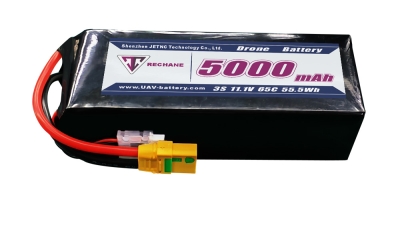
When it comes to advancing your UAV adventures, the choice of battery can make all the difference, and the JENTC FPV 3s 5000mAh 65C lithium polymer battery stands out for good reason. Designed specifically for UAV applications, this powerhouse offers a reliable output of 11.1V, ensuring that your drones can soar to greater heights with consistent performance. What sets the JENTC battery apart is its semi-solid state structure, which provides not only enhanced stability but also optimized efficiency during flight, crucial for those lengthy aerial missions.

Moreover, the JENTC 5000mAh battery is not just about performance; it also prioritizes safety and adaptability. With certifications from RoHS, CE, and FCC, you can trust that it meets rigorous safety standards. This makes it an excellent choice not just for hobbyists, but also for professionals who require dependable energy sources for their projects. Additionally, the option for custom assembly and branding enhances its versatility, allowing users to tailor their power solutions to fit specific needs, be it in commercial applications or personal use. Unlock your UAV's full potential with the JENTC 5000mAh battery and experience the thrill of flight like never before.

FAQS

: What is the primary focus of the article on battery degradation?

: The article focuses on analyzing battery degradation patterns to optimize performance and extend lifespan, emphasizing the impact of factors such as charge cycles, temperature, and charge/discharge rates.

How much can lithium-ion batteries degrade after 500 charge cycles?

Lithium-ion batteries can degrade by about 20% after just 500 charge cycles.

What environmental factor can significantly affect battery lifespan?

Operating batteries at elevated temperatures, specifically around 40°C, can lead to a potential 25% reduction in lifespan compared to those kept at optimal conditions.

How can predictive analytics improve battery management systems?

Predictive analytics can enhance battery management systems by using historical performance data to identify early signs of degradation, thereby allowing for proactive maintenance and improving battery life expectancy.

What role does machine learning play in predicting battery longevity?

Machine learning algorithms can accurately predict battery life expectancy and reduce unexpected downtime by analyzing degradation patterns and historical usage data.

What are the emerging trends in battery monitoring technologies?

Emerging trends include the integration of AI and ML for predictive analytics, which can forecast battery degradation and optimize charge cycles, potentially enhancing lifespan by up to 30%.

What is the expected market growth for battery monitoring systems by 2026?

The global battery monitoring system market is expected to reach $3.5 billion by 2026, growing at a CAGR of 24.3% from 2021.

Why is developing standards for battery management systems important?

Developing standards like the IEC 62660 is important for ensuring performance and safety requirements across the industry, helping manufacturers comply with regulations and providing users with greater transparency and reliability.

How are IoT technologies influencing battery performance?

IoT connectivity is being leveraged to provide real-time data on battery conditions, significantly improving safety and efficiency in various applications such as electric vehicles and renewable energy storage.

What potential improvements could future battery technologies achieve compared to current models?

Future battery technologies could potentially double the lifespan of current models by utilizing insights from degradation patterns and advanced monitoring techniques.

Evelyn

Evelyn

Evelyn is a dedicated marketing professional at Shenzhen Jentc Technology Co., Ltd., where she plays a crucial role in promoting the company’s innovative high-performance lithium battery solutions. With an in-depth knowledge of the product portfolio, which includes advanced offerings like 4.4V......
Previous Unlocking the Potential: Advantages of Harnessing Battery Power for Global Supply Chains