You know, when it comes to drone tech, picking the right battery for your mapping drone is super important—it really can make or break your flight time and overall success. A recent report from ResearchAndMarkets.comhighlights that the global Drone Battery market is projected to hit a staggering$5.3 billion by 2026. Lithium batteries are leading the pack because they’re lightweight, pack a punch with their energy density, and charge up quickly. Since 2011, Shenzhen Jentc Technology Co., Ltd. has been a major player in this game, providing high-performance lithium batteries designed for all sorts of uses, including for those mapping drones we love. They’ve got some cool products like 4.4V high-voltage batteries and fast-charge lithium options. What’s neat is that Jentc isn’t just meeting the growing need for dependable power; they’re also boosting the efficiency of aerial mapping like a boss. So, if you're embarking on drone missions, knowing how to pick the perfect Mapping Drone Battery can really up your game!
Key Features to Consider When Selecting Mapping Drone Batteries
Alright, so when you're picking out a battery for your mapping drone, there are a few important things to think about to make sure it works really well and lasts a long time. First up, capacity is a big deal. It’s measured in milliampere-hours, or mAh for short. Basically, the higher the capacity, the longer your drone can fly—super handy for covering more ground during your mapping missions. But don’t forget to weigh that against the battery's weight, because if it’s too heavy, it might mess with how efficiently your drone flies and how easy it is to maneuver.
Next, you want to take a good look at the Battery Type. Most drones use lithium-polymer (LiPo) batteries since they’re light and pack a lot of energy. Just keep in mind that they need a bit of TLC to avoid damage. Oh, and pay attention to the discharge rate, which is often shown as a "C" rating. This basically tells you how quickly you can safely drain the battery. If you’re dealing with a higher discharge rate, your drone will zip around better when it’s fully loaded. By breaking down these key details, you’ll be able to find a mapping drone battery that’s just right for your needs and will keep things running smoothly out in the field.
Understanding Battery Chemistry: LiPo vs. Li-Ion for Mapping Drones
So, when you’re choosing a battery for your mapping drone, it’s super important to know the differences between LiPo (Lithium Polymer) and Li-Ion (Lithium Ion). Both types have their perks, but the chemistry behind them gives each its own set of pros and cons for how they perform and fit into your aerial mapping tasks. For instance, LiPo batteries are famous for their high discharge rates, which makes them a great fit for drones that need quick bursts of power, like during takeoff, tricky maneuvers, or when delivering payloads. Plus, they’re lightweight, which helps you get more flight time—definitely a big deal for those long mapping missions, right?

Now, on the flip side, Li-Ion batteries are all about longevity. They have a longer cycle life and better energy density, meaning they can keep your drone flying for much longer. And they’re less likely to puff up or get damaged, so they’re a solid option if you’re not the most careful with your batteries. Also, if your drone work requires steady, consistent power instead of those quick surges, Li-Ion batteries are usually the way to go. So, knowing these differences can really help you pick the right battery that fits your needs and boost your mapping efficiency.
The Role of Capacity and Discharge Rates in Drone Battery Performance
Choosing the right battery for your mapping drone can feel a bit overwhelming, right? But trust me, understanding both capacity and discharge rates is key to getting the most out of your flying buddy. So, when we talk about capacity, we're looking at it in milliampere-hours (mAh). This tells you just how much energy the battery can hold, and it directly affects how long your drone can stay up in the air. If you opt for a battery with a higher capacity, you'll be able to take on longer missions – and that's super important for those mapping tasks that need some serious airtime.
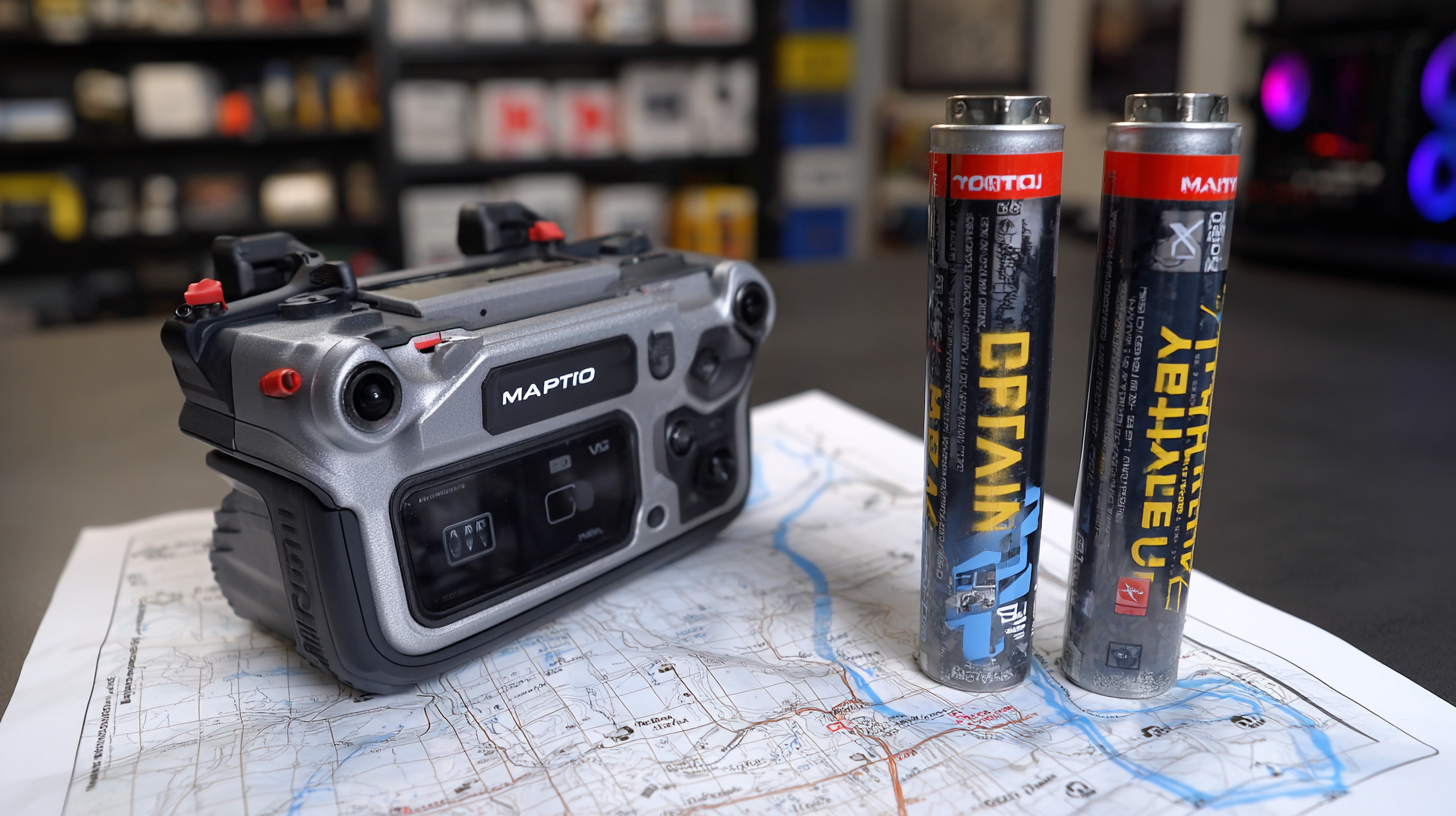
Now, let’s chat about discharge rates. This part is all about how quickly your battery can release that stored energy. You’ll want to pay attention to this, especially for drones that need quick bursts of power, like when they’re taking off or making those sharp turns. Picking a battery with the right discharge rate really helps keep your drone nimble and ready, which is crucial when you’re aiming for accurate data. At Shenzhen Jentc Technology Co., Ltd., we offer high-performance lithium battery solutions, including our awesome 4.4V high-voltage and fast-charge lithium batteries. They're built to handle those demands, giving you both the power and reliability you need for your mapping adventures.
Evaluating Battery Life: How Long Can Your Mapping Flights Last?
Alright, so when you’re picking out the best battery for your mapping drone, one of the key things you really want to think about is battery life. It totally affects how long those mapping flights can go on for. Recent studies have shown that while larger drones actually emit less pollution compared to diesel trucks, especially in rural deliveries, the efficiency of the batteries is still a super important topic to dive into. You’ll find that most drones can typically fly for anywhere between 20 to 60 minutes, and that really depends on the battery type and how much weight they’re carrying. This is really crucial for those big mapping projects, like when you’re using drones to monitor environmental issues – think assessing how sea levels are rising on nesting beaches.
A Few Tips to Help Boost Battery Life:
- Watch that Weight: Try to lighten up your drone's load if you can; it’ll help you get more flight time, especially when mapping large areas.
- Plan Your Flight Path: Using some good flight planning software can really make a difference. By mapping out efficient routes, you can cut down on unnecessary flight time and help save that precious battery.
- Mind the Weather: Keep an eye on the wind and weather conditions! These can really mess with how well your battery works. If you can, try to schedule your flights when the conditions are just right to help with energy efficiency.
So, if you really get a good grasp on battery life and how it works, you’ll make sure your mapping projects stay on track and run smoothly, giving you a chance to gather all that valuable data without too many hiccups.
Tips for Maintaining Your Mapping Drone Batteries for Longevity
If you want to keep your mapping drone batteries going strong, proper maintenance is key. One of the biggest things that can mess with battery life is temperature. You see, Lithium Polymer (LiPo) batteries, which are super common in drones, really don't like extreme temps. So, it's a good idea to make sure you're flying your drone when it's between 32°F to 104°F (that’s 0°C to 40°C for you metric folks) to steer clear of any performance hiccups.
When it comes to taking care of your batteries, make sure to stash them in a cool, dry spot that gets no direct sunlight. And hey, don’t forget to check them out regularly for any signs of swelling or damage—those are red flags you definitely want to catch early. Plus, during those hot summer days, be extra careful not to leave your batteries in a hot car or anything like that. They really don’t appreciate the heat!
Now, if you're flying in cold weather, keep in mind that low temps can totally throw off battery performance and cut down your flight time. So, before you take off, give your batteries a chance to warm up to the outside temperature. This little trick can really boost your drone’s efficiency, letting you grab high-quality mapping data without any annoying interruptions. Follow these tips, and you'll definitely help your mapping drone batteries last longer while keeping everything safe and running smoothly.
Battery Capacity and Usage for Mapping Drones
Future Trends in Drone Battery Technology: What to Expect in 2025
Hey there! As we get closer to 2025, it looks like drone battery technology is about to really shake things up. Reports from the industry are hinting that lithium-sulfur batteries could be making their big debut soon, boasting energy densities that could reach up to 500 Wh/kg. That's a major jump from the current lithium-ion batteries, which sit at around 250 Wh/kg. I mean, can you imagine the kind of flight times we could see for mapping drones? Longer missions without having to stop and recharge every little while? It sounds pretty awesome! And you know, a recent report from MarketsandMarkets predicts that the drone battery market will see a growth rate of 14.6% from 2020 to 2025. That just shows how more and more industries like agriculture, surveying, and logistics are getting on board with drones.
But it’s not just about having more juice in the batteries. We’re also looking at some exciting advancements in battery charging tech that should kick in around 2025. Fast charging solutions are being rolled out to cut down on downtime and keep things running smoothly. For instance, have you heard about Qualcomm’s Quick Charge technology? They’re testing it to make sure drones can stay in the air for hours after just a quick recharge. Plus, they’re also looking to integrate artificial intelligence into battery management systems. This is expected to really fine-tune energy use, give us better predictions on battery life, and boost overall performance. With these innovations, mapping drones are going to be even more capable, and that’s going to take aerial mapping to the next level for all sorts of projects!
FAQS
: Capacity is a crucial factor, measured in milliampere-hours (mAh), as a higher capacity battery provides longer flight time.
Heavier batteries can negatively affect the drone's flight efficiency and maneuverability, so it is important to balance capacity with weight.
Lithium-polymer (LiPo) batteries are commonly used due to their lightweight nature and high energy density.
The discharge rate, expressed as a "C" rating, indicates how quickly the battery can be safely drained, affecting acceleration and performance under load.
The optimal temperature range for operating LiPo batteries is between 32°F to 104°F (0°C to 40°C).
They should be stored in a cool, dry place away from direct sunlight to prevent damage and extend their lifespan.
Regular checks for signs of swelling or damage are essential, as these can indicate potential hazards.
Avoid exposing batteries to high temperatures, such as leaving them in a parked vehicle, to prevent performance issues.
Cold temperatures can impact battery performance and flight time, so it's advisable to allow batteries to acclimate to ambient temperatures before flying.