In the fast-changing world of aerial tech, picking the right inspection Drone Battery is actually pretty crucial for getting good results. Dr. Emily Chen, a well-known expert in drone tech at SkyTech Innovations, points out that “how well a drone performs really depends on how reliable its battery is.” That just goes to show how important battery choice is when it comes to making inspections more precise and effective.
Today’s drones rely on smarter, better batteries to extend flight time and boost overall performance. As more companies look to make their inspections smoother and more efficient, finding the right wholesale batteries—especially from places like China—has become a top priority. The market’s loaded with options, and honestly, it can be tough to figure out which batteries are truly worth it. You’ve got to think about things like energy density, weight, and how long the batteries last. Drones with optimized Power Inspection Batteries tend to do much better, especially in tough, demanding environments.
Looking ahead to 2026 and beyond, the industry is on the brink of some big changes. But with so many different Battery Tech options out there, it’s easy to get overwhelmed. Companies really need to evaluate what they need most before jumping into a decision. Bottom line? Picking the right inspection drone battery can make a huge difference — not just in how cost-effective your operations are, but also in how successful your missions turn out. Looking at current trends, it’s clear that making informed, thoughtful choices when selecting batteries is more important than ever.
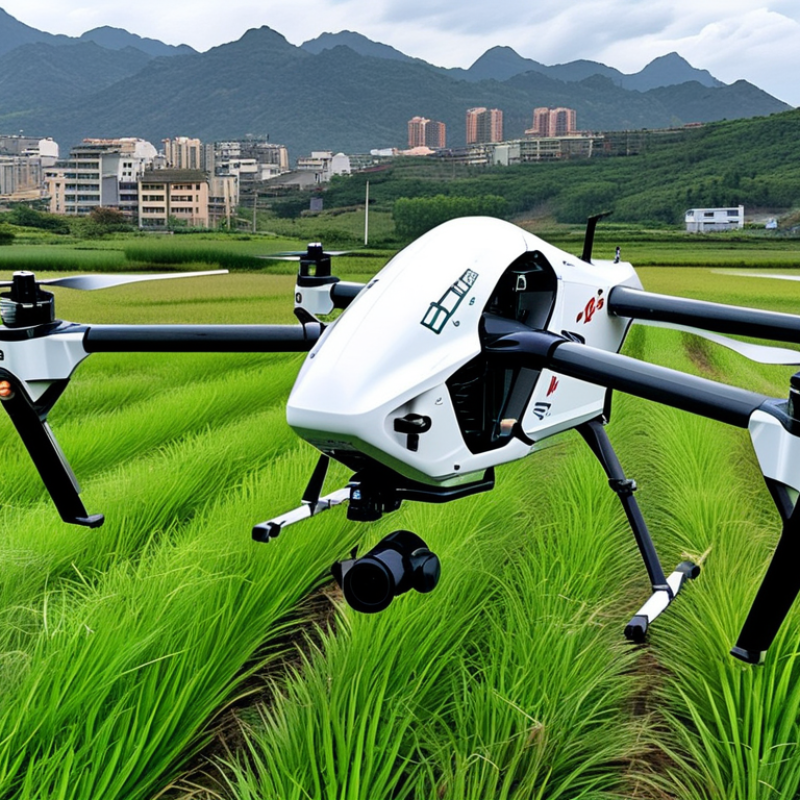
Overview of Drone Batteries for Wholesale Inspection in China
In recent years, the demand for effective inspection drone batteries has surged. Drones are increasingly used in various fields, including agriculture, construction, and environmental monitoring. A significant portion of drone performance relies on battery efficiency. Reports indicate that up to 40% of flight time can be affected by battery type and capacity. Many users often overlook this crucial aspect during procurement.
Battery life is crucial for extended inspection missions. Lithium-polymer (LiPo) batteries are popular due to their high energy density. Studies show that LiPo batteries can provide up to 25% more flight time compared to NiMH types. However, they also require careful handling to prevent issues. Improper charging and storage can lead to safety risks and reduced lifespan. This highlights the need for robust training in battery management for operators.
An emerging trend is the development of smarter battery systems. These systems can monitor performance in real-time. This feature allows pilots to make informed decisions during flights. However, the technology is still evolving, and some users may find it complex to navigate. Manufacturers must focus on creating user-friendly systems to enhance operational reliability. The landscape of Inspection Drone Battery technology is shifting, and staying informed is essential.
Types of Battery Options for Drones: A Comprehensive Guide
When it comes to selecting the right battery options for inspection drones, understanding different types is crucial. Batteries significantly impact flight time and performance. Lithium Polymer (LiPo) batteries are popular. They provide high energy density and are light, making them suitable for precision flying. Reports indicate that LiPo batteries can offer up to 40% more capacity than conventional alternatives. This means longer flight times and more effective inspections.
Another option is Lithium-Ion (Li-ion) batteries. They are known for their longevity and stability. However, their weight can be a limitation for some drone models. Industry data shows that Li-ion batteries often last 2-3 times longer than LiPo counterparts, but with a trade-off in power-to-weight ratio. The balance between flight duration and payload capacity is essential when choosing an Inspection Drones Battery.
Additionally, advancements in battery technology are continuously emerging. Solid-state batteries may be the future, offering improved safety and energy efficiency. Current estimates suggest that solid-state batteries could enhance energy density by 50%. However, they are not yet widely available, raising questions about their reliability and cost-effectiveness. Evaluating these options requires in-depth knowledge and careful consideration of specific use cases.
Key Features to Consider in Drone Batteries for Precision Flying
When selecting drone batteries for precision flying, several key features should be prioritized. Battery life is paramount. A longer battery life allows for extended flights, enabling thorough inspections. Data indicates that top-performing drone batteries can provide over 25 minutes of operational time. This is essential for maximizing efficiency, especially in large areas.
Weight plays a crucial role as well. The weight of a Quad Drone Battery impacts the drone's maneuverability. A lighter battery can lead to improved flight dynamics. According to industry reports, a reduction in battery weight by 10% can enhance flight times by nearly 15%. This significant gain can make a difference in precision flying scenarios, where every second counts.
Charging speed is another feature that cannot be overlooked. Rapid charging technologies are evolving, allowing batteries to regain power quickly. A battery that can fully charge in under 60 minutes offers considerable advantages in time-sensitive inspections. However, faster charging can sometimes compromise battery longevity. Balancing these aspects is essential for effective use. The optimal solution lies in a thorough evaluation of one’s operational needs and the qualities of available batteries. This will ensure that the chosen Quad Drone Battery aligns with specific demands.
Top Brands Offering Wholesale Drone Batteries in China
When looking for wholesale drone batteries in China, several key brands stand out. These companies focus on providing high-quality batteries designed for precision flying. Their products cater to various drone models and ensure reliable performance in diverse conditions. Understanding the specifications is crucial. Various batteries vary in voltage, capacity, and weight. Choosing the right one depends on your drone's requirements.
The competitive market offers a range of options, but not all promise the same reliability. Some brands might boast impressive figures, yet real user feedback can differ. Evaluating these products through third-party reviews can provide valuable insights. Durability and charge cycles are often highlighted in discussions, leading us to reflect on our own experiences with battery life during demanding tasks.
One potential concern is sourcing quality assurance in this vast market. It often requires extensive testing and validation. Not all suppliers offer consistent quality, making it essential to establish a trustworthy relationship. Reliable suppliers usually provide detailed specifications and after-sales support. Nevertheless, occasional discrepancies in battery performance can be challenging, reminding us that ongoing research is an important part of the process.
Costs and Budgeting for Wholesale Drone Battery Purchases
When budgeting for wholesale drone batteries, it's essential to consider various factors that affect overall costs. Pricing can vary considerably based on battery specifications, capacity, and type. For precision flying, investing in high-quality batteries can be a game-changer. They ensure longer flight times and reliable performance. Yet, this does not mean you won’t have to balance your expenses carefully.
Tips: Always compare prices from multiple suppliers. Discounts for bulk purchases can lead to significant savings. Ensure that you understand the warranty and return policies before committing to large orders.
Another aspect to consider is the energy density of batteries. A higher energy density often results in longer flights but at a steeper price. Understand your operational needs; sometimes, standard batteries suffice. Remember, cutting corners on battery quality may impact your flying experience.
Tips: Keep an eye on emerging battery technologies. These can sometimes offer better performance at competitive prices. Researching alternatives can help you stay within budget while securing better options. It’s about finding the right balance between cost and quality for effective, precision flying.
2026 Wholesale Drone Battery Options Comparison
This chart compares the average costs of different types of wholesale drone batteries available in 2026. It provides a visual representation to help manufacturers and retailers budget for their purchases efficiently.
Best Practices for Maintaining Drone Batteries for Longevity
Maintaining drone batteries is essential for ensuring their longevity and optimal performance. According to the Drone Industry Insights report, approximately 30% of drone failures are linked to battery issues. Proper care can extend battery life, which is crucial for precision flying in demanding environments.
To maximize battery lifespan, users must regularly monitor charge cycles. Ideally, drone batteries should not be fully discharged. Keeping them between 20% and 80% charge is advisable. Environmental factors also play a role. High temperatures can degrade battery cells, while cold conditions can reduce efficiency. Regularly checking for swelling or damage is important.
Swollen batteries are a sign of potential failure. Cleaning battery contacts is another best practice. Dust or corrosion can impede performance. Keeping batteries stored in a cool, dry place can prevent unnecessary wear. A systematic inspection every few months can identify issues early.
Taking these steps may feel tedious, but each contributes significantly to battery health. Neglecting them may lead to unexpected failures during critical flights.
Future Trends in Drone Battery Technology and Market Growth
As the drone industry evolves, so does the technology behind drone batteries. The market is seeing a significant shift towards smaller, more efficient power sources. One emerging option is the Drone Battery 3.7v, which offers compact solutions without sacrificing performance. These batteries are gaining traction due to their lightweight design. They provide longer flight times, enabling drones to cover more ground in inspections.
Another area of growth involves advancements in battery chemistry. Future innovations may focus on lithium-sulfur and solid-state batteries. These technologies promise even higher energy densities and faster charging times. However, challenges remain. Development costs are high, and the production process is not fully refined. Manufacturers must navigate these hurdles to meet market demands.
Regulatory concerns also play a role in battery technology. Safety standards are evolving, necessitating rigorous testing for new battery types. As the industry expands, maintaining reliability will be critical. Potential users need to remain cautious, staying informed about the latest trends and technologies while ensuring compliance with emerging regulations.
Exploring the Advancements of Faster 10C Fast Charging Battery Technology: A Guide to Efficient and Durable Solutions from Chinese Manufacturers
The advancements in battery technology have paved the way for incredibly efficient and durable solutions, particularly in the realm of fast charging. Fast charging batteries rated at 10C are a game-changer in applications such as drone technology, where time is crucial. Traditional batteries typically charge at rates between 1C to 3C, resulting in long recharging times that can hinder operational efficiency. In contrast, 10C batteries can achieve full charge in a matter of minutes, drastically reducing downtime and allowing users to return to flight with minimal interruption.
Chinese manufacturers have been at the forefront of this technological evolution, implementing sophisticated Battery Management Systems (BMS) that monitor battery conditions in real-time. This monitoring is essential for maintaining safe and stable charging, especially during high-frequency fast charging cycles. Reports indicate that these advanced BMS features can enhance battery longevity by preventing overheating and overcharging, which are common risks associated with fast charging. As the drone industry continues to expand, the demand for reliable and high-performance batteries will grow, underscoring the importance of advancements in this area.
Durability is another critical aspect of fast charging batteries, particularly for high-demand applications like drones. With robust design features, these batteries can withstand the rigors of frequent and rapid charging without compromising their life cycle. Data from industry analyses reveal that battery longevity is highly correlated with charge/discharge rates; thus, products that effectively manage these parameters will attract both enthusiasts and professionals. As we explore the future of drone technology, the integration of 10C fast charging battery solutions is set to revolutionize how these devices are utilized in various applications.
FAQS
: The most common types are Lithium Polymer (LiPo) and Lithium-Ion (Li-ion) batteries.
LiPo batteries have high energy density and are light, offering improved flight times.
Li-ion batteries last longer but can be heavier, affecting payload capacity.
Solid-state batteries may improve safety and energy efficiency but are not widely available yet.
Key factors include flight duration, payload capacity, and specific use cases.
Establishing relationships with trustworthy suppliers and checking third-party reviews is crucial.
Inconsistent performance and discrepancies in capacity are common challenges faced by users.
Research helps navigate the competitive market and ensures quality assurance for better performance.
Real user experiences can reveal the actual performance of batteries, highlighting any shortcomings.
The balance between weight and energy capacity can restrict some drone models' performance.
Conclusion
The article "2026 Best Wholesale China Inspection Drone Battery Options for Precision Flying" provides a comprehensive overview of drone batteries specifically designed for the inspection industry in China. It outlines various types of battery options available, detailing essential features to consider for achieving precision flying with inspection drones. The guide emphasizes the importance of selecting the right inspection drone battery by highlighting key factors such as capacity, weight, and charge time, which significantly impact flight performance.
Additionally, the article discusses budgeting strategies for wholesale purchases of drone batteries, ensuring cost-effectiveness without compromising quality. Best practices for maintaining these batteries are also recommended to extend their lifespan and efficiency. Finally, it examines future trends in drone battery technology, indicating promising growth in the market within the next few years. Overall, this guide equips readers with vital knowledge to make informed decisions regarding inspection drone batteries for their operational needs.