The surveillance drone market is set to grow fast in the next few years, with industry chatter pointing to a big uptick in demand for advanced aerial monitoring. Market research suggests the global surveillance drone market could hit about USD 6.5 billion by 2025, fueled by wider adoption of drones for security and surveillance across both commercial and government sectors. A crucial piece in making these drones run smoothly is the Surveillance Drone Battery, which has to deliver high performance and reliability. Shenzhen Jentc Technology Co., Ltd., founded in 2011, has built a reputation as a leader in high-performance lithium battery solutions—specialties include 4.4V high-voltage batteries and fast-charging lithium options. As we look ahead to the best surveillance drone battery by 2025, the story is really about innovation, performance, and what top players like Jentc bring to the table with their manufacturing capabilities.
Trends Driving the Development of Surveillance Drone Batteries by 2025
By 2025,the world of surveillance-Drone Batteries is set to change a lot, thanks to a mix of trending developments. One big driver is the growing demand for longer flight times. As surveillance tasks spread across industries—from farming to security—the need for batteries that can power longer missions becomes even more critical. Advances in battery chemistry, especiallylithium-sulfur and solid-state options, are expected to boost energy density, letting drones stay aloft longer.
Tip: When choosing a surveillance drone battery, think about what your operation actually needs. Look for a sweet spot between weight, capacity, and charging speed to maximize efficiency.
Beyond tech breakthroughs, the push toward sustainability is shaping battery development too. Manufacturers are pursuing greener options and weaving recycling into their supply chains. That shift pleases eco-conscious buyers and helps companies stay compliant with global rules.
Tip: Keep an eye on battery performance metrics and what manufacturers are doing for sustainability to make smarter purchasing choices that line up with your values and your mission.
Key Features and Specifications of High-Performance Drone Batteries
As the drone world keeps evolving, one thing is crystal clear: batteries are the make-or-break piece. By 2025, we’re expecting real leaps in battery tech—more energy density, lighter weight, and faster, more reliable charging. You’ll hear a lot about lithium-sulfur and solid-state chemistries showing up, offering far more energy capacity than today’s lithium-ion cells. That means surveillance drones can fly longer, reach farther, and carry bigger payloads without sacrificing performance. Of course, durability and safety stay front and center. Better thermal management and tougher construction will help prevent overheating and damage in tough conditions. Smart battery management systems will become standard, giving us real-time health checks and performance insights. Fast charging and modular designs will let ops swap packs quickly and keep mission time up. Looking ahead to 2025, this battery evolution will reshape how we do aerial monitoring—more efficient, more reliable, and better at getting the job done.
Future Market Insights for Best Surveillance Drone Battery in 2025
This chart displays the expected trends in battery capacity, charging time, and weight for high-performance surveillance drone batteries in 2025. The data reflects the growing demand for enhanced durability and efficiency in drone technology.
Innovative Technologies Transforming the Surveillance Drone Battery Market
By 2025, smart tech is set to shake up the surveillance drone battery market. With demand for longer flight times and better efficiency on the rise, manufacturers are pushing for high-capacity lithium-ion and lithium-polymer cells that squeeze more energy into a lighter package. Graphene and solid-state batteries are stepping into the spotlight too, helping boost energy density and safety so drones can stay aloft longer between charges.
When you're choosing a surveillance drone battery, look at the capacity and how it balances with weight. A bigger-capacity battery can give you longer flights, sure, but it also adds heft, which can affect overall performance. And make sure it's compatible with your exact drone model so you don't run into issues down the road.
Another trend worth noting is the move toward smart battery management systems. These goodies monitor remaining power and the health status in real time, helping operators plan missions more effectively. Look for batteries with advanced monitoring features to optimize usage and avoid unexpected downtime during critical surveillance ops.
Comparative Analysis of Current Surveillance Drone Battery Solutions
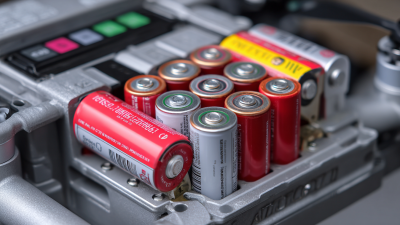
With demand for surveillance drones continuing to rise, the performance of their battery systems is a make-or-break factor in real-world operations. When you look at what powers these drones today, you’ll see three main categories: lithium-ion, lithium-polymer, and the promising, but still-emerging, solid-state tech.
Lithium-ion batteries are the workhorse here. They pack a lot of energy and tend to last longer, which is why you’ll find them in a wide range of drone models. But they’re not perfect—cycles wear out, and heat management can become a bottleneck during long flights, nudging performance down when you need it most.
Lithium-polymer batteries, on the other hand, bring flexibility in form factors and keep the weight down, which is a big plus for smaller surveillance drones. They generally deliver higher discharge rates, so bursts of power are more accessible and flight capabilities can feel snappier. The trade-off? They’re more sensitive to environmental conditions and, if not handled correctly, safety can become an issue.
Then there’s solid-state technology on the horizon. It promises better safety and potentially higher energy density, but the current cost keeps it from being a drop-in replacement just yet. As manufacturers compare these options, their analyses will steer where the market heads and what innovations we’ll see next. All of this will shape what surveillance drones can do in 2025 and beyond.
Predicted Market Demand for Surveillance Drone Batteries in Various Sectors
As we head into 2025, the demand for surveillance drone batteries is poised to take off across a bunch of industries, powered by real tech progress and more and more drone use in everyday operations. The global drone market is on track for solid growth—estimates put it rising from $14.698 billion in 2025 to $56.429 billion by 2032, a compound annual growth rate of 21.2%. That jump mirrors the ongoing push toward urbanization and smarter tech, nudging investors to bet on smarter drone capabilities.
In fields like agriculture, energy, government, media, and entertainment, surveillance drones are already boosting efficiency and changing how we collect data. And forecasts suggest the global drone battery market could top around $12.7 billion by 2033, with a CAGR of 7.61% from 2023 to 2033. Companies making drone batteries will need to adapt to this shifting landscape if they want to meet rising demand.
Tips: When you're evaluating investments in surveillance drones, zero in on batteries that last longer and can charge quickly. Also, keep an eye on regulatory shifts in drone use across different sectors—they can give you a real strategic edge in this fast-moving market. Tracking new tech breakthroughs is also a smart move for choosing the right drones and battery solutions for your needs.
Sustainability Practices in the Production of Future Surveillance Drone Batteries
As the surveillance drone field keeps expanding, the demand for batteries that boost performance while fitting greener practices grows too. By 2025, making the next generation of surveillance drone batteries means embracing eco-friendly materials and cleaner production methods to minimize environmental impact. Companies like Shenzhen Jentc Technology Co., Ltd. are leading the charge, offering lithium battery solutions that balance efficiency with sustainability.
The future of drone surveillance depends on battery tech that can keep drones in the air longer and charge up faster. With Jentc Technology's specialized options—like 4.4V high-voltage batteries and fast-charge lithium batteries—drones can work more effectively without draining energy unnecessarily. And the commitment to sustainable manufacturing means these batteries not only perform well but are produced in ways that cut carbon footprints and promote recycling.
Looking ahead to 2025, the real breakthrough will be the combo of high-performance battery solutions and strong sustainability practices shaping the whole future of surveillance drones.
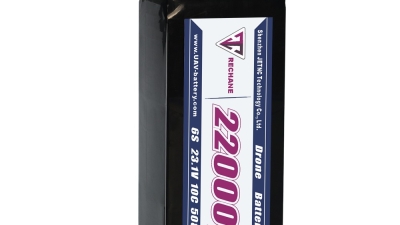
Unleashing Drone Potential: Exploring the JENTC LI-HV 6s 22000mAh Semi-Solid Battery for Extended Flight Times
In the ever-evolving world of drone technology, the demand for longer flight times and enhanced performance continues to grow. Enter the JENTC LI-HV 6s 22000mAh semi-solid battery—an innovative powerhouse designed to unleash the full potential of your drone. With its formidable capacity of 22000mAh and a voltage of 22.8V, this battery is engineered to provide extended flight durations that drone enthusiasts and professionals alike crave. Whether you’re capturing breathtaking aerial footage or conducting vital inspections, this high-capacity battery ensures you stay airborne for longer.
What sets the JENTC LI-HV apart is not just its impressive specifications but also its reliable safety features. Originating from China, this lithium battery pack meets multiple certifications, including RoHS, CE, and FCC, ensuring a quality and safe product for users. Additionally, with a warranty period ranging from 3 months up to a year, you can have confidence in your investment. As drone technology advances, equipping your aircraft with a superior battery like the JENTC LI-HV is a game-changer for anyone seeking to maximize their aerial capabilities.
FAQS
: By 2025, advancements are expected in energy density, weight reduction, and charging efficiency, with high-performance batteries integrating materials like lithium-sulfur and solid-state technologies.
High-performance batteries will enable surveillance drones to operate longer, cover greater distances, and carry heavier payloads without compromising performance.
The main battery technologies include lithium-ion, lithium-polymer, and emerging solid-state technologies, each with its own advantages and limitations.
Lithium-ion batteries are known for high energy density and longevity but have limitations in charge cycles and thermal management. Lithium-polymer batteries are more flexible and lightweight, offering superior discharge rates but are more sensitive to environmental conditions.
Sustainability practices aim to incorporate eco-friendly materials and processes to minimize environmental impact, ensuring production methods reduce carbon footprints and promote recycling.
They are offering innovative lithium battery solutions that prioritize both efficiency and sustainability, focusing on products like high-voltage and fast-charge lithium batteries.
Important features include enhanced thermal management systems, robust construction for durability, smart battery management systems for real-time monitoring, fast charging capabilities, and modular designs for quick battery swaps.
Current lithium-polymer batteries can present safety hazards if not managed correctly and are often more sensitive to environmental conditions.
Smart battery management systems will become more prevalent, allowing for real-time monitoring of battery health and performance metrics, improving overall operational efficiency.