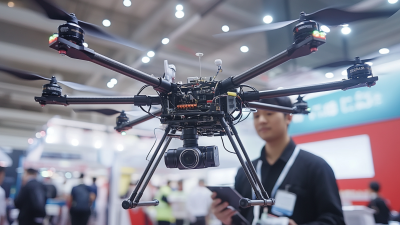
So, the 2026 Canton Fair is just around the corner, and industry folks are buzzing about the latest in Mapping Drone Batterytech. Dr. Emily Carter from DroneTech Solutions, who’s pretty respected in the field, mentioned, "The future of drone mapping really depends on having cutting-edge Battery Systems." That just goes to show how crucial reliable power sources are if we want those mapping drones to work smoothly and efficiently.
When you attend the event, you’ll see tons of different battery options designed specifically for mapping drones. And with AI tools making it easier to find energy-efficient batteries, the whole process of connecting vendors and buyers might get a whole lot smoother — which is pretty exciting.
That said, it’s not all smooth sailing. Not all batteries are made equal, and some might not perform well when it really counts. It’s super important for buyers to look closely at performance stats and not just take anything at face value. Plus, keeping an eye on sustainability and certifications like ISO and CE is a smart move. As this industry keeps growing, picking the right Mapping Drone Battery can really make or break a project.

At the 2026 Canton Fair, the spotlight will be on innovative battery technologies for mapping drones. Industry reports indicate that battery performance remains a key limiting factor in drone efficiency. In recent years, the push for high-capacity lithium-ion batteries has gained momentum. These batteries offer improved energy density and faster charging times, making them ideal for extended drone operations.
Key developments showcased at the fair include advanced Battery Plus Battery solutions. These technologies promise longer flight times and reduced downtime. Experts predict that the adoption of solid-state batteries could further revolutionize the market. These batteries not only provide enhanced safety but also offer high energy output in compact designs. However, the transition to solid-state technology presents challenges. Manufacturers need to address durability and production costs before widespread use can be achieved.
**Tips:** When selecting a battery, consider weight versus power. A lighter battery could lead to better maneuverability. Ensure compatibility with existing drone models. Do thorough research on features and specifications that best meet operational needs. Making informed decisions is key to maximizing flight time and effectiveness.
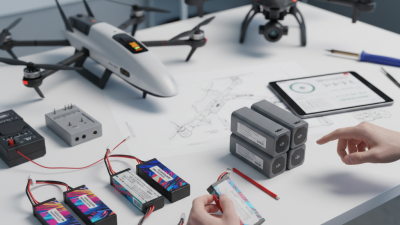
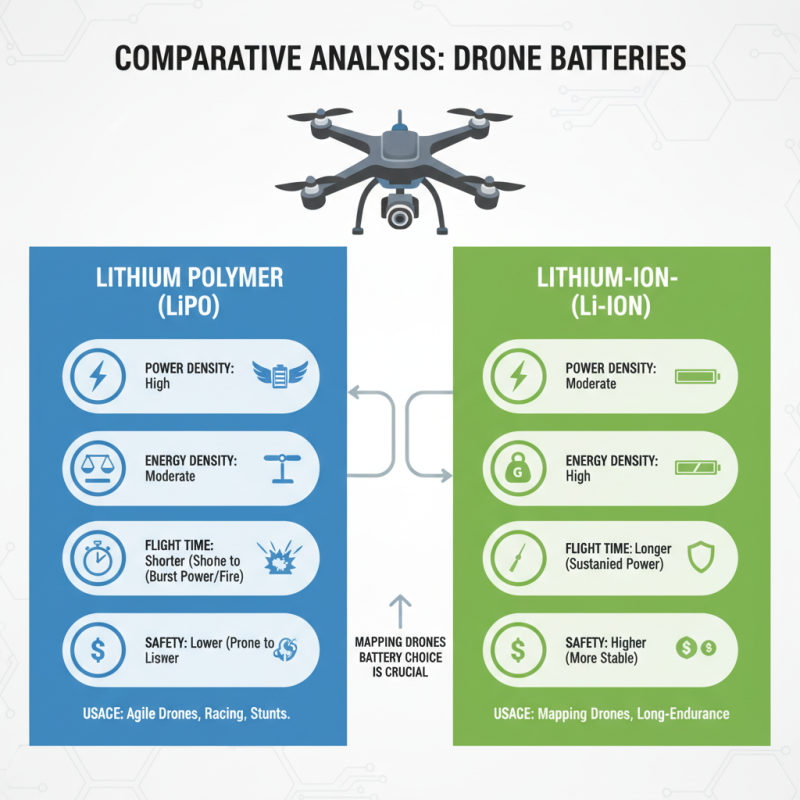
When it comes to powering mapping drones, battery choice is crucial. Lithium polymer (LiPo) and lithium-ion (Li-ion) batteries dominate the market. Each type has unique advantages and drawbacks that affect drone performance.
Lithium polymer batteries are lightweight and can provide high discharge rates. They are often favored for their ability to deliver bursts of energy, ideal for quick maneuvers. However, LiPo batteries require careful handling. They can be sensitive to temperature and risk damage if overcharged. This can lead to safety concerns, especially in outdoor settings.
Lithium-ion batteries offer longer life spans and more stable performance. They are generally safer and less prone to risks associated with overcharging. However, they tend to be heavier and have slower discharge rates. This trade-off impacts flight time and agility. Choosing between these battery types involves evaluating specific needs for mapping drones.
Ultimately, the decision relies on various factors, including intended use and flight conditions. The right Battery Pack Battery can significantly influence overall drone efficacy. Understanding each battery's strengths and weaknesses is vital for optimizing your drone's performance.
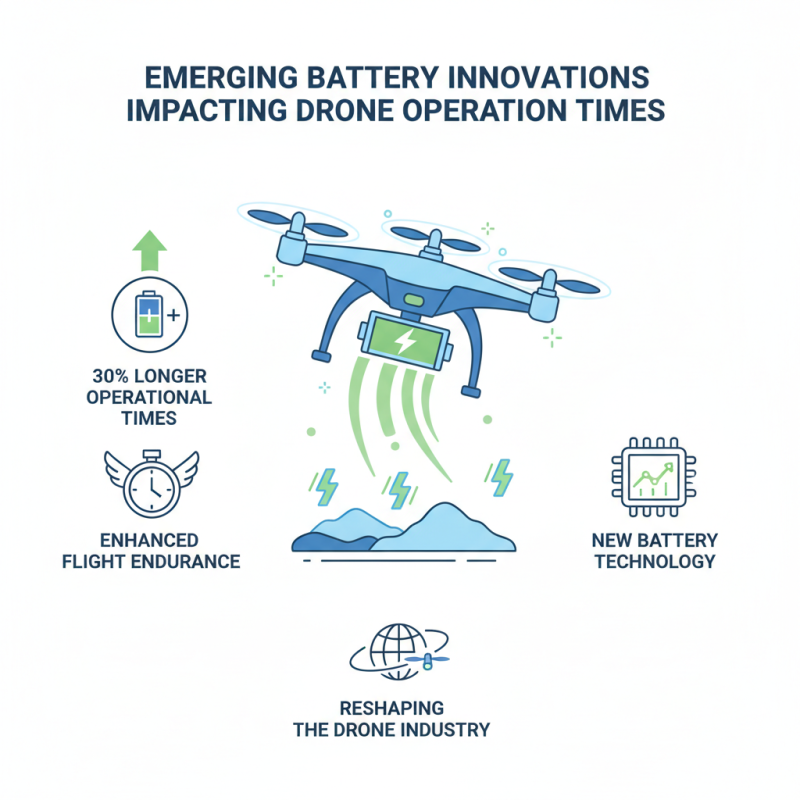
Emerging battery innovations are reshaping the drone industry. New technology is significantly enhancing battery performance. Reports indicate that modern drone batteries now offer up to 30% longer operational times. This evolution addresses the long-standing issue of flight endurance.
Recent studies show lithium-sulfur batteries display promising potential. They could provide up to 500 Wh/kg of energy density. This is nearly double what traditional lithium-ion batteries can offer. However, there are still challenges. These batteries face issues like cycle stability. Developers must overcome these hurdles to reach commercial viability.
Tips: Always consider weight-to-energy ratios. A heavy battery can reduce flight efficiency. Ensure you stay updated on the latest battery developments. Innovations can quickly change operational capabilities. The future looks bright, but caution is needed. Think critically about new battery technologies before integrating them into operations.
When considering battery solutions for mapping drones, several factors come into play. The type of battery affects both cost and efficiency. Lithium-polymer batteries are lightweight and provide high energy density, enhancing flight time. However, they can be expensive. Users often face a tough choice between cost and performance.
Battery efficiency is also influenced by environmental conditions. Cold weather can reduce capacity significantly. Drones may struggle to maintain optimal performance in these situations. Additionally, regular wear and tear could shorten battery life. This impacts long-term cost-effectiveness, as replacing batteries frequently can add up.
Moreover, charging time is a critical factor. Fast-charging options may seem appealing, but they can lead to battery degradation over time. Balancing these aspects requires thoughtful consideration. Each user's needs may differ. Hence, exploring various battery types can uncover the best fit for specific mapping tasks.
The drone industry is rapidly evolving, especially in sustainable battery solutions. Many companies are now focusing on eco-friendly alternatives. These solutions aim to reduce environmental impact while enhancing performance. The upcoming Canton Fair in 2026 will showcase these trends, highlighting innovative technologies.
Battery Replacement Battery options are gaining attention. These batteries are designed for longevity and efficiency. Many pilots seek lighter batteries that don’t compromise flight time. Environmental sustainability is a key factor driving these developments. An increase in recycling initiatives is also being discussed. More manufacturers are exploring renewable materials.
Tips: Consider the weight of the drone and battery together. A lighter battery can improve flight range. Don’t overlook the importance of battery management systems. These systems monitor and optimize battery usage, extending overall life.
As the industry grows, reflections on sustainability become vital. The challenge remains to balance performance with eco-friendliness. Innovations must be practical and accessible to all users. The future looks promising, but there's still much work ahead.
This chart presents the battery capacities of various mapping drone solutions showcased at the 2026 Canton Fair. Lithium-ion and solid-state batteries stand out with significantly higher capacities, reflecting the shift towards more efficient and long-lasting battery technologies in the drone industry.
Battery safety is crucial for aerial mapping drones. Recent reports indicate that improper battery management accounts for nearly 30% of drone-related incidents. Poorly calibrated systems can lead to overheating and potential battery failure. It’s vital to adhere to recommended safety standards during battery installation and usage.
Research shows that lithium polymer (LiPo) batteries dominate the mapping drone market. Their high energy density makes them favored among professionals. However, they are also sensitive. Inappropriate handling can lead to fires and explosions. Industry experts recommend routine checks for damage and proper storage conditions.
Innovative battery solutions are being discussed at the 2026 Canton Fair. These advancements focus on improving safety standards while ensuring maximum efficiency. Battery life remains a critical concern. Drones equipped with advanced batteries can operate longer without compromising performance. Nonetheless, challenges remain in balancing weight and power. Continued efforts in R&D are essential. The industry must prioritize safety as technology evolves. As we explore these advancements, there’s a need for ongoing scrutiny and reflection on existing practices.
As we approach 2030, the evolution of drone battery technology is promising. Extended battery life is a priority for manufacturers. Many aim for batteries that last longer and charge faster. This progress could significantly enhance mapping drones’ functionality.
The 2026 Canton Fair will showcase various battery solutions. Expect to see innovations in energy density and weight reduction. Lighter batteries will allow for longer flight times and increased payload capacities. These developments will enable drones to cover larger areas more efficiently. Still, challenges remain in sustainability and cost-efficiency.
Tips: Always consider the operational environment. Extreme temperatures can affect battery performance. Regular charging habits also matter. Avoid deep discharges to prolong battery life. Keeping batteries in optimal conditions is essential for effectiveness. As technology advances, reflecting on the balance between performance and cost is crucial. The best performance might still come at a high price.
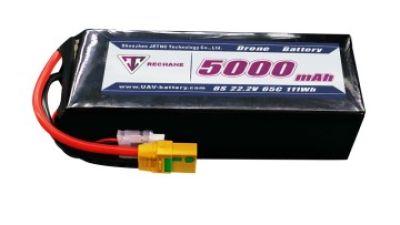
The advancement of UAV technology has ushered in a new era of possibilities, and the JENTC Lipo Battery FPV 6s 5000mAh stands at the forefront of this revolution. With its robust 22.2V output and a discharge rate of 65C, this lithium polymer battery is engineered to enhance the performance and reliability of unmanned aerial vehicles. Its ability to provide consistent power ensures that UAVs can operate at peak efficiency, making it an essential component for both hobbyists and professionals in the field.
Safety and reliability are paramount in UAV applications, and this battery boasts certifications such as RoHS, CE, and FCC, which attest to its compliance with safety standards. This means users can rely on the battery to deliver the performance required during critical missions while also adhering to environmental regulations. Furthermore, the option for custom logo and packaging allows for tailored branding and presentation, catering to individual preferences and enhancing the overall user experience in cross-usage scenarios, from recreational to commercial ventures.
As UAVs continue to evolve, equipping them with high-quality power sources like the JENTC Lipo Battery will be key in pushing the boundaries of what these machines can achieve. This battery not only meets the rigorous demands of aerial performance but also offers peace of mind through its safety certifications, making it a standout choice for anyone seeking to elevate their UAV operations.
: Advanced battery technologies promise longer flight times and less downtime. They enhance drone efficiency significantly.
Lithium-ion batteries offer high energy density and fast charging. They are popular for extended drone operations.
Lithium-sulfur batteries could provide energy density up to 500 Wh/kg. This is almost double that of traditional batteries.
Solid-state batteries offer high energy output but face durability and production cost challenges. This hinders widespread adoption.
A lighter battery can improve drone maneuverability. It directly affects overall flight efficiency and performance.
Cold weather can significantly reduce battery capacity. Drones may underperform in such conditions, impacting flight endurance.
Fast-charging seems convenient but may lead to battery degradation. Long-term impacts need careful consideration.
Users need to consider weight, energy ratio, and compatibility with drones. Thorough research is vital for informed decisions.
Regular wear and tear can shorten battery life. Frequent replacements can increase long-term costs.
Innovations in battery technology can change operational capabilities rapidly. Being informed helps in making timely upgrades.
The article explores the latest advancements in Mapping Drone Battery technologies showcased at the 2026 Canton Fair. It delves into a comparative analysis of Lithium Polymer and Lithium-Ion batteries, highlighting their respective efficiencies and cost implications for mapping operations. Emerging innovations, such as solid-state batteries, are also discussed for their potential to enhance drone operation times significantly.
Additionally, the piece examines factors influencing battery costs and efficiency, along with industry trends towards sustainable battery solutions. Expert insights on safety standards tailored for aerial mapping drones provide a comprehensive understanding of current regulations. Finally, the projections for battery life and performance improvements by 2030 indicate a promising future for Mapping Drone Battery solutions, emphasizing ongoing research and development in the field.