So, as more folks start really relying on aerial mapping, finding a dependable Mapping Drone Batterybecomes super important—like, you can't overlook it. The right Battery Setup can make a huge difference in how long you can fly, the quality of the data you gather, and how smoothly everything goes. Big brands like DJI, Parrot, and Autel have a bunch of options, but honestly, choosing the perfect one isn’t always straightforward.
You’ve gotta think about a few key things—mainly capacity, discharge rate, and compatibility. For example, a higher-capacity battery might give you longer flights, but it could also be heavier, which can throw off your drone’s handling, especially if you’re dealing with tricky terrain. So, it’s all about balancing those trade-offs—making sure you pick what works best for your specific needs.
The market’s hot right now, which means there are some real gems but also a fair share of batteries that are kinda overhyped and don’t perform quite as promised. Sometimes, user reviews are gold—they often point out flaws you wouldn’t see just by looking at specs. When it comes to mapping, reliability and durability are everything. It’s better to focus on quality rather than just going for the biggest brand name. At the end of the day, knowing what you really need is the best way to pick the perfect Mapping Drone Battery for your projects.

Identifying Key Factors for Choosing Mapping Drone Batteries
When choosing Batteries Formapping drones, several key factors should be considered. Battery life is crucial. A drone with a short flight time can limit your mapping capabilities. Look for batteries that offer a longer duration, enabling more extensive coverage in one flight. Weight is another factor. Heavier batteries can affect flight dynamics and maneuverability. Striking a balance between power and weight is essential.
The type of battery technology also matters. Lithium polymer (LiPo) batteries tend to deliver high discharge rates. However, they require careful handling and maintenance. Battery Plus Battery configurations can help extend flight times effectively. Another aspect to think about is temperature performance. Batteries can lose efficiency in extreme conditions. Testing batteries in various environments is vital to ensure reliability.
Finally, users often overlook charging times. A fast-charging option can keep your drone ready for action. However, always consider the long-term health of the battery. Overcharging can shorten its lifespan. Keep an eye on how your drone performs with different batteries. Regular assessments are necessary to find the best options for your mapping needs.
Types of Batteries Commonly Used in Mapping Drones
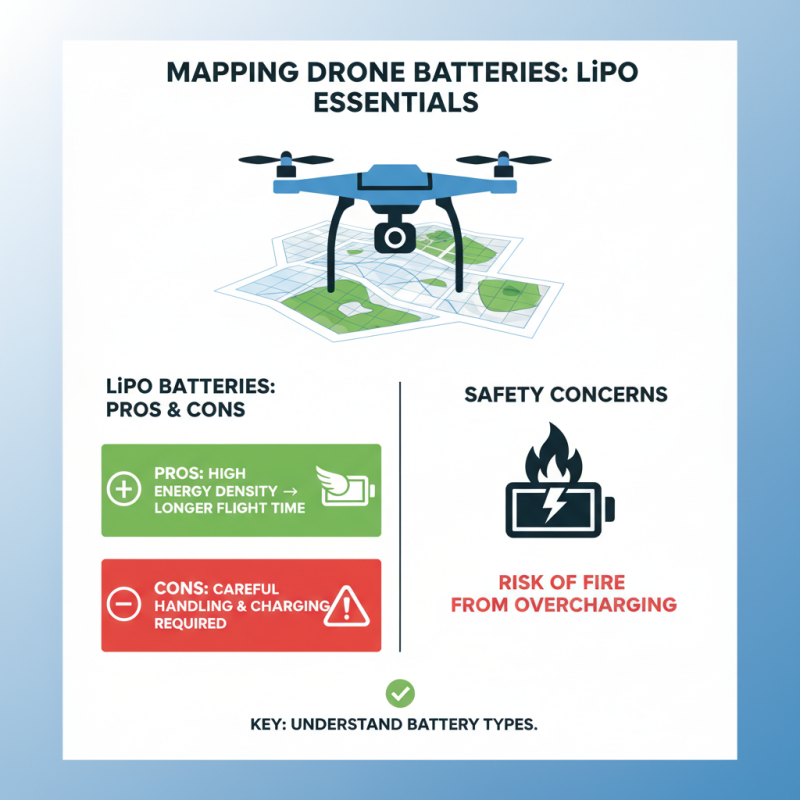
When selecting batteries for mapping drones, understanding battery types is key. Lithium Polymer (LiPo) batteries are popular in this field. They offer high energy density, which means more flight time. However, they require careful handling and charging. Safety is a real concern. Overcharging can lead to fires, a risk worth considering.
Another common choice is Lithium-Ion (Li-Ion) batteries. They boast longer life cycles and are safer than LiPo. They do, however, tend to be heavier. Weight can impact flight performance. Users need to find a balance here.
Lead-acid batteries are less common in mapping drones. They are cost-effective, but bulkier and heavier. This makes them less suitable for many mapping applications. Each battery type has strengths and weaknesses. Assessing specific needs is essential for optimal performance. Understanding these nuances could save time and resources in the field.
Comparative Analysis of Lithium Polymer vs. Lithium-Ion Batteries
When choosing a battery for mapping drones, two options stand out: Lithium Polymer and Lithium-Ion batteries. Both types have unique qualities that make them popular. Lithium Polymer batteries are lightweight. They offer high discharge rates, which can be essential for demanding drone operations. However, they can be more sensitive to temperature fluctuations. Their delicate nature may require extra care during charging and storage.
On the other hand, Lithium-Ion batteries boast longer life cycles. They are generally more stable, making them a reliable choice for extended missions. They can also handle a wider range of temperatures. This might make them easier to manage in various environments. However, they tend to be heavier than their Lithium Polymer counterparts. Their weight can affect the overall performance of your drone.
Selecting the right Battery Pack Battery involves understanding your needs. For instance, if speed and performance matter most, Lithium Polymer may be worth the trade-offs. For longer journeys, lean towards Lithium-Ion. It’s crucial to analyze your drone weight and flight time. Assess the specific demands of your tasks to make an informed decision. Each option has its merits, and reflection on these can lead to the best choice for your mapping needs.
Evaluating Battery Life and Performance in Mapping Applications
When choosing batteries for mapping drones, battery life and performance are critical factors. Longer flight times allow for more extensive data capture with fewer interruptions. Look for batteries that provide at least 30 minutes of flight time to maximize each session. Consider how battery capacity affects weight and drone stability. Heavy batteries can reduce maneuverability, making mapping less effective.
Tips for optimizing battery performance include calibrating your drone before each flight. A well-calibrated drone uses less energy, extending flight time. Even small adjustments can lead to significant improvements. Always discharge batteries to their recommended levels to enhance lifespan. Store batteries in a cool place to prevent overheating.
Different drones have unique power requirements. Research how different battery types affect efficiency. Some batteries may have higher energy densities, contributing to longer flight times. Yet, they may lack consistency in performance. Always evaluate the trade-offs between weight and power. This information can guide your choice of battery for mapping applications. It’s not just about having the strongest battery but also the most compatible one for your needs.
Understanding Charging and Discharging Cycles for Optimal Use
When using mapping drones, understanding the charging and discharging cycles of batteries is crucial. Battery life significantly impacts your drone's performance. Regularly monitoring the charge levels can prevent unexpected shutdowns. Many users often overlook this. Ignoring low battery warnings can lead to crashes and costly repairs.
Discharging cycles can affect overall battery lifespan. Each time you deplete your battery, it loses a bit of its capacity. It’s not just about flying time; it's about managing your drone efficiently. Emptying the battery completely before recharging can harm it. Consider partial discharges instead. A charged battery warms up quickly in the sun. Avoid leaving it exposed for long periods.
Optimal use of Battery Replacement Battery involves tracking cycles regularly. Record how long it lasts and when it needs charging. Some users may not take the time for this. Be attentive to unusual behavior. If the battery drains faster than expected, it might be time for a replacement. Good practices can extend battery life.
Top Brands and Models of Mapping Drone Batteries in 2026
In 2026, mapping drones are evolving, and battery technology is at the forefront. Many industry experts suggest that efficient batteries will drive mapping drone capabilities. Recent reports indicate that drones with high-capacity lithium-polymer batteries can extend flight times significantly. These batteries now allow for operations lasting up to 60 minutes, compared to just 30 minutes a few years ago.
Manufacturers are focusing on weight reduction. Lightweight batteries can decrease overall drone weight, improving maneuverability. Studies show that a 20% reduction in weight can enhance battery life by 10%. This makes a substantial difference during mapping missions. Yet, not all batteries perform equally in extreme temperatures. Users have reported issues with battery reliability in cold conditions, leading to unexpected drone shutdowns. Regular battery performance monitoring is crucial.
Mapping drones also face challenges related to charging efficiency. Some models take hours to recharge fully. Fast-charging options exist, but these can pose risks to battery longevity. Many operators still need clearer guidelines on optimal charging practices. As the demand for drone mapping grows, selecting the right battery remains a complex task. Continuous innovation and proper user education will be key to maximizing output.
Maintenance Tips for Prolonging the Life of Your Mapping Drone Battery
When choosing a mapping drone, battery life plays a key role. Regular maintenance can significantly enhance battery performance. For instance, lithium polymer (LiPo) batteries require specific care to avoid damage. According to recent industry reports, neglecting battery upkeep can reduce lifespan by up to 30%.
Here are some tips to keep your battery in top condition. Always store batteries at a moderate temperature, ideally around 60-70°F. Extreme temperatures can lead to swelling or reduced capacity. Allow batteries to cool down after use before charging. This simple practice can prevent overheating and improve longevity.
Keep an eye on discharge cycles. Over-discharging can permanently reduce battery health. Aim to maintain a charge level between 20% and 80% whenever possible. This small habit can be a game changer for your drone’s operational time, potentially extending battery life by several months. Don't overlook these maintenance tips if you want your mapping drone to operate efficiently.
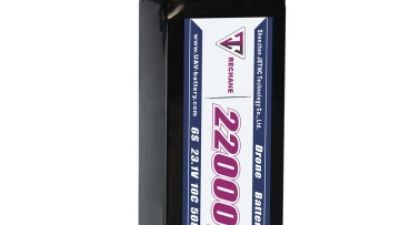
Comprehensive Review of the JENTC 6s 22000mAh Semi-Solid Battery: Unleashing Long-Lasting Power for Drones
The realm of drone technology has witnessed significant advancements, particularly with the introduction of high-capacity battery solutions like the 6s 22000mAh semi-solid battery. Designed specifically for drone applications, this battery offers robust performance with unmatched flight durations, addressing one of the key challenges in the industry: limited battery life. With its impressive capacity of 22000mAh and a nominal voltage of 22.8V, users can benefit from extended operational times, making it a valuable asset for commercial and recreational drone users alike.
The semi-solid state design of this battery enhances both safety and efficiency, providing a favorable alternative to traditional lithium-ion batteries. Research indicates that semi-solid batteries possess a higher energy density, enabling longer flight times without a significant increase in weight—a crucial factor for aerial maneuverability and payload capacity. Additionally, the adherence to certifications such as RoHS, CE, and FCC emphasizes the reliability and safety of these power sources, positioning them well within the regulated market.
Furthermore, industry reports highlight the increasing demand for high-capacity batteries in drone applications, predicting a compound annual growth rate of over 10% in the coming years. This surge is driven by the expanding uses of drones, from aerial photography to delivery services and beyond. The ability to harness long-lasting power through innovative battery technology is set to revolutionize drone capabilities, affirming the importance of reliability and performance in high-demand scenarios.
FAQS
: The content aims to provide useful information to readers. It should be clear and engaging.
Readers should apply insights to their daily activities. Real-life examples can make a difference.
It's okay to feel confused sometimes. Reflect on the information and seek clarification where needed.
Yes, sharing can help spread knowledge. Ensure others understand its context.
Look for personal experiences similar to the examples. This can enhance understanding and connection.
Disagreement is a part of discussion. Consider other viewpoints and see if your perspective changes.
Yes, it’s common. Take breaks and revisit sections to absorb the content better.
Regular reviews can deepen understanding. Aim for consistency, but don’t stress about frequency.
It’s natural to have more questions. Seek out additional resources or discussions to explore further.
Trust builds through consistency and accuracy. Always cross-check with reliable sources.
Conclusion
Selecting the right Mapping Drone Battery is crucial for optimizing performance and ensuring longevity in applications such as surveying and data collection. Key factors to consider include the types of batteries available, with Lithium Polymer and Lithium-Ion being the most common choices, each offering distinct advantages and disadvantages. Evaluating battery life and performance is essential for mapping operations, as these directly impact flight duration and data acquisition efficiency.
Understanding the charging and discharging cycles can further enhance the usability of Mapping Drone Batteries, as proper management leads to better maintenance and extended battery life. As technology advances, staying informed about the top brands and models available in 2026 will help users make educated decisions tailored to their specific mapping needs. Finally, implementing maintenance tips is vital in prolonging the overall life of the battery, ensuring reliability in various mapping applications.