Planning a little drone adventure? Gotta have the right gear, of course. And a solid Mini Drone Battery is pretty much non-negotiable if you want your flights to be fun and stress-free. With drones getting more popular by the day, picking out the perfect battery can feel kinda overwhelming—so many brands and options out there, each claiming to be the best, with all sorts of specs.
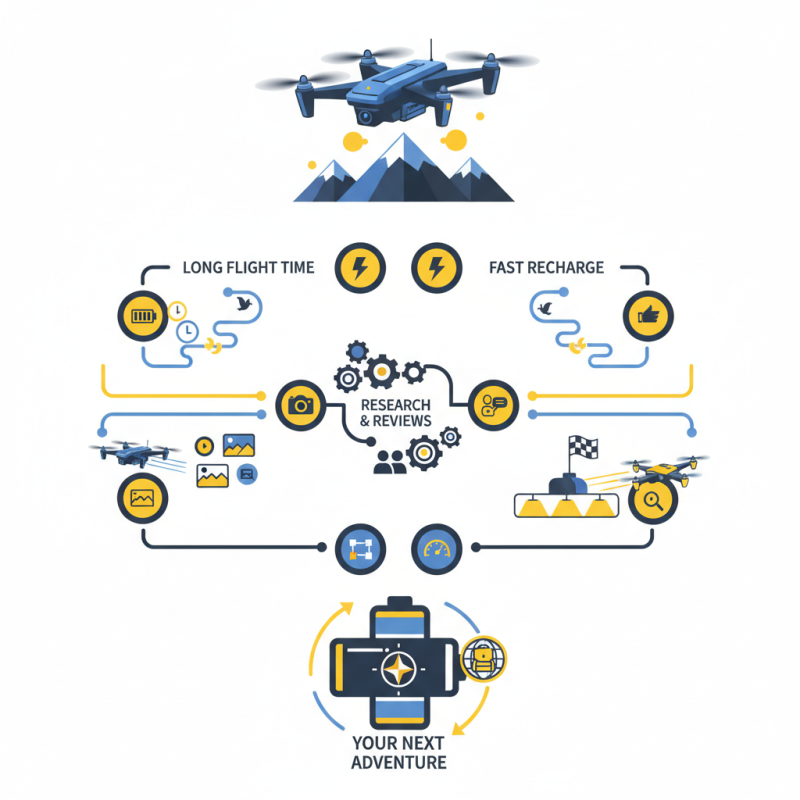
Figuring out which mini Drone Battery to go for really comes down to your needs. Think about how long you want to fly, how much your drone weighs, and how quickly you need to recharge. Not all batteries are the same—for example, some give you longer flight times, while others recharge faster. Knowing what suits your drone and style is super important. Big names like DJI and Holy Stone are pretty dependable, but honestly, are they the absolute best? Maybe, maybe not.
And don’t forget to think about how you actually use your drone. Are you into aerial photography, or are you more into racing around? Different jobs might call for different batteries. Checking out user reviews can also give you a good idea of how batteries hold up over time. At the end of the day, a little research can go a long way in helping you find the perfect Mini Drone Battery for your next adventure—whether it’s for fun, work, or just exploring the skies.
Overview of Mini Drone Batteries Available in China
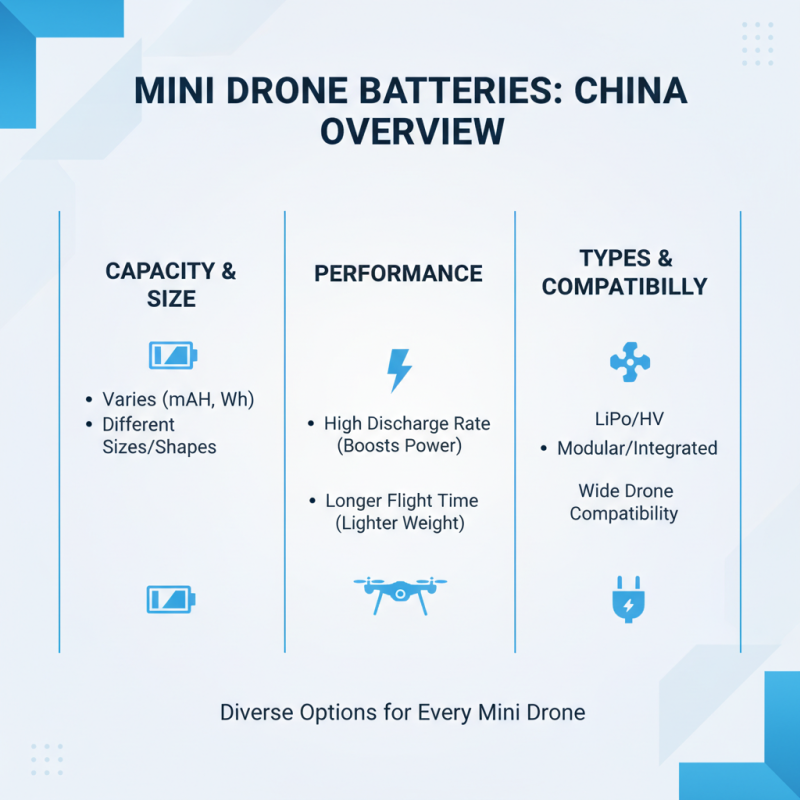
When exploring mini Drone Batteries in China, choices abound. Many options cater to a variety of mini drones. Most batteries vary in capacity, size, and weight. Some batteries offer high discharge rates, which benefit performance. Others focus on lightweight designs, enhancing flight time.
The quest for the right battery can feel overwhelming. Many batteries promise long-lasting power, yet performance may vary. It's crucial to consider not just capacity but also the build quality. A poorly made battery may not perform well or could even damage your drone. Always opt for reliable reviews from credible sources.
Price is another factor. Cheap options might seem appealing, but they may compromise safety and efficiency. Investing in a quality Quad Drone Battery can prevent larger issues down the line. Evaluating factors like charging time and compatibility is equally important. A suitable battery ensures your mini drone operates smoothly during your next adventure.
Key Factors to Consider When Choosing a Mini Drone Battery
Choosing the right mini drone battery is crucial for an enjoyable flying experience. When evaluating options, consider capacity, weight, and discharge rates. A well-balanced battery optimizes flight time, ensuring your drone performs effectively during adventures. Reports show that a Drone Battery 3.7v typically provides around 800mAh to 1200mAh capacity. This range supports flight times of 10 to 20 minutes, which can vary based on factors like drone type and environmental conditions.
Battery weight significantly affects drone maneuverability. Lighter batteries enhance agility but may limit capacity. The ideal scenario balances weight and performance. Discharge rates must also align with your flight requirements. High-quality batteries can sustain a discharge rate of 25C or higher, allowing your drone to perform explosive maneuvers without compromising safety.
Reflecting on battery life is essential. Many users overlook the importance of recharge cycles. A standard mini drone battery may withstand about 300 to 500 recharge cycles before performance declines. Ensure to follow proper care guidelines. Overcharging or deep discharging can lead to reduced lifespan. Being aware of these aspects helps in making informed decisions. Investing the time in research can lead to satisfying flights.
Top 5 Mini Drone Battery Manufacturers in China for 2026
As the mini drone market expands, finding the right battery can enhance your flying experience. Chinese manufacturers are at the forefront of innovation in this sector. Selecting a reliable mini drone battery ensures longer flight times and better performance. Quality is paramount, especially for batteries like the Drone Battery 3.7 V 800mah, which is popular among enthusiasts.
Several factories in China stand out for their expertise in mini drone batteries. Their focus on technology helps them produce top-tier products. These manufacturers prioritize safety and durability in their designs. Yet, not all options are created equal. Some companies may cut corners, leading to subpar batteries. It’s crucial to conduct in-depth research before making a purchase. Examine user reviews and performance ratings to identify trustworthy suppliers.
Overall, knowing what to look for can be half the battle. Consider factors like voltage, capacity, and weight. Be cautious of overly cheap options that may compromise quality. It's always better to invest in a proven battery for your adventures. The right mini drone battery can significantly impact your experience in the sky, allowing for thrilling moments without interruption.
Comparative Analysis of Battery Types for Mini Drones
When exploring the world of mini drones, battery selection stands out as a crucial factor. Several battery types are available, each with distinct characteristics. Lithium-polymer (LiPo) batteries are common in mini drones. They offer high energy density and lightweight design, making them ideal for extended flight times. However, they require careful handling to avoid punctures and short circuits.
Nickel-metal hydride (NiMH) batteries are another option. They are robust and more forgiving than LiPo batteries. Yet, they tend to be bulkier and heavier. This can cloud performance in speed and agility. For those seeking longer-lasting energy, high-capacity options may come with a trade-off. These batteries can add weight and reduce maneuverability, impacting the overall drone experience.
Ultimately, the best choice depends on your adventure. Whether you prioritize flight duration, weight, or battery safety, factors must be weighed carefully. Each battery type provides unique advantages and challenges. Such reflections can guide users in making informed decisions tailored to their specific needs.
Battery Comparison for Mini Drones
Battery Capacity and Performance: What You Need to Know
When choosing a mini drone battery, capacity and performance are key factors. Battery capacity is measured in milliamp-hours (mAh). A higher mAh indicates longer flight time. For casual users, batteries ranging from 500 to 1500 mAh can offer sufficient time aloft. However, enthusiasts may prefer batteries exceeding 2000 mAh for extended adventures.
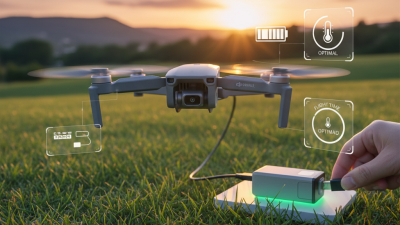
Performance is equally essential. Voltage stability affects flight efficiency and drone responsiveness. A drooping voltage can lead to sudden drops or unstable flights. Users might overlook this aspect while focusing only on capacity. Monitoring voltage and temperature during flights helps ensure battery health. Many pilots find it valuable to record performance data after each use.
Batteries require regular maintenance that is often disregarded. Ensure clean contacts and avoid deep discharges to prolong lifespan. Users should also store batteries in a cool, dry place. This can improve battery longevity significantly. Despite best practices, users sometimes face unexpected issues. Patience and a methodical approach can help troubleshoot battery-related problems effectively.
2026 Best China Wholesale Mini Drone Battery for Your Next Adventure
| Battery Type | Capacity (mAh) | Voltage (V) | Weight (g) | Flight Time (min) | Charging Time (hrs) |
| LiPo | 1500 | 11.1 | 200 | 20 | 1.5 |
| Li-ion | 1800 | 7.4 | 250 | 25 | 2 |
| NiMH | 1200 | 9.6 | 300 | 15 | 1.2 |
| LiPo (High Discharge) | 2500 | 14.8 | 300 | 30 | 1.8 |
Safety Tips for Using Mini Drone Batteries in Adventures
When exploring the skies with a mini drone, the battery plays a crucial role. A Fast-Charging Drone Battery can significantly enhance your experience, providing more flight time. However, using these batteries requires care. Always check for signs of wear or damage before each flight. Such precautions ensure safety during aerial adventures.
Charging practices matter too. Avoid overcharging the battery to prevent overheating. It’s wise to use a dedicated charging station designed for your drone type. This not only maintains battery health but also minimizes risks. Ensure your charging environment is dry and well-ventilated.
Remember, proper storage is key. Store batteries in a cool, dry place away from direct sunlight. Consider different weather conditions, as extreme temperatures impact performance. A bit of planning goes a long way in ensuring a safe and enjoyable mini drone experience. Each flight is an opportunity to learn and improve. Engage with your equipment and prioritize safety for a better adventure.
Future Trends in Mini Drone Battery Technology and Usage
The landscape of mini drone battery technology is evolving rapidly. By 2026, lithium polymer (LiPo) batteries are expected to dominate the market. According to a recent report from ResearchAndMarkets, the mini drone battery market will grow at a compound annual growth rate (CAGR) of 15.1% through 2026. This growth indicates a rising demand for lightweight, efficient, and high-capacity batteries, which are essential for enhancing flight time and performance.
Future trends suggest that solid-state batteries may come into play. These batteries promise greater safety and energy density. Reports estimate that solid-state technology could increase battery efficiency by up to 50%. However, they are still in the developmental phase. Challenges remain, such as cost and manufacturing scalability. Optimistically, advancements in battery management systems are also critical. They can optimize the lifespan and performance of existing batteries, ensuring that drones meet performance expectations in various conditions.
Looking ahead, the integration of renewable energy sources is being explored. Solar panels on drones could complement battery power, extending flight times. Yet, these technologies are not without flaws. Weather dependency can severely affect efficiency. As the mini drone industry gears up for new challenges, ongoing research and development will be crucial for future innovations.
FAQS
: The right battery improves flight times and overall performance, enhancing your flying experience.
Look into user reviews and performance ratings to find reliable suppliers and products.
Check for wear or damage before use. Such precaution helps prevent accidents.
Avoid overcharging and use a dedicated charging station to ensure battery health.
Store batteries in a cool, dry place away from sunlight for optimal performance.
Extreme temperatures can impact battery efficiency and overall performance.
Consider voltage, capacity, and weight to select the best battery for your needs.
Sometimes, cheaper batteries may compromise quality. Invest in proven options for reliability.
Better planning and understanding of your battery can lead to more enjoyable flights.
Neglecting maintenance or not checking conditions before flights can lead to issues.
Conclusion
When planning your next adventure with mini drones, understanding the various mini drone batteries available in China is essential. This article outlines key factors to consider when selecting a mini drone battery, including battery capacity and performance, ensuring optimal flight time and reliability. A comparative analysis of the different battery types highlights their strengths and weaknesses, aiding in informed decision-making for your specific needs.
Additionally, we delve into safety tips for using mini drone batteries to maximize the enjoyment of your adventures while minimizing risks. Lastly, the discussion on future trends in mini drone battery technology sheds light on advancements that could enhance performance and usability, paving the way for even more exciting aerial experiences. Whether you're a hobbyist or an avid drone enthusiast, this guide will help you choose the best mini drone battery for your journey.