Figuring out the right battery for your 5-inch FPV drone can actually be pretty tricky. I mean, John Smith, who's pretty much a legend over at Drone Innovations, once said, “The battery is the heartbeat of your drone performance.” And honestly, he’s not wrong—it really shows just how important picking the right battery is.
When you're looking at a 5 Inch Fpv Drone Battery, there are a few key things to keep in mind. Things like capacity, weight, and discharge rate can seriously impact how long you can stay in the air and how good your control feels. For example, a heavieR Battery might give you longer flight time but could mess with your drone’s agility. Finding that sweet spot is kinda the game here. Honestly, some pilots try to experiment, but sometimes end up going for batteries that aren’t quite right for their setup.
A lot of folks think bigger is better when it comes to batteries, but that’s not always the case. Different brands bring different features to the table, so you need to pay attention to durability and whether it’s compatible with your specific drone model. It’s less about flying for hours and more about flying with confidence and control. Trust your gut, but don’t forget to listen to the experts too. Honestly, the right battery for your 5 Inch FPV drone can totally change the game—makes all the difference between a good flight and a great one.
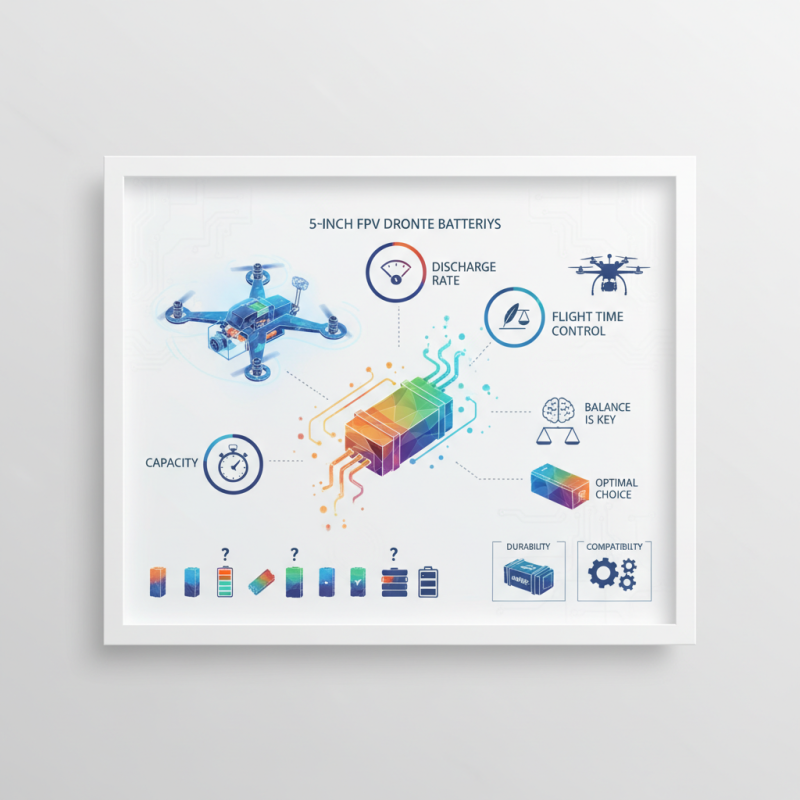
Understanding the Power Requirements of 5 Inch FPV Drones
When it comes to 5 inch FPV drones, understanding power requirements is crucial. These drones usually operate on 4S or 6S Batteries. The choice of voltage directly impacts flight time and performance. A 4S battery typically delivers 14.8 volts, while a 6S setup gives 22.2 volts. Higher voltage can mean increased speed, but it can also reduce flight time. Balancing these factors is essential.
Battery capacity is another critical aspect. Most pilots choose between 1300 mAh and 2200 mAh options. Surprisingly, a larger capacity does not always equate to longer flights. Heavier batteries can lead to a decrease in agility. Pilots must consider their style of flying. If they often perform flips and fast maneuvers, lighter batteries might be a better choice.
Moreover, discharge rates play a vital role. A battery with a high C-rating provides more power when needed. This is important for maintaining the drone’s responsiveness during demanding flights. However, high-discharge batteries can be more expensive. Finding the right balance between cost, weight, and performance requires careful thought and experimentation. Each pilot's experience will shape their preferences in battery selection.
Types of Batteries Suitable for 5 Inch FPV Drones
When it comes to powering 5-inch FPV drones, battery selection is crucial. LiPo (Lithium Polymer) batteries are the most popular choice. They come in various configurations, offering a balance between weight and power. A typical choice is a 4S battery, which provides a voltage of around 14.8V, ideal for optimizing performance. Many pilots prefer 1500-1800mAh capacities for a good flight time of around five to eight minutes.
Another option is the LiHV (Lithium High Voltage) battery. This is a variant of LiPo that can be charged to a higher voltage. Users report improved efficiency and slightly longer flight times. However, they require compatible chargers and handling. This may be an extra learning curve for beginners.
While selecting batteries, consider the C-rating, which indicates discharge capability. A higher C-rating translates to more excellent performance but can also mean heavier batteries. Many drone enthusiasts recommend 70C or higher for aggressive maneuvers. This ensures the drone has enough power in demanding situations. Overall, understanding the specifications is key to making the right choice.
Key Specifications to Consider When Choosing a Battery
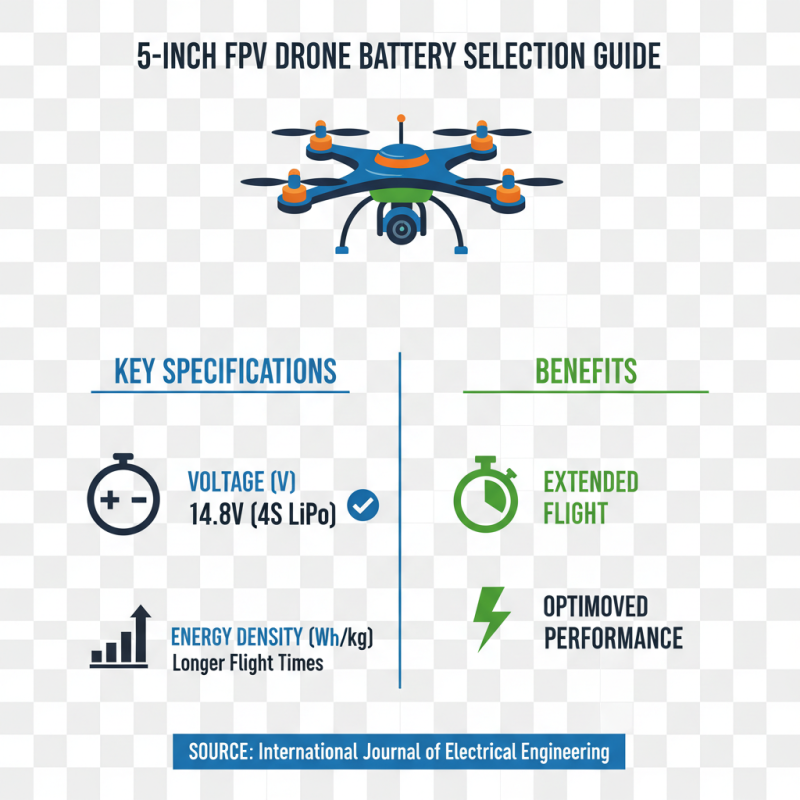
When selecting a battery for 5-inch FPV drones, several key specifications should be prioritized. Voltage is crucial; a typical 5-inch drone operates best at 14.8 volts. This is generally achieved with a 4S LiPo battery. Energy density is another vital consideration. According to a report from the International Journal of Electrical Engineering, higher energy density batteries can provide longer flight times without adding excessive weight.
Weight balance plays a significant role, too. A battery that is too heavy can affect maneuverability. Ideally, the battery weight should be around 250-300 grams for optimal performance. The industry suggests that the C-rating is also critical. A higher C-rating impacts discharge rates. For racing drones, a C-rating of 50C or higher is often recommended to ensure the drone can handle sudden bursts of energy.
Lastly, battery capacity directly influences flight time. Batteries ranging from 1300mAh to 2200mAh are common for 5-inch FPV drones. However, larger capacities mean more weight. Finding the perfect balance is essential. Not all batteries fit every drone. Evaluating these specifications carefully can prevent flight issues and enhance the overall experience.
Comparing LiPo and Li-Ion Batteries for FPV Drones
When choosing a battery for 5 inch FPV drones, the two main options are LiPo and Li-Ion. LiPo batteries are popular among drone enthusiasts. They are lightweight and can provide high discharge rates. This makes them ideal for fast maneuvers. However, LiPo batteries require careful handling and storage. Mishandling can lead to safety issues, which is a critical consideration.
Li-Ion batteries, on the other hand, offer longer cycle lives and better energy density. They are heavier, but more stable than LiPo batteries. Users may find them easier to manage. Still, their discharge rates are lower, which could affect performance in high-stress flying conditions. Those flying a 5-inch drone should weigh these factors carefully.
In practice, you may find yourself exchanging batteries mid-flight. Depending on your flying style, the choice between these two types of batteries may reflect personal preferences. It can be challenging to find the perfect fit. Your experience could vary significantly based on the outdoor environment and flight patterns. Keep these aspects in mind while looking for a suitable 5-inch drone battery.
Battery Capacity and Flight Time: What You Need to Know
When it comes to 5-inch FPV drones, battery capacity is crucial. A higher capacity boosts flight time, allowing longer sessions of aerial exploration. Generally, a 1300mAh battery can provide about 8 to 10 minutes of flight time, depending on the drone's weight and efficiency. Larger batteries, like a 1800mAh, may extend that to 12 minutes or more. Yet, increasing capacity comes with weight. Heavier batteries can slow down the drone and reduce agility.
Beyond capacity, voltage matters too. Most 5-inch drones operate on 4S batteries, which deliver a good balance of power and performance. However, not all setups handle higher voltages well. Pilots must consider their drone's ESC (Electronic Speed Controller) rating. Often, manufacturers recommend certain voltage limits. Ignoring these can lead to unsatisfactory performance or component damage.
Investing in a suitable battery system involves trade-offs. While maximizing flight time is desirable, drone balance can be affected. There’s always the chance of sacrificing responsiveness. Continuous monitoring and adjustments with battery choice are essential for optimal performance. This constant learning process mirrors the unpredictability seen when selecting a drone battery for a 7-inch drone. Ultimately, pilots must find their own ideal balance between capacity, weight, and voltage.
What is the Best Battery for 5 Inch FPV Drones? - Battery Capacity and Flight Time: What You Need to Know
| Battery Type | Voltage (V) | Capacity (mAh) | Discharge Rate (C) | Estimated Flight Time (minutes) |
| LiPo 4S | 14.8 | 1300 | 100 | 6-8 |
| LiPo 6S | 22.2 | 1150 | 90 | 5-7 |
| LiPo 3S | 11.1 | 2200 | 30 | 8-10 |
| LiIon | 14.8 | 3000 | 10 | 12-15 |
Maximizing Battery Life and Performance in FPV Drones
When it comes to flying 5 inch FPV drones, battery life and performance are crucial. A well-chosen battery can greatly enhance your flying experience. Many pilots struggle with shorter flight times. Understanding the right watt-hour rating matters. It's about striking the right balance between weight and power.
Choosing a battery with the correct capacity is vital. A larger milliamp-hour (mAh) rating generally means longer flights. However, more weight can affect agility. Consider the 5 Inch Drone Battery Size carefully before purchasing. It’s a delicate dance between power and control.
Another aspect is battery maintenance. Ensuring proper charging and storage can prolong lifespan. Avoid deep discharges, as they can damage your battery. Regularly checking for puffiness or damage is important. These small details can significantly impact your drone’s performance. You’ll need to reflect on your flying habits to make the best decision.
Safety Tips for Charging and Storing Drone Batteries
Charging and storing drone batteries is crucial for safety. Often, people overlook the importance of using the right charger. An inappropriate charger can damage the battery. Always check the battery's specifications before connecting it to a charger. Use a charger with the correct voltage and current rating. Furthermore, avoid charging batteries unattended. This practice can lead to dangerous situations if something goes wrong.
When storing your Rc Fpv Drone Battery, ensure it’s in a cool, dry place. Heat can cause batteries to swell or leak. Ideally, keep the battery’s charge between 20% and 80% for optimal lifespan. Moisture is another enemy; it can corrode connections. Use a fireproof bag for storage when possible. This might sound extreme, but it’s better to be safe than sorry.
Don’t forget to regularly inspect your batteries. Look for any signs of wear or damage. A small dent could become a significant issue. Also, remember to cycle your batteries occasionally. Letting them sit unused can negatively affect performance. It’s easy to get complacent, but being diligent can help keep your flying experiences enjoyable and safe.
Maximizing Drone Performance with JENTC LI-HV 6s 22000mAh Semi-Solid Battery: A Comprehensive Guide
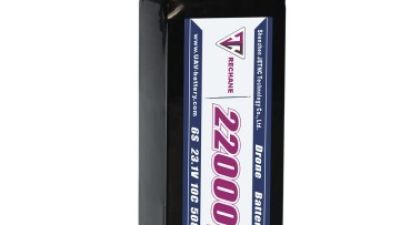
In the ever-evolving landscape of drone technology, battery performance is crucial for maximizing operational capabilities. The JENTC LI-HV 6s 22000mAh semi-solid battery represents a significant advancement in this area, offering a remarkable blend of capacity and efficiency tailored for various drone applications. With an impressive 22.8V voltage and a substantial 22000mAh capacity, this battery ensures that users can enjoy extended flight times, enhancing their aerial operations and reducing the frequency of recharges.
One of the key benefits of this battery is its semi-solid design, which provides both safety and performance advantages over traditional lithium batteries. This technology not only improves efficiency but also helps in managing heat, allowing for more stable performance during intensive use. Additionally, the battery meets essential safety standards, possessing certifications that reflect its reliability, such as RoHS, CE, and FCC. With a warranty period ranging from 3 months to a year, users can have peace of mind knowing they are supported in their investment.
For those looking to optimize drone performance, investing in a high-capacity battery like the JENTC LI-HV 6s 22000mAh is a game changer. It caters to the demands of both hobbyists and professionals, making it an excellent choice for various drone operations, whether for filming, surveying, or recreational flying. The focus on durability and efficiency makes it an attractive option for maximizing the potential of any drone system.
FAQS
: You can hike, bike, or picnic in parks. Outdoor sports like soccer or basketball are great too.
Always inform someone of your plans. Use proper gear and check weather conditions before heading out.
Essentials include water, snacks, sunscreen, and a first aid kit. Don’t forget appropriate clothing for the weather.
Many parks allow dogs. Always keep them on a leash and clean up after them.
Follow "Leave No Trace" principles. Carry out what you bring in and respect wildlife.
Fires are only allowed in designated areas. Always check local regulations and never leave a fire unattended.
Keep a safe distance. Do not feed or approach animals. Observe from afar to respect their space.
Use local guidebooks or search online. Ask friends for their recommendations and experiences.
Always have a backup plan. Seek shelter if needed and monitor local forecasts regularly.
Carry a basic first aid kit. For cuts or scrapes, clean with water and apply a bandage. Seek help if necessary.
Conclusion
When selecting a suitable 5 Inch FPV Drone Battery, it is essential to understand the specific power requirements of these drones. Different types of batteries, such as LiPo and Li-Ion, offer various benefits, and pilots must consider key specifications like voltage, capacity, and discharge rates. A crucial aspect to keep in mind is the relationship between battery capacity and flight time, as a higher capacity generally leads to extended airtime but can also increase weight.
To maximize battery life and performance, users should implement best practices in charging and storage. Proper maintenance of the 5 Inch FPV Drone Battery can significantly enhance its lifespan and reliability. Additionally, safety tips should always be adhered to during the charging process to prevent accidents and ensure optimal drone operation. By understanding these factors, FPV drone enthusiasts can make informed decisions to enhance their flying experience.