As the drone world keeps growing and changing, picking out the best 5v Drone Battery is more important than ever—whether you're just into hobbies or you're a pro. With so many options out there, frankly, it can get pretty overwhelming trying to find the perfect one. You want a battery that not only works well with your quad drone but also gives you reliable performance, without any surprises.
There are quite a few brands making quality 5V drone batteries. Big names like DJI and HobbyKing come to mind—they've really earned their reputation. Their batteries often come packed with cool tech that can boost flight times and improve overall efficiency. That said, keep in mind that not All Batteries perform the same once you're out in the real world. Factors like weather and how often you fly can make a difference in how they actually perform.
When you're choosing a 5V drone battery, it’s super important to consider stuff like capacity, weight, and how quick it charges. Sometimes, a battery might sound great because it claims a long lifespan, but in demanding conditions, it might not hold up so well. User reviews and real-world experiences are gold in this case—they can show you what to really expect. So, while making your pick, don’t just go by brand—look at what others are saying and get a good sense of what's truly reliable for your drone needs.
Understanding 5V Drone Batteries: Key Features and Specifications
Understanding 5V drone batteries is essential for every drone enthusiast and professional. These batteries power the drone's flight systems and enhance overall performance. Key specifications include capacity, discharge rate, and weight. A higher capacity usually means longer flight time, but it also adds weight.
When choosing a 5V battery, consider the type of drone you own. Larger models may require batteries with higher discharge rates. Always pay attention to the battery chemistry. Lithium Polymer (LiPo) batteries are common for their high energy density. However, they can be tricky to manage if you're not experienced.
Tips: Keep an eye on battery health. Regularly check for swelling or damage. Maintain a consistent charging routine to prolong battery life. Ensure your battery is compatible with your drone to avoid any mishaps. Know the signs of performance decline. It's better to replace than risk a crash. These factors can impact your flying experience significantly.
2026 Best 5V Drone Battery Options for Global Buyers
| Battery Type | Capacity (mAh) | Voltage (V) | Weight (g) | Charge Time (hrs) | Cycle Life |
| LiPo | 2200 | 5 | 150 | 1.5 | 300 |
| Li-ion | 3000 | 5 | 200 | 2 | 500 |
| NiMH | 2000 | 5 | 180 | 1.25 | 1000 |
| LiFePO4 | 2500 | 5 | 210 | 1.8 | 2000 |
| Solid State | 2200 | 5 | 160 | 2.5 | 1000 |
Top 5 Recommended 5V Drone Batteries for 2026
When selecting a 5V drone battery in 2026, buyers face a variety of options. The market offers batteries with diverse capacities and features. Enthusiasts and professionals alike look for reliability and efficiency. A good battery can enhance flight times and overall performance. Many users often overlook the importance of weight and size. These factors directly impact the drone's maneuverability.
Among the top choices, users will appreciate batteries that offer quick charge times. Some models can recharge in under an hour. Additionally, durability is crucial. Batteries should withstand various weather conditions. Some may even exhibit performance drops in cold temperatures. It's essential to choose a battery that maintains consistent power throughout its lifespan.
Not all high-capacity batteries perform well. Some may promise extended flight but fail during use. Researching user reviews can provide valuable insights. Many buyers highlight real-life experiences. They share both positive and negative feedback. User opinions help guide future purchases, leading to more informed decisions. Choosing the right 5V drone battery is not just about specifications. The experiences of others can significantly shape your choice, making this a thoughtful process.
Comparative Analysis of 5V Drone Battery Performance and Lifespan
When examining 5V drone batteries, performance and lifespan are crucial factors for buyers. Recent industry reports indicate that lithium polymer (LiPo) batteries remain the most popular choice among enthusiasts. They offer high energy density, delivering approximately 150-200 Wh/kg, which translates to longer flight times. However, they come with limitations. Their lifespan can be relatively short, averaging around 300-500 charge cycles. This variability often frustrates users.
Battery management systems (BMS) play a significant role in extending battery life. Effective BMS can enhance safety and efficiency. Reports show that drones equipped with intelligent BMS can achieve about 20% longer lifespans. Not all batteries offer this technology, highlighting the need for careful selection. While high-quality batteries may cost more, their longevity can provide better value.
However, not all buyers prioritize performance over cost. Some opt for cheaper alternatives, which may offer less reliability. Such decisions can lead to disappointment, especially when drones fail during crucial moments. Users must weigh the importance of performance against budget constraints. Investing in batteries with proven performance metrics is essential for serious drone operators.
Factors to Consider When Choosing a 5V Drone Battery
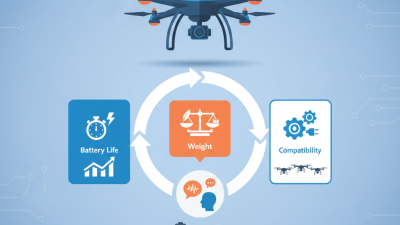
When exploring options for a 5V drone battery, several factors come into play. Weight and capacity are crucial. Most modern drones benefit from lighter batteries, which enhance flight time. According to a report by the International Drone Market Association, weight reduction by just 10 grams can lead to a 5% increase in flight duration. Having the right capacity ensures the drone can manage its energy demands effectively, leading to stable performance.
Compatibility is another key aspect. It's essential to ensure the battery's voltage matches the drone's specifications. A mismatch can lead to inefficient operation or even damage. Additionally, the charge cycles of a battery significantly affect its longevity. Research indicates that lithium-polymer batteries, commonly used as a Drone Battery 3.7v option, can endure up to 300-500 charge cycles. This endurance can impact long-term cost-effectiveness for users.
Finally, consider the environmental impact of your battery choice. Lithium-ion batteries are prevalent but can be challenging to recycle. Some recent studies recommend looking into alternative battery technologies that reduce ecological footprints. Each choice has trade-offs, so weigh them carefully for the best result.
Best Practices for Maintaining and Extending Battery Life
Maintaining your drone battery is crucial for optimal performance. Regular care can extend battery life significantly. Always check the voltage before use. A healthy battery should show a consistent charge. If you notice irregularities, it may indicate a problem.
Consider storing your Drone Battery 3.7 V 800mah in a cool, dry place. Extreme temperatures can degrade battery life. Avoid leaving your battery charged for too long. This can lead to overcharging, which shortens its lifespan. Ideally, charge your battery only when needed. Also, never let your battery fully discharge. This can cause permanent damage.
Monitoring your battery's health requires attention. Keeping track of discharge cycles can help you understand its performance better. Each cycle reduces capacity slightly. Reflecting on your usage habits is necessary. Some may overuse their batteries, which leads to premature failure. Make adjustments as needed to ensure longevity.
User Reviews: Experiences with Top 5V Drone Batteries
User experiences provide valuable insights into the best 5V drone batteries available. Many users share their thoughts and critiques about battery performance. Some report shorter flight times than expected. It is important to note that environmental conditions can significantly impact battery life. Users in cold climates often see reduced performance. This feedback highlights the necessity of understanding your operating environment.
In terms of quick charging capabilities, fast-charging drone batteries stand out. They save time and enhance the flying experience. However, some users express concerns about longevity. A few have noted that frequent fast charging seems to wear out their batteries quicker. It's a point of consideration for those who prioritize performance over durability.
Community discussions reveal a range of opinions. Some users praise batteries with fast-charging features, while others prefer slower charging for longevity. The balance between convenience and battery health remains a common theme. As battery technology evolves, users must weigh their options and experiences carefully.
Future Trends in Drone Battery Technology and Innovations
As drone technology continues to evolve, battery innovation is at the forefront. Future drone batteries will likely focus on efficiency and energy density. Improvements in lithium-sulfur and lithium-iron phosphate chemistries show promise. These advancements may lead to lighter batteries with longer flight times. The market is eager for batteries that can charge quickly and provide consistent performance.
Medium-sized drone batteries are crucial for balancing weight and power. A better understanding of thermal management and battery design will enhance safety. However, challenges remain. Manufacturers must address issues related to lifespan and environmental impact. The recycling of old batteries will need more attention as drone usage expands.
Technological trends suggest that solid-state batteries might revolutionize the industry. These batteries can reduce fire risk and increase energy storage. Yet, the cost of production is still a hurdle. Buyers are looking for reliable solutions that don't compromise on quality. It's essential to keep an eye on emerging technologies and their practical implications for everyday use.
2026 Best 5v Drone Battery Options for Global Buyers
This chart showcases the battery capacities of the top 5v drone battery options for 2026. From Lithium-ion to Solid State, each battery type is evaluated based on its capacity measured in milliamp hours (mAh), which is a crucial metric for drone performance and flight duration.
Exploring the JENTC 6s 16000mAh 15C Semi-Solid Battery: High Capacity and Reliability for Drone Enthusiasts
For drone enthusiasts seeking enhanced performance, the JENTC 6s 16000mAh 15C semi-solid battery emerges as an exceptional choice. This premium battery pack is meticulously crafted to provide high capacity and reliability during critical flights. With an impressive 16000mAh storage capacity and a voltage output of 22.8V, it ensures that users can enjoy extended flight durations without compromising on performance. This allows drone operators to undertake longer missions and engage in demanding aerial activities with confidence.
What sets this battery apart is its semi-solid construction, which not only contributes to improved safety but also enhances the battery's longevity. Designed to meet stringent quality certifications, it assures users that they are investing in a reliable power source. The battery is manufactured with precision, making it a trustworthy companion for various drone applications, whether for recreational use or professional filming. Knowing that the battery comes with a warranty of 3 months to 1 year offers additional peace of mind, allowing drone enthusiasts to focus on capturing stunning aerial visuals without the worry of battery failure. Elevate your drone experience by integrating this high-capacity power solution into your flying routine.
FAQS
: Weight and capacity are key. Lighter batteries can improve flight time.
Check the voltage specifications. Mismatched voltage can cause operational issues.
Charge cycles affect battery longevity. More cycles generally mean a shorter lifespan.
Regular voltage checks and careful storage can extend battery life significantly.
Overcharging can shorten the battery's lifespan. Charge only when necessary.
A 10-gram reduction can increase flight duration by 5%. Every gram counts.
Store it in a cool, dry place. Avoid extreme temperatures for better longevity.
Keep track of discharge cycles and voltage. This helps assess performance.
Not necessarily. Some might underdeliver despite promising features. Research helps.
Never let your battery fully discharge. This can lead to irreversible harm.
Conclusion
The article titled "2026 Best 5V Drone Battery Options for Global Buyers" delves into the essential aspects of 5V drone batteries, highlighting their key features and specifications. It presents a curated list of the top five recommended 5V drone batteries for 2026, alongside a comparative analysis that assesses their performance and lifespan. Important factors are discussed to help buyers make informed choices when selecting a 5V drone battery, including capacity, weight, and compatibility with various drone models.
Additionally, best practices for maintaining and extending battery life are shared, ensuring optimal usage. User reviews provide insights into personal experiences with the top options, enhancing the understanding of their real-world performance. Finally, the article touches on future trends and innovations in drone battery technology, making it a comprehensive guide for buyers looking to enhance their drone experience with the right 5V drone battery.