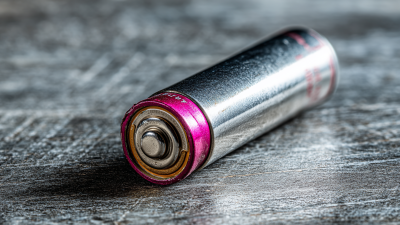
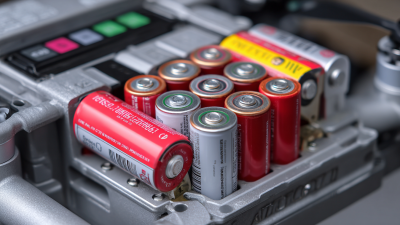
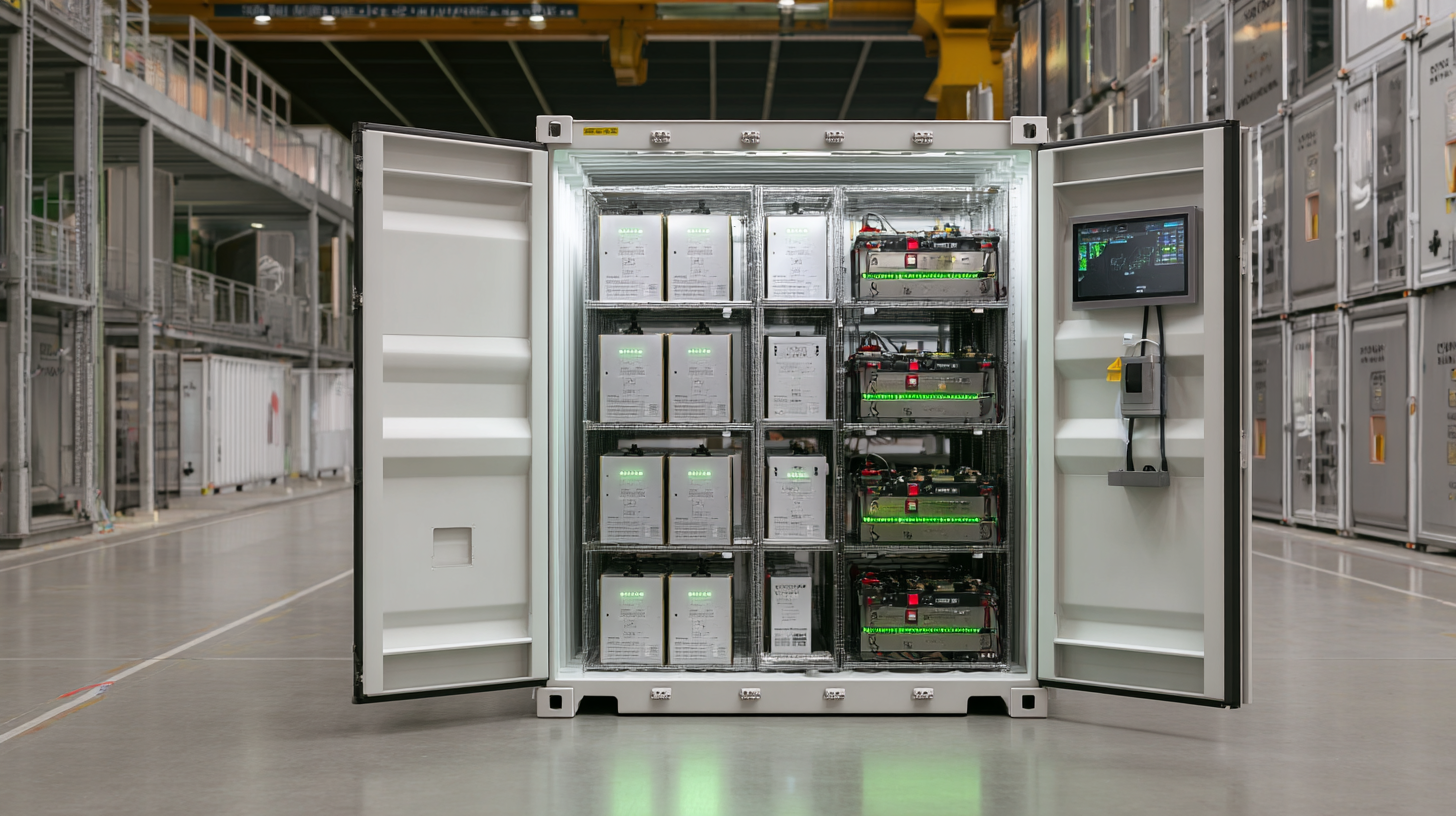
Lately, there's been a buzz around sustainable energy solutions, especially with the rise of Lifepo Battery Tech. You know, market reports are saying the global lithium-ion battery market could hit around $129 billion by 2027 — that’s a huge jump, mainly because everyone's looking for high-performance and eco-friendly ways to store energy. And Lifepo Batteries? They've really been stealing the spotlight thanks to their safety features, durability, and how eco-friendly they are. Companies like Shenzhen Jentc Technology, which has been a big name in the lithium battery scene since 2011, are offering all sorts of solutions — think high-voltage 4.4V batteries and quick-charging options. Using Lifepo Batteries isn’t just about efficiency; it’s about making a real difference for our planet. Industry folks are pretty much in agreement — this tech is a game-changer, whether it’s for big commercial projects or just personal gadgets. It’s clear that embracing this technology is key if we want to move towards a greener, more sustainable future.
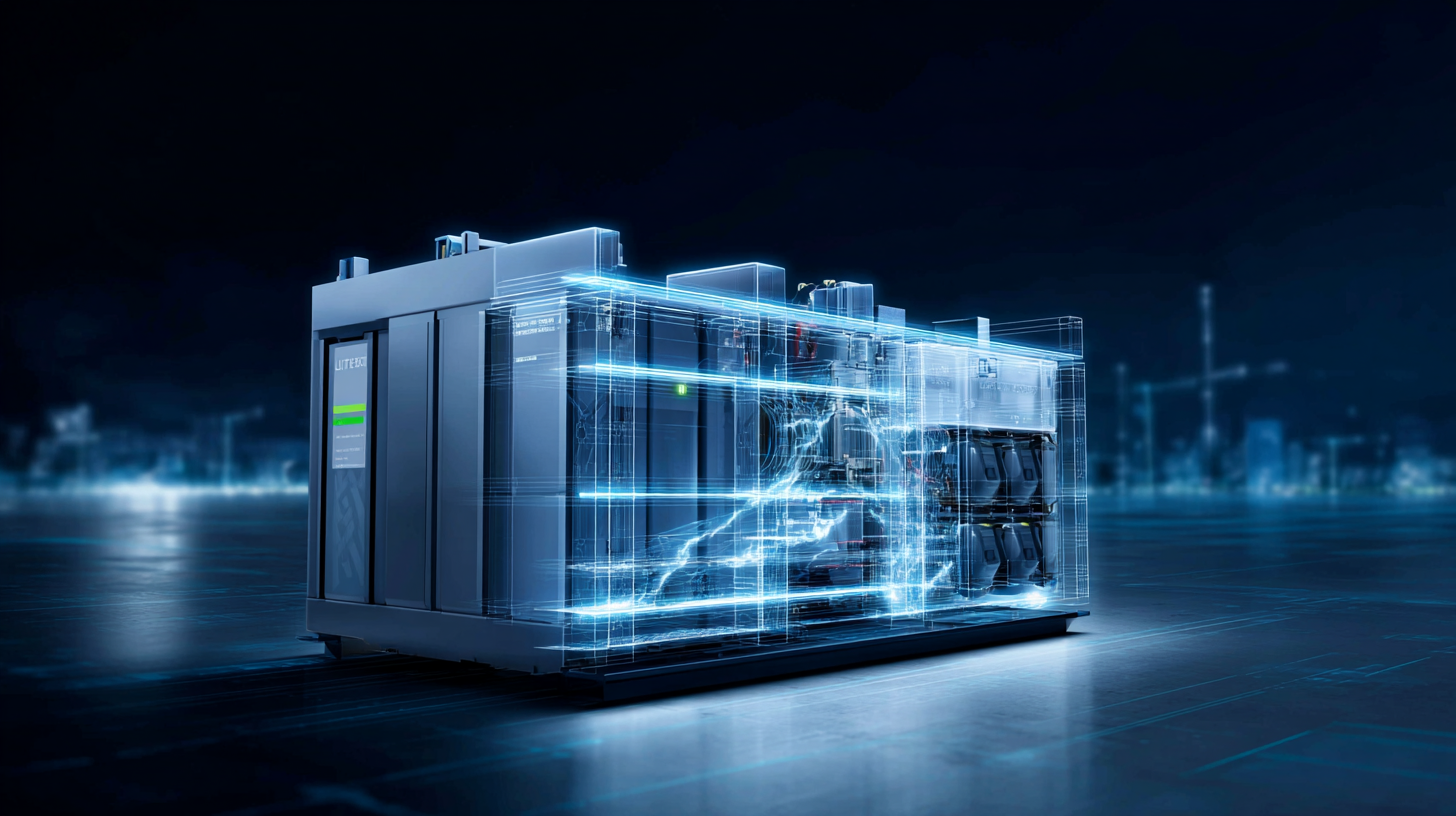
Understanding Lithium Iron Phosphate (LiFePO4) Battery Basics for Sustainability
Lithium Iron Phosphate, or LiFePO4 batteries, really are becoming a big deal when it comes to sustainable energy. They’re known for being super stable, safe, and lasting way longer than your typical lithium-ion batteries. What’s cool about LiFePO4 is its chemical design — it helps keep things from overheating and makes them less likely to catch fire. That’s why you see them in everything from electric cars to home energy storage systems. Plus, since they use materials like iron and phosphate, which are plentiful and non-toxic, they’re a pretty eco-friendly option — definitely a step in the right direction for sustainability.
If you’re trying to pick the right LiFePO4 battery, a good rule of thumb is to really think about what you need it to do. Things like capacity, voltage, and how fast it can discharge are all important. And don’t forget to check out manufacturers that offer solid warranties and support — that way, you’ll have peace of mind knowing youR Battery’s covered and reliable.
As the world shifts more and more towards clean energy, getting to know the main perks of LiFePO4 batteries is pretty essential. These batteries can handle tons of charge and discharge cycles without losing much in performance, which means they last longer and help cut down on waste. That’s a win for the environment. By embracing this tech, we’re taking real steps toward a future where energy is more sustainable — it’s pretty exciting stuff.
Key Advantages of LiFePO4 Batteries in Renewable Energy Applications
LiFePO4 (that's lithium iron phosphate, by the way) batteries have quite a few big perks that make them a really solid choice for renewable energy projects. One of the main things people like about them is how safe they are—thanks to their thermal stability and lower fire risk compared to your typical lithium-ion batteries. That safety factor is pretty important as we're moving towards more sustainable energy options. Recent reports actually say that the global market for LiFePO4 batteries is expected to skyrocket, hitting around $12.44 billion by 2032. This just shows how much demand there is, especially with the boom in energy storage and electric vehicles.
Another reason these batteries are so popular is their incredible durability—they can usually handle up to 5,000 charge and discharge cycles. That kind of longevity means you’re not replacing them as often, which definitely saves you money in the long run. Plus, they can discharge energy pretty quickly when needed, making them perfect for things like grid storage or powering electric cars. It really lines up with the overall push for more sustainable energy practices.
When you're figuring out what kind of battery tech to use for your renewable energy setup, it’s smart to think about how long the batteries last and how safe they are. Also, don’t forget to weigh the costs over time—looking at the overall value can help you make smarter financial decisions about your energy investments.
Comparative Analysis: LiFePO4 vs. Traditional Lithium-ion Batteries
Lately, Lithium Iron Phosphate (LiFePO4) batteries have been getting a lot of attention as a more eco-friendly alternative to those traditional lithium-ion batteries we see everywhere. One of the biggest perks of LiFePO4 is how much safer it is. Unlike regular lithium-ion batteries, which can sometimes run into problems like overheating or even catching fire, LiFePO4 batteries stay much cooler and stable. That’s a pretty big deal because it not only keeps users safer, but it also opens up more possibilities—think electric cars, home energy storage, and all kinds of tech that need reliable, safe batteries.
On top of that, when we look at the environment, LiFePO4 batteries actually have a lighter footprint. They’re made from non-toxic materials and tend to last longer, so you don’t end up discarding them as often. They can handle way more charge cycles than regular lithium-ion ones, meaning less waste over time. Plus, their simpler makeup makes recycling easier – which is a win for sustainability. With everyone’s focus shifting toward greener energy solutions these days, understanding why LiFePO4 is gaining ground over traditional lithium-ion batteries is more important than ever.
Integrating LiFePO4 Technology into Solar Power Systems
So, when you think about integrating LiFePO4 (that’s lithium iron phosphate) batteries into solar power setups, it’s pretty exciting because there are quite a few perks. These batteries are known for being safe, lasting a really long time, and staying cool under heat — all great reasons to use them for storing solar energy. Industry folks say that LiFePO4 batteries can go through more than 2,000 charge cycles without losing much capacity. That’s a big deal compared to the typical lithium-ion batteries, which tend to wear out faster. Because of this durability, solar systems become more cost-effective and reliable, which means they’re getting picked up for all sorts of uses — from homeowners to big industrial projects.
As everyone pushes even harder for renewable energy, the need for good storage solutions is only growing. Modern policies really emphasize the importance of dependable batteries to make the most of solar output and keep the power flowing steadily. On top of that, manufacturers are coming up with smarter, more compact batteries with bigger capacities that fit right into existing solar setups. For example, recent tech advancements in battery management systems mean these batteries perform better and last longer, making them more appealing to everyday folks. Companies like Shenzhen Jentc Technology are really leading the charge — they’re building high-quality lithium batteries that adapt to the changing needs of solar energy users everywhere.
Benefits of LiFePO4 Battery Technology for Solar Power Systems
Best Practices for Maximizing Lifespan and Efficiency of LiFePO4 Batteries
You know, LiFePO4 batteries are really gaining popularity these days, especially because they’re super stable and safe — perfect for sustainable energy projects. But to get the most out of them and make sure they last as long as possible, you gotta follow a few best practices. For instance, a report from the International Renewable Energy Agency (IRENA) mentions that keeping these batteries within the right temperature range can really boost their performance. In fact, when you do that, they can stay over 90% efficient even after thousands of charge cycles! Basically, if you manage their temperature well, you’re reducing wear and tear, which means your batteries will stick around longer.
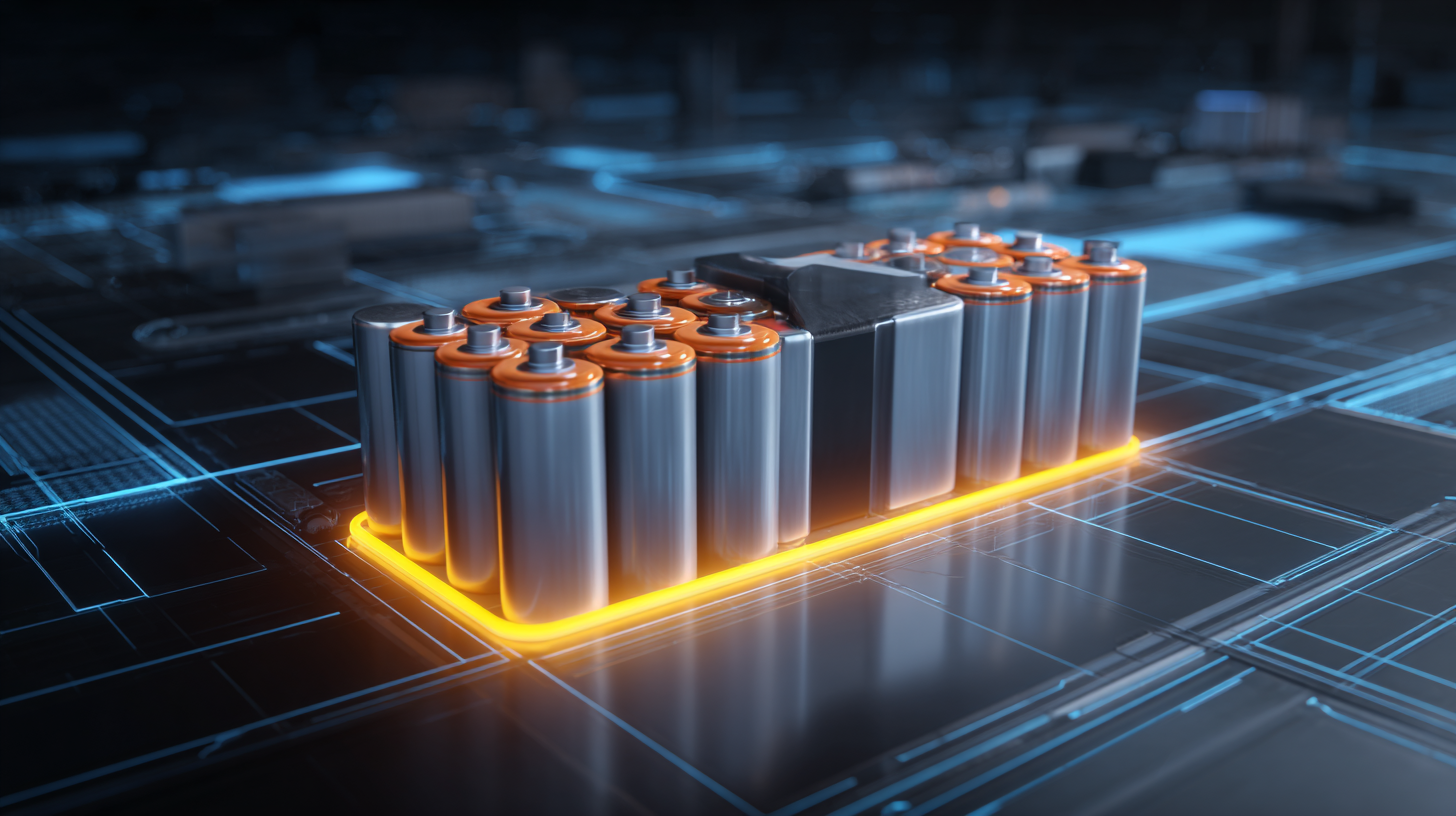
Also, regular check-ins and smart maintenance are key. The U.S. Department of Energy highlights that if you limit how much you discharge the battery — say, to about 50% — you can seriously extend its cycle life. Instead of lasting around 2000 to 2500 cycles, these batteries could go over 3000! Plus, using advanced charging tech that adapts based on the battery’s current state can really make a difference, boosting both their efficiency and lifespan. All these little tips can really help us rely on cleaner, more sustainable energy in the long run.
Exploring Future Innovations and Trends in LiFePO4 Battery Development
The future of energy storage is happening so quickly these days, and LiFePO4 (Lithium Iron Phosphate) batteries are definitely leading the way. As more industries look for sustainable and dependable energy solutions, advances in LiFePO4 tech are really set to change the game—how we store, use, and think about energy. These batteries have a pretty impressive lifespan, are safer to use, and stay steady even when things heat up, making them perfect for a bunch of different uses—like powering electric cars or supporting renewable energy setups.
If you're thinking about jumping into LiFePO4 batteries, it’s worth taking some time to figure out exactly what you need for your project. Shop around for suppliers who focus on quality and back up their products with solid warranties—that way, you’re more likely to get something that will serve you well in the long run.
Plus, with recent breakthroughs in nanomaterials and smarter battery management systems, things are only getting better. We’re looking at higher energy densities and faster charging times soon, which makes these batteries even more appealing for large-scale energy storage. This whole shift isn’t just good for green energy—it’s a step towards a more sustainable future for everyone.
So, my tip? Keep an eye on the latest news and trends in battery tech. Staying in the loop can help you spot new innovations that might make your energy plans smarter and more cost-effective.
Maximizing Drone Performance: Insights from Industry Reports on JENTC 6s 16000mAh 15C Battery Efficiency and Longevity
Maximizing Drone Performance: Insights from Industry Reports on JENTC 6s 16000mAh 15C Battery Efficiency and Longevity
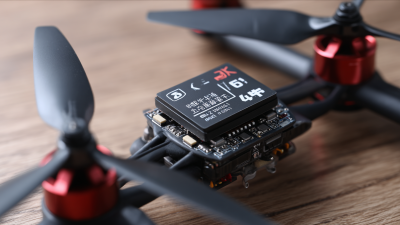
In the competitive world of drone technology, the efficiency and longevity of power sources are paramount for optimal performance. The JENTC LI-HV 6s 16000mAh 15C battery stands out as a premier choice for drone enthusiasts and professionals alike. With a remarkable capacity of 16000mAh and a voltage of 22.8V, this semi-solid custom lithium polymer battery pack is engineered to deliver extended flight durations while maintaining reliability under varying conditions.
Originating from China, the JENTC battery not only meets but exceeds industry standards with certifications such as RoHS, CE, and FCC, ensuring safety and quality for users. This high-capacity battery is suitable for a diverse range of drones, making it an excellent investment for those seeking enhanced performance. Additionally, the product comes with a comprehensive warranty ranging from 3 months to 1 year, providing peace of mind and underscoring the manufacturer’s commitment to customer satisfaction and product longevity. By integrating this battery into their systems, drone operators can significantly optimize their flying experience, achieving greater efficiency and reliability on every flight.
FAQS
: LiFePO4 batteries offer inherent safety features, including thermal stability and a lower risk of fire. They have a long cycle life of up to 5,000 charge-discharge cycles, high discharge rates, and are cost-effective due to reduced battery replacement frequency.
The global market for LiFePO4 batteries is projected to grow significantly, reaching an estimated value of $12.44 billion by 2032, driven by demand for energy storage solutions and electric vehicle technologies.
It's essential to focus on factors like cycle life, thermal stability, and cost-effectiveness to ensure long-term sustainability and effective financial planning for energy investments.
Key practices include proper thermal management, regular monitoring of charge cycles, limiting the depth of discharge to 50%, and using smart charging technologies to adjust charging rates based on battery conditions.
Maintaining optimal operating temperatures enhances the performance of LiFePO4 batteries, allowing them to retain an efficiency rate of over 90% even after many cycles, thereby extending their useful life.
Limiting the depth of discharge to 50% can significantly increase the total cycle life of LiFePO4 batteries, potentially allowing them to exceed 3,000 charge cycles compared to 2,000-2,500 cycles when fully discharged.
Smart charging technology can enhance efficiency and longevity by adjusting charging rates based on the current condition of the battery, leading to more reliable and sustainable energy solutions.
LiFePO4 batteries have better thermal stability and a lower risk of fire, making them inherently safer for use in renewable energy applications.
Conclusion
So, I came across this article about the benefits of LiFePO4 batteries for sustainable energy — it’s pretty interesting. Basically, it breaks down the core ideas behind these Lithium Iron Phosphate batteries and how they’re really pushing forward the cause of sustainability. The piece highlights why Lifepo batteries are such a game-changer, especially when it comes to renewable energy projects where efficiency and longevity really matter. It also compares them to regular lithium-ion batteries and points out that Lifepo batteries are safer and more stable — which makes them perfect for things like solar power setups.
The article doesn’t just stop there though. It gives some handy tips on how to get the most out of your Lifepo batteries — like maintenance tricks and operational stuff that really helps extend their lifespan and keep them running smoothly. Plus, it looks ahead to the future, talking about ongoing innovations and trends that are likely to make Lifepo batteries even better and more versatile. Oh, and by the way, Shenzhen Jentc Technology Co., Ltd. is pretty much leading the charge when it comes to high-performance lithium batteries. They’re really dedicated to offering customized Lifepo battery solutions for all kinds of uses.
All in all, it's a pretty solid overview of how this tech is evolving and why it’s such an important part of sustainable energy solutions today.