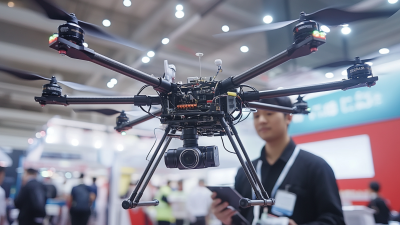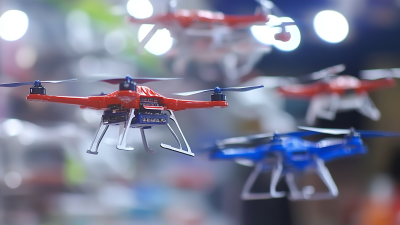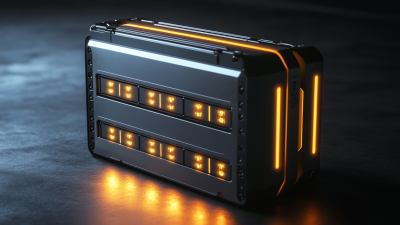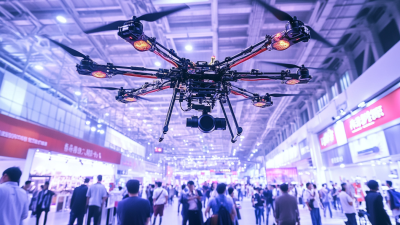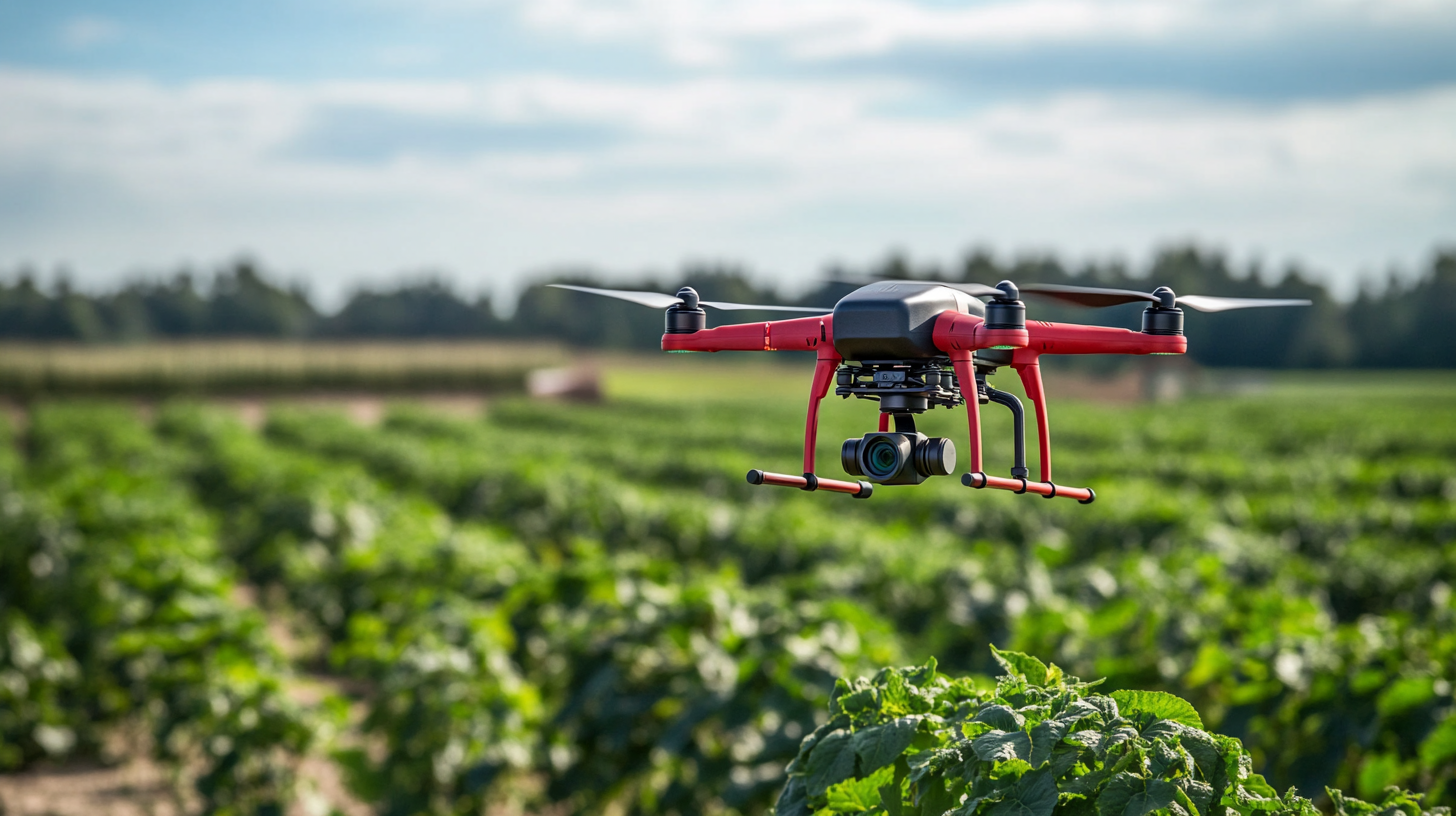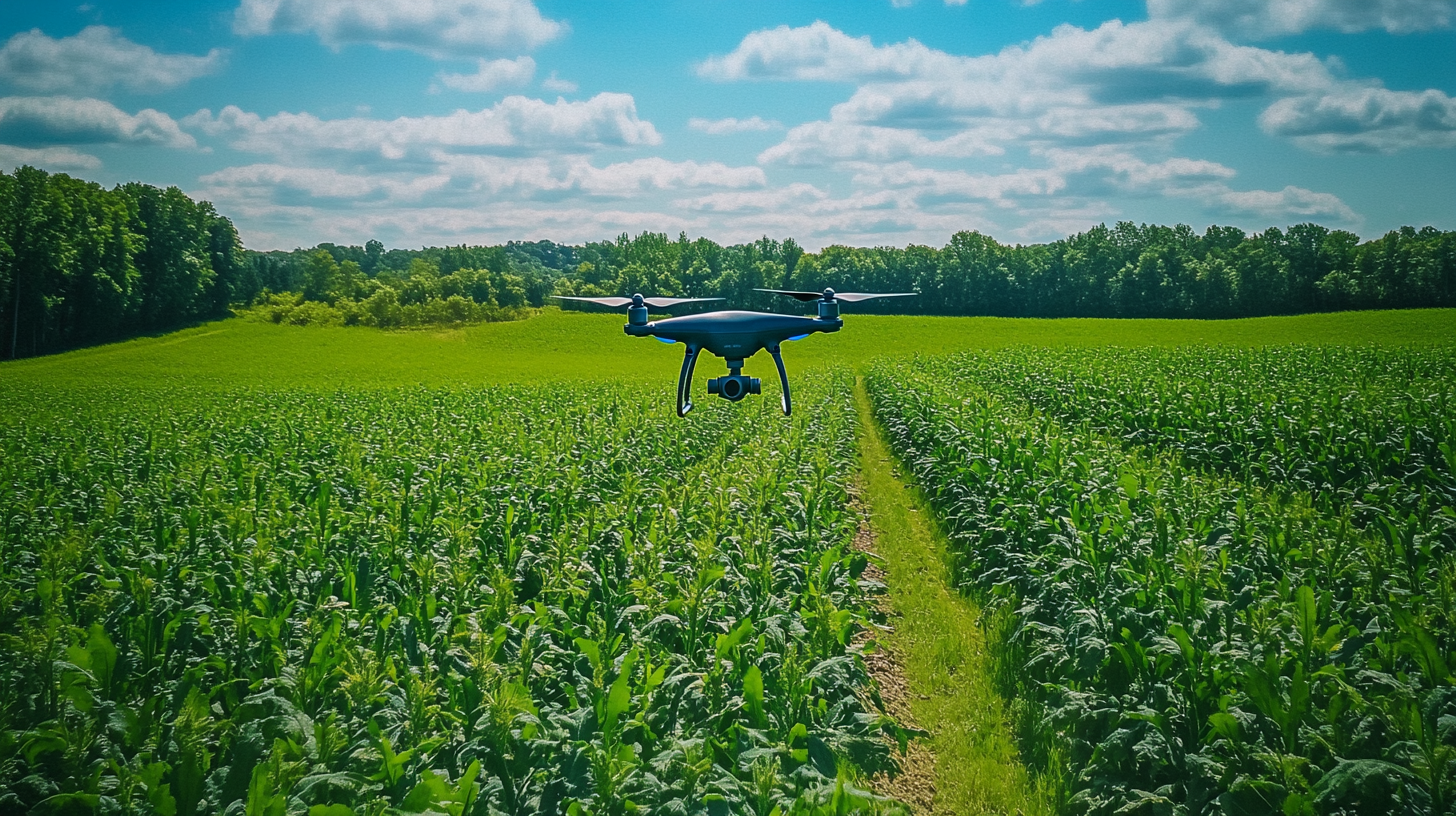
You know, the agricultural industry is really changing these days, and tech is at the heart of making crop management a whole lot more efficient. One of the coolest advancements we've seen is the rise of agricultural drones, which really depend on high-performance batteries to keep them flying. A report from MarketsandMarkets mentions that the agricultural drone market is set to soar from $1.2 billion in 2022 to a whopping $4.8 billion by 2027. That really shows how much farmers are leaning on drone tech for smarter farming practices. And what's crucial for this growth? You guessed it—Battery Technology! Shenzhen Jentc Technology Co., Ltd. is leading the charge with their high-performance lithium batteries, including these fast-charge ones that are tailor-made for drones. That means more flying time and better efficiency out in the fields. By choosing top-notch batteries for their drones, farmers can really supercharge their crop management and see some serious boosts in productivity!
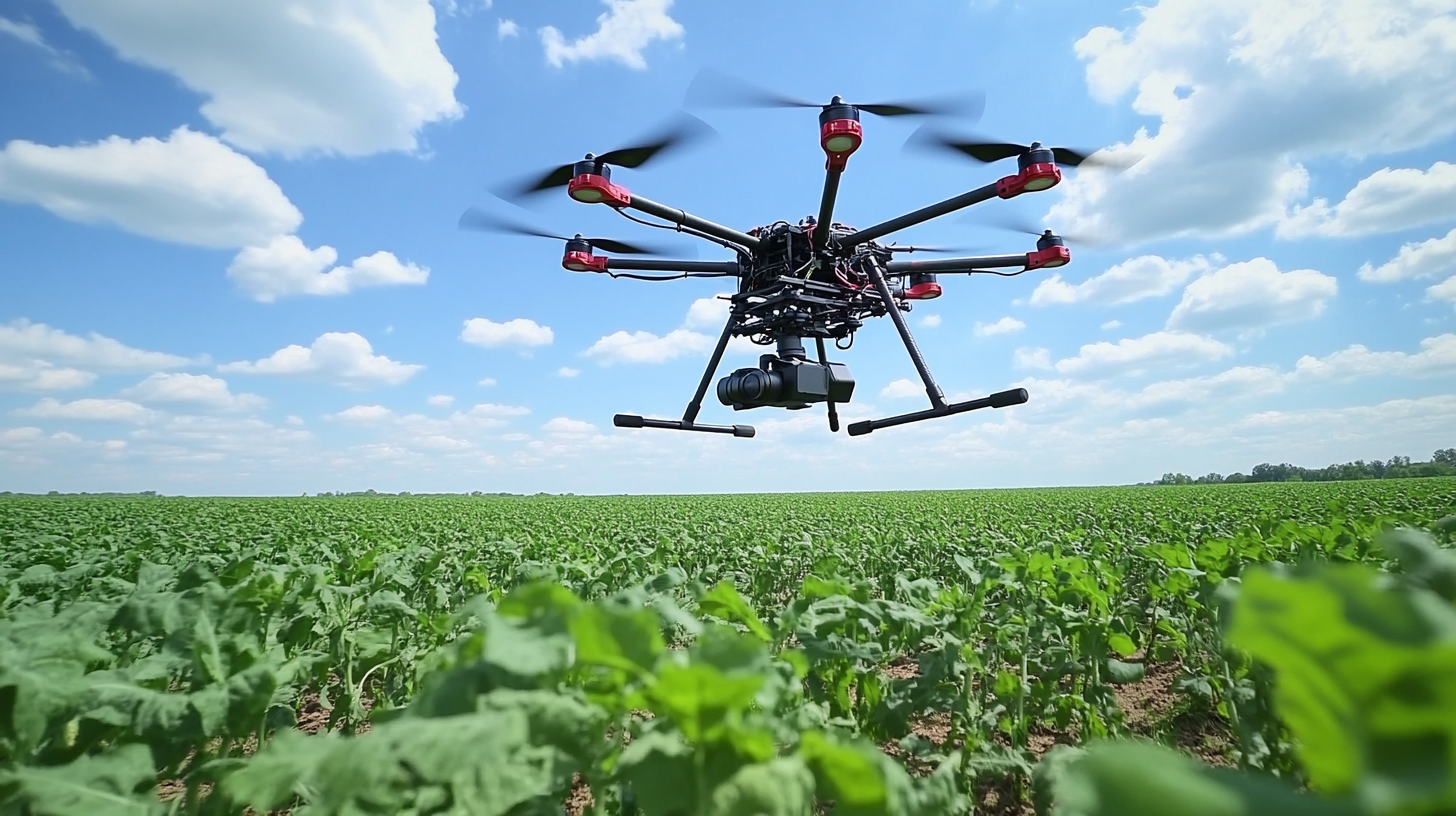
You know, the way high-performance Drone Batteries are being used in precision agriculture is really changing the game for crop management. These new batteries let drones fly longer and work better, which means farmers can cover larger areas without having to recharge all the time. That not only boosts productivity, but it also lets them act quickly based on real-time data they gather while surveying the fields from above. With the world's population on the rise and the demand for food going up, these advancements in battery tech are more important than ever.
And it gets even better! By using agricultural drones that are equipped with these powerful batteries, farmers can adopt precision farming techniques like targeted pesticide applications and monitoring soil health. This kind of precision really helps cut down on waste and is way better for the environment, too. It’s all about making farming more sustainable. As more countries dive into investing in drone technology, the perks of having high-performance batteries are becoming super clear. It’s paving the way for a more efficient and eco-friendly future in agriculture.
So, when you’re diving into the world of agricultural drone batteries, there are a few things that really stand out and can totally help you manage your crops more efficiently. One of the big ones is battery life. Seriously, the longer those batteries last, the more ground those drones can cover without needing to stop and recharge every five minutes. And get this—there's a report from MarketsandMarkets that says the global agricultural drone market is set to hit a whopping $8.2 billion by 2025! A lot of this growth is thanks to better efficiencies, like battery times that can go beyond 30 minutes in some of the high-performance models. This kind of innovation means farmers get to do more thorough surveys and collect data more effectively, which is super important for making informed decisions about their crops.
But battery life isn’t the only thing to think about. Charging time is just as crucial. Fast-charging batteries can really cut down on the downtime, which means farmers get to make the most of their working hours. A study by IDTechEx even found that these quick-charging technologies can slash idle time by up to 50%! That’s a game changer for keeping those drones buzzing. Plus, you can’t forget about weight and the power-to-weight ratio, either. Lighter batteries not only boost maneuverability but also still pack a punch in their power output. Thanks to all the recent tech advancements, we’re seeing batteries that are both light and long-lasting, which helps farmers take their crop management practices to the next level.
| Battery Type | Capacity (mAh) | Voltage (V) | Weight (g) | Charge Time (hrs) | Cycle Life | Special Features |
|---|---|---|---|---|---|---|
| Lithium Polymer (LiPo) | 8000 | 22.2 | 320 | 1.5 | 300 | Fast charging, Lightweight |
| Lithium-Ion (Li-Ion) | 10000 | 24.0 | 420 | 2.0 | 500 | High energy density, Good thermal stability |
| Nickel-Metal Hydride (NiMH) | 6000 | 14.8 | 500 | 3.0 | 250 | Eco-friendly, Safe |
| Lead-Acid | 12000 | 12.0 | 2000 | 5.0 | 150 | Cost-effective, Reliable |
The integration of drone technology into agriculture has proven transformative, significantly enhancing crop management efficiency. Real-world examples illustrate how farmers leverage drones for precision agriculture, optimizing inputs and improving yields. For instance, a recent study highlighted that farmers using drone-based analytics can increase crop yields by an average of 15% by closely monitoring plant health and soil conditions. This data-driven approach allows for real-time decision-making and tailored interventions that directly affect crop performance.
In Visegrad countries, the adoption of drones within organic farming systems showcases the technology’s practical applications. Farmers utilizing drones to monitor cover crops and assess soil health have reported improved sustainable practices, leading to more resilient farming operations. Additionally, advancements in smart sensor technologies are further enhancing the capabilities of drones in agriculture. These sensors gather critical data that facilitates the precise application of water, fertilizers, and pesticides, reducing waste and maximizing resource efficiency, which is essential as global food demand is projected to rise sharply with an ever-growing population.
You know, agricultural drones have totally changed the game for farmers when it comes to managing their crops. And let me tell you, a big part of that is having a great drone battery. When farmers invest in high-quality batteries, they're not just shelling out cash—they're actually saving money in the long run. These batteries are built for longer flight times and quicker recharges, which means farmers can get more done in one go, whether it’s doing aerial surveys or keeping an eye on their crops. Less downtime between flights? Yes, please! That translates to more productivity and covering bigger fields, ultimately slashing labor and fuel costs.
And that’s not all—many of these advanced drone batteries come with smart tech that helps manage energy use effectively. This cool feature lets drones tackle precise tasks like spraying and planting while using less juice. So, farmers get to enjoy better crop yields without breaking the bank on inputs. Plus, when batteries are reliable, there’s no need to keep replacing them all the time, which adds up to some serious savings over the years. By picking the right agricultural drone batteries, farmers are really boosting their efficiency and moving towards more sustainable farming practices, not to mention saving some bucks along the way.
You know, drones are really shaking things up in the world of agriculture. They’ve totally transformed how we manage crops, and one key component in all this is the type of battery that powers these drones. Among the different options, hydrogen fuel cells are coming up strong as a really promising choice. Why? Well, they pack a serious punch when it comes to power density and they hold energy like a champ. Not only are hydrogen-powered drones better for the environment, but they also allow for longer operational times, which is a big win for larger agricultural projects.
Now, if we take a closer look at the different battery types, lithium-ion batteries are still super popular. They've been around for a while, and people trust them because of their reliability and infrastructure. But here’s the kicker: hydrogen fuel cells have some cool perks, like a better weight-to-energy ratio and a more sustainable profile. As the farming industry dives deeper into tech innovations, moving towards hydrogen-powered drones could really boost crop management efficiency and help cut down on the carbon footprint that comes with traditional farming. Plus, this shift fits right in with global sustainability efforts and ups the game for modern farming equipment.
You know, the future of battery technology for agricultural drones is really about to change the game when it comes to crop management. With everyone wanting better precision in agriculture these days, it’s clear that adopting cutting-edge drone tech is going to be super important. I mean, market analysts are saying that the agricultural equipment sector is set to grow quite a bit, all thanks to innovations in automated systems and better battery life. Just look at this: the agricultural drone market is projected to hit around 1.5 billion USD by 2025! That really shows how farmers are increasingly relying on drones to get the job done.
When it comes to actually using these agricultural drones, it’s a no-brainer to pay attention to the battery specs. Choosing the right battery can really boost how long drones can operate and help farmers cover more ground more quickly. Plus, using automated drones not only cuts down on labor costs but also maximizes productivity. So, yeah, making smart choices about batteries is key to nailing crop management nowadays.
And let’s not forget how 5G tech is making a huge impact—agricultural drones are becoming essential in the whole smart farming setup. With remote operations, farmers can navigate precisely and make timely interventions right in the field, leading to better harvests. There’s been a noticeable increase in agricultural investments lately, showing a clear shift towards sustainability and technological advancements. All this just goes to show how crucial drone battery tech will be in shaping the future of agriculture, right?
: High-performance drone batteries enable longer operational times for drones, allowing farmers to efficiently cover large areas with minimal downtime. This increases productivity and supports timely actions based on real-time data collected during aerial surveys.
Drones equipped with powerful batteries facilitate precision farming techniques, such as targeted pesticide application and soil health monitoring, which minimize resource wastage and reduce environmental impact.
According to studies, farmers utilizing drone-based analytics can achieve an average increase of 15% in crop yields by closely monitoring plant health and soil conditions, leading to better decision-making and tailored interventions.
Farmers in the Visegrad countries are using drones to monitor cover crops and assess soil health, resulting in improved sustainable practices and more resilient farming operations.
Smart sensor technologies enhance drones' capabilities by gathering critical data that allows precise applications of water, fertilizers, and pesticides, thereby reducing waste and maximizing resource efficiency.
As global food demand rises due to a growing population, the need for efficient farming practices powered by advanced drone technology and high-performance batteries has become increasingly important.
Without drone technology, farmers may struggle to collect real-time data on crop health and soil conditions, leading to less informed decision-making, inefficiencies, and potentially lower crop yields.
High-performance batteries increase the durability and operational time of drones, leading to more efficient agricultural operations by allowing for continuous monitoring and management of crops.
Continued advancements in drone and battery technology are likely to drive the agricultural sector toward more efficient, data-driven, and environmentally-friendly farming practices, aligned with the increasing demand for food.
Various countries, particularly in Europe, are heavily investing in drone technology for agriculture, recognizing the benefits of high-performance batteries and their impact on improving agricultural efficiency and sustainability.