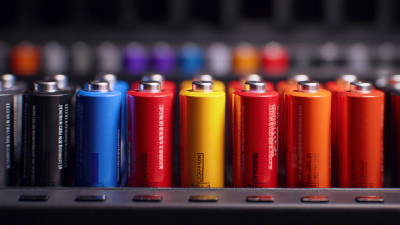
In today's fast-changing tech world, keeping an eye on your battery’s health is pretty much essential if you want your gadgets to last longer and perform well. With more folks demanding high-performance lithium batteries—did you know the global lithium-ion battery market is expected to hit about $129.3 billion by 2027?—it's no wonder that advanced ways to monitor Battery Status are getting a lot more attention. Companies likeShenzhen Jentc Technology Co., Ltd., who’ve been leading the charge since 2011, are pushing the envelope with cool lithium battery solutions. They've got everything from 4.4V high-voltage batteries to super-fast chargers and specialized batteries for AGVs. These innovations don't just boost efficiency—they also help your devices last longer.
Basically, good battery management is more important than ever. By using the latest tech to keep tabs on battery condition, businesses can make sure their devices run smoothly, all while meeting customer expectations for eco-friendliness and dependability.
Exploring the Basics of Battery State Technology and Its Importance
Battery health tech is a total game-changer when it comes to making our gadgets and EVs last longer and perform better. With more and more of us relying on electric vehicles and portable devices, it’s a pretty big deal. Did you know the global market for lithium-ion batteries is expected to hit a jaw-dropping $380 billion by 2034? That really shows how much this industry is booming. A lot of that growth comes from people wanting batteries that last longer, work more efficiently, and are eco-friendly. So, understanding battery health and the latest tech in this space isn’t just for experts — it’s pretty essential for everyone involved.
Stuff like battery health certificates can actually make a big difference if you’re planning to sell a battery-powered car later on. They often play a big role in figuring out how much your vehicle is worth. Plus, researchers are always moving forward—exploring new types of batteries like solid-state ones, which promise to be more reliable and pack better performance. It’s all part of the bigger picture in understanding and improving Battery Tech.
My suggestion? Keep an eye on your battery’s performance and health indicators regularly. It can save you from surprises and helps you know when it’s time for a check-up or upgrade. Also, it’s super helpful to stay in the loop about upcoming tech, like flow batteries or new electrochemical methods — being informed means you can make smarter choices about your gadgets and vehicles, now and down the road.

Key Factors Influencing Battery Performance and Longevity
Battery life and how long it lasts are pretty big deals when it comes to making modern gadgets work well — especially in electric cars and advanced medical devices. Recent research shows that EV batteries can last over 20 years, with only about 1.8% degradation each year. And get this — many used EV batteries still hold more than 90% of their original capacity, which is pretty reassuring and kind of surprising, considering the initial worries about how they'd perform in the long run.
On the medical side of things, take implantable devices like cardiac defibrillators — studies have shown that they can often go about six years without needing a replacement, which really highlights just how crucial reliable battery life is when lives are on the line. Plus, recent breakthroughs in materials, like using metal-organic frameworks in lithium-ion battery cathodes, have made batteries more stable and conductive. This means they last longer and work more efficiently, whether it's your smartphone or a vital medical device. All these innovations are helping batteries not only last longer but also use energy smarter, making sure our gadgets and health tech stay dependable for a good long while.
Best Practices for Monitoring Battery Health in Devices
Keeping an eye on your device’s battery health is pretty important if you want it to last longer and perform well. Thanks to some recent updates in operating systems, we're now equipped with better tools to manage how we charge our phones or tablets. For example, newer charging features help you optimize the way your device charges, which actually helps keep the battery in good shape over time. Features that monitor and control how much you’re charging—so your battery isn’t stressed out—can really make a difference in extending its lifespan.
Plus, more and more devices now come with smart battery management systems built in. These systems can give you real-time info on your battery’s health and performance, so you can make smarter decisions about charging. It’s a game-changer—preventing issues like overcharging or draining the battery completely, which can really mess things up. Long story short, if you use the right tools and follow some simple practices, your device will not only perform better but also keep that battery ticking for way longer.
Advanced Techniques for Optimizing Battery Usage
Nowadays, with more folks relying on portable gadgets and electric cars than ever before, understanding how battery technology works is a total game-changer. It’s not just about squeezing more juice out of your devices, but also making them last longer and perform better. There are some pretty advanced tricks out there now that can really boost how efficiently batteries are used. And believe it or not, this tech growth is reflected in the market too—like, the global active suspension system for cars is expected to hit around $286 million by 2025 and could grow to over half a billion by 2033, with an annual growth rate of about 8%. This shows just how much everyone’s focusing on squeezing every bit of performance out of vehicle tech, especially batteries.
If you’re looking to get more out of your batteries, a good tip is to keep your device’s software up to date. It might sound simple, but it can really make a difference in how well your gadgets perform and how long their batteries last. Plus, if you drive an electric vehicle, using regenerative braking systems can help give the battery a bit of a boost, saving energy overall. As automakers keep developing new electric architectures, managing battery life efficiently is only going to become more important—so, companies are definitely investing heavily in better battery tech.
And it doesn’t stop there. The solar panel market is also booming, expected to grow from about $1.85 billion in 2024 to around $4.12 billion by 2031, at a yearly growth rate of roughly 12.2%. That’s a pretty big deal because it shows how we're shifting more and more toward clean, renewable energy. All of these trends are pushing the limits of battery technology—making it more efficient and better at harnessing solar power, which means better performance across all sorts of applications.
Understanding Battery State Technology for Enhanced Device Longevity
This chart illustrates the average battery usage across different states of charge (SoC). Monitoring these states gives us insights into optimizing battery performance and longevity.
Future Trends in Battery State Technology and Their Implications
The future of battery tech is really exciting — it’s about to change how we power up our gadgets, with some pretty big impacts on how long they last and how well they perform. I just read a report from the International Energy Agency (IEA), and they’re saying that improvements in Batter Management Systems (BMS) could boost energy efficiency by up to 30% over the next decade. That’s a big deal, especially since devices are getting more power-hungry and everyone’s looking for batteries that last longer.
With better BMS, we can keep an eye on battery health in real-time, which means predicting problems before they happen, plus charging gets smarter. All this adds up to longer-lasting batteries in our smartphones, laptops, and all those portable devices we rely on every day.
Plus, there’s this whole buzz around solid-state batteries — they’re expected to shake things up even more. According to McKinsey & Company, these batteries could pack an energy density of up to 500 Wh/kg, which is a huge jump from current lithium-ion batteries, sitting around 250 Wh/kg. What does that mean for us? Well, devices will perform better — think longer usage times and faster charging — and they’ll be lighter too, making our gadgets easier to carry around.
Looking ahead, it’s clear these advancements in battery tech are gonna be game-changers, helping us move toward a more sustainable and efficient future for all our electronic devices.
Troubleshooting Common Battery Issues for Enhanced Device Efficiency
Figuring out and fixing common battery issues is actually pretty important if you want your devices to run smoothly. Sometimes, if your phone keeps dying mid-day or starts overheating, it’s a sign there might be something off beneath the surface. Usually, you can get a handle on these problems just by paying a little attention to how you’re charging and caring for your device. For example, sticking to that sweet spot of around 20% to 80% charge can really help your battery last longer overall. And, of course, try to avoid leaving your device in super hot or cold places—it can just damage the battery over time.
Another thing folks often forget is how fast their battery can drain, which might be caused by having your screen brightness cranked up or leaving too many apps running in the background. Tweeking your settings—like turning on power-saving mode and closing out apps you’re not using—can really make a difference and help your phone last longer between charges. Also, doing a quick battery recalibration every now and then, by letting it fully drain and recharge, can keep its charge reporting a bit more accurate. Just a few simple habits like these can really boost your device’s performance and make your daily use way smoother.
FAQS
: Battery state technology refers to the advancements and monitoring systems designed to assess and enhance the health, performance, and longevity of batteries, particularly as reliance on electric vehicles and portable electronics increases.
It is crucial for improving device longevity and performance, especially with the growing market for lithium-ion batteries, which is projected to reach US$380 billion by 2034, necessitating better efficiency and sustainability.
A battery health certificate can significantly influence the resale value of battery-electric vehicles (BEVs) by providing crucial information about the battery's status and longevity.
Best practices include regularly monitoring battery performance metrics, using smart battery management systems, and optimizing charging processes to prevent issues like overcharging and deep discharging.
Improvements in operating systems and charging options, as well as the integration of smart battery management systems, enhance users' ability to effectively manage their device's battery health.
Users should keep up to date with technologies such as flow batteries and novel electrochemical approaches, as they represent the latest advancements in battery technology.
Monitoring and regulating charging patterns can prevent unnecessary stress on the battery, thereby extending its lifespan and optimizing device performance.
Ongoing research into next-generation batteries, including solid-state designs, promises increased reliability and performance, further advancing the field of battery state technology.
By regularly checking battery performance metrics, users can gain insights into maintenance needs and make informed decisions about potential upgrades or charging habits.
Smart battery management systems provide real-time data on battery performance and health, helping users avoid detrimental practices that could harm battery life.
Conclusion
So, I came across this article called "Understanding Battery State Technology for Better Device Longevity and Performance," and honestly, it dives into some pretty important stuff about how Battery State tech plays a huge role in making our gadgets last longer and work better. It talks about key things that influence battery life—like how temperature is managed, charging cycles, and how fast or slow we discharge them. The article also shares some handy tips for keeping an eye on your battery’s health, clever tricks to get the most out of your batteries, and even explores new trends in Battery State tech that could really change the game in energy solutions down the line.
As someone working with high-performance lithium batteries, Shenzhen Jentc Technology Co., Ltd. totally gets why Battery State matters. Their products—think fast-charging and high-voltage lithium batteries—are spot-on with what the article recommends: keeping tabs on your batteries and using the best optimization methods to make sure everything runs smoothly, no matter what you’re using them for.