Inquiry
Form loading...
In our tech-filled world today, understanding what we call 'Battery State' is super important if we want our devices to perform well and last longer. The global market for lithium batteries is booming—it's expected to hit over $100 billion by 2025, so the push for high-performance batteries has never been stronger. Companies like Shenzhen Jentc Technology Co., Ltd., have been leading the charge since 2011, focusing on cutting-edge lithium Battery Tech, like4.4V high-voltage batteries and fast-charging options. Studies show that managing your battery properly can actually boost its lifespan by up to 50%, which means saving a ton on replacement costs for both consumers and industries. When we start digging into what really goes into Battery State, it’s pretty clear that investing in smart battery management systems isn’t just a nice-to-have anymore—it's a must, especially as energy needs keep evolving across everything from your gadgets to automated guided vehicles (AGVs).
Getting an accurate read on your battery's condition is super important if you wanna keep your device running smoothly and last longer. One pretty effective way to do this is by using advanced battery management systems (BMS). These nifty systems check things like voltage, current, and temperature to give you real-time insights into your battery’s health. They can even spot potential problems early on, which helps your devices stay safe and work efficiently. Plus, tossing in some machine learning magic can help predict how long your battery will last based on your usage habits — pretty cool for making your experience better, right?

Here’s a little tip: make it a habit to calibrate your device’s battery gauge now and then. It sounds simple, but it really helps keep the readings accurate, so you’re less likely to get caught off guard by sudden shut-offs or poor performance.
Another thing to keep an eye on is your battery cycles — that’s basically how many times you've charged and drained your battery. Knowing when to swap it out can save you from performance dips down the road. If you understand how those charge cycles tie into battery wear and tear, you can make smarter decisions about replacing it before things get really bad. Catching those early warning signs means you can extend your device’s lifespan and keep things running smoothly.
And hey, don’t forget about the built-in tools many OSes have — like the 'Battery Health' feature. Checking that regularly can give you a heads-up if something’s off, so you can take action before it starts affecting how your device works. Staying on top of it keeps everything running just the way you like.
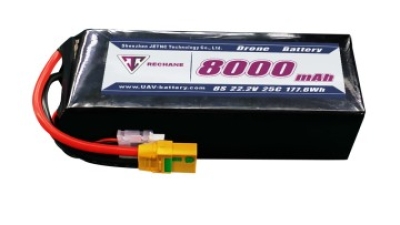
The JENTC Lipo Battery FPV 6s 8000mAh stands out in the drone industry as a powerful enabler of enhanced UAV performance. With its optimized design specifically for unmanned aerial vehicles, this battery provides a stable 22.2V output, crucial for maintaining steady flight performance and reliability during extensive operations. The impressive 8000mAh capacity allows users to extend their flight times significantly, making it an attractive choice for both recreational and professional drone enthusiasts looking to maximize their aerial capabilities.
In addition to its impressive specs, the JENTC FPV battery also boasts essential industry certifications, including RoHS, CE, and FCC, which ensure that it meets rigorous safety and performance standards. This aspect is particularly important for users who prioritize not just performance but also safety regulations in their operations. Furthermore, the battery's compatibility with consumer electronics presents opportunities for various applications, and the option for customizable branding and assembly makes it suitable for businesses looking to integrate high-quality power solutions into their offerings. This combination of performance, safety, and customization reinforces the JENTC FPV 6s 8000mAh battery’s position as a leading choice for enhancing UAV functionality in a competitive market.
: Accurately measuring battery state is crucial for optimizing device performance and extending its longevity. It allows for real-time assessment of battery health, helping to identify issues before they escalate.
The implementation of advanced battery management systems (BMS) that assess voltage, current, and temperature is an effective strategy for monitoring battery health.
Regularly calibrating your device’s battery gauge ensures accurate readings, helping to avoid unexpected shutdowns and maintaining optimal device performance.
It is recommended to avoid letting the battery discharge completely before recharging, instead charging at around 20-30% capacity. Keeping the battery between 20% and 80% charge can also help prevent degradation.
Charging environments, such as extreme temperatures, can accelerate wear on batteries. It's advisable to avoid exposing the battery to heat and to use official chargers instead of fast charging methods.
Signs of battery degradation include a noticeable decrease in battery life, inconsistent charging behavior, and physical changes such as swelling or bulging in the battery compartment.
If you notice overheating during use or charging, it may indicate internal damage. It's important to take immediate action, either by recalibrating the battery or seeking professional assistance for replacement or repair.
Machine learning algorithms can help in predicting battery life based on usage patterns, enhancing the overall user experience by allowing proactive battery management.
Monitoring battery cycles helps users determine when to replace the battery. Recognizing signs of wear and understanding the relationship between charge cycles and degradation empower users to make informed decisions.
You should consider battery replacement if you notice a significant decrease in battery life, inconsistent charging behavior, or physical damage to the battery. Early action can help maintain device functionality.
So, I recently read an article called "Understanding Battery State for Better Device Performance and Longer Lifespan," and honestly, it’s packed with useful tips. It dives into how we can more accurately keep track of our device’s battery health and shares some practical advice on how to get more life out of our batteries—stuff like charging habits that really make a difference. The article also stresses just how important it is to keep an eye on your battery's cycle count because it directly affects how well your device works over time. Plus, it points out the telltale signs of battery wear and tear, so you know when it’s time to do something about it. And hey, with all these cool software tools out there for real-time battery monitoring, users can really fine-tune performance and help their devices last longer.
At Shenzhen Jentc Technology Co., Ltd., we totally get how important it is to keep tabs on battery health—especially when it comes to our high-performance lithium batteries. Whether it’s our 4.4V high-voltage batteries or our fast-charging lithium options, all of our products are built to offer reliable power and help extend your device’s lifespan. We’re all about making sure our customers get the best out of their devices, with batteries you can trust.