When you're buying batteries, having clear and reliable Batteries Informationis a must. Honestly, understanding the specs and the different types out there can make a world of difference. It’s surprisingly easy to overlook details like capacity and voltage—things that are actually pretty important. A lot of folks assume All Batteries are the same, but that’s just not true, and that kind of thinking can really impact performance in a bad way.
Batteries come in all shapes and sizes, designed for different stuff—whether it’s powering your gadgets or your vehicle. Picking the right one isn’t just about guessing; you gotta do your homework. There are tons of options on the market, but not all of them are up to scratch quality-wise. Some batteries might run out fast or just stop working sooner than you'd expect. That unpredictability can be super frustrating.
Now, when I say quality, I don’t mean it’s just some vague thing—it actually shows in how well the battery performs. It’s worth sticking to trusted brands and reading reviews to see what others are saying about their durability and reliability. Also, building good relationships with legit suppliers can save you a lot of headaches. Sadly, misleading info spreads easily, so it’s best to stick with trustworthy sources for your Batteries Information. Better to take your time and make an informed choice than rush into something that might disappoint you later on.

Understanding Battery Types: A Guide for Buyers
When exploring Battery Types, it's essential to understand the basics. Different batteries serve various purposes. Common types include alkaline, lithium-ion, and nickel-metal hydride. Each type has unique characteristics that affect performance, lifespan, and cost.
Alkaline batteries are popular for everyday devices. They are affordable and widely available. However, they have a shorter lifespan compared to rechargeable alternatives. Lithium-ion batteries are often found in phones and laptops. They offer a high energy density but can degrade over time, especially if overcharged. Nickel-metal hydride batteries are favored for hybrid vehicles and cameras due to their reliability.
Choosing the right battery involves more than just cost. It's crucial to consider the application and expected usage. Some users may overlook how temperature impacts battery performance. In cold conditions, battery efficiency can significantly drop. Reflecting on these details can lead to more informed decisions. Understanding battery types helps buyers select the best option for their needs.
Key Specifications to Look for When Buying Batteries
When considering battery purchases, understanding specifications is crucial. Battery capacity is one of the key aspects. Measured in milliamp hours (mAh), it indicates how much energy a battery can store. Higher capacity means longer usage times. However, a battery with high capacity may also be heavier and bulkier. Balancing weight and capacity can be tricky.
Another essential factor is the discharge rate. This rate, expressed in C-ratings, affects how quickly a battery can deliver energy. Higher discharge rates are necessary for high-performance devices. But using a battery with a discharge rate too low can lead to poor performance or even damage. Buyers must think critically about their usage needs.
Don't overlook safety features. Batteries with built-in protection circuits offer safeguards against overcharging and short-circuiting. Familiarizing yourself with Lipo Battery Information can help in this aspect. Always check for certifications and ratings that indicate reliability. Researching and reflecting on these details helps in making informed decisions, ultimately ensuring you select a battery that meets your demands without compromising safety.
Battery Specifications Comparison
This chart compares key specifications of different battery types, including Lithium-Ion, Nickel-Metal Hydride, and Lead-Acid batteries. Important criteria include battery capacity (mAh), maximum discharge rate (A), cycle life, and charging time (in hours).
Evaluating Battery Capacity: What Does It Mean?
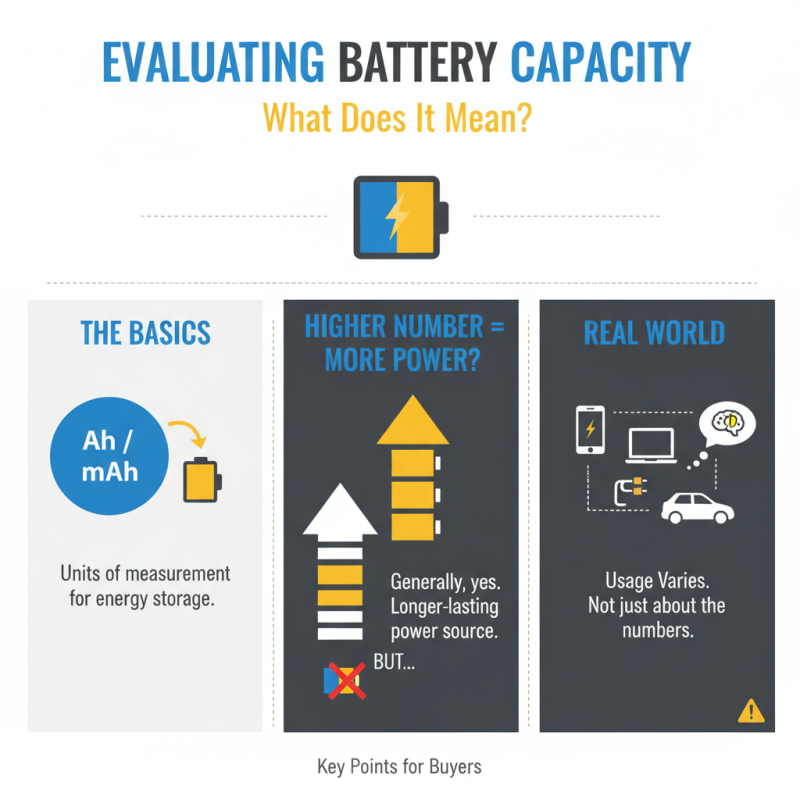
Evaluating battery capacity is crucial for buyers. Capacity is measured in amp-hours (Ah) or milliamp-hours (mAh). These figures indicate how much energy a battery can store. A higher number generally means a longer-lasting power source. However, it's essential not to rely solely on this metric. Real-world usage can differ significantly from theoretical capacity.
For example, extreme temperatures can reduce effectiveness. Car batteries often underperform in colder climates. This phenomenon might leave drivers with unexpected dead batteries. Buyers should consider their local climate when selecting batteries, especially car batteries. Choosing a suitable capacity ensures reliability. Sometimes, a smaller capacity can be sufficient, depending on usage.
Look beyond capacity to understand battery quality. Cycle life is another critical factor. This number represents the total charge and discharge cycles a battery can endure before it significantly degrades. Quality manufacturers often provide this information, which can guide informed decisions. Despite this, misinformation can lead to poor choices. Always verify data with trusted sources. Evaluating battery capacity and quality requires careful thought and reflection for smart purchasing decisions.
The Importance of Battery Lifespan in Your Purchase Decision
When considering a battery purchase, lifespan is crucial. It directly impacts your device's performance and value. A longer-lasting battery means fewer replacements and devices that work better. Look into the typical lifespan of the battery type you are considering.
One key tip is to research the average lifespan of batteries in your chosen category. Check reviews and user experiences to gather solid data. You might find that some batteries perform well initially but degrade quickly. Others may sound great but have inconsistent reports.
It’s essential to evaluate your usage patterns. Heavy users may find shorter lifespans unacceptable, while light users might be fine with less durable options. Don't overlook warranty lengths, either. A longer warranty often indicates confidence in the product's lifespan.
Reflect on how you use your devices daily. Do you rely on them for work or entertainment? Understanding your needs will guide you in making an informed decision. Always think critically about the balance between price and longevity.
Safety Considerations When Choosing Batteries
When selecting batteries, safety should always be a priority. Understanding the chemistry of batteries is important. Different types pose various risks. For instance, lithium batteries are commonly used but can be volatile. Proper handling is crucial to avoid accidents.
Look for certifications that ensure safety standards are met. Often, reliable batteries will have undergone rigorous testing. It’s wise to check reviews and seek expert opinions. Users of 2s Lipo Rc Car Batteries often discuss their experiences online. A deeper look into these forums can reveal potential hazards, leading to informed decisions.
Additionally, consider battery storage and usage conditions. Incorrect environments can lead to battery degradation or failures. Keep batteries cool and dry. Avoid punctures or extreme temperatures. Regularly inspect for any signs of damage. With careful consideration, you can ensure a safer experience when choosing batteries.
What You Need to Know About Battery Information for Buyers? - Safety Considerations When Choosing Batteries
| Battery Type | Voltage (V) | Capacity (mAh) | Chemistry | Safety Features |
| Lithium-Ion | 3.7 | 2000 | Lithium Cobalt Oxide | Overcharge Protection |
| Nickel-Metal Hydride | 1.2 | 1800 | Nickel Hydroxide | Thermal Fuses |
| Lead Acid | 12 | 7000 | Lead Dioxide | Vent Caps |
| Lithium Polymer | 3.7 | 1500 | Lithium Polymer | Short Circuit Protection |
Best Practices for Battery Maintenance and Storage
Proper battery maintenance is essential for maximizing performance and lifespan. Store batteries in cool, dry places away from heat sources. Extreme temperatures can cause irreversible damage. For instance, Short-Range Drone Batteries should not be left in hot vehicles or near windows. Regularly check battery levels to avoid deep discharges, which can negatively affect capacity.
One common mistake is overcharging. This can lead to overheating and reduced battery life. It's crucial to use the right charger. Always follow manufacturer guidelines for charging times and methods. Consider marking your battery storage area with clear labels to avoid mix-ups.
When not in use, disconnect batteries from devices. Keeping them connected can drain power faster than expected. Inspect them periodically for signs of corrosion or swelling. Addressing these issues early can prevent more significant problems. Relying on a routine checklist can help ensure that you stay on top of maintenance tasks. Taking these steps will lead to better performance in your short-range drone batteries.
Emerging Technologies in Battery Production and Their Impact
Emerging technologies in battery production are reshaping the energy landscape. Innovations such as solid-state batteries and lithium-sulfur technologies are gaining traction. According to a report from MarketsandMarkets, the solid-state battery market is projected to reach $6.5 billion by 2027, reflecting significant investment in safer, more efficient energy storage solutions. These advancements promise higher energy densities and improved safety compared to traditional lithium-ion batteries.
As these technologies evolve, they may also reduce costs. The International Energy Agency forecasts that battery prices could drop by 60% by 2030, driven by economies of scale and new production methods. It's an exhilarating time for consumers eager to adopt greener energy solutions, yet challenges remain. Not all emerging technologies are ready for large-scale production, and regulatory hurdles might slow progress.
Tips: Stay informed about the latest developments. Research battery types before making a purchase. Understand performance metrics like energy density and cycle life. Not every new technology is suitable for all applications; consider your specific needs.
Exploring the Benefits of JENTC Lipo Battery: The Ideal Power Solution for Your 6s FPV Drone
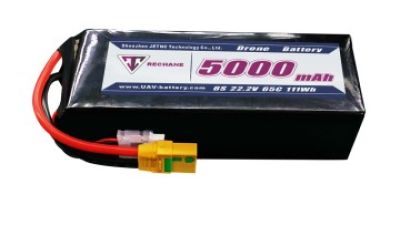
When it comes to enhancing the performance of your 6s FPV drone, selecting the right power solution is crucial. The JENTC 6s 5000mAh 65C lipo battery stands out as an exceptional choice for UAV applications. With a stable output of 22.2V, this battery provides the reliability needed for both amateur and professional drone pilots. Its robust design ensures that you can achieve longer flight times while maintaining optimal performance, making it an ideal companion for exciting aerial adventures.
Safety and compliance are essential factors to consider when choosing a battery. This lithium polymer battery meets critical safety certifications, including RoHS, CE, and FCC, ensuring that it adheres to stringent quality standards. Additionally, it offers customizable logo and packaging options, allowing users to tailor the product according to their branding needs. This flexibility makes it a perfect fit not only for individual users but also for businesses and events requiring promotional items or specific branding solutions. Choosing a high-quality battery like this one can significantly enhance the overall drone flying experience, unleashing the full potential of your equipment.
FAQS
: Battery capacity is measured in milliamp hours (mAh) or amp hours (Ah).
Higher capacity means longer usage times. It also indicates how much energy a battery can store.
Yes, high-capacity batteries may be heavier and bulkier, making them less convenient.
The discharge rate, expressed in C-ratings, indicates how quickly a battery delivers energy.
A higher discharge rate is crucial for high-performance devices. Low rates can cause poor performance or damage.
Safety features like built-in protection circuits prevent overcharging and short-circuiting.
Always review certifications and ratings to ensure the battery is reliable.
Extreme temperatures can reduce effectiveness, particularly in car batteries during cold weather.
Cycle life indicates how many charge and discharge cycles a battery can undergo before degradation occurs.
Relying on false data can lead to poor decisions, so always verify details with trusted sources.
Conclusion
When considering battery purchases, it's crucial to understand various aspects of battery information. This includes familiarizing yourself with different battery types, such as lithium-ion and alkaline, and knowing the key specifications to look for, which can influence performance and compatibility. Evaluating battery capacity is essential as it determines how long a battery can power a device, while the lifespan of the battery plays a significant role in overall value.
Moreover, safety considerations should not be overlooked; understanding proper usage and storage can mitigate risks. Implementing best practices for battery maintenance ensures longevity, and staying informed about emerging technologies in battery production can provide insights into future developments and improvements. By comprehensively assessing these elements of battery information, buyers can make informed decisions that best suit their needs.