In the fast-changing world of drone tech, picking the right battery is a pretty big deal—seriously, it can make or break your flying experience. If you’re into drones in 2023, then knowing about the 6V Drone Batteries is a must. Whether you're just getting started or you’re a pro, understanding your options helps a lot. Shenzhen Jentc Technology Co., Ltd., founded back in 2011, has really made a name for itself when it comes to high-quality lithium batteries. They’ve got a whole range of products, from 4.4V high-voltage batteries to quick-charging lithium options, all designed to keep your drone powered up and ready to go. In this post, I’ll walk you through the seven best 6V drone batteries out there—these picks are sure to give your flights a boost and keep you soaring smoothly without any hiccups.
Top Considerations When Choosing a 6v Drone Battery for Optimal Performance
When you're choosing a 6v Drone Battery to get the best performance, there are a few key things you really want to keep in mind. First off, battery capacity is a big deal—bigger capacity usually means longer flight times, which is awesome if you want to make the most out of your aerial work without constantly landing to swap batteries. On top of that, the discharge rate is super important too. Batteries that can handle a higher discharge rate are better suited for those demanding tasks, like UAV photogrammetry or active imaging—you know, the stuff that's getting really popular in land surveying and building planning these days.
Oh, and don’t forget about the weight and size of the battery. Lighter batteries can really boost your drone’s flight efficiency, especially during those long flights or tricky maneuvers. Thanks to advancements in tech, like lithium polymer (LiPo) batteries, energy density has improved quite a bit, so you get more power without adding extra weight. Pairing those batteries with modern innovations like BLDC motor drives can really take your drone’s performance to the next level. So yeah, these little details are pretty important if you want your flying experience to be smooth and effective.
Comparative Review of the Leading 6v Drone Battery Brands in 2023
When it comes to getting the best out of your drone, picking the right battery is a total game-changer. In 2023, everyone’s been gushing over reliable 6V drone batteries — whether you're just flying for fun or doing professional work, having a battery you can count on for continuous flight is a must. It’s pretty clear from industry reports that batteries with a higher discharge rate can really give you more flight time — which is a big deal, especially when you’re trying to nail that perfect shot or hold that position in tricky situations.
A bunch of top brands have popped up lately, showcasing cool tech that’s totally in tune with what users want.
From what we’ve seen in our review of the top 6V drone batteries, capacity and weight are *huge* factors when it comes to overall drone performance. The batteries that seem to work best are those that are lightweight but pack a punch with high-capacity cells—think longer flights without sacrificing the drone’s nimbleness.
Data shows that batteries with at least 2000mAh usually hit the sweet spot, giving you more time in the air to do your thing. And let’s not forget, quick-charging features and durability in different weather conditions have become must-haves. You want reliable gear that keeps going without hiccups, no matter what environment you're flying in.
Understanding Battery Chemistry: Life Expectancy and Discharge Rates
When you're choosing a 6V drone battery, it’s pretty important to get a good grip on the different types of battery chemistry out there. Knowing whether you’re dealing with Nickel-Metal Hydride (NiMH) or Lithium Polymer (LiPo) batteries can actually make a big difference in how your flight goes. For instance, NiMH batteries tend to last longer — you might get up to about 1,000 charging cycles out of them. But here’s the catch: they’re usually bulkier and heavier because they have a lower energy density. On the flip side, LiPo batteries pack more punch — with energy densities reaching up to around 150Wh/kg — but they can wear out faster if you’re not careful with how you handle them. That’s why it’s super important to understand their discharge rates. In fact, a study from the International Journal of Energy Research mentions that keeping your discharge levels in check can actually boost the battery’s lifespan by about 25%. So, a quick tip — regularly check your battery’s voltage and keep an eye on charge cycles. Avoid over-discharging, which can cut your battery’s life short. Most LiPo batteries do best when they’re discharged down to around 3.5V per cell. Another thing to remember is temperature — it’s a big deal. Batteries tend to lose as much as 20% of their efficiency if used in extreme cold or heat, like below 20°F (-6°C) or above 120°F (49°C). The Battery University reports that the sweet spot for running these batteries is somewhere between 68°F (20°C) and 75°F (24°C). So, if you’re flying in colder weather, consider investing in insulated battery cases — it helps keep things nice and cozy for your batteries and makes sure they perform at their best.
7 Best 6v Drone Battery Options for Uninterrupted Flight Performance in 2023
| Battery Type | Capacity (mAh) | Voltage (V) | Life Expectancy (Cycles) | Discharge Rate (C) |
| LiPo | 3000 | 6 | 300 | 30 |
| NiMH | 2500 | 6 | 500 | 20 |
| LiFePO4 | 4000 | 6 | 2000 | 15 |
| Lead Acid | 5000 | 6 | 300 | 10 |
| LTO (Lithium Titanate) | 3500 | 6 | 5000 | 30 |
| NiCd | 2300 | 6 | 1000 | 15 |
| LIPO (High-Discharge) | 5000 | 6 | 250 | 40 |
Key Features That Enhance Drone Flight Time and Reliability
When it comes to making your drone fly longer and perform more reliably, choosing the right battery is a total game-changer. The market honestly has tons of 6V battery options, each designed to fit different drone needs, so you can get that smooth, uninterrupted flight. Features like high energy density, lightweight build, and smart battery management can really boost how long your drone stays in the air. That’s why these batteries are a must-have—whether you're out there capturing stunning photos for fun or doing more serious stuff like inspecting bridges and infrastructure.
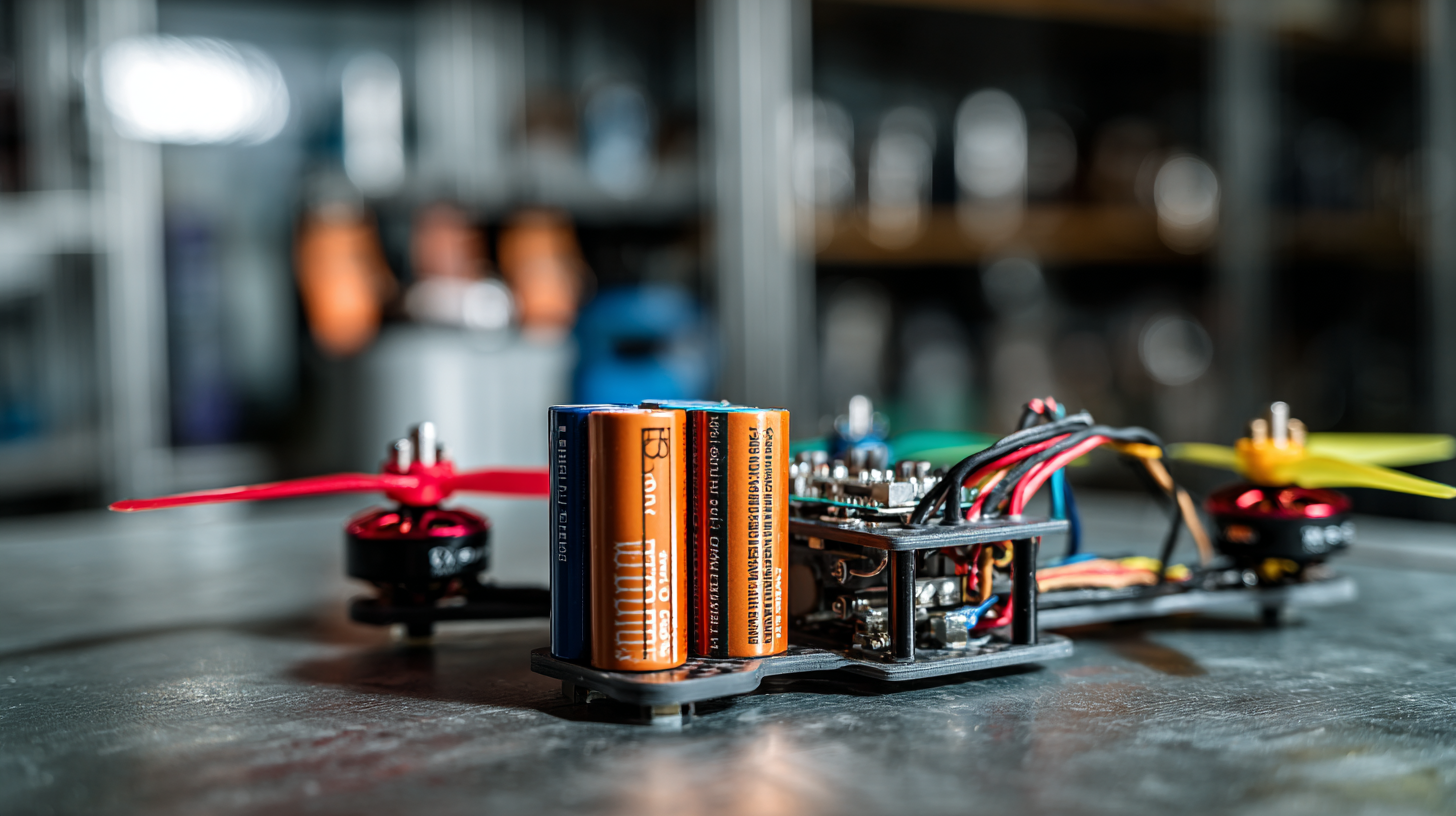
As drone tech keeps evolving, especially with cool new uses in highway construction and maintenance, a dependable battery isn’t just nice to have – it’s essential. Imagine workers using drones with solid batteries for real-time surveys and checkups; it boosts both productivity and safety. Plus, with the drone delivery scene expected to skyrocket in the near future, having batteries that won’t let you down is crucial for keeping up with demand and avoiding downtime. Just make sure the battery you pick lines up with what your drone needs—so it performs consistently, whether you’re flying for fun or working on big commercial projects.
Maintenance Tips to Extend the Lifespan of Your 6v Drone Battery
Taking good care of your 6v drone battery is super important if you want it to perform well and last longer. One simple tip is to keep the battery charged somewhere in the middle—avoiding letting it totally die or stay fully charged all the time. Honestly, I’d say try to keep it between around 20% and 80% when you're just flying around. Leaving it drained for ages isn’t great either, so it’s best to check the voltage now and then—that way, you get a good sense of how healthy it is.
Another thing that often gets overlooked but really helps is how you store your batteries. Keep them in a cool, dry spot—nothing too hot or cold, just normal room temperature usually works best. And make sure you’re charging it with the right charger—using something incompatible can mess things up, either by overcharging or not charging enough. Oh, and a quick tip—consider calibrating the battery every now and then. It helps your drone's battery indicator stay accurate, so you don’t get caught off guard mid-flight. Following these simple steps can really extend the life of your battery and keep your drone running smoothly. Trust me, small things like this make a big difference!
User Experiences: Real-World Performance Feedback on 6v Drone Batteries
When you're trying to pick out the right 6V drone battery, hearing from other users can really give you a good sense of how things perform in the real world. Lots of folks have shared that some batteries just seem to last longer and stay reliable while you're flying around. For example, several drone fans mentioned that battery capacity is a big deal—bigger capacity usually means longer flights and better overall efficiency. Basically, you get more time up in the air and less waiting around between runs.
Another thing to keep in mind is the weight of the battery. From what many pilots have said, a lighter battery can make a pretty big difference in how agile and stable your drone feels. Going for a more compact design isn’t just about saving weight; it also cuts down on drag and makes those tricky maneuvers a lot easier.
If you're serious about squeezing every bit of performance out of your drone, a good tip is to keep an eye on the battery’s temperature while you're flying. Overheating can really hurt both how well the battery works and how long it lasts. Staying within safe temperature ranges helps everything run smoothly, so your flights stay uninterrupted. Oh, and don’t forget—regularly checking your battery and keeping the terminals clean can go a long way. Seasoned drone guys swear by it for keeping the battery in good shape over time.
Maximize Your Drone's Performance with the JENTC LI-HV 12s 22000mah 10c Semi-Solid State Battery
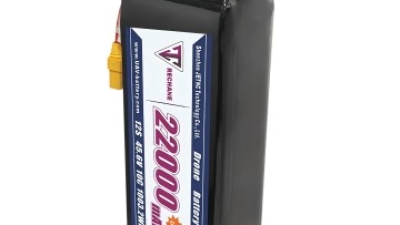
Maximizing drone performance requires careful selection of components, and one of the most critical elements is the power source. The JENTC LI-HV 12s 22000mAh 10C semi-solid state battery is an excellent option for drone enthusiasts looking to enhance their aerial capabilities. With an impressive capacity of 22000mAh and a voltage of 44.4V, this battery provides robust and reliable power that significantly extends flight time while maintaining optimal performance under various conditions.
What sets the JENTC battery apart is its semi-solid state technology, which ensures better energy density and safety compared to traditional lithium batteries. It meets international safety and quality standards including RoHS, CE, and FCC certifications, giving users peace of mind. Additionally, with a warranty spanning from three months to one year, users can trust in its durability for extended drone operations. This battery is particularly suitable for a range of drone applications, making it a versatile choice for both hobbyists and professionals looking to push the limits of their aerial vehicles.
Investing in the JENTC LI-HV battery is not just a power decision; it is a strategic move to elevate your drone's overall performance. Whether you're capturing breathtaking aerial footage or participating in competitive racing, this battery guarantees long-lasting energy, allowing you to focus on what you do best – flying.
FAQS
: Key factors include battery capacity for longer flight times, discharge rate for power delivery in demanding applications, weight and size for flight efficiency, and compatibility with battery technologies like LiPo and BLDC motors.
To extend its lifespan, always keep the battery charged between 20% and 80%, store it in a cool, dry place, use the appropriate charger, and periodically calibrate it to ensure accurate charge readings.
Regularly check voltage levels, avoid complete discharge, do not leave the battery uncharged for long periods, and ensure proper storage conditions to maintain battery health.
A lighter battery enhances flight agility and stability, reduces drag, and allows for easier maneuverability during complex aerial tasks.
Higher capacity batteries provide longer flight times and better efficiency, resulting in less downtime between flights and more time for aerial activities.
Users have highlighted that certain batteries offer improved longevity, reliability, and better performance when considering capacity and weight, leading to enhanced overall flying experiences.
Regularly monitor battery temperature to prevent overheating, perform maintenance checks, and keep battery terminals clean to sustain health and performance.
Using an incompatible charger can lead to overcharging or undercharging, both of which can be detrimental to the battery's health and performance.
Calibrating the battery ensures the drone accurately reads the remaining charge, helping to prevent unexpected shutdowns during flight.
Conclusion
In the fast-changing world of drones, picking the right 6V drone battery is honestly pretty important if you want your flights to go smoothly without any hiccups. In this post, I’ll walk you through some of the main things to think about when choosing a battery — like the type of chemistry it uses, how long it tends to last, and how fast it discharges. I’ve also included a quick comparison of the top brands for 2023, so you can get a sense of what’s out there. Plus, I’ll share some tips on taking care of your batteries to make them last longer and perform more reliably.
Throughout the article, I’ve included real experiences from drone enthusiasts, so you get an idea of how these batteries actually perform in the real world. If you’re thinking about upgrading, Shenzhen Jentc Technology Co., Ltd. really stands out with their high-quality lithium batteries — a great option if you want to take your drone game to the next level.