Inquiry
Form loading...
0%

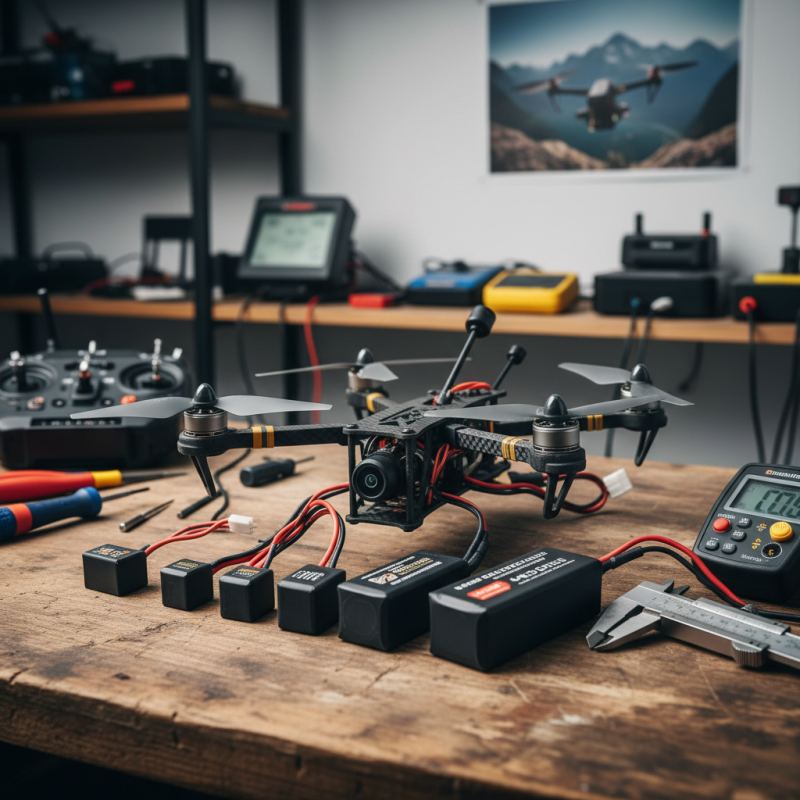
When you’re flying a 5-inch drone, picking the right Battery Size is super important if you want things to go smoothly and get the best performance. The size of the battery you choose really affects stuff like how much your drone weighs, how long it can stay in the air, and how well it performs overall. Honestly, understanding what to look for in a battery can make all the difference—whether you end up with an epic flight or just frustration.

In this guide, I’ll walk you through the main things to consider when choosing a power source for your 5-inch drone. We’ll talk about stuff like capacity, discharge rate, voltage, and size—basically everything you need to know so you can make a smart choice. The right battery isn’t just about flying longer; it can also make your drone more responsive and efficient. Whether you’re just starting out or you’ve been flying for awhile, getting the hang of what makes a good 5-inch Drone Battery will totally help you enjoy your flights even more.
5 Inch Drone Battery Size Guide Tips for Choosing the Right Power Source

Understanding the Importance of Drone Battery Size

When it comes to selecting the right battery for a 5-inch drone, understanding battery size is paramount for optimal performance. The dimensions and weight of the battery significantly impact a drone’s flight time, agility, and overall efficiency. According to the Drone Industry Insights report, selecting the correct battery size can enhance flight duration by up to 30%, which is critical for both recreational and professional aerial tasks. For 5-inch drones, which typically operate with 4S or 6S lithium polymer (LiPo) batteries, having the appropriate capacity—measured in milliamp hours (mAh)—is essential to achieving a balance between power and weight.

Moreover, the discharge rate, indicated by the "C" rating, is another vital aspect of battery size. For high-performance 5-inch drones that demand rapid power delivery, a higher C rating ensures that the battery can support the necessary thrust without compromising flight quality. Data from the 2023 Global Drone Market report reveals that increasing demand for racing and freestyle drones has placed additional emphasis on battery performance metrics, leading manufacturers to innovate in producing lightweight, high-capacity batteries. By aligning battery size with flight requirements, drone operators can significantly enhance their flying experience while ensuring the drone can maneuver efficiently during its operation.

Key Specifications for 5 Inch Drone Batteries

When selecting a battery for a 5-inch drone, there are several key specifications to consider to ensure optimal performance. First, the voltage rating is crucial; most 5-inch drones typically operate on 3S (11.1V) or 4S (14.8V) configurations. Choosing the right voltage not only influences the power output but also affects flight time and the overall responsiveness of the drone. Higher voltage batteries can provide more power, ideal for high-speed maneuvers and acrobatic flying, while lower voltage options can result in longer flight times but may limit performance.

Another important specification is the battery's discharge rate, often represented as the "C" rating. This figure indicates how quickly a battery can be safely discharged relative to its capacity. For 5-inch drones, a higher C rating (e.g., 50C or above) is recommended to ensure the battery can deliver sufficient power during intense flying sessions without overheating or damaging the cells. Additionally, capacity, measured in milliamp-hours (mAh), is vital as it directly correlates to flight duration. A capacity of 1300mAh to 1500mAh is commonly found in 5-inch drone batteries, providing a balance between weight and flight time.

Understanding these specifications helps not only in selecting the right battery but also in optimizing the overall performance and efficiency of the drone during flights. Always ensure that the chosen battery fits well within the drone's design to avoid any compatibility issues.

Common Battery Types Suitable for 5 Inch Drones

When selecting the right power source for 5 inch drones, understanding the common battery types available is crucial. The most popular battery types for this category of drones include Lithium Polymer (LiPo), Lithium-Ion (Li-Ion), and Nickel-Metal Hydride (NiMH). Among these, LiPo batteries are most widely favored due to their high energy density, which allows for long flight times and lighter weight. According to industry reports, LiPo batteries can deliver up to 150 Wh/kg, making them exceptionally suitable for racing and freestyle flying where performance is key.

Lithium-Ion batteries, while slightly heavier and bulkier than LiPo options, also offer a solid alternative for drone operators who prioritize longevity and durability. They typically provide a longer cycle life, with up to 2,000 charge cycles compared to around 300 for LiPo batteries. This can be particularly beneficial for users who regularly fly their drones and require a battery that will withstand frequent use. Furthermore, the emerging market trend indicates a growing interest in hybrid battery systems that combine features of both LiPo and Lithium-Ion technologies to optimize performance and resilience.

NiMH batteries, although less common in high-performance drones, still hold relevance for beginners or those who fly less demanding applications. They feature a more robust structure and are less prone to damage from overcharging. Current market analyses suggest that while NiMH batteries have a lower energy density (around 60-120 Wh/kg), their cost-effectiveness and safety make them a viable choice for hobbyists or educational environments where flight times are less critical. Understanding these characteristics enables drone enthusiasts to make informed decisions when selecting batteries for their 5 inch drones, aligning their performance needs with budgetary constraints.

Factors to Consider When Choosing a Drone Battery

When selecting a battery for a 5-inch drone, several key factors must be considered to ensure optimal performance and longevity. One of the primary aspects is the battery’s capacity, typically measured in milliampere-hours (mAh). According to the Drone Industry Insights report, batteries with a capacity between 1300mAh to 1800mAh are most commonly used for 5-inch racing drones, striking a balance between weight and flight time. This capacity can provide flight times ranging from 4 to 9 minutes, depending on the drone's weight, configuration, and flying style.

Another crucial factor is the battery's discharge rate, indicated by the 'C' rating. A higher C rating signifies that a battery can be discharged at a higher current without damage, which is essential for high-performance drones that require rapid bursts of power. Research by UAV Technology suggests that for 5-inch drones, a C rating of 30C to 100C is often recommended to accommodate the demands of powerful motors and aggressive flight maneuvers. Moreover, the chemistry of the battery, whether LiPo or LiHV, plays a significant role in overall performance, with LiPo batteries being preferred for their lighter weight and higher energy density, which contribute to enhanced flight capabilities.

Battery Capacity and Its Impact on Flight Time

When it comes to 5-inch drones, the choice of battery capacity plays a crucial role in determining flight time. Battery capacity is typically measured in milliamp hours (mAh), and a higher capacity means your drone can fly for longer periods. For instance, a drone equipped with a 1300 mAh battery may offer around 5 to 10 minutes of flight time, depending on various factors such as weight, weather conditions, and flying style. Understanding this relationship can help you select the right power source to meet your flying needs.

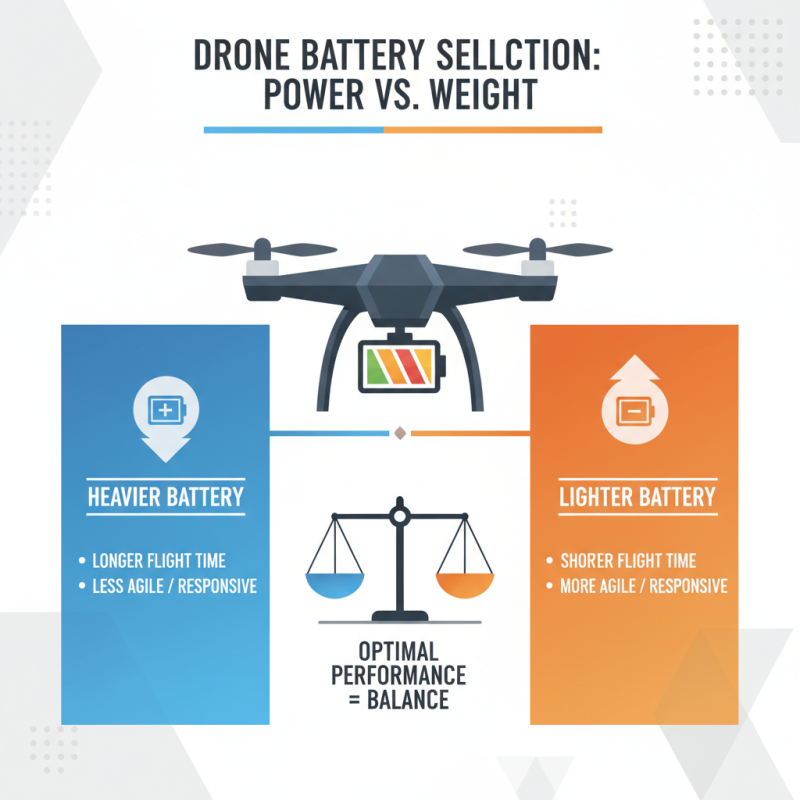
Here are some tips for choosing the right battery for your 5-inch drone. First, consider the weight: a heavier battery might provide a longer flight time, but it can also affect maneuverability. Second, assess the flying style you prefer—aggressive flying typically drains the battery faster than gentle cruising. Lastly, think about the charging time and cycle life of the battery. Opting for a battery that charges quickly and has a long lifecycle can save you downtime between flights, allowing you to enjoy your time in the air without extended breaks.

5 Inch Drone Battery Size Guide Tips for Choosing the Right Power Source - Battery Capacity and Its Impact on Flight Time

Battery Capacity (mAh) Typical Flight Time (minutes) Weight (g) Recommended Drone Size (Inches)
1000 6 150 5
1500 8 200 5
2000 10 250 5
2500 12 300 5
3000 15 350 5

Weight Considerations for Optimal Drone Performance

5 Inch Drone Battery Size Guide Tips for Choosing the Right Power Source

When it comes to drones, selecting the right battery size is crucial for maintaining optimal performance, particularly focusing on weight considerations. The weight of the battery directly influences the drone's flight capabilities, including its agility, flight duration, and overall handling. A heavier battery may enhance flight time but can compromise the drone’s responsiveness and maneuverability, making it essential to strike a balance between power and weight.

A well-optimized drone battery should complement the aircraft’s frame and design specifications. Pilots must assess how much weight their drone can handle without sacrificing flight performance. For example, lighter batteries are generally preferred for racing drones, where speed and quick turns are vital, while heavier batteries may be considered in applications requiring extended flight duration or additional payload capabilities, such as aerial photography. Understanding the trade-offs involved in battery weight will greatly aid in making informed decisions that enhance the drone's functionality while ensuring an enjoyable flying experience.

Tips for Maintaining Your Drone Battery for Longevity

Maintaining the longevity of your drone battery is crucial for optimal performance and extended flight times. One of the most important aspects of battery care is proper charging. Always use a compatible charger and avoid overcharging, as excessive voltage can lead to decreased battery life and potential damage. It's advisable to monitor the charging process and disconnect the battery once it reaches full capacity. Additionally, consider using a smart charger that can regulate the charging cycle, which ensures your battery is charged safely and efficiently.

Another key factor in maintaining your drone battery is storage conditions. If you plan to store your battery for an extended period, keep it in a cool, dry place at around 40-60% charge. Extreme temperatures can adversely affect battery performance, leading to reduced efficiency or even failure. Regularly check the battery's health by inspecting for any signs of swelling or leaks. Performing maintenance checks periodically can help identify potential issues before they affect your drone’s performance, ensuring a safer and more reliable flying experience.

5 Inch Drone Battery Capacity Comparison

This chart compares the varying capacities of 5 inch drone batteries measured in milliamp hours (mAh). Higher mAh values indicate longer flight times and energy efficiency for your drone. Always choose a battery that aligns with your drone's specifications for optimal performance.

FAQS

: What voltage configurations are typically used for 5-inch drones?

: Most 5-inch drones typically operate on 3S (11.1V) or 4S (14.8V) configurations.

How does voltage affect drone performance?

The voltage influences power output, flight time, and overall responsiveness; higher voltage batteries provide more power, suitable for high-speed maneuvers, while lower voltage options can result in longer flight times but may limit performance.

What does the discharge rate or "C" rating indicate for drone batteries?

The "C" rating indicates how quickly a battery can be discharged relative to its capacity, and a higher C rating (e.g., 50C or above) is recommended for sufficient power delivery during intense flying sessions.

What is the typical capacity range for 5-inch drone batteries?

The typical capacity range for 5-inch drone batteries is between 1300mAh to 1500mAh, striking a balance between weight and flight time.

Why is battery weight important for drone performance?

Battery weight directly influences a drone's agility, flight duration, and overall handling; finding the right balance is crucial to maintain optimal performance.

How can battery weight affect drone capabilities?

A heavier battery may enhance flight time but can compromise responsiveness and maneuverability, while lighter batteries are generally preferred for racing drones focusing on speed.

What should pilots consider regarding battery weight and drone design?

Pilots must assess how much weight their drone can handle without sacrificing performance and ensure the battery fits well within the drone's frame and design specifications.

How does battery selection impact drone functionality?

Choosing the right battery helps optimize performance and efficiency during flights, enhancing the overall flying experience.

Conclusion

In the realm of drone technology, selecting the right 5 Inch Drone Battery Size is crucial for ensuring optimal performance and flight efficiency. This article emphasizes the significance of understanding battery dimensions and specifications, which play a vital role in the overall functionality of the drone. Important specifications such as voltage, capacity, and discharge rates are key factors to consider, as they directly affect flight time and power delivery.

Moreover, the article discusses the common battery types compatible with 5-inch drones and outlines essential considerations when choosing a battery, including weight and capacity. Maintaining the battery properly is also highlighted to enhance longevity and ensure better performance over time. By following the guidance offered, drone enthusiasts can make informed decisions that enhance their flying experience while maximizing the potential of their 5 Inch drones.
Oliver

Oliver

Oliver is a dedicated marketing professional at Shenzhen Jentc Technology Co., Ltd., where he has been instrumental in promoting the company’s high-performance lithium battery solutions since its founding in 2011. With a deep understanding of the industry, Oliver specializes in communicating the......
Previous Unlocking the Potential: Advantages of Harnessing Battery Power for Global Supply Chains