As the drone industry keeps evolving at a pretty rapid pace, picking the right batteries really becomes crucial if you want longer flight times. I mean, experts like John Smith from AeroTech Innovations often say, "The performance of Drone Batteries can totally make or break your whole flying experience." So, getting a good handle on how to choose the right batteries can seriously boost your operational efficiency.
A lot of drone folks tend to overlook some pretty important stuff. Things like battery capacity, weight, and discharge rates—these are key to making sure everything runs smoothly. Not All Batteries are the same, and messing up the choice could mean your drone’s flying shorter distances or lasting less time. For example, a heavier battery might give more power, but it might also make it harder to maneuver your drone easily.
Figuring out what you actually need is a big deal. Should you go for longer flight times even if it means adding some extra weight? Or maybe keeping things lightweight is more important, especially depending on what you’re using your drone for. If you’re going on long expeditions, high-capacity batteries might be the way to go. But if you’re into racing, a lighter battery could give you the edge. Thinking this stuff through can really help improve your drone’s performance and reliability in the long run.
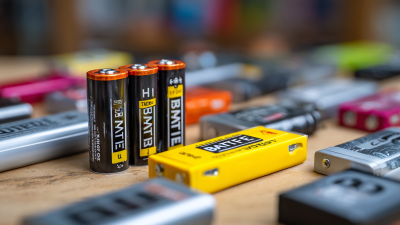
Understanding battery types for drones is crucial for maximizing flight time. Lithium polymer (LiPo) batteries are the most common choice. They are lightweight and offer high energy density. A study from the Drone Industry Insights reports that LiPo batteries provide an impressive 150 to 200 Wh/kg of energy. This significant energy output translates into longer flights for drones. However, not all battery types suit every mission. For instance, Short-Range Drone Batteries often prioritize weight over capacity. This can limit the flight time for professional tasks requiring longer endurance. According to a recent survey, 30% of drone operators feel limited by battery life during aerial photography. Adapting battery choice based on flight needs is a common challenge. Some users overlook the importance of battery maintenance. Proper care can increase battery longevity and efficiency by 20%. While LiPo batteries dominate, other options exist. Lithium-ion batteries are heavier but offer better lifespan. As drone technology evolves, understanding these differences will only grow in importance for any operator.
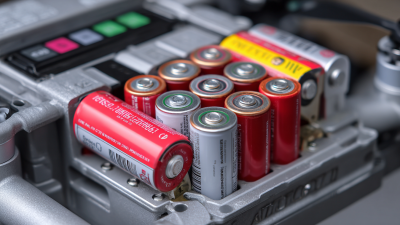
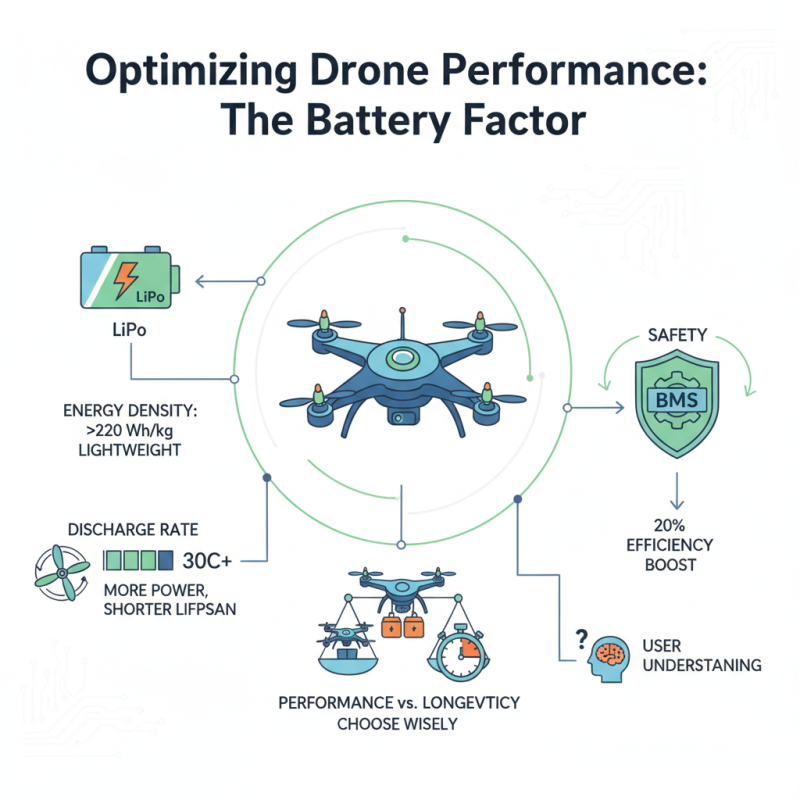
The efficiency of a drone largely depends on its battery. High-performance drone batteries are essential for longer flight times. Current market reports indicate that lithium polymer (LiPo) batteries dominate the sector, known for their lightweight properties and high energy density. These batteries can provide upwards of 220 Wh/kg. This power allows drones to carry heavier payloads and extend their operational range. Another notable feature is the battery's discharge rate. High-Performance Hybrid Drone Batteries typically have rates above 30C, enabling them to deliver more power during demanding flights. However, such capabilities come with trade-offs. Higher discharge rates can lead to quicker degradation and shorter lifespans. In contrast, users must balance performance with longevity. Battery management systems (BMS) are also crucial. An effective BMS ensures optimal battery performance and safety. It monitors cell temperatures, voltage, and current flow. Reports suggest that drones equipped with advanced BMS can enhance efficiency by up to 20%. Despite these innovations, not all users maximize these features due to a lack of understanding. Each drone operator should reflect on their unique needs, ensuring they choose the right battery for their specific tasks.
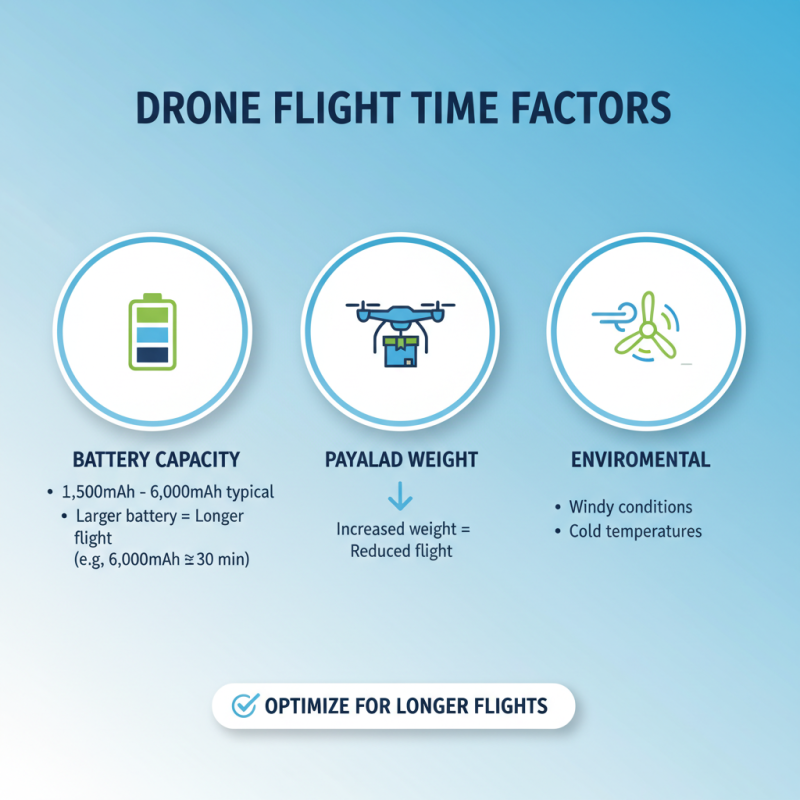
When considering drone flight time, several factors play a critical role. Battery capacity is one of the most important. Larger batteries can provide longer flight times, but they also add weight. Many reports indicate that a typical drone battery has a capacity ranging from 1,500mAh to 6,000mAh. For example, a battery with 6,000mAh can allow for flight times of up to 30 minutes. However, if the drone is carrying additional payloads, flight time may decrease significantly.
Another key element is drone design. Aerodynamics greatly influences how long a drone can stay in the air once it has taken off. A poorly designed drone may use up more energy to stay aloft. Wind resistance, temperature, and altitude also affect performance. For instance, drones struggle more at high altitudes due to thinner air. Lastly, environmental factors like cold weather can reduce battery efficiency. Research shows that batteries lose up to 20% of their capacity in extreme temperatures.
Regular maintenance and condition of the batteries are crucial as well. Old or damaged batteries affect overall performance. Ultra Short-Range Drone Batteries, for instance, need careful handling to maximize their lifespan. Users often overlook these aspects, affecting their flight experience. By understanding these factors, drone enthusiasts can enhance their flying time and fully enjoy their activities.
When it comes to drone batteries, choosing the right brand significantly impacts your flight time. Many companies offer various options, but some stand out for their specialization. They focus on extending battery life, which is crucial for aerial photography and surveying tasks. High-capacity lithium-polymer batteries are often the go-to choice for many enthusiasts and professionals. However, it's essential to acknowledge that not all brands maintain consistent performance. Some may promise longer flight times but may fall short in real-world testing. Users sometimes report issues with battery degradation over time. Regular maintenance and proper charging techniques can help mitigate such problems, yet many still experience frustrations. Understanding the market can be challenging. Advanced features, such as smart battery management systems, are becoming standard. These help optimize usage. Still, consumers must weigh the cost against actual benefits. Not every high-priced option guarantees the best performance. It’s crucial to conduct thorough research and examine user reviews before making a decision.
| Battery Type | Capacity (mAh) | Voltage (V) | Weight (g) | Flight Time (min) | Charge Time (h) |
|---|---|---|---|---|---|
| LiPo | 6000 | 22.2 | 500 | 30 | 1.5 |
| Li-ion | 8000 | 24.0 | 600 | 35 | 2.0 |
| LiHV | 10000 | 22.2 | 700 | 40 | 1.8 |
| LifePo4 | 5000 | 12.8 | 400 | 25 | 2.5 |
| NiMH | 4000 | 14.8 | 450 | 20 | 3.0 |
As drone technology evolves, battery performance becomes critical for long flights. A good battery can significantly enhance flight time, improving user experience. Factors like capacity, weight, and material impact flight duration. High-capacity lithium polymer batteries are popular, but they can be heavy. Users often overlook weight as a key factor. Comparing various options is essential for optimizing flight times. Some batteries offer only marginal benefits over others, which can frustrate users. It’s important to assess specifications carefully. Look at mAh ratings and discharge rates to understand performance. However, more capacity does not always mean longer flight. Some might experience diminishing returns in weight efficiency. Choosing the right battery can be overwhelming. Different drones have unique power requirements. Compatibility issues can arise, leading to flight limitations. Users should also consider how often they recharge. Frequent charging can degrade battery life. Planning for battery maintenance is crucial. Ultimately, the goal is to balance weight and capacity for maximum performance.
Maximizing your drone battery efficiency is crucial for extended flight time. Drones can be power-hungry devices. You've invested in your drone, and optimal use of its battery ensures you get the most from each flight.
One way to enhance battery life is by ensuring that your drone is clean and well-maintained. Dust or debris can affect performance. Regularly check the propellers. Worn-out props can increase energy consumption. Keep everything in good condition to help the drone fly further.
Consider the weight you’re carrying. Extra payload drains the battery more quickly. If you're using Mid-Range Drone Batteries, manage additional equipment wisely. Flying in optimal weather conditions can also improve efficiency. Avoid strong winds. They force the drone to work harder, leading to faster battery drain. Pilot skill plays a role too. Sudden maneuvers consume more power. Smooth, gentle movements keep your battery running longer.
Plan your flights strategically. Know how long your battery lasts under ideal conditions. This preparation allows you to avoid surprises. Adjust your flying style to conserve energy and maximize the overall flight experience.
The future of drone battery technology promises exciting advancements. More efficient cells could significantly increase flight time. Lithium-sulfur batteries are showing potential. They may offer higher energy density compared to lithium-ion. This means longer flights on a single charge. Solid-state batteries are also on the horizon. They could replace liquid electrolytes with solid materials. This may improve safety and longevity.
However, there are challenges to overcome. Solid-state technology is still in development. High production costs and technical hurdles are concerns. Emerging technologies like fast-charging will play a crucial role. Quick recharges could minimize downtime. Improvements in energy recovery systems might also help. The focus is on enhancing overall performance.
Yet, the industry must also consider environmental impacts. Sustainable materials should be prioritized. As research progresses, the possibilities remain vast, but reflection on practicality is essential.
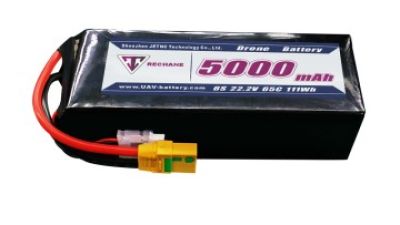
As the drone industry continues to evolve, advancements in battery technology are becoming increasingly critical. One prominent development is the semi-solid state battery solution which offers enhanced energy density and efficiency. This innovation is particularly significant for unmanned aerial vehicles (UAVs), where performance and reliability are paramount. The recent focus on high-capacity lithium polymer batteries has paved the way for improved flight times and capabilities, making drones more effective for various applications, from recreational use to complex industrial tasks. One such innovation is a lithium polymer battery designed specifically for UAV applications, delivering a steady output of 22.2V. This type of battery not only meets the rigorous demands of aerial technology but also provides essential certifications such as RoHS, CE, and FCC, which ensure both safety and compliance with global standards. The battery's high discharge rate of 65C enhances its performance in high-stress scenarios, making it ideal for dynamic flight maneuvers. Furthermore, the opportunity for custom branding and packaging allows manufacturers to cater to the unique needs of users, reinforcing the importance of personalization in the growing drone market.
: The article discusses important topics relevant to everyday life and common experiences.
The article provides insights that can lead to personal growth and better decision-making.
Yes, many overlook critical details or ignore practical advice. This can lead to regrettable outcomes.
Readers should consider their own experiences and how they relate to the article’s insights.
While the content is broadly relevant, individual circumstances may vary. Not all advice applies universally.
Some suggestions may offer quick changes, but lasting transformations often take time and effort.
Personal perspective is key. Each reader's background shapes their interpretation of the information.
Self-awareness helps in recognizing personal biases and embracing constructive feedback for improvement.
As the demand for drones continues to increase, understanding the various types of drone batteries is crucial for achieving extended flight times and optimal performance. The article delves into the key features that high-performance drone batteries should possess, such as energy density, discharge rates, and weight. It also highlights the factors that influence overall flight time and battery longevity, providing insights into how users can maximize efficiency. Furthermore, the article presents a comparative analysis of the best drone batteries available in 2026, examining the top brands that specialize in this technology. It concludes by exploring future trends in drone battery technology, emphasizing the ongoing innovations that promise to enhance flight times and operational capabilities. By staying informed about these aspects, drone enthusiasts and professionals can ensure they select the most suitable batteries for their needs, ultimately improving their flying experience.