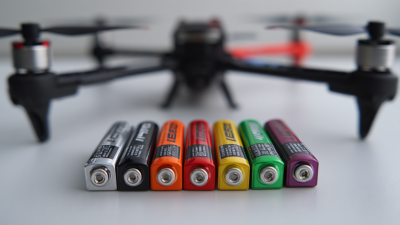
Hey there! So, if you’ve been keeping an eye on the drone world, you’ll know it’s growing like crazy. In fact, it’s super important to get the hang of Drone Battery selection if you want your aerial applications to really shine. According to a report by MarketsandMarkets, the global drone market is expected to jump from about 22.5 billion bucks in 2022 to a whopping 42.8 billion by 2025. A big reason for this surge? New Battery Technology! Choosing the right high-performance battery is crucial because it directly affects how long your drone can stay in the air, how much it can carry, and how efficient it is overall.
This is where Shenzhen Jentc Technology Co., Ltd. comes into play. They’ve been in the high-performance lithium battery game since 2011. They’re all about innovative solutions, like those 4.4V high-voltage batteries that really meet the changing needs of drone enthusiasts. With their commitment to quality and smart designs, Jentc Technology is definitely set to keep this buzzing industry thriving, ensuring that drone operations worldwide hit all the right notes.
Understanding Drone Battery Types: A Comprehensive Overview
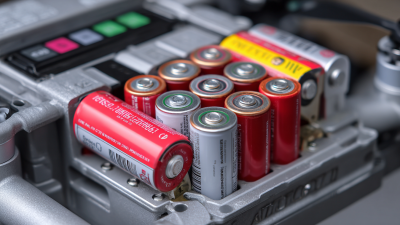
Hey there! So, let’s talk about drones. You know, the world of drone tech is really buzzing right now, and a huge part of what makes a drone tick is its battery. If you're into flying, getting a handle on the different types of drone batteries is super important for making sure your flights go smoothly. The three battery types you'll probably come across the most are Lithium-Polymer (or LiPo), Nickel-Metal Hydride (NiMH), and Lithium-Ion (Li-ion).
Now, LiPo batteries are the rock stars here—they’re lightweight and pack a punch when it comes to energy. That’s why you'll see them in the high-performance drones that seem to defy gravity. Just a heads up, though: they need to be handled with care during charging, or things could get a little risky.
Then we have NiMH batteries, which are a safer bet since they’re pretty durable. They’re not as powerful as LiPo batteries when it comes to that power-to-weight ratio, but they’re much easier to charge and store. So, if you’re just starting out, these might be your best friends!
Lastly, we’ve got Lithium-Ion batteries. They’re not as popular in the drone scene, but they offer a solid balance of energy capacity and weight. This makes them a good choice for those bulkier drones where you really need that extended flight time.
So, knowing the pros and cons of each battery type can really help you, whether you're a newbie or a seasoned pro, make the best choices for your flying adventures. Happy flying!
Key Features of Lithium Polymer Batteries and Their Advantages
So, when you’re picking out a battery for your drone, it’s super important to get to grips with what lithium polymer (LiPo) batteries bring to the table for really good performance. People love LiPo batteries because they’re light and pack a serious punch in energy, which means your drone can stay in the air longer and move around with way more agility. Plus, they come in all sorts of sizes and shapes, so there’s something that’ll fit pretty much any drone out there. One of the best things about LiPo batteries? They have a killer discharge rate, which lets your drone shoot up into the sky or pull off those fancy aerial tricks really quickly.
When you’re searching for a LiPo battery, keep an eye on the C rating — that’s what tells you how much power it can dish out continuously. A higher C rating is your friend because it means the battery can handle more juice without getting too hot, which is crucial when you’re pushing your drone hard. Don’t forget about the voltage, either! You want to make sure it matches what your drone needs; otherwise, you could damage it and ruin your fun.
Tips: Always check out the battery’s capacity; a higher mAh rating means longer flight times, which is always a plus. Oh, and splurge a little on a solid charger made just for LiPo batteries to keep everything safe. Lastly, remember to keep tabs on your battery’s health regularly and store them in the right way to get the most out of them for as long as possible!
Comparing Nickel-Cadmium vs. Lithium-Ion Batteries for Drones
So, when it comes to picking a battery for your drone, two big contenders usually pop up: Nickel-Cadmium (NiCd) and Lithium-Ion (Li-ion) batteries. Now, NiCd batteries have been around for a while and they do a pretty good job with reliable performance and a nice long cycle life. But here’s the kicker – they suffer from something called memory effect, which basically means that over time, their capacity can take a hit. Not so great, right? On the flip side, you've got Li-ion batteries, especially the ones from Shenzhen Jentc Technology Co., Ltd. These babies really shine with their fantastic weight-to-energy ratio, quick charging, and overall efficiency. Their 4.4V high-voltage batteries, along with those speedy charging lithium options, really stand out in the field, giving you the best performance you need for advanced drone missions.
When you're on the hunt for the right battery, keep a few tips in mind. First off, check the weight and size limits for your drone. Usually, Li-ion batteries are lighter and more compact, which means better flight times. Next, make sure the battery is compatible with your drone's power management system. Going for specialized batteries like the ones from Jentc can really boost your drone’s performance and help it last longer. Oh, and think about how you plan to use it – if you need quick turnaround times, those fast-charge lithium options could be just what you need. By keeping all these factors in mind, you’ll be better equipped to choose the battery that’ll really amp up your drone’s performance.
Optimal Battery Capacity: How to Choose Based on Flight Time Needs
Picking the right drone battery is super important, especially when you think about how long you want to fly. The battery capacity basically determines your drone's airtime, and it’s usually measured in milliampere-hours (mAh). So, a battery with a higher capacity means you can stay up longer—which sounds great, right? But, you gotta keep in mind the weight and size of the battery, too. Heavier batteries can make your drone less nimble and can drain power faster, which isn't ideal for anyone.
When you’re choosing the right battery, think about how you plan to use your drone. Are you just flying for fun, capturing stunning aerial shots, or zooming around in races? Each of these activities has its own power needs. For example, if you’re into filming, you probably want a battery that can keep your drone flying longer so you can get that perfect shot. On the flip side, if you’re all about racing, you might lean towards lighter batteries to boost your speed, even if it means sacrificing a bit of flight time. So, take a moment to figure out what you really need, and you’ll find a battery that amps up your drone’s performance and fits right into your flying style.
2025 Market Insights: How to Choose the Best Drone Battery for Optimal Performance
| Battery Type | Capacity (mAh) | Average Flight Time (minutes) | Weight (grams) | Charge Time (hours) |
| LiPo | 3000 | 25 | 220 | 1.5 |
| Li-ion | 4000 | 35 | 350 | 2 |
| NiMH | 2500 | 20 | 300 | 3 |
| LiPo HV | 6000 | 40 | 400 | 2.5 |
Environmental Considerations for Drone Battery Selection
When you're trying to pick the best drone battery out there, it’s super important to think about the environment. With more and more people flying drones these days, we really can’t ignore the impact that making and disposing of batteries has on our planet. Most drones run on lithium-ion batteries, but the problem is that they come with some pretty big challenges, like the resources we need to get and recycle them. So, opting for batteries that are crafted from ethically sourced materials and that leave a smaller footprint can really help lower a drone’s carbon impact.
Plus, if you really care about the planet, understanding how long a drone battery lasts is key. Going for batteries that have a longer lifespan not only boosts performance but also cuts down on waste, which is a win-win! And hey, there are some cool innovations in battery tech, like solid-state batteries, that are all about better energy efficiency and longer life cycles—charming to both eco-conscious flyers and those who want top-notch performance. By choosing greener battery options, drone users can play a part in creating a brighter, more sustainable future while still getting the high performance they crave for their aerial adventures.
Best Practices for Maintaining Drone Battery Health and Longevity
Taking care of your drone battery is pretty important if you want it flying smoothly and lasting longer. A good rule of thumb is to store your batteries in a cool, dry spot. Seriously, high temperatures can mess with the battery's chemistry, and you don't want that—it could mean a shorter lifespan or reduced power. Also, try not to let your battery run all the way down; keeping it between 20% and 80% charged is the sweet spot. This little tip not only helps the battery last longer but also makes sure you've got enough juice when you're up in the air.
It’s also super important to keep an eye out for any signs of damage. Give your batteries a quick check for any swelling, corrosion, or just general wear and tear—if you spot anything off, it might be time to swap them out. When you’re charging, make sure you're using the right charger and steer clear of overcharging; overheating is a big no-no that can cause serious damage. And hey, don’t forget to calibrate your battery from time to time to make sure your drone knows exactly how much energy it’s got left. By following these simple tips, you’ll really be able to boost your drone battery's performance and keep it going strong, making your flying adventures way more enjoyable.