Inquiry
Form loading...
0%

The 12-Volt Drone Battery is pretty much a must-have for any serious drone pilot these days. It fuels all the key parts — like the motors, cameras, you name it. Lots of folks who love flying drones really appreciate how efficient and reliable these batteries can be. Honestly, getting to know how this battery works can really make a big difference in how smoothly your drone flies.

Now, there are quite a few brands out there that make quality 12-volt drone batteries, but not all of them are alike. Picking the right one? Yeah, it can be tricky. You gotta pay attention to what specs match your drone best because some batteries tend to overheat or just don’t deliver the power you need. Even seasoned drone flyers can find it tough to choose the perfect Battery Sometimes.

And don’t forget, taking good care of your battery is super important too. If you don’t, it might not last as long as it should or could fail unexpectedly — right when you’re about to lift off. It’s a good idea to regularly check the connections and make sure it’s charged properly. A little bit of attention like that can save you a lot of hassle mid-flight. Paying attention to these little details definitely helps turn flying into a much more enjoyable experience.

What is a 12 Volt Drone Battery and How Does it Work?

What is a 12 Volt Drone Battery and Its Purpose?

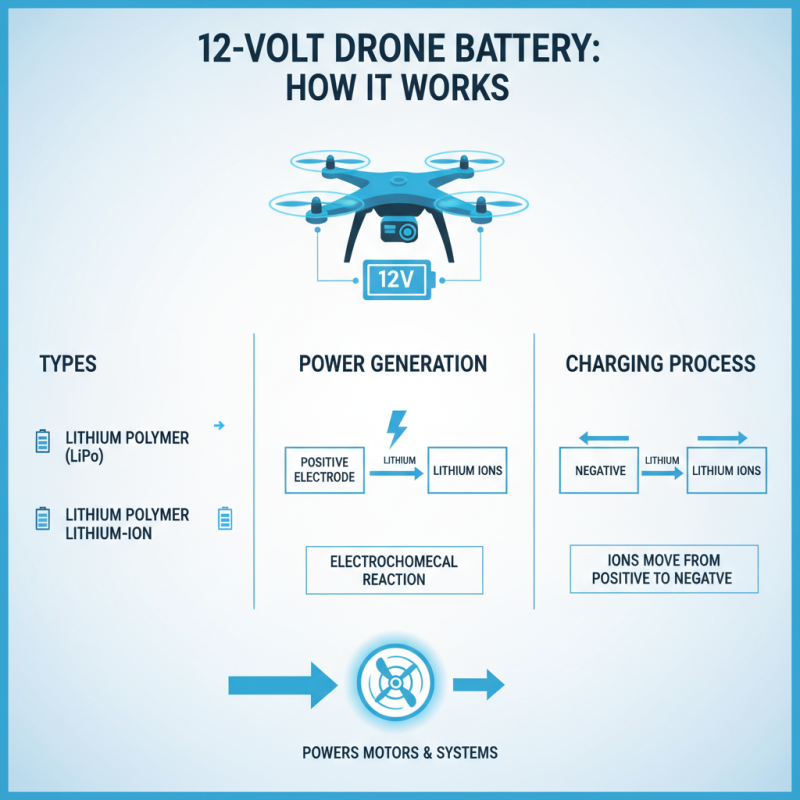
A 12 Volt drone battery is a crucial component for powering various types of drones. Its primary purpose is to supply the energy needed for flight and operation of onboard systems. These batteries are typically lithium polymer or lithium-ion, which provide a balance of energy density and weight. Reports indicate that most consumer drones operate effectively with a 12 Volt system.

The efficiency of a 12 Volt battery lies in its ability to deliver steady voltage while maintaining a relatively lightweight profile. Proper voltage regulation ensures smooth operation for both the drone’s motors and electronics. Research suggests that battery life and performance can greatly impact the flight duration and overall user experience. An optimal battery can extend flight time by 20% or more when compared to lower-voltage systems.

Tips for maintaining 12 Volt drone batteries include avoiding full discharges. Lithium batteries have a limited cycle life, and deep discharge can shorten their lifespan. Store batteries at a moderate temperature to improve longevity. Keep connections clean to prevent power loss during flights. Monitoring battery performance regularly can help identify any decline in health. Regular practice ensures you can maximize flight efficiency and safety.

Components of a 12 Volt Drone Battery Explained

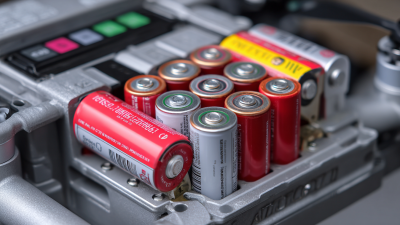
A 12 Volt drone battery is an essential power source. It typically consists of individual battery cells. Common types include LiPo, NiMH, and Li-ion. Each type has distinct properties affecting performance and flight time. For example, a well-constructed 12 Volt LiPo battery can deliver high discharge rates, essential for agile maneuvers.

The internal chemistry of these batteries impacts their efficiency. LiPo batteries often provide a lighter and more compact solution. In contrast, NiMH batteries are bulkier but safer and more stable. When choosing a battery, drone operators should consider weight, flight duration, and temperature tolerance. Reports indicate that most drone applications benefit from batteries offering at least 300 to 400 charging cycles.

Charging and discharging are critical processes. A poorly managed battery can suffer from reduced lifespan. Overcharging may lead to overheating. A smart charger is often recommended to maintain optimal performance. Additionally, regular checks for swelling or damage are vital. Neglecting these aspects can lead to poor battery performance. Understanding these components ensures that drone enthusiasts can maximize their flying experience while maintaining safety.

How 12 Volt Drone Batteries Generate Power

What is a 12 Volt Drone Battery and How Does it Work?

A 12 Volt drone battery is a crucial component that powers various types of drones. These batteries usually come in lithium polymer (LiPo) or lithium-ion varieties. They generate power through an electrochemical reaction. When the battery is charged, lithium ions move from the positive to the negative electrode. This movement creates electrical energy, which ultimately powers the drone's motors and systems.

The efficiency of a 12 Volt drone battery can vary significantly. Factors like temperature, age, and usage patterns play a vital role. A fully charged battery may not perform optimally in extreme weather. This can lead to decreased flight times. Also, over-discharging a battery can reduce its lifespan. Many users overlook these details, leading to potential mishaps.

It's fascinating how a small battery can drive complex technology. Yet, it is essential to understand its limitations. Regular maintenance and careful handling can enhance performance. However, even the best care won’t eliminate risk. The balance between power and efficiency requires ongoing attention and learning.

Types of 12 Volt Batteries Used in Drones

12 Volt batteries are essential for powering drones. They provide the necessary energy for flight operations. But not all 12 Volt batteries are the same. Different types are used depending on the drone's needs.

Lithium-ion batteries are popular. They offer a great energy-to-weight ratio. However, they can be expensive and may require careful handling. Another type is lead-acid batteries. These are heavier and less efficient but are often cheaper. They provide reliable power for larger drones that need longer flight times.

Understanding the type of battery is crucial. Each has its pros and cons. Some users may struggle with weight versus power. Finding the right balance can be tricky. Battery choice impacts flight performance and overall experience.

What is a 12 Volt Drone Battery and How Does it Work? - Types of 12 Volt Batteries Used in Drones

Battery Type Capacity (Ah) Weight (lbs) Voltage Usage
LiPo (Lithium Polymer) 2-5 Ah 1-2 lbs 12V Racing and Aerial Photography
Li-ion (Lithium-ion) 3-12 Ah 2-5 lbs 12V General Use and Long Flight Time
NiMH (Nickel Metal Hydride) 5-10 Ah 3-6 lbs 12V Training Drones and Budget Builds
Lead Acid 10-20 Ah 5-10 lbs 12V Heavy Payload Drones

Charging and Maintenance of 12 Volt Drone Batteries

Charging and maintaining a 12 Volt drone battery is crucial for optimal performance. These batteries typically use lithium-based technology. They require specific care to ensure long life and efficiency. Overcharging can damage battery cells. Many reports indicate that a well-maintained drone battery can last up to 500 charge cycles. This translates to approximately two years of usage.

It's essential to charge your battery in a controlled environment. Extreme temperatures can affect battery performance. Aim for a temperature range between 20°C to 25°C. A dedicated smart charger can prevent overcharging and keep track of cycles. A common mistake is leaving batteries unmonitored while charging. This can lead to safety hazards and reduced life span.

Tips: Always check voltage levels before charging. A voltage below 3.2V per cell indicates the battery needs immediate attention. Remember, batteries self-discharge over time. Store them at around 50% capacity if not in use for long periods. Regularly inspect battery conditions, looking for swelling or corrosion. Neglecting these steps can result in poor performance and safety risks. Keep your drone flying safely by prioritizing battery maintenance.

Safety Considerations for Using 12 Volt Drone Batteries

When using a 12 Volt drone battery, safety must be a priority. Proper handling can prevent accidents and damage. Always inspect the battery for any signs of wear or damage. Look for cracks or leaks. Do not use a damaged battery. It can lead to fire or malfunction.

When charging, keep an eye on the charging process. Overcharging can be dangerous. Use chargers designed for your specific battery type. Avoid using generic chargers; they can cause complications. Never leave a charging battery unattended. Heat build-up can occur, leading to serious risks.

Storage also needs attention. Keep batteries in a cool, dry place. Avoid extreme temperatures. Consider using fireproof containers for added safety. Regularly check the battery level. A depleted battery can swell or leak, which is very risky. Develop these habits to ensure a safer and more enjoyable flying experience.

12 Volt Drone Battery Capacity Comparison

Signs of Degradation and Battery Life Optimization Strategies

When using a 12 Volt drone battery, recognizing signs of degradation is essential. Batteries may exhibit reduced flight times or struggle to hold a charge. You might notice a lower voltage reading during use. These are clear indicators that your battery's health is declining.

To optimize battery life, maintain proper charging habits. Avoid letting the battery drop below 20% regularly. Instead, recharge it after each use. This can prevent deep discharges that harm battery longevity. Store your battery in a cool, dry place to minimize stress on its components.

Here are some tips to help prolong your battery’s life: Keep the terminals clean. Dirt and corrosion can impede performance. Consider using a smart charger that regulates charging speed. This prevents overheating and extends overall battery health. Remember, being mindful of your battery care habits can yield significant improvements in performance.

The Ultimate Guide to Choosing the Right Battery for Drones: Focus on JENTC LI-HV 6s 22000mAh 10C Battery

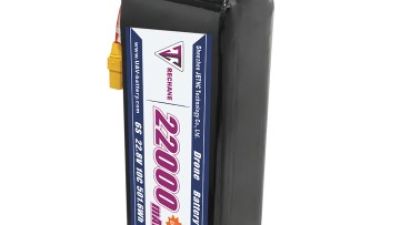
When choosing a battery for drones, one of the most critical factors to consider is the balance between capacity and performance. The JENTC LI-HV 6s 22000mAh 10C battery exemplifies a high-capacity solution tailored for drone enthusiasts and professionals alike. With an impressive capacity of 22000mAh and a voltage of 22.8V, this battery not only extends flight times but also ensures robust performance even under demanding operational conditions. Current industry reports highlight that extended battery capacities significantly enhance flight endurance, allowing drones to operate longer distances and capture more extensive data without the need for frequent recharges.

Moreover, this battery's design as a semi-solid custom lithium polymer pack contributes to its reliability and safety in various environmental conditions. Certifications like RoHS, CE, and FCC provide assurance of meeting substantial safety and environmental standards, which is crucial for the drone industry where compliance and reliability are non-negotiable. According to recent studies, drones powered by high-capacity batteries report up to a 30% increase in efficiency compared to those utilizing standard battery packs. The combination of a 10C discharge rate further amplifies the performance, allowing for swift acceleration and powerful maneuvers that are essential in competitive and advanced aerial applications.

The JENTC LI-HV 6s battery is not just about raw power; it also reflects a growing trend in the drone battery market focusing on tailored solutions that meet the diverse operational needs of users. Its warranty period of 3 to 12 months is indicative of the manufacturer's confidence in the product's longevity, fostering consumer trust in a sector where reliability can make all the difference in performance. As hobbies and professional applications for drones continue to evolve, selecting the right battery is pivotal to maximizing operational efficiency and enhancing the overall user experience in the skies.

FAQS

: What is the main purpose of the content?

: The content aims to provide informative insights on a specific topic.

How can I access the information?

You can find the information online easily. Just search for the topic of interest.

Is the information updated regularly?

Yes, many sources update their content frequently. It’s good to verify for the latest details.

What if I can't find the specific details I need?

If not available, consider reaching out to experts or communities for guidance.

Can I rely on the information completely?

It’s wise to cross-check facts. Not everything may be accurate or complete.

Are there common misconceptions about the topic?

Yes, some people misunderstand key points. It’s helpful to research thoroughly.

Is there any advice for beginners?

Start slow and learn the basics. It can be overwhelming at first.

How important is practical experience?

Very important. Hands-on practice enhances understanding and retention.

What should I do if I encounter challenges?

Reflect on the issues and seek help. It’s okay to ask for support.

Can feedback be helpful in this process?

Absolutely! Constructive feedback can lead to better results and improvements.

Conclusion

A 12 Volt drone battery is a crucial component that powers drones, providing the necessary energy for flight and operation. Understanding its purpose involves recognizing its ability to deliver a steady voltage output, which is essential for optimal drone performance. The battery comprises several key components, including cells, connectors, and protective circuitry, all of which work together to ensure efficient power generation.

Different types of 12 Volt batteries, such as lithium-ion and lead-acid, are commonly utilized in drone applications, each offering unique advantages. Proper charging and maintenance practices are vital for prolonging battery life and ensuring safety during use. Users should also be aware of the signs of degradation and implement optimization strategies to maximize performance. By understanding these aspects of the Drone Battery 12-Volt, users can enhance their flying experience and ensure reliability during drone operations.
Evelyn

Evelyn

Evelyn is a dedicated marketing professional at Shenzhen Jentc Technology Co., Ltd., where she plays a crucial role in promoting the company’s innovative high-performance lithium battery solutions. With an in-depth knowledge of the product portfolio, which includes advanced offerings like 4.4V......
Previous Unlocking the Potential: Advantages of Harnessing Battery Power for Global Supply Chains